Crete: Spinalonga, Knossos and Balos
 Heraklion
→
 Elounda
→
 Anogeia
→
Rethymno
→
 Chania
→
Kissamos
→…
What you’ll remember
3 of them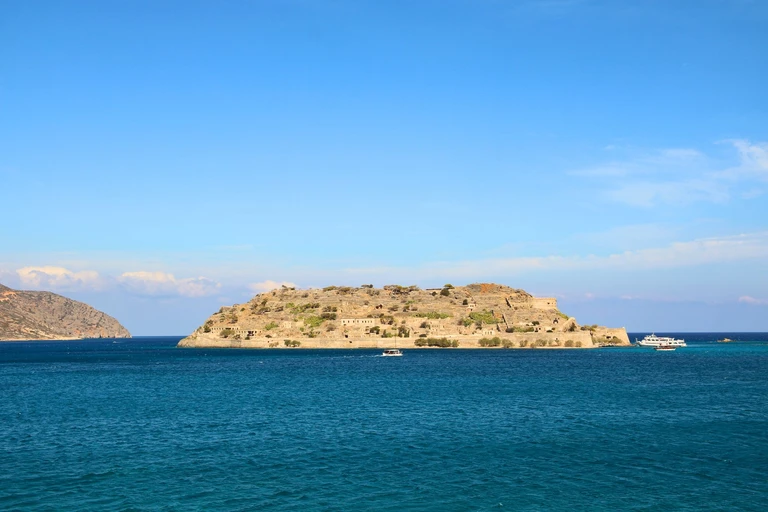
What’s included
- Hotels every night
- Breakfast every morning
- Welcome dinner in Heraklion
- Dinner in Plaka
- Shepherds' table
- Lunch on board
- Farewell dinner in Chania
- 2 boat tours
- All entry tickets
- 3 local guides
- All transport during the trip
About this trip
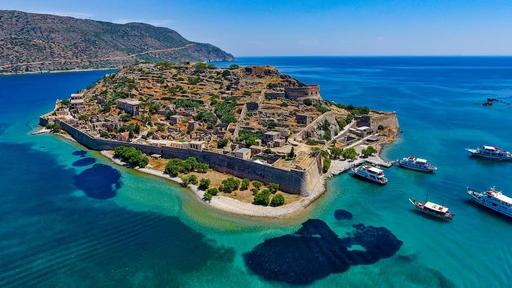
At eight in the morning you step off a small boat onto Spinalonga, a Venetian fortress island where, from 1904 to 1957, Crete and then the whole of Greece sent people with leprosy. They were told they could not marry. They married. They opened cafés and raised children, and a law student who arrived in 1936 organized them into a brotherhood that won them, among other things, a path around their own island. It is the best true story on Crete, and you get the first hour of it.
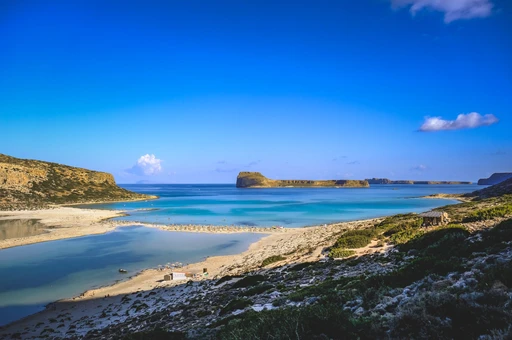
The rest of the island keeps its myths at street addresses. The labyrinth is just outside Heraklion and opens at eight. The cave where Rhea hid to give birth to Zeus is a fifteen-minute walk above a village on the Lasithi plateau. A shepherd family in Anogeia roasts lamb around the fire for hours, for a table of people who were strangers on day 1. And at the far west end there is a lagoon shallow enough to wade into, where the sea has three colors and the sand has pink in it. Eight days, east to west, and the true story is the one you will retell.
Day by day
8 daysThe Writer the Church Would Not Bury
 Heraklion
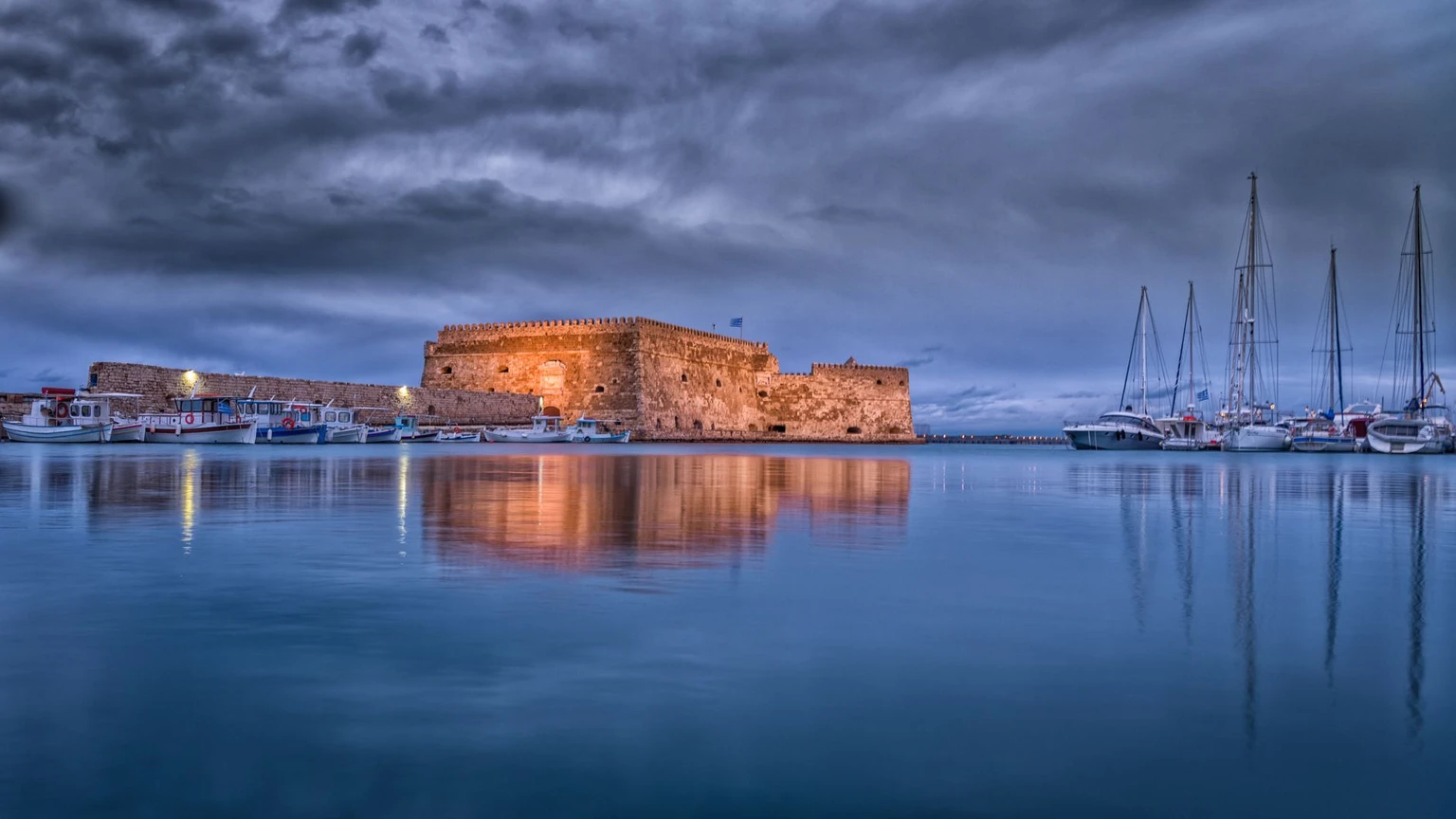
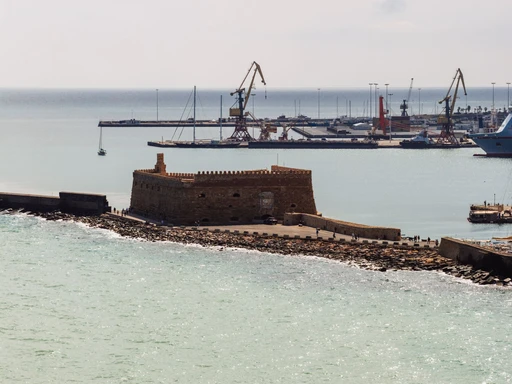
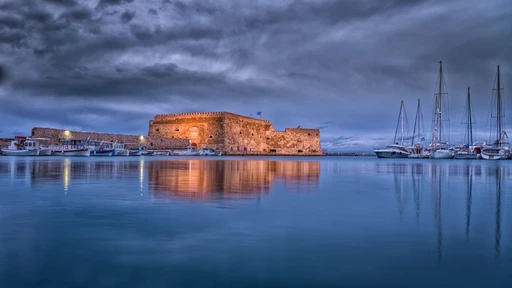
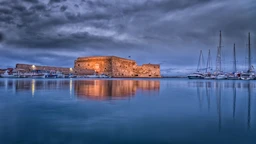
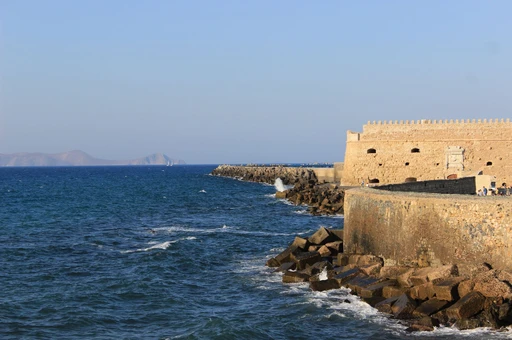
When Nikos Kazantzakis, the man who wrote Zorba the Greek, died in 1957, the Orthodox Church would not have him in a cemetery. So Heraklion buried him on top of its own Venetian walls, on the highest bastion, looking out at the mountains. The stone says: I hope for nothing. I fear nothing. I am free.
Your coordinator walks the group up there as the light goes, after an hour in the Archaeological Museum with a guide and a clay disc, stamped in a spiral on both sides, that was dug up in 1908 and that nobody has managed to read since.
Then the welcome dinner and the first serious attempt at everyone's name. Tomorrow, the labyrinth. It opens at eight.
The Other Minos
Heraklion
 Knossos
 Elounda
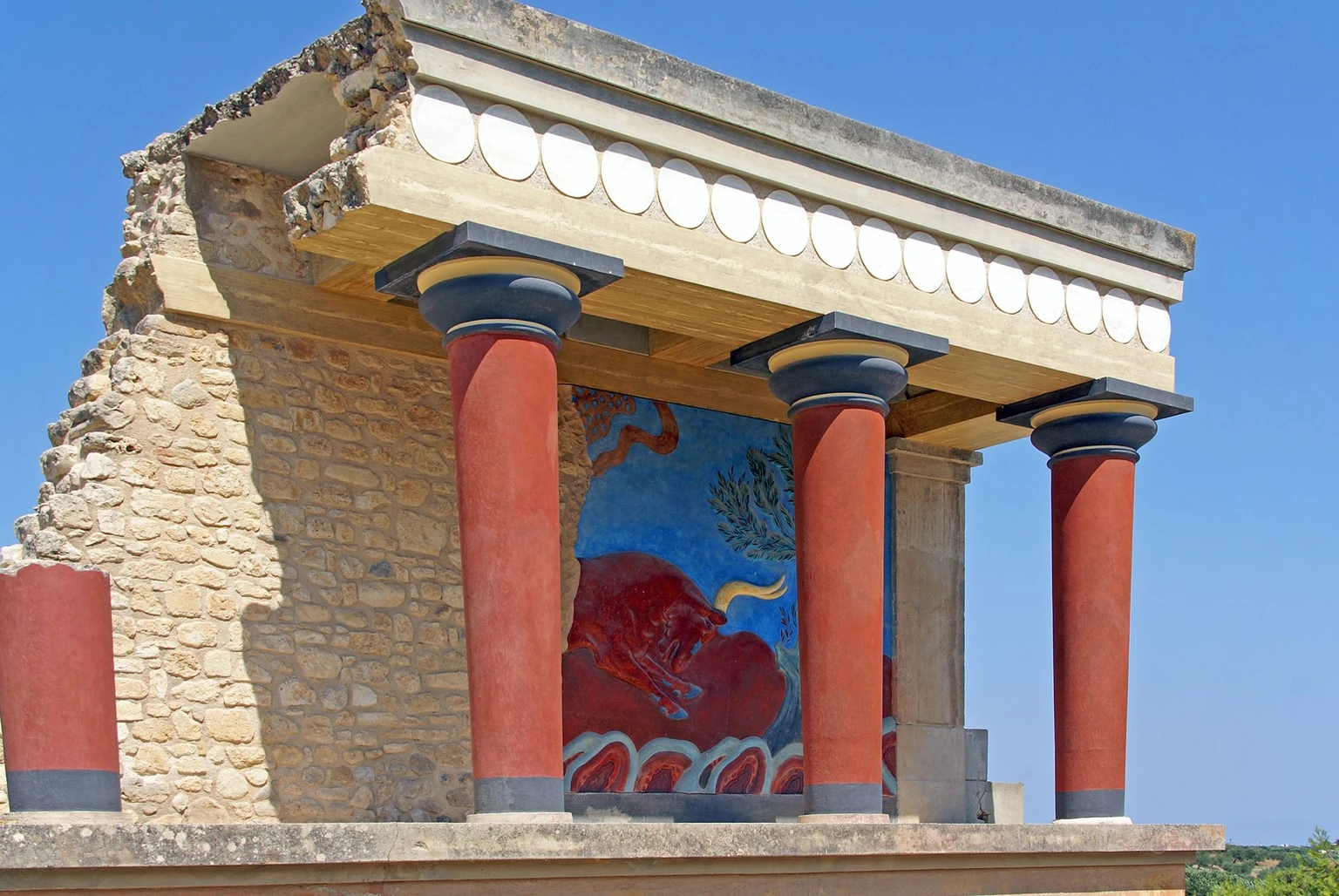
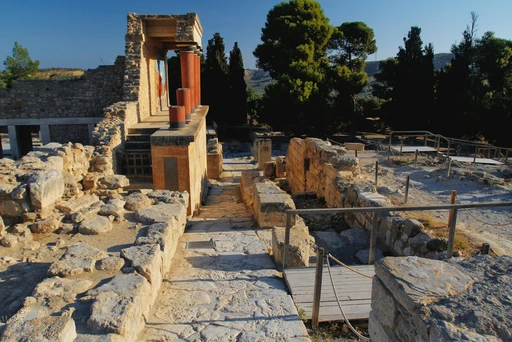
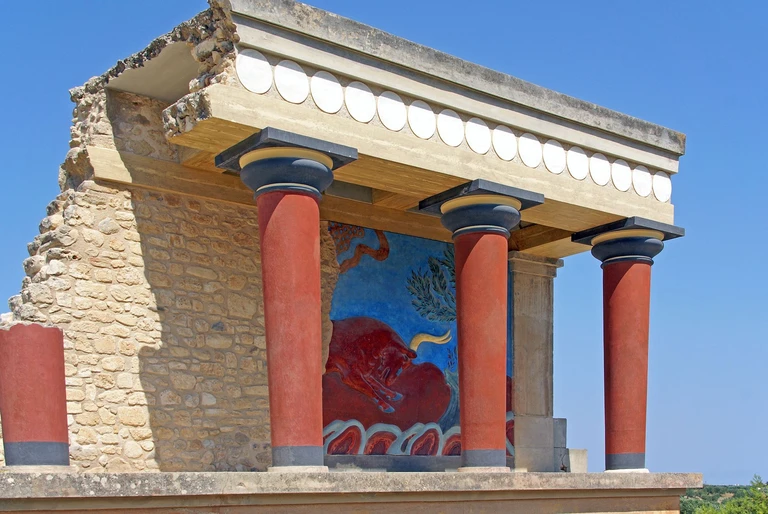
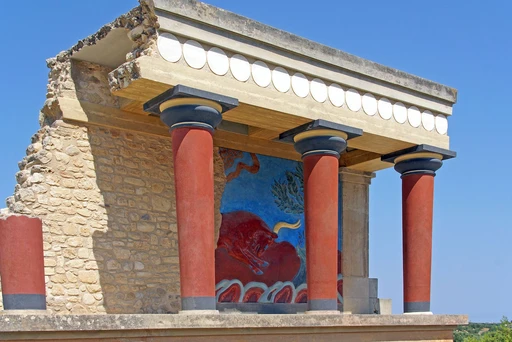
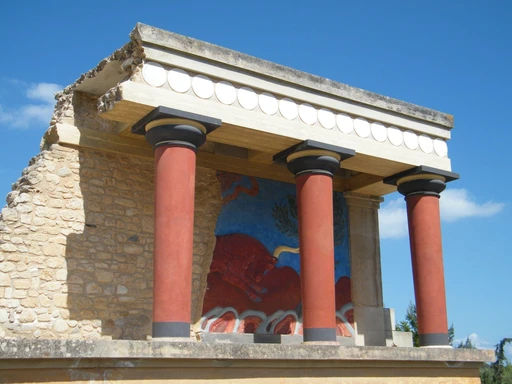
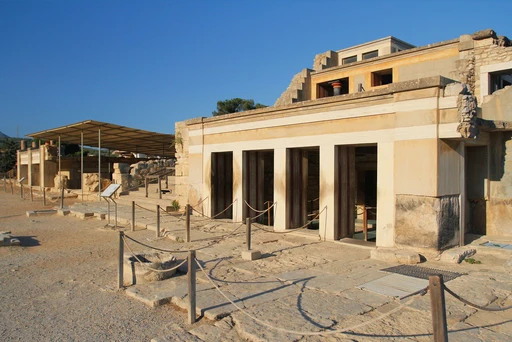
The labyrinth has an address. The legend of King Minos and the Minotaur belongs to Knossos, a few kilometers outside Heraklion, and the first man to dig there, in 1878, was a local merchant whose name, as it happens, was also Minos. Arthur Evans came after him, dug from 1900 to 1931 and rebuilt the famous red columns. People have argued about that ever since. Everyone takes the photo anyway.
You are through the gate when it opens, with a guide, while the stone is still cool. Since 2025 Knossos has been on the UNESCO list with five other Minoan palaces. You will walk over the sixth on day 7.
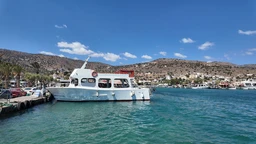
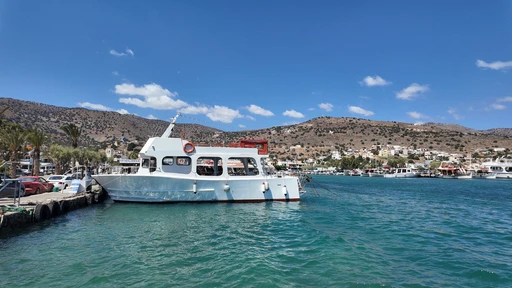
Then east along the coast to Elounda: a bay, the salt pans the Venetians built a fortress to protect, and that fortress on an island in the mouth of it. The island is tomorrow.
Nobody Was Supposed to Get Married Here
Elounda
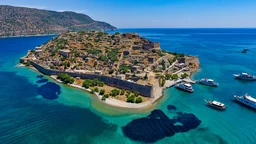 Spinalonga
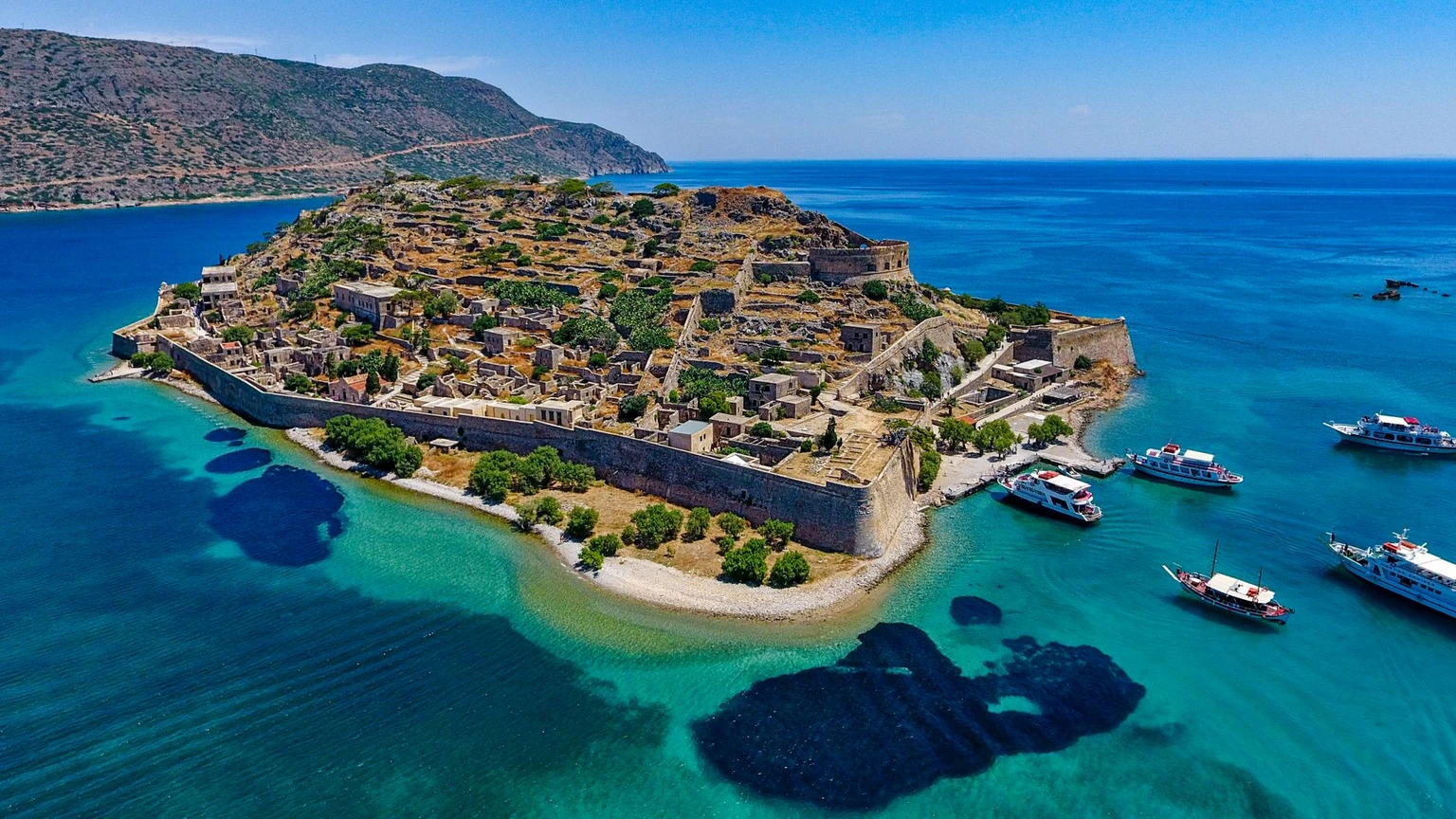
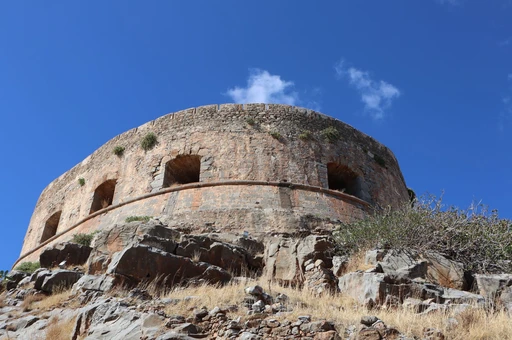
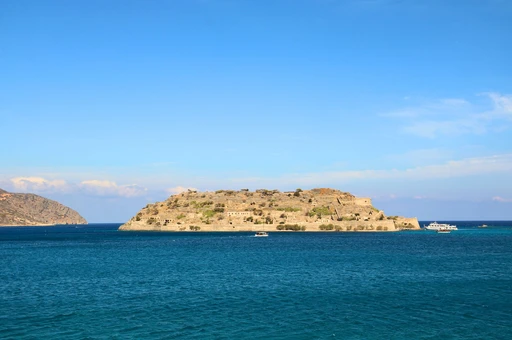
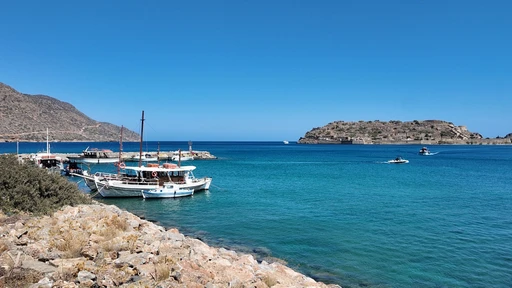
From 1904 to 1957 Spinalonga was where Crete, and later the whole of Greece, sent people with leprosy. The first 251 arrived in October 1904. Whoever was sent lost their property and their vote, and a marriage back home was annulled.
Then they built a life anyway. They ran cafés. A market at the gate took their money once it had been sterilized. Marriage was banned, so they married, and had healthy children. In 1936 a law student called Epaminondas Remoundakis arrived and organized them into a brotherhood, the first of its kind in Greece, that won them, among other things, a path all the way round their own island.
You cross from Plaka in five minutes, at opening, with a guide. It is the second most visited site on Crete, so that first quiet hour is worth the alarm. Dinner tonight is in Plaka, looking straight at the island.
Somewhere Cronus Would Not Look
Spinalonga
Elounda
 Lasithi Plateau
 Dikteon Cave
 Anogeia
 AI-generated
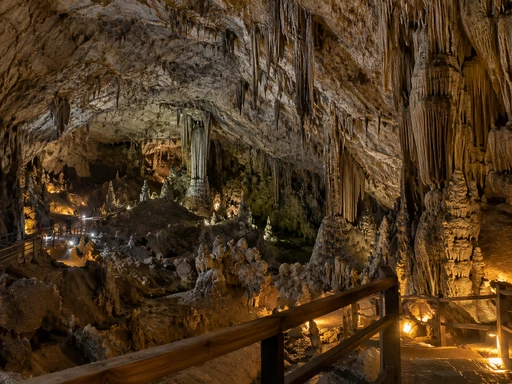
Cronus ate his children, on the strength of a prophecy that one of them would overthrow him. So Rhea went somewhere he would not look to give birth to Zeus: a cave on the edge of the Lasithi plateau. The cave is real. It is a fifteen-minute walk uphill from the village of Psychro, then down into the dark, past a great folded stalactite people call the Cloak of Zeus.
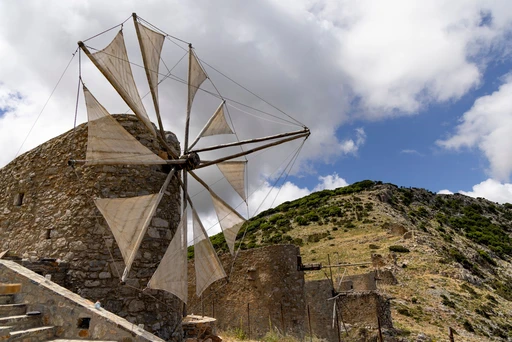
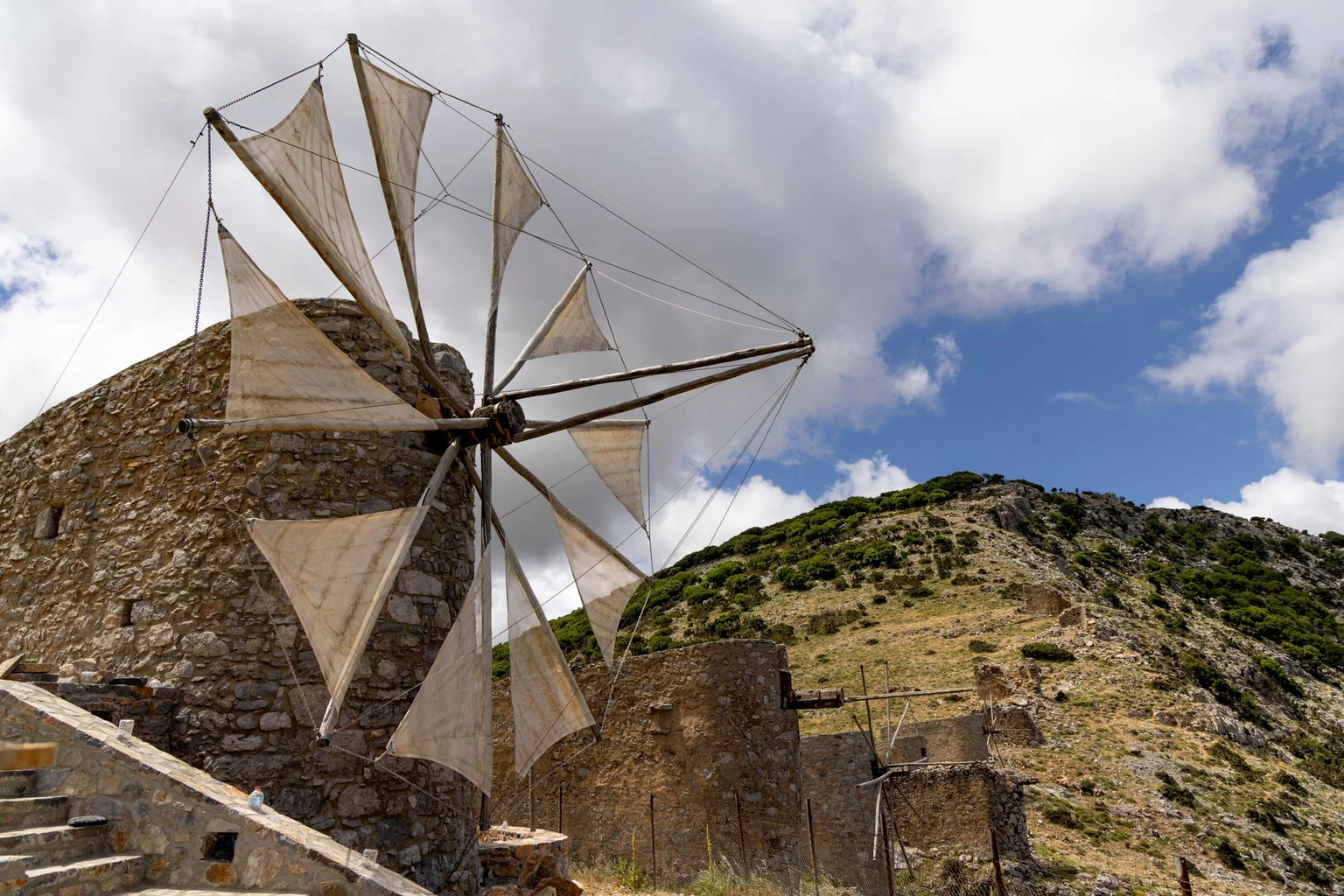
The plateau below once had about ten thousand white-sailed windmills pumping water to its fields. Most stand still now, which is somehow better.
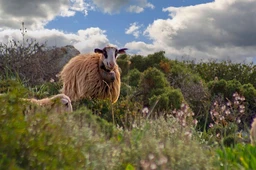
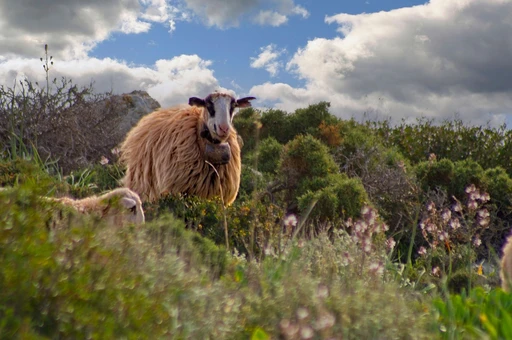
Tonight is At Their Table, in Anogeia, a shepherds' village on the slopes of Psiloritis that German troops burned almost to the ground in August 1944 and that rebuilt itself. A shepherd family cooks lamb the mountain's way, ofto: on spits standing around the fire, for hours. Nobody is in a hurry. By the end, you will not be either.
AI
Mostly a Drive, With Lunch in the Middle
Anogeia
 Rethymno
 Chania
Day 5 is mostly a drive west, and it is honest about it. Before leaving Anogeia there is a small room off the main square where Nikos Xylouris, the singer and lyra player, was born. It is open, and it costs nothing to stand in.
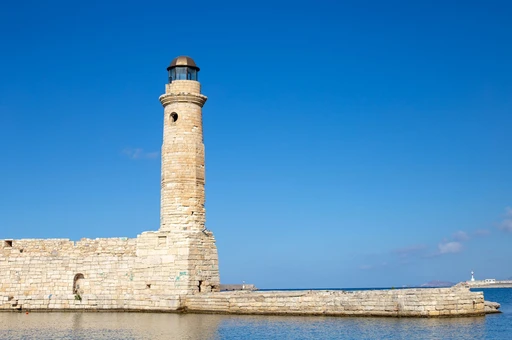
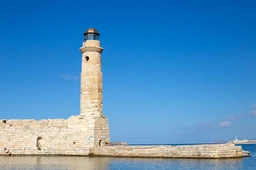
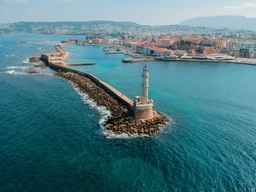
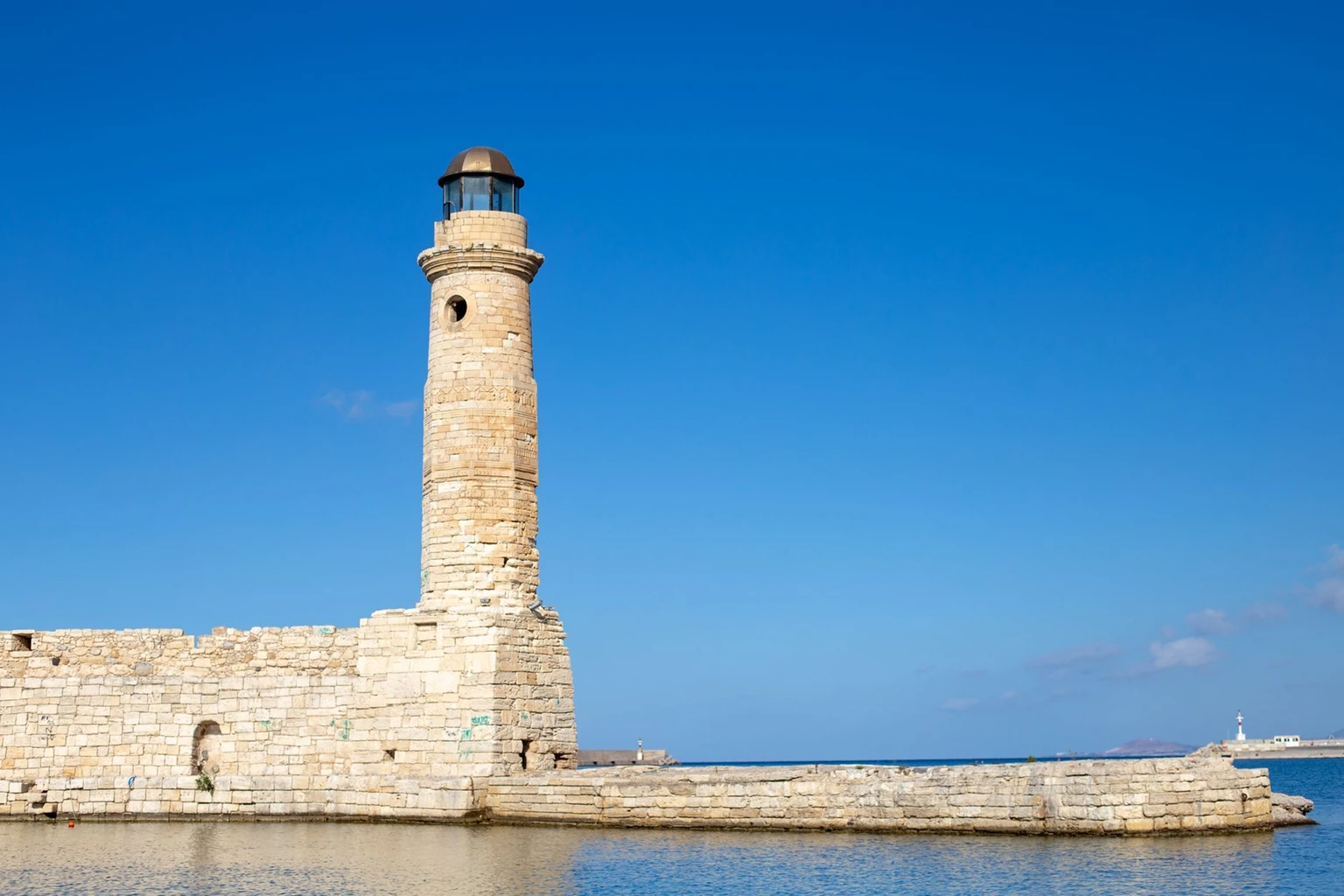
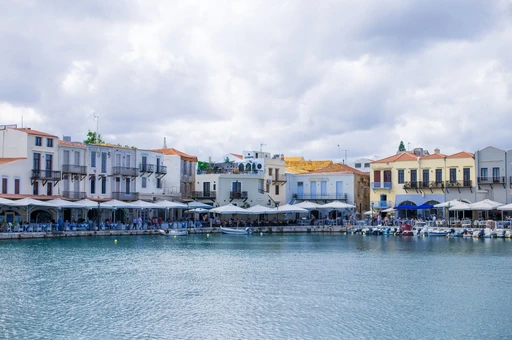
Halfway is Rethymno: a harbor with a lighthouse on the end of its wall, a Venetian fortress on the hill, and an old town of narrow lanes, wooden balconies and the odd minaret. Lunch there is yours, long and in the shade.
Chania by evening. Unpack properly. You are here for three nights, which on this trip counts as moving in.
The Morning the Coast Went Up
Chania
Kissamos
Gramvousa
 Balos
Falasarna
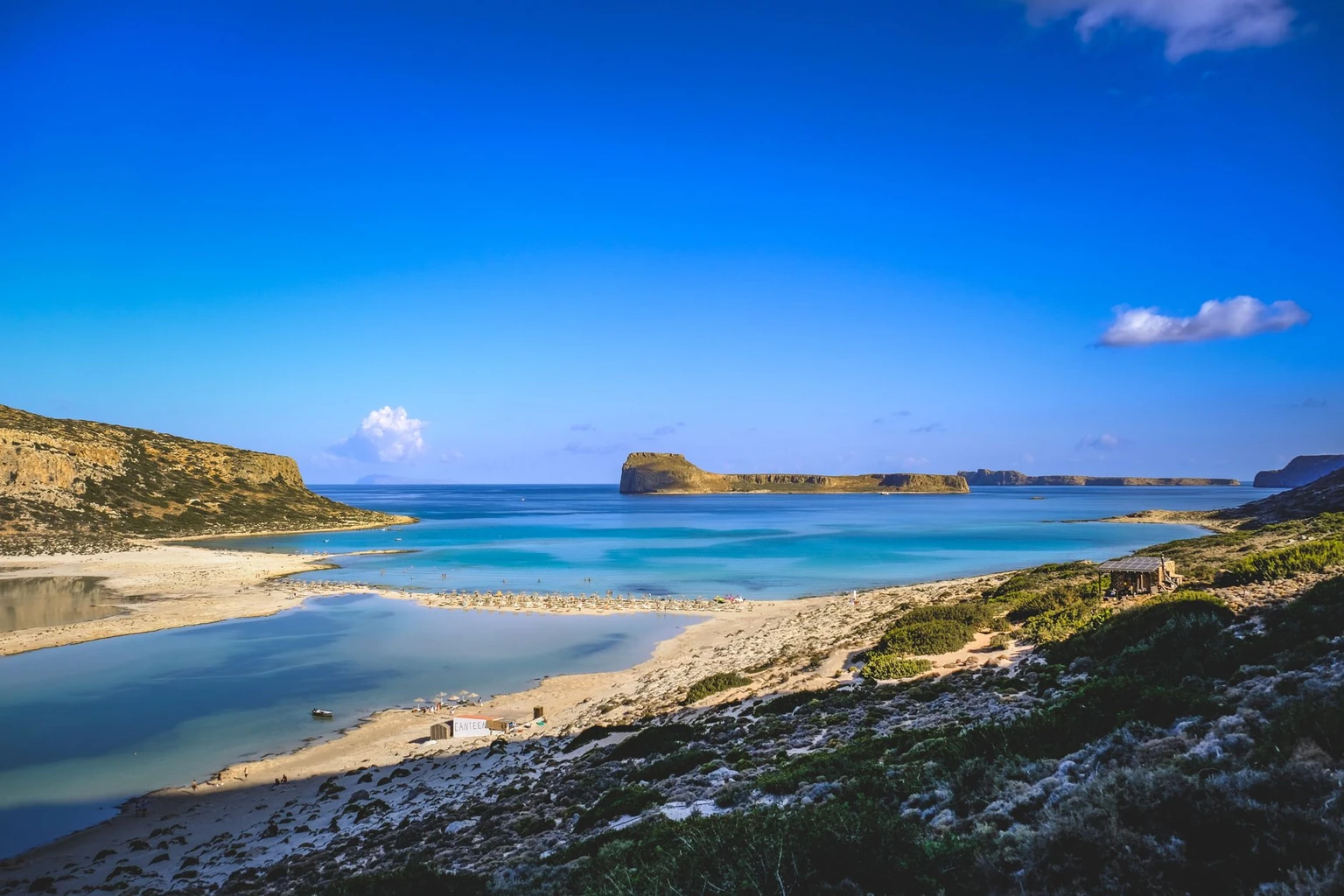
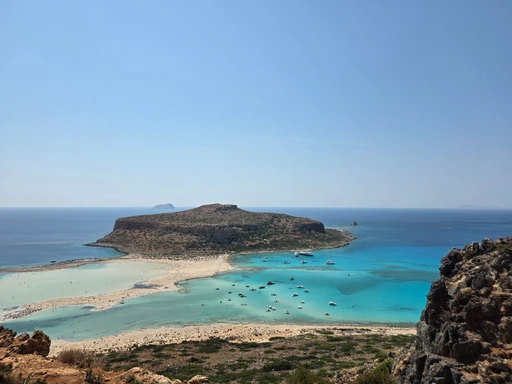
On 21 July 365 an earthquake lifted the west end of Crete out of the sea by several meters, in a morning. From the boat out of Kissamos you can see where it happened: an old shoreline running along the cliffs, well above today's.
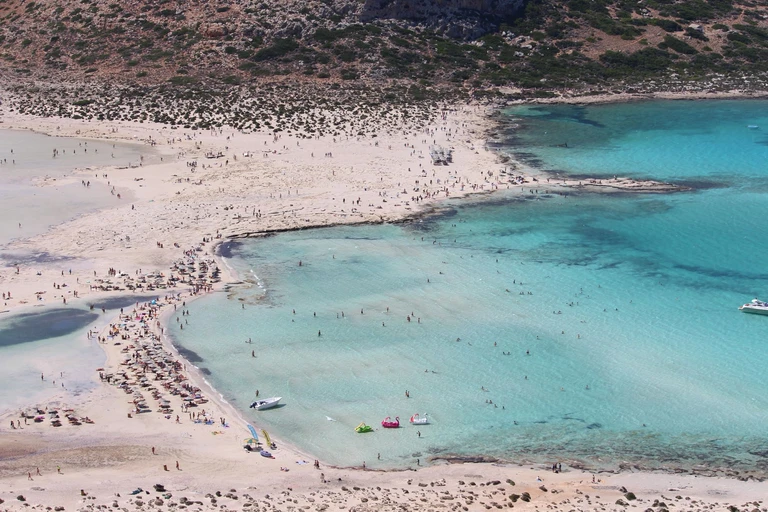
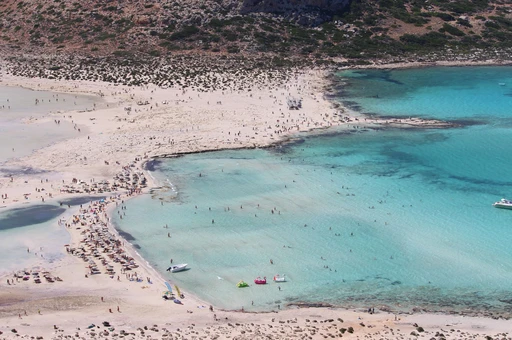
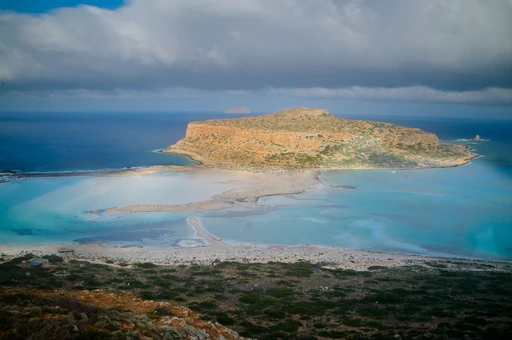
First Gramvousa, an islet with a Venetian fortress on top, about twenty steep minutes up if you want the view. Cretan rebels took it in 1825 dressed as Ottoman soldiers. Then Balos, the lagoon on every poster of Crete: water shallow enough to wade, three colors of it, and sand with pink in it. It is busy at midday. It is still Balos. Lunch is on board.
On the way back, Falasarna, where the same earthquake left a Greek harbor high and dry in a field behind the beach. The light goes gold here late. Dinner is yours, in Chania.
The Sixth Palace Is Under the Houses
Falasarna
Chania
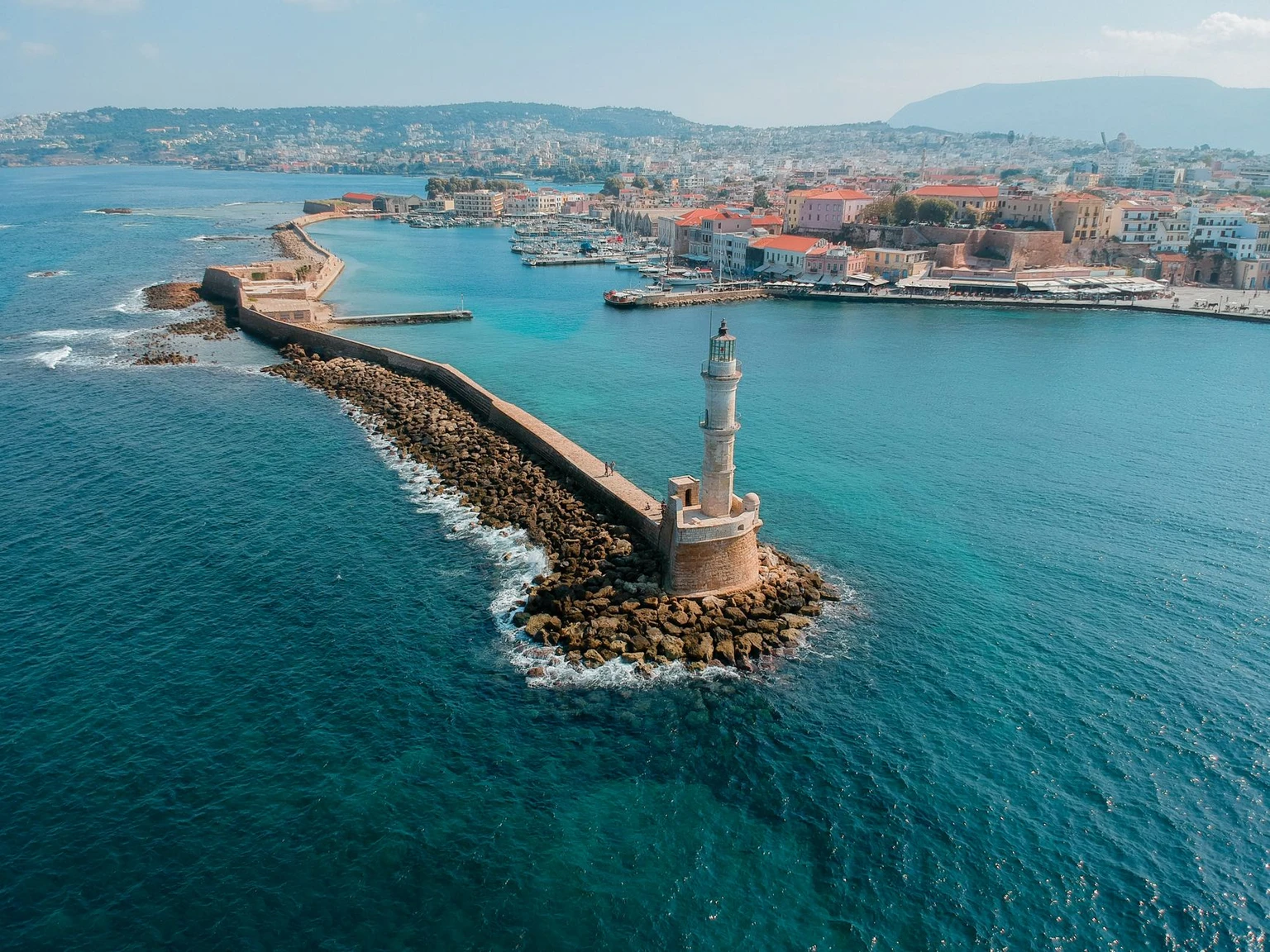
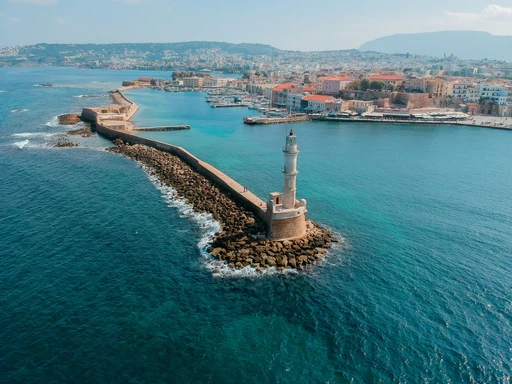
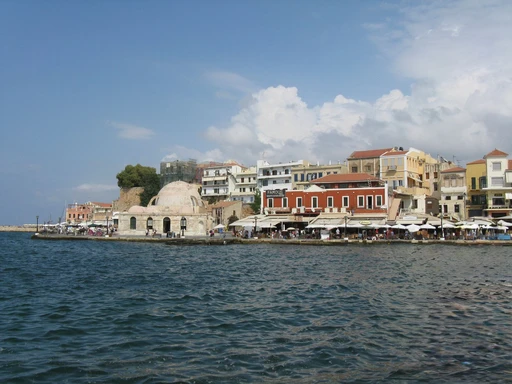
Remember the five other palaces from day 2? The sixth is under Chania. Kydonia, a Minoan town with its own palace, lies beneath Kastelli, the low hill above the old harbor, and archaeologists keep finding it under the old town's streets and squares. You will walk over it to get almost anywhere.
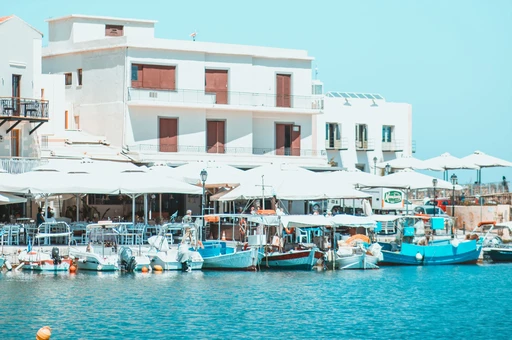
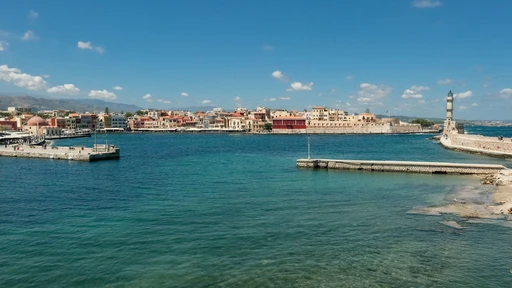
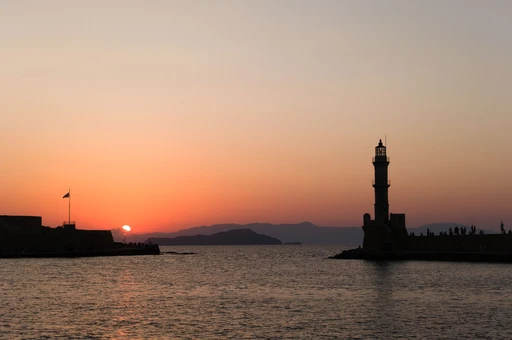
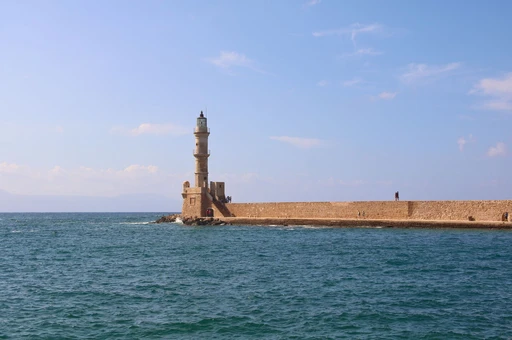
Day 7 is the slow one. The Venetian harbor, the lighthouse at the end of the breakwater, and a street where a few knife makers still engrave a mantinada, a rhyming Cretan couplet, on the blade by hand. Somebody in the group will come home with a knife with a poem on it. The airline will have views.
Farewell dinner tonight, and a long argument about which day was the best one. It was day 3.
Hoping for Nothing, Leaving With Eleven
Chania
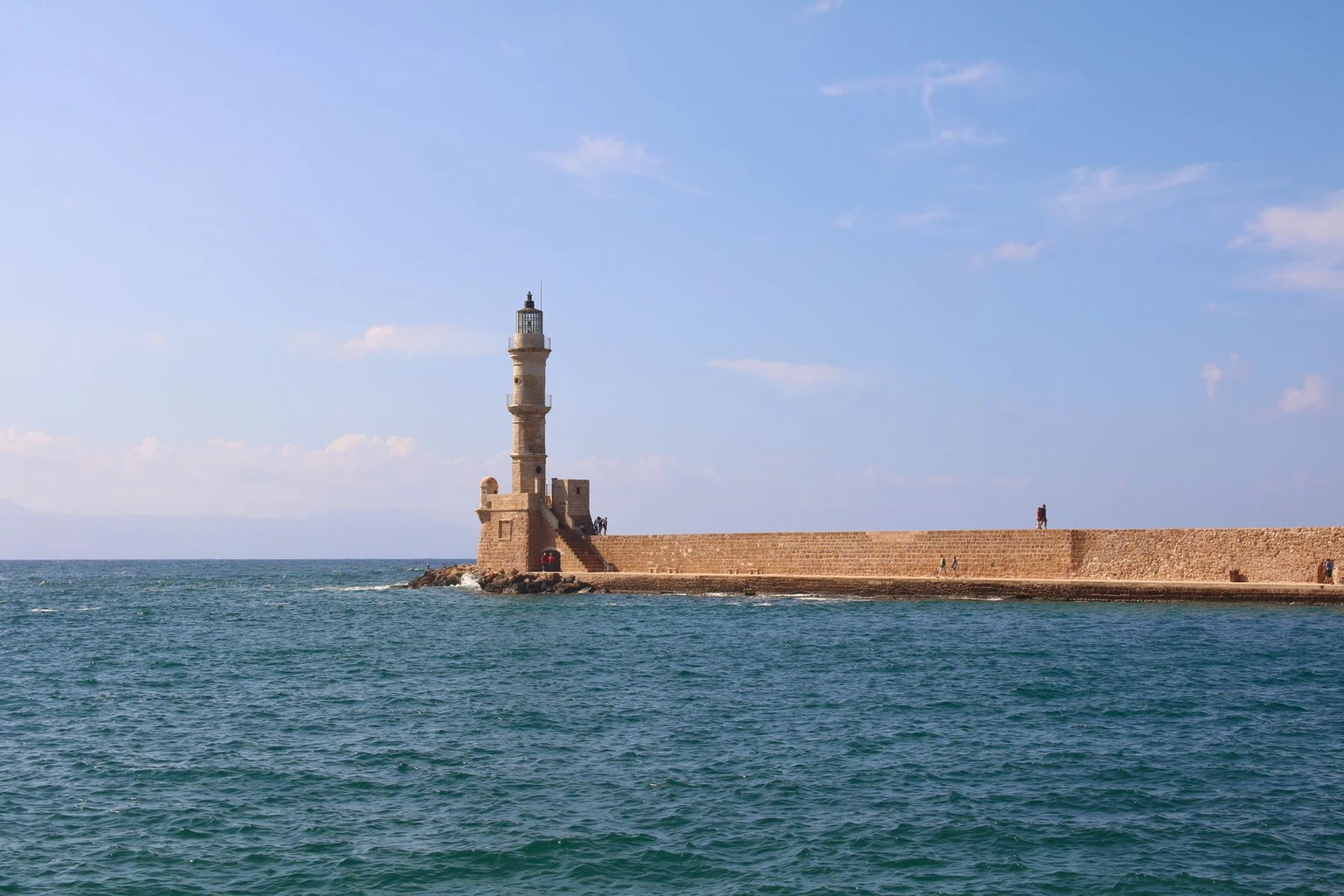
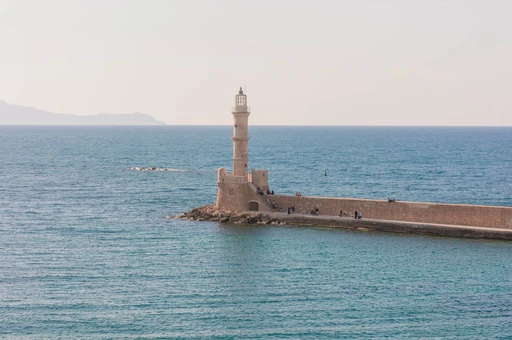
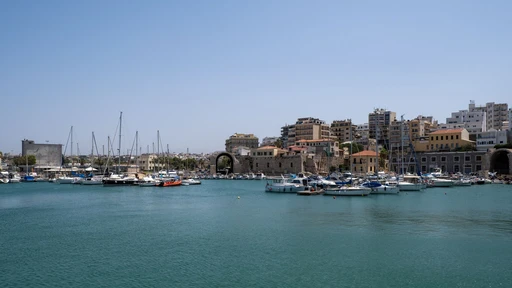
Last morning, and the harbor looks exactly as it did when you arrived, which feels a little rude of it.
A week ago this was a table of strangers in Heraklion, under the walls where a writer hoped for nothing. Now there is a group chat renamed after Zeus's mother, a camera roll that is mostly one lagoon, and a lot of people to hug, some of whom are on your flight. Kazantzakis was right about being free. He had less to say about goodbyes. Hug everyone. Keep the chat.
Upcoming trips
5 trips
Heraklion → Chania·8 days
Coordinator
?To be announced
$2,069 / person
Available
Heraklion → Chania·8 days
Coordinator
?To be announced
$2,069 / person
Available
Sun 20–Sun 27 Jun
Heraklion → Chania·8 days
Coordinator
?To be announced
$2,069 / person
Available
Heraklion → Chania·8 days
Coordinator
?To be announced
$2,069 / person
Available
Sun 19–Sun 26 Sep
Heraklion → Chania·8 days
Coordinator
?To be announced
$2,069 / person
Available
Ask us to run one for your group →
Paying and canceling
Canceling is free until a trip confirms. From the day it does: