Iceland in Summer
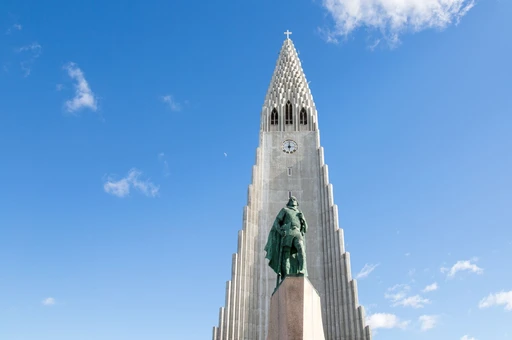 Reykjavík
→
 Laugarvatn
→
 Hvolsvöllur
→
 Vík
What you’ll remember
5 of them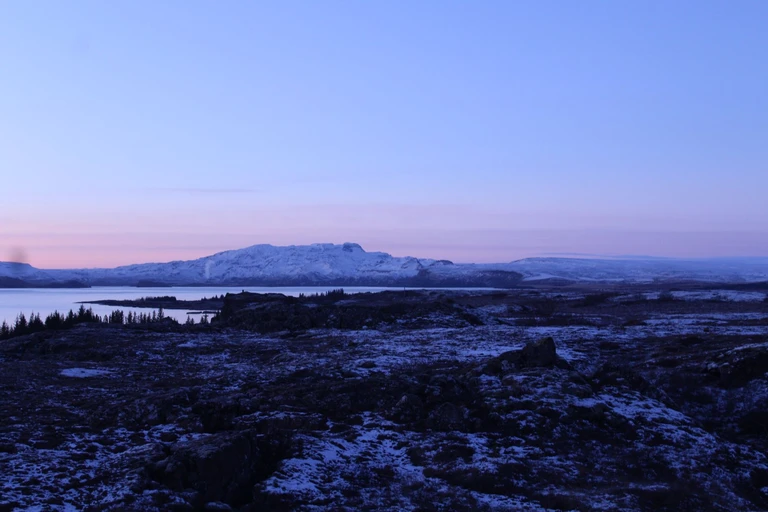 Day 2
Float in the gap between two continents
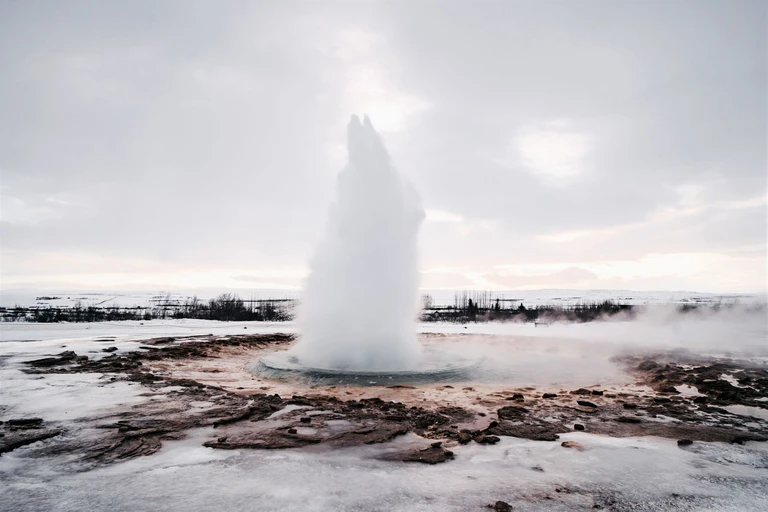 Day 3
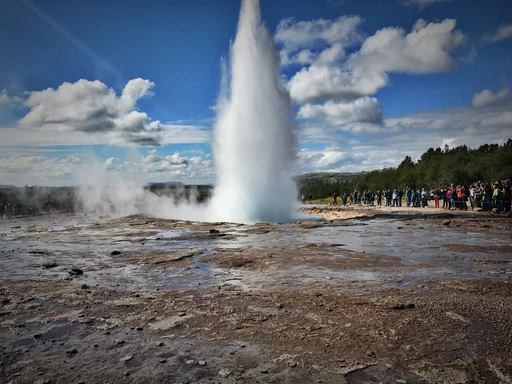
Watch a geyser throw boiling water fifteen meters into the air
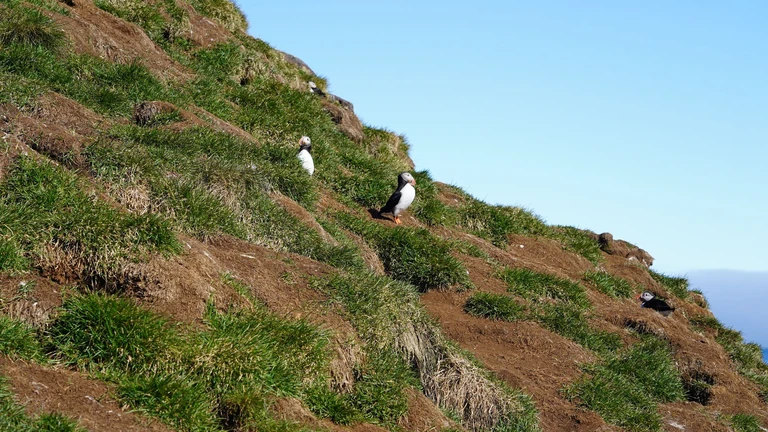 Day 4
Sit above the largest puffin colony on Earth
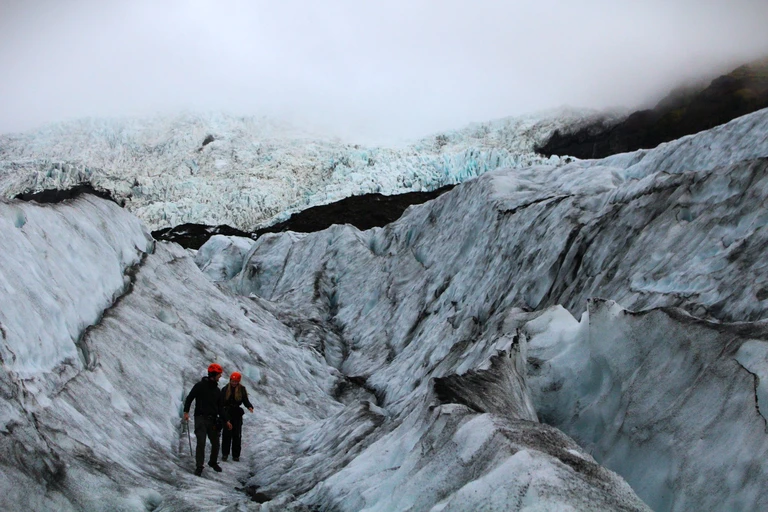 Day 5
Walk up a glacier in crampons, above where its ice ended thirty years ago
 Day 6
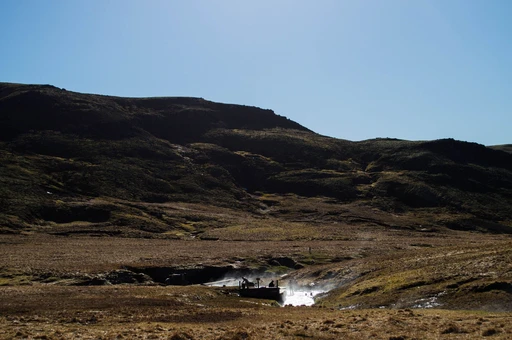
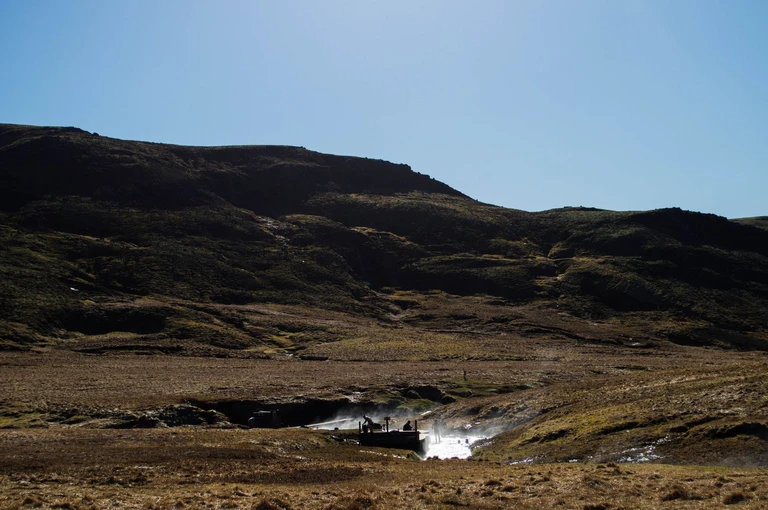
Bathe in a river that runs hot out of a hillside
What’s included
- Hotels every night
- Breakfast every morning
- Welcome dinner in Reykjavík
- 2 dinners
- Farewell dinner in Reykjavík
- All transport during the trip
- Snorkeling in Silfra
- Geothermal lagoon
- Geothermal rye bread
- A Reykjavík city pool
- All entry tickets
- Glacier hike
About this trip
You float face down over a crack in the ground at Silfra, in water two to four degrees above freezing and so clear you can see a hundred meters through it, and the only sound is your own breathing. That afternoon you sit in hot water by a lake and eat rye bread somebody has just dug out of the sand.
The whole week swings like that, cold and then hot. A gorge you wade into to stand under a waterfall that hides inside it. An island that emptied in a single night when a volcano opened beside the town, and the cliffs above the largest puffin colony on Earth. A glacier, in crampons. On the last afternoon, a river that runs warm out of a hillside, where you walk upstream until it is the temperature you want and get in.
Seven days from Reykjavík and back, starting as strangers in a city hot tub, with evenings that do not get around to ending.
Day by day
7 daysThe Hot Tub Is Where Iceland Talks
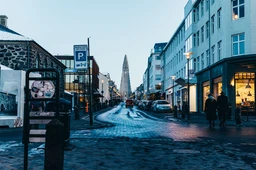 Reykjavík
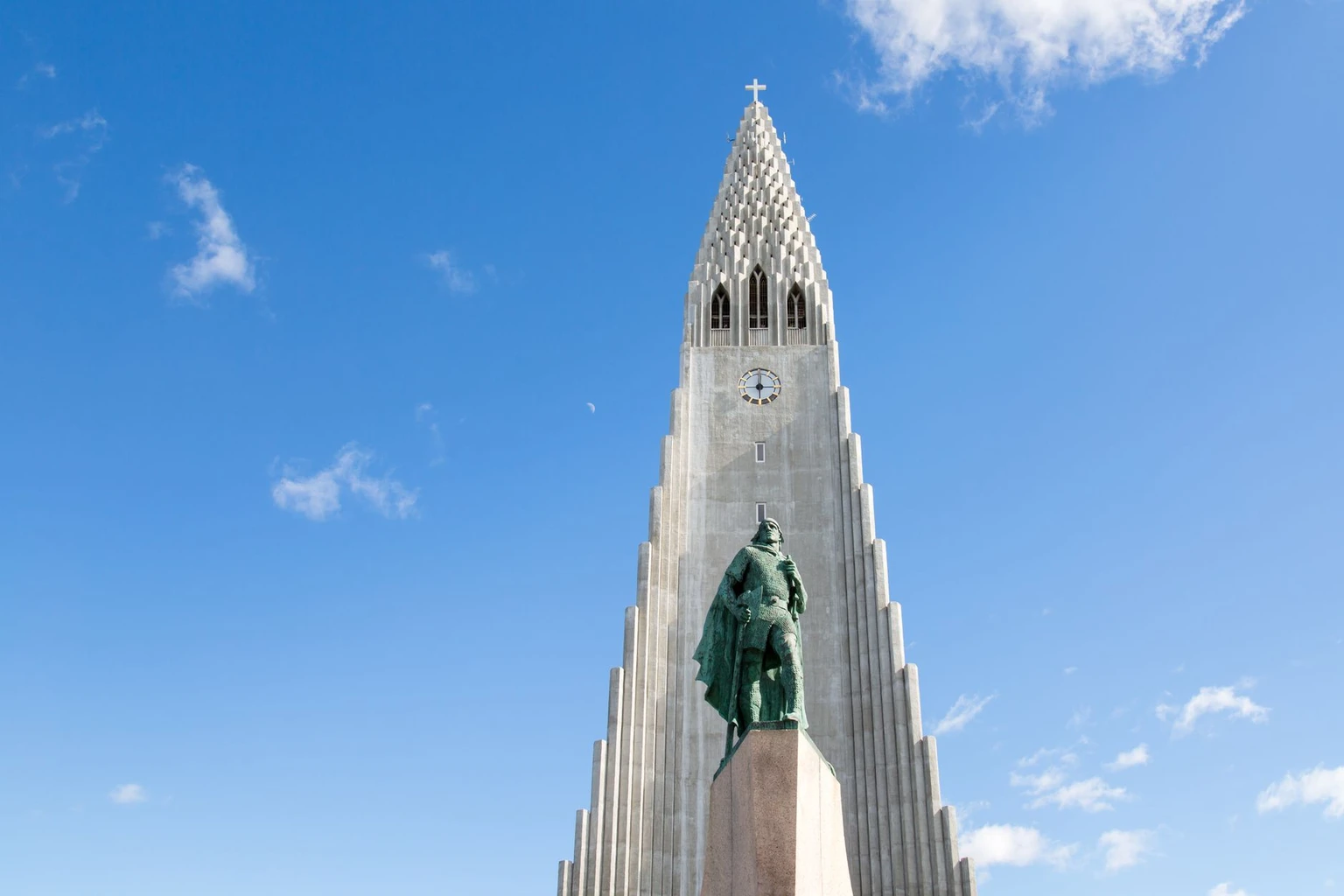
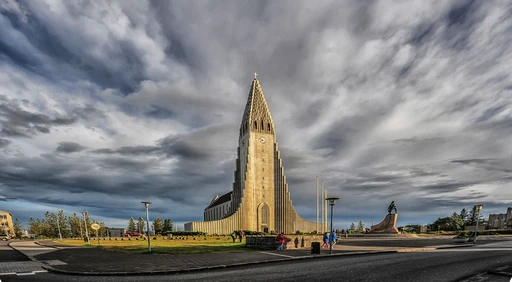
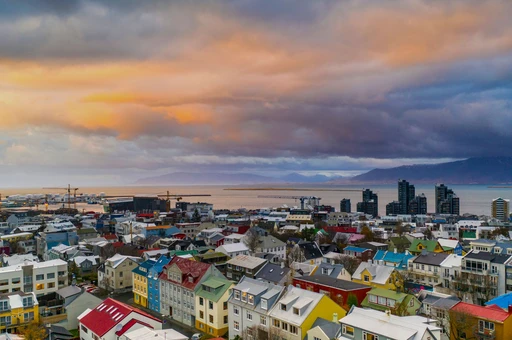
In December 2025 UNESCO added Iceland's swimming pools to its list of the world's living heritage. Not a building. A habit. The country has more than 120 public pools, Reykjavík runs eight of them, and the hot tub is where people settle the weather, the government and the football.
So that is where the trip starts. Your coordinator meets the group in the early evening and takes you to one of the city pools, water warmed by the ground underneath it, for half an hour of being strangers in the same tub. It turns out to be an excellent place to meet people. Nobody is holding a phone and everybody is equally damp.
Then the welcome dinner, and the first of a lot of evenings that stay light far longer than seems reasonable. Day 7 comes back to this tub, with company you will know a great deal better.
Thirty Years Underground, Forty Minutes With You
Reykjavík
 Þingvellir National Park
 Silfra
Laugarvatn
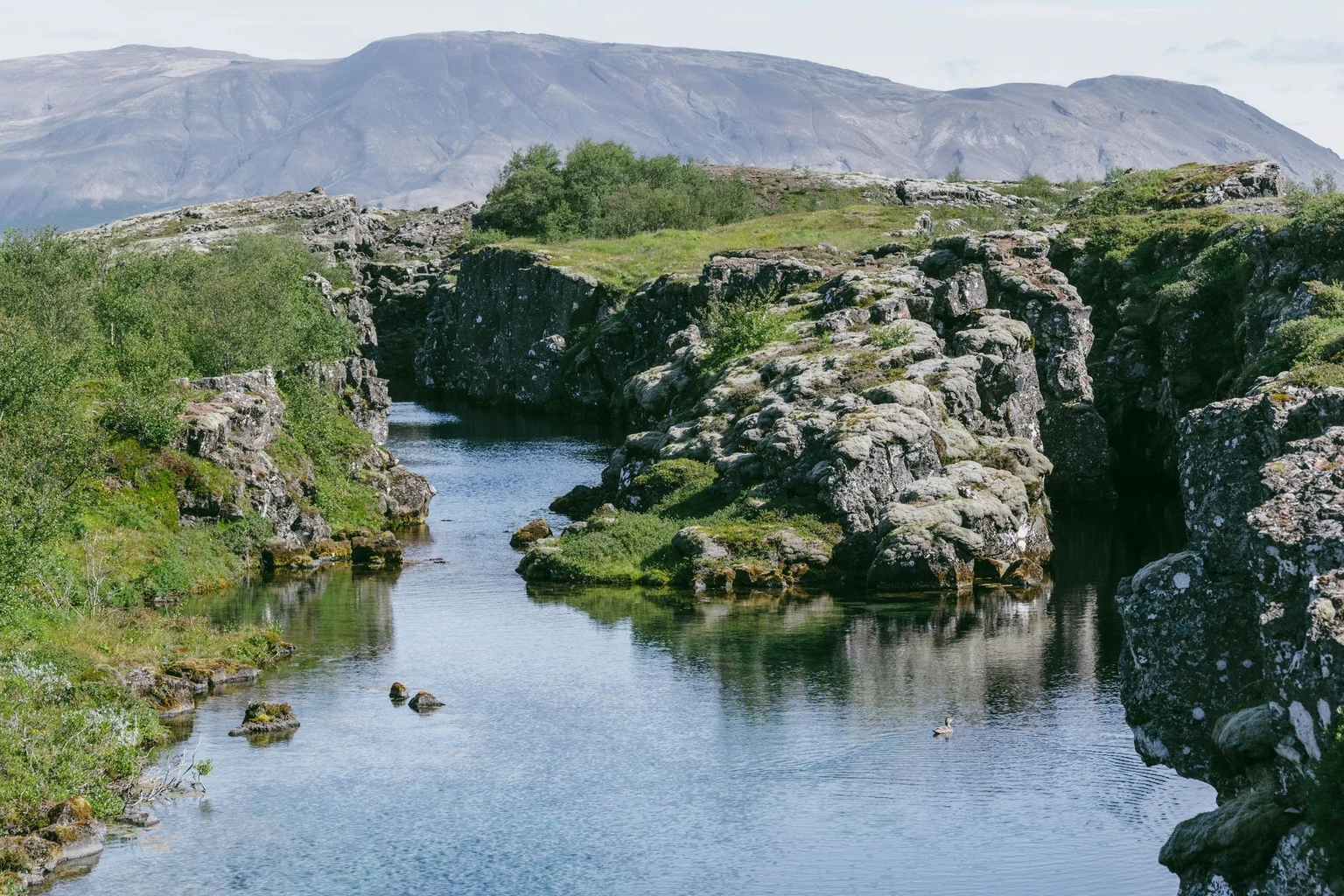
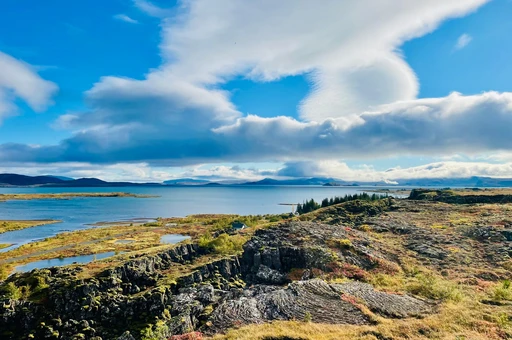
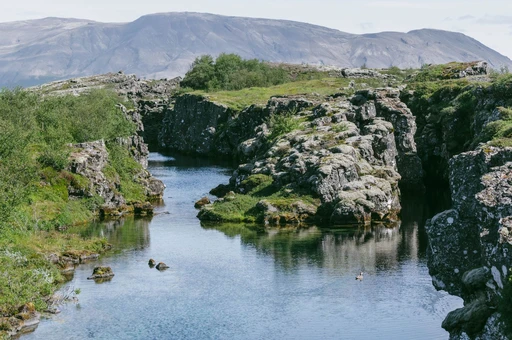
The water in Silfra fell as snow on Langjökull and then spent about thirty years seeping through lava to get here. It arrives so filtered that on a good day you can see around a hundred meters through it, which is the whole point. You float face down in a drysuit over a crack in the ground, with the North American plate on one side of you and a great deal of very clear nothing underneath.
It is cold. Two to four degrees, all year, and only your face and hands find out. Thirty to forty minutes in the water, six people to a guide, hot chocolate after. Anyone the snorkel rules leave out spends the morning walking the rift with the coordinator instead, and gets to the hot water first.
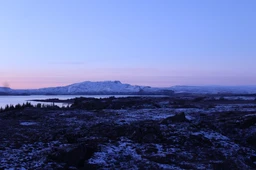
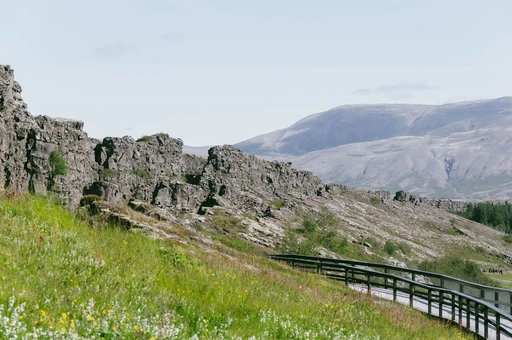
Then Þingvellir on foot, where Iceland's parliament began meeting around 930 and a lawspeaker recited the laws from memory to whoever turned up. The afternoon is the other end of the thermometer: hot baths beside the lake at Laugarvatn, and rye bread lifted out of the black sand after a full day baking in the ground. Icelanders call it thunder bread. Ask why after dinner, not during.
Every Geyser on Earth Is Named After This One
Laugarvatn
 Strokkur
Gullfoss
 Seljalandsfoss
Hvolsvöllur
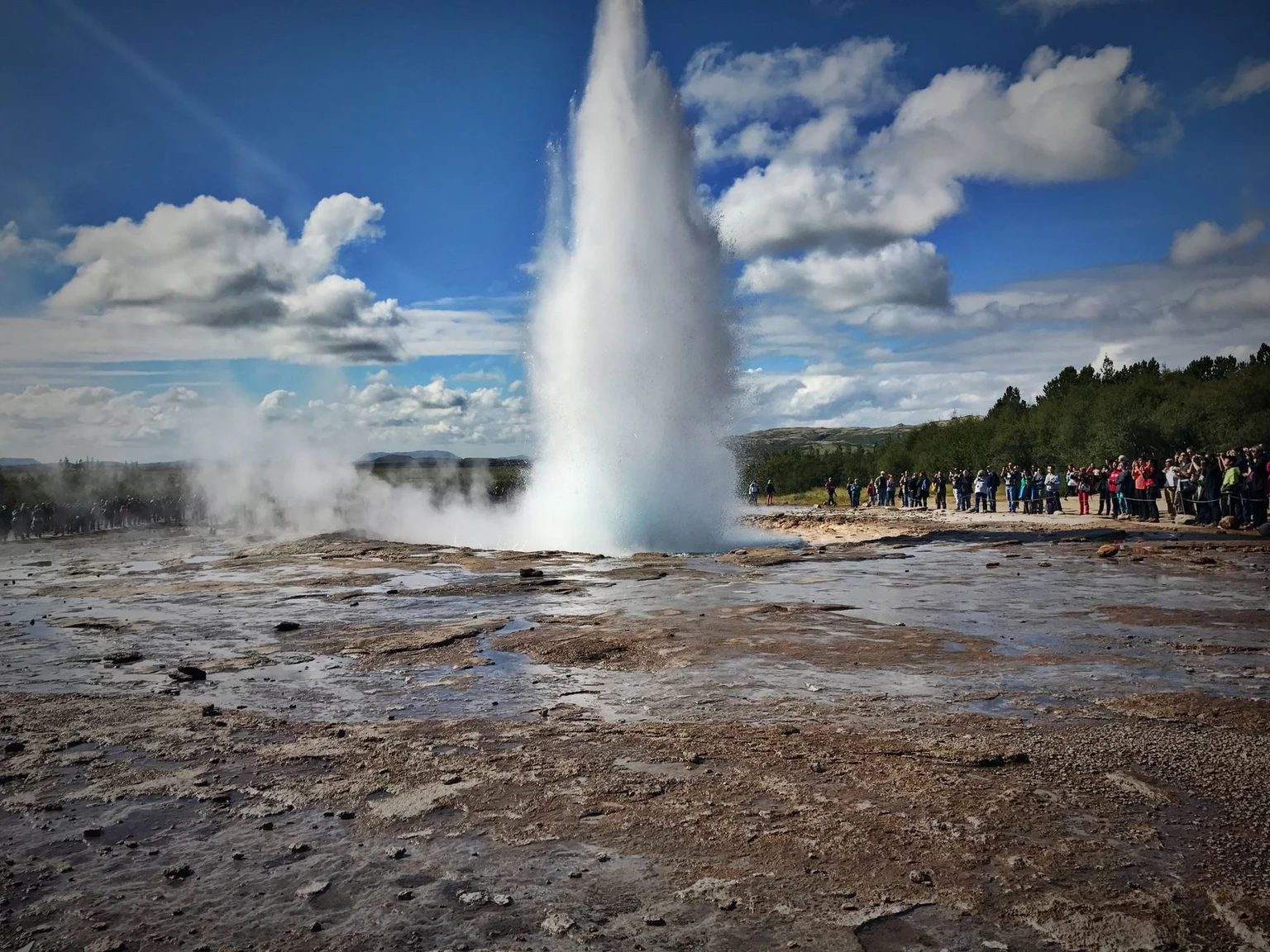
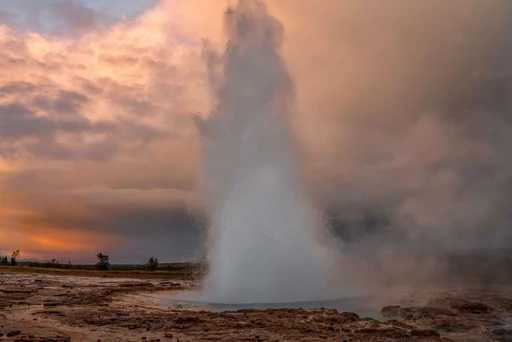
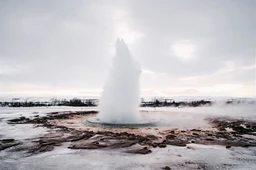
Every geyser on Earth borrows its name from one in a valley in the south of Iceland, from an old word meaning to gush. Geysir itself mostly rests these days, which is one way to handle being famous. Its neighbor Strokkur, fifty meters away, does the work: every six to ten minutes, usually fifteen to twenty meters up, and the whole group still jumps at the fourth one.
Then Gullfoss, 32 meters in two steps into a canyon. In 1907 its owners agreed to let a dam be built across it. Sigríður Tómasdóttir, born on the farm beside it, fought the deal for years and is said to have threatened to throw herself in. The dam never came.
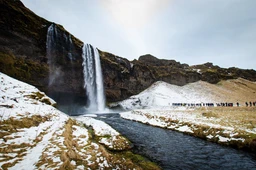
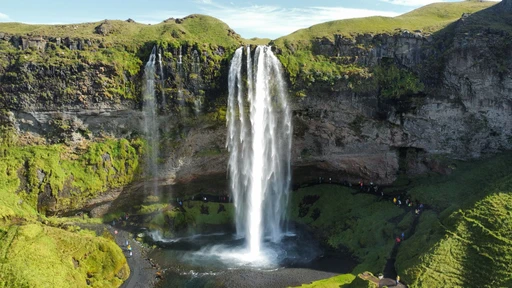
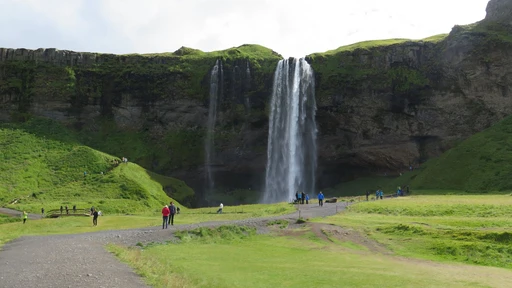
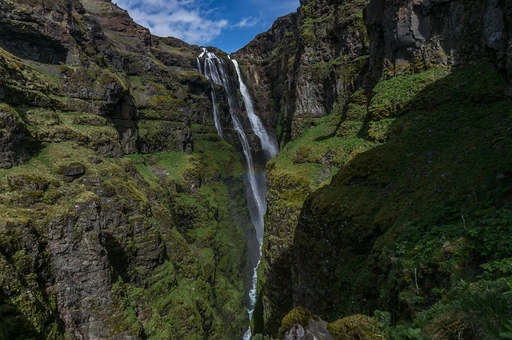
The evening is the good bit. Seljalandsfoss, which in summer you can walk all the way around behind, and a short way along it Gljúfrabúi, a second waterfall hiding inside its own gorge. You reach it by wading in, and the water is very much the cold end of the week. Bring the shoes you love least.
The Night Everybody Left
Hvolsvöllur
Landeyjahöfn
 Heimaey
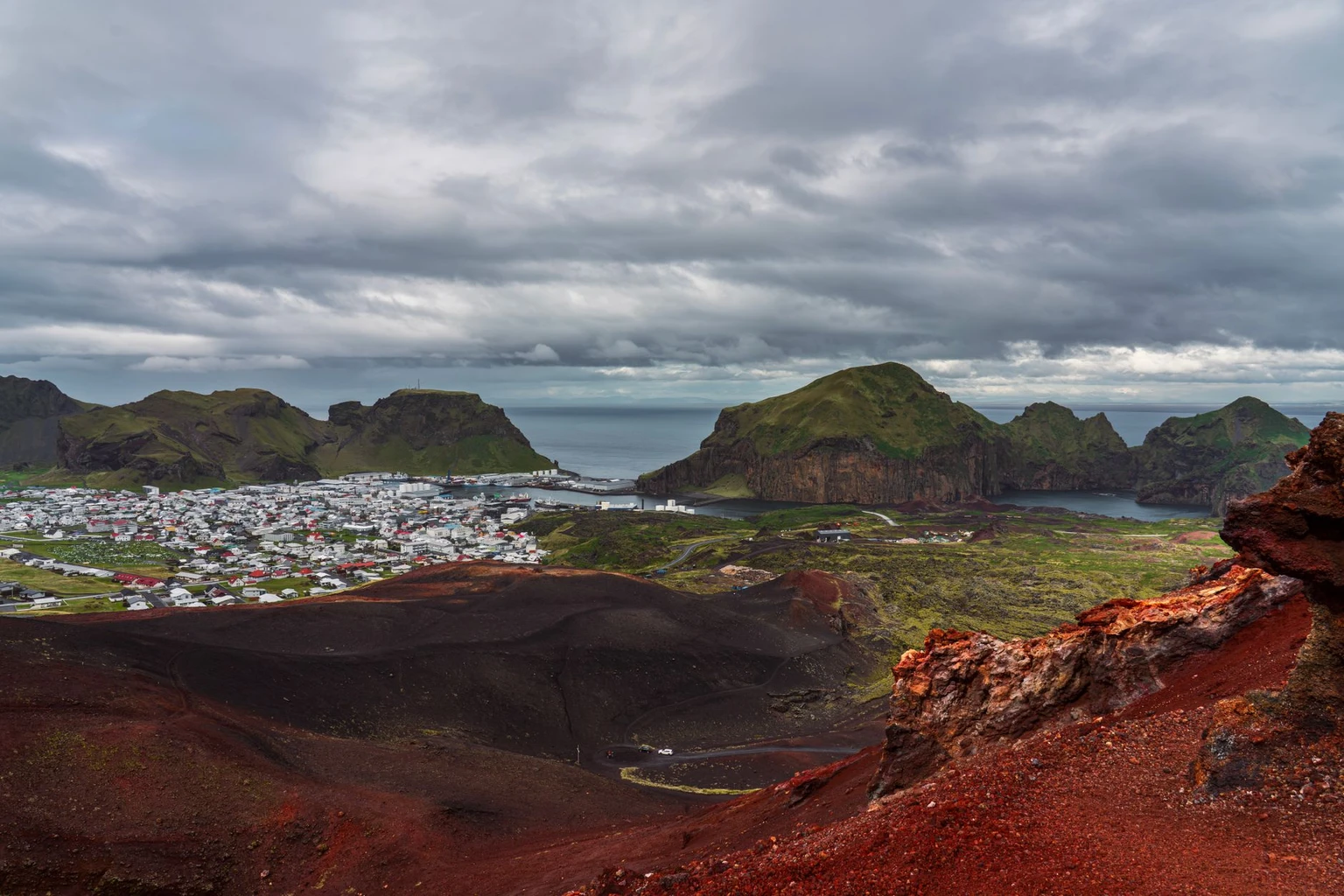
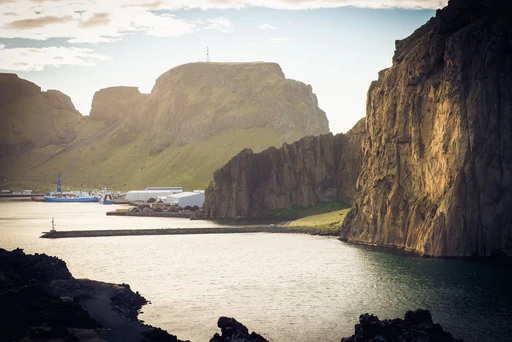
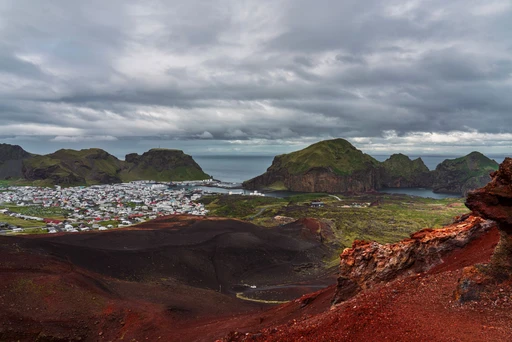
At about two in the morning on 23 January 1973 the ground split open beside the only town on Heimaey. Within six hours almost all of its 5,300 people were on the mainland, most of them by boat. Fewer people live here today than left that night.
The eruption ran for five months and built a new mountain at the edge of town. The islanders answered a volcano with the coldest thing they had: crews pumped more than seven million cubic meters of seawater onto the lava, and it stopped about a hundred meters short of closing the harbor. One of the houses the ash buried has been dug back out, and you can look inside it.
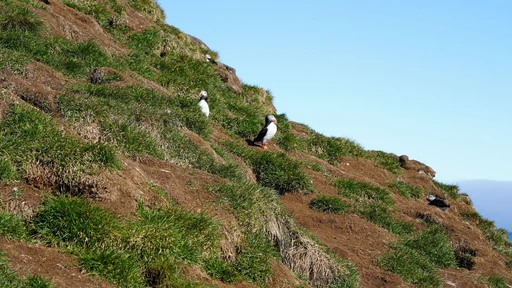
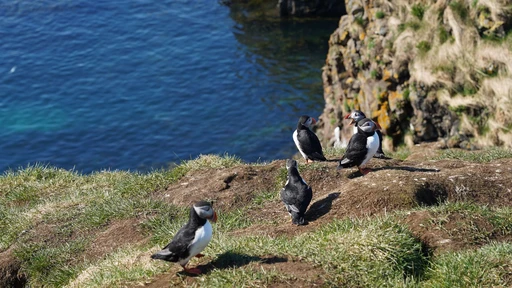
Then the other reason to cross. The cliffs of these islands hold the largest puffin colony on the planet, somewhere around 800,000 pairs, and you get the afternoon on the cliff tops above them. Dinner by the harbor the lava nearly took, and the boat back in the long light.
The Class That Measures the Glacier
Heimaey
Hvolsvöllur
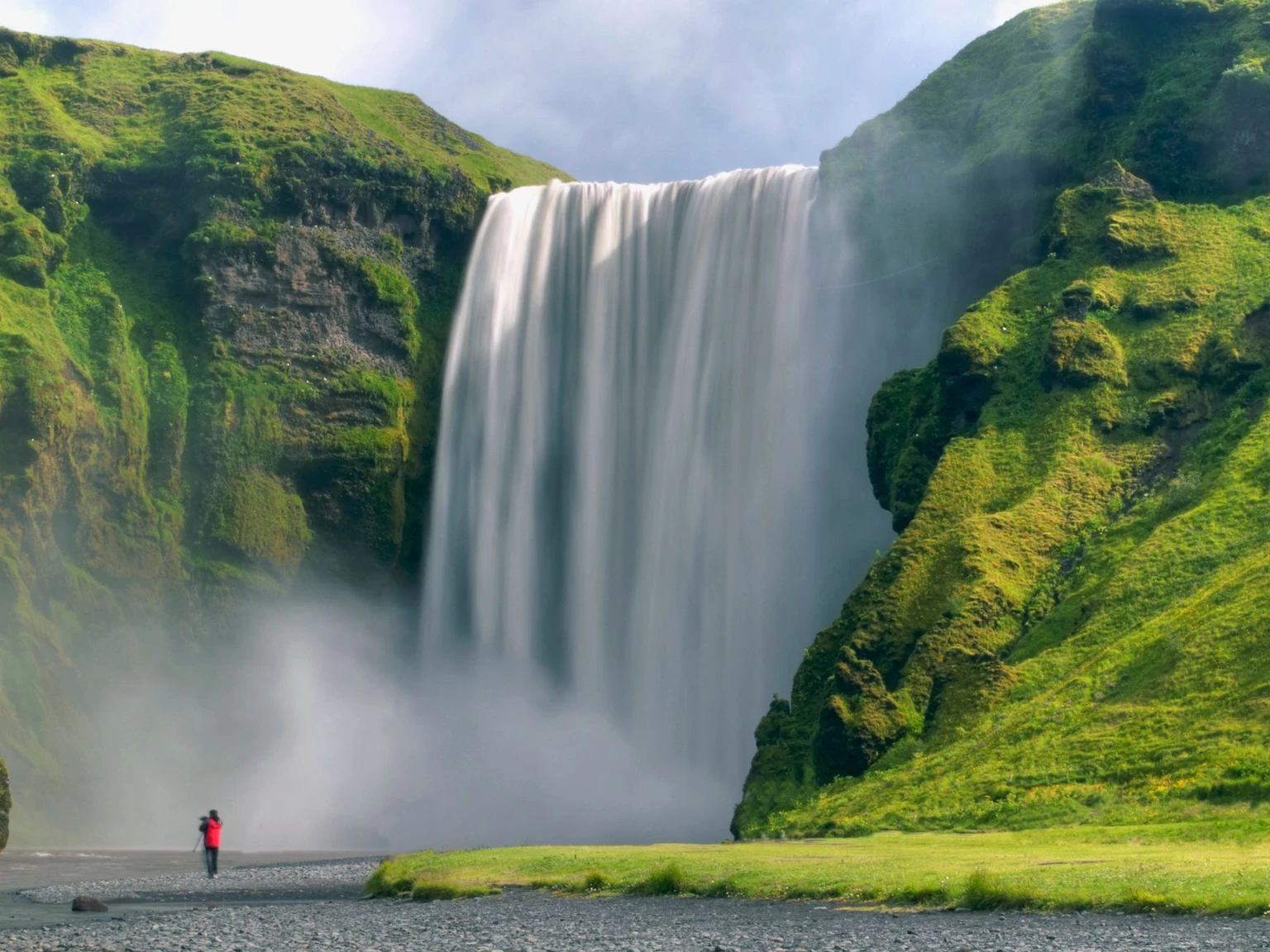
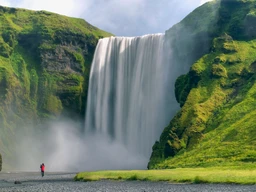 Skógafoss
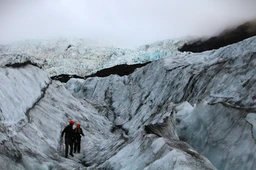 Sólheimajökull
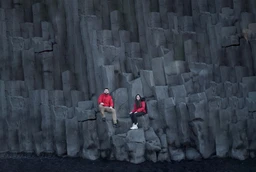 Reynisfjara
Vík
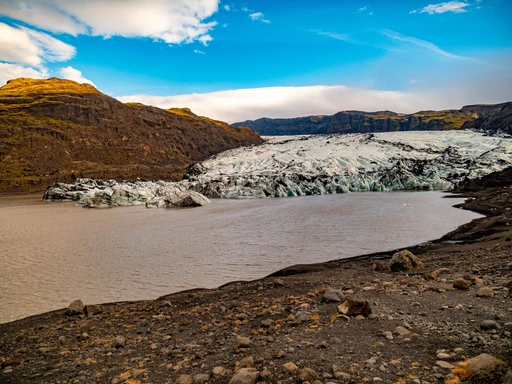
Every October since 2010, the seventh grade from the school in Hvolsvöllur, the town you have slept in for the last two nights, walks out to a sign in front of Sólheimajökull and measures how far away the ice has moved. By 2021 the answer was more than four hundred meters. They were still at it in 2025. Fifteen years of homework, and the answer keeps getting bigger.
Today you walk on what is left: crampons on, a guide in front, on an eleven-kilometer tongue of ice sliding off Mýrdalsjökull. It is a careful walk rather than a climb.
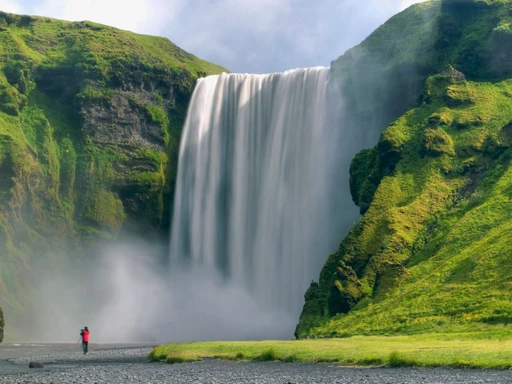
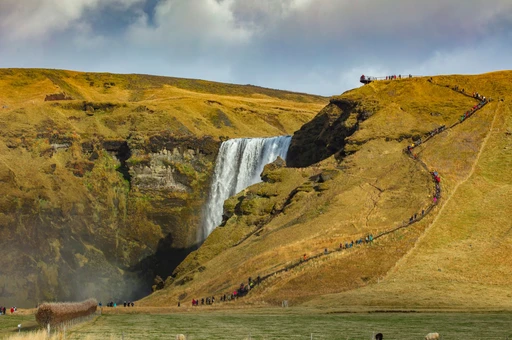
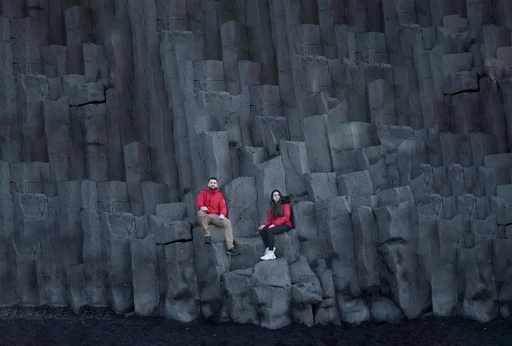
Before the ice, Skógafoss, sixty meters of falling water with a settler's chest of gold said to be hidden behind it. Somebody once got close enough to tear the ring off its side, and the ring is in the museum down the road. After the ice, Reynisfjara, the black beach, where you keep well back and let the waves do whatever they like. Vík tonight.
The Other End of the Thermometer
Vík
 Reykjadalur
Reykjavík
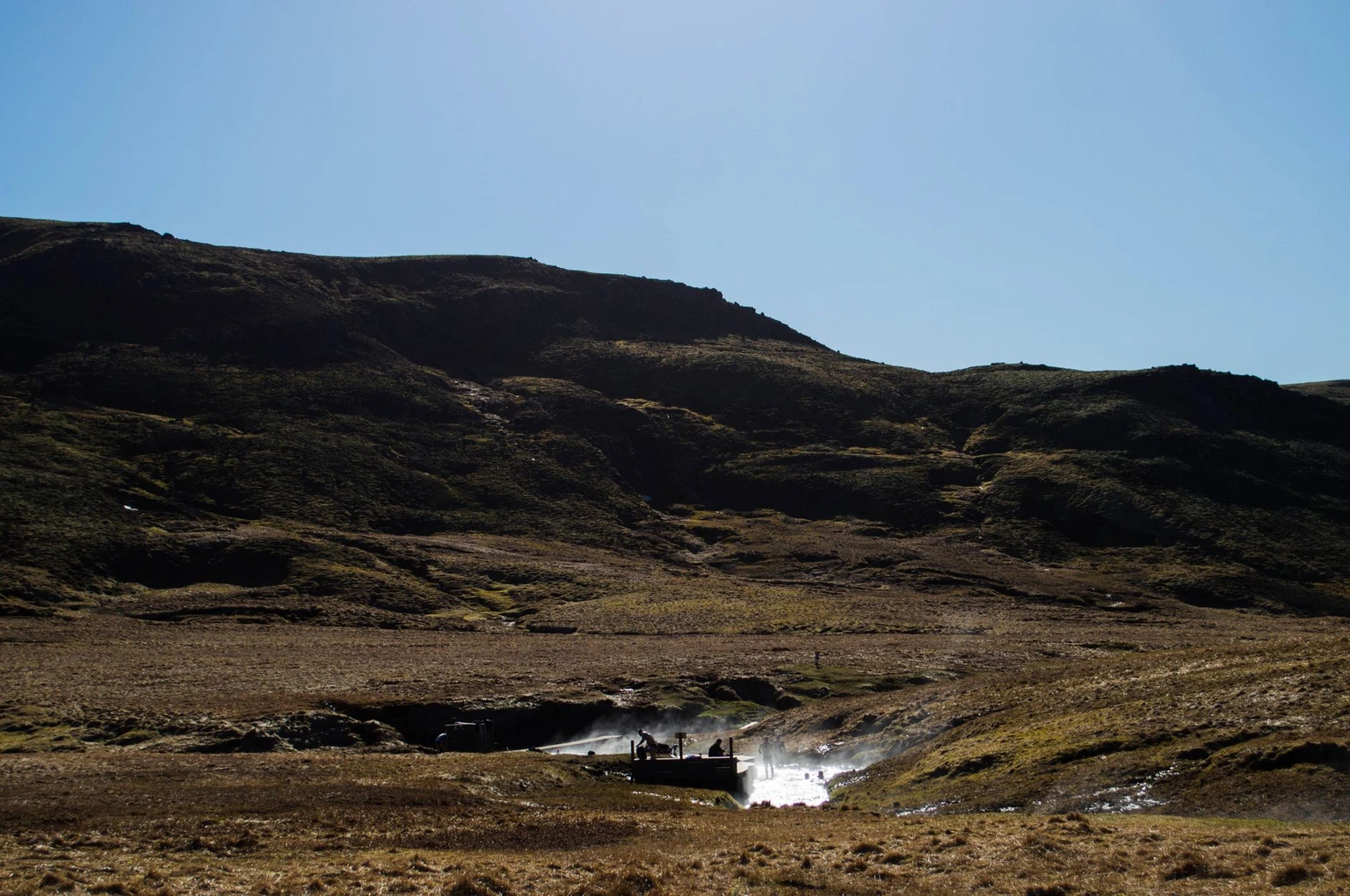
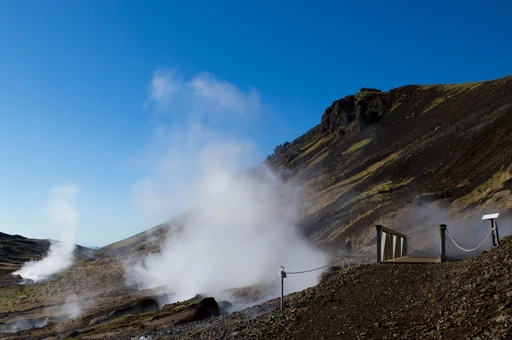
On day 2 you floated in water two to four degrees above freezing. Today is the other end of the thermometer.
The morning is the drive back west from Vík, the same coast in reverse, and it is a travel morning. Nothing to report. Then Reykjadalur, a valley above Hveragerði where steam comes straight out of the hillside. About an hour uphill on a path through ground that smokes, and at the top a stream fed by hot springs: hot where they come in, cooler further down. Walk along it until it is the temperature you want, and get in. Everybody's number is different, and everybody finds it.
Back in Reykjavík for the farewell dinner, where a group that has snorkeled a fissure, walked a glacier and sat above a cliff full of puffins tries to agree on the best day, and does not.
Same Tub, Better Company
Reykjavík
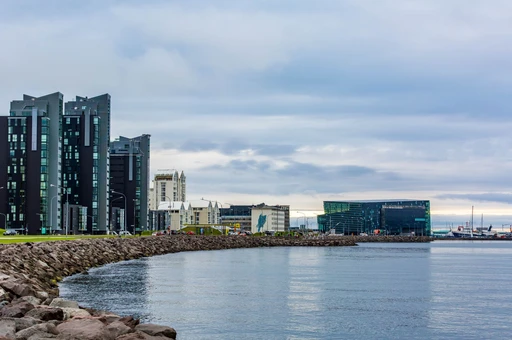
On day 1 you sat in a hot tub with strangers. If your flight allows it, the city pools are open this morning, and it is a different tub entirely when everyone in it has waded into a gorge with you.
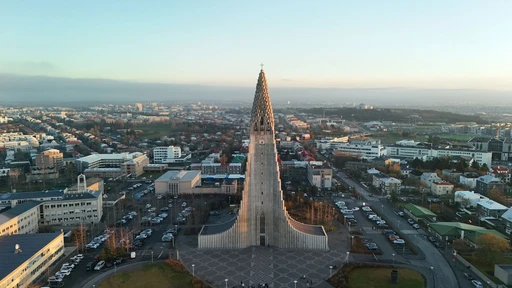
Then the goodbyes. A group chat renamed to something nobody outside it will ever understand. A camera roll that is mostly puffins and the backs of drysuit hoods. At least one person already looking at next summer. Hugs outside the hotel, which is where this was always going to end.
Upcoming trips
6 trips
Reykjavík·7 days
Coordinator
?To be announced
$3,399 / person
Available
Reykjavík·7 days
Coordinator
?To be announced
$3,399 / person
Available
Sat 26 Jun–Fri 2 Jul
Reykjavík·7 days
Coordinator
?To be announced
$3,399 / person
Available
Reykjavík·7 days
Coordinator
?To be announced
$3,399 / person
Available
Sat 24–Fri 30 Jul
Reykjavík·7 days
Coordinator
?To be announced
$3,399 / person
Available
Reykjavík·7 days
Coordinator
?To be announced
$3,399 / person
Available
Ask us to run one for your group →
Paying and canceling
Canceling is free until a trip confirms. From the day it does: