Lofoten, Where the Sun Stays Up
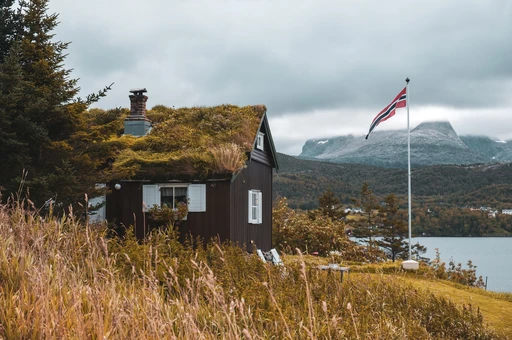 Bodø
→
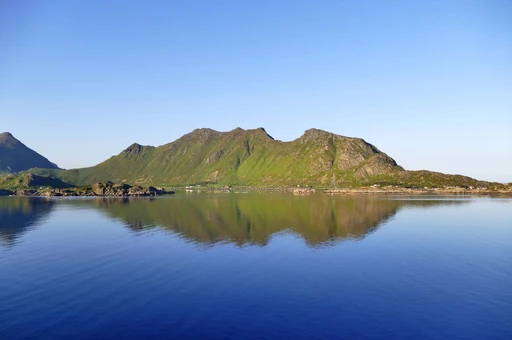 Å
→
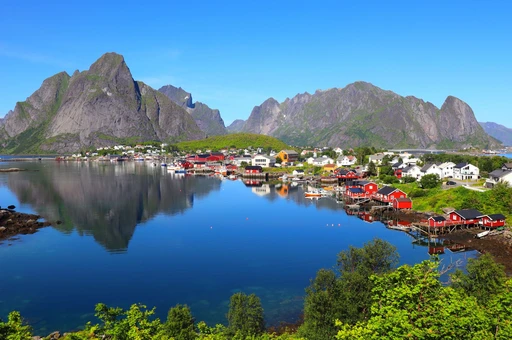 Reine
→
 Nusfjord
→
 Leknes
→
Uttakleiv
→…
What you’ll remember
2 of them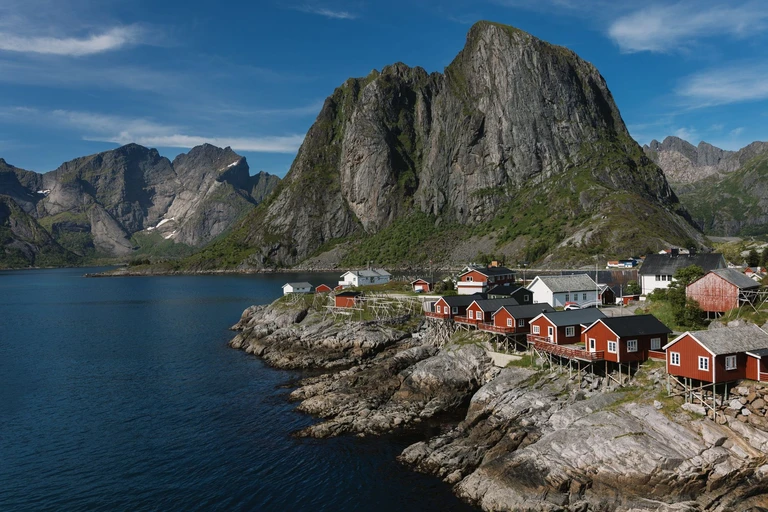
What’s included
- Hotels every night
- Breakfast every morning
- Welcome dinner in Bodø
- All transport during the trip
- All entry tickets
- Boat into the maelstrom
- Lunch
- Dinner on Vestvågøy
- Midnight sun night
- Midnight kayak
- Farewell dinner in Svolvær
About this trip
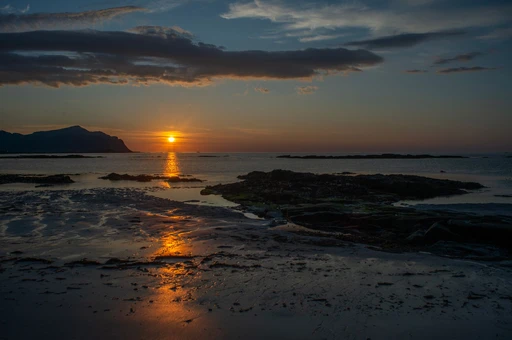
It is ten past one in the morning on a beach on the Arctic side of Lofoten. The sun has spent the last hour sliding along the edge of the sea, and now it is climbing again without having set. Somebody has a thermos. Somebody else has quietly stopped pretending they are going to bed.
Before that night you cross Vestfjorden and watch a wall of mountains come up out of the water, sleep in fishermen's cabins standing on stilts over the harbor, and take a fast boat into the whirlpool Edgar Allan Poe made famous in 1841. The night after it you paddle out from a beach at midnight in full daylight, with people you met over dinner in Bodø four days earlier. The sun does this here for about seven weeks a year. This trip is in them.
Day by day
7 daysThe Spy Plane Was Supposed to Land Here
 Bodø
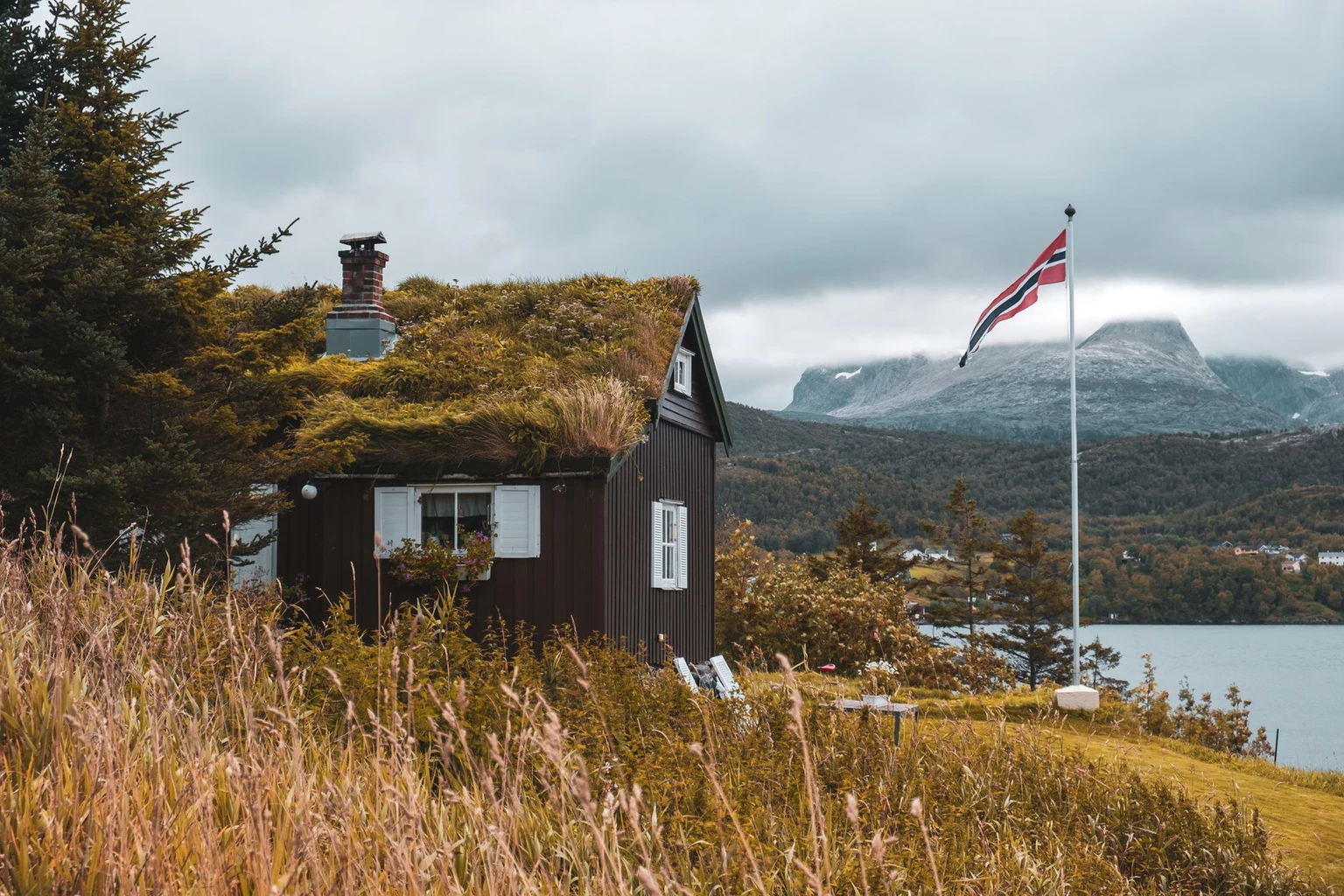
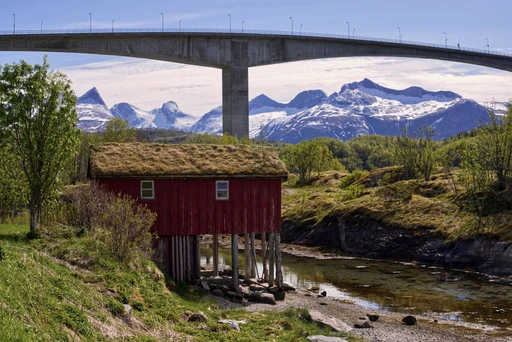
On 1 May 1960 an American spy plane took off from Pakistan to fly straight across the Soviet Union and land here, in Bodø. It was shot down somewhere in the middle, and Bodø got its moment of international attention without the plane ever arriving.
You will have better luck. Your coordinator meets the group in the evening for a walk along the harbor, then the welcome dinner, where the group chat gets its first members and its first argument about what to call itself.
Then the thing nobody quite believes until they see it. It does not get dark tonight. It will not get dark for the next six nights either, and on day 4 you will be sitting on a beach at one in the morning to watch the sun prove it.
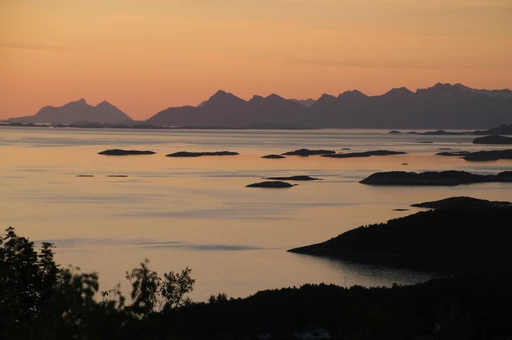 © Gerd Eichmann · CC BY-SA 4.0
A Wall Comes Up Out of the Sea
Bodø
 Å
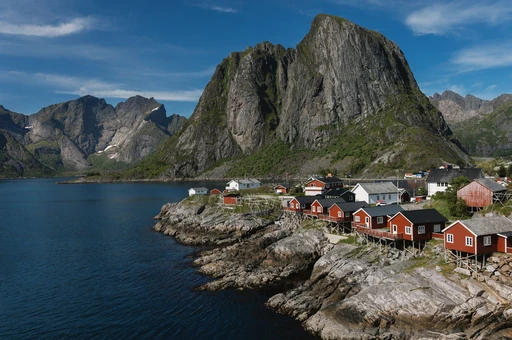
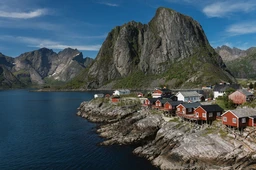 Reine
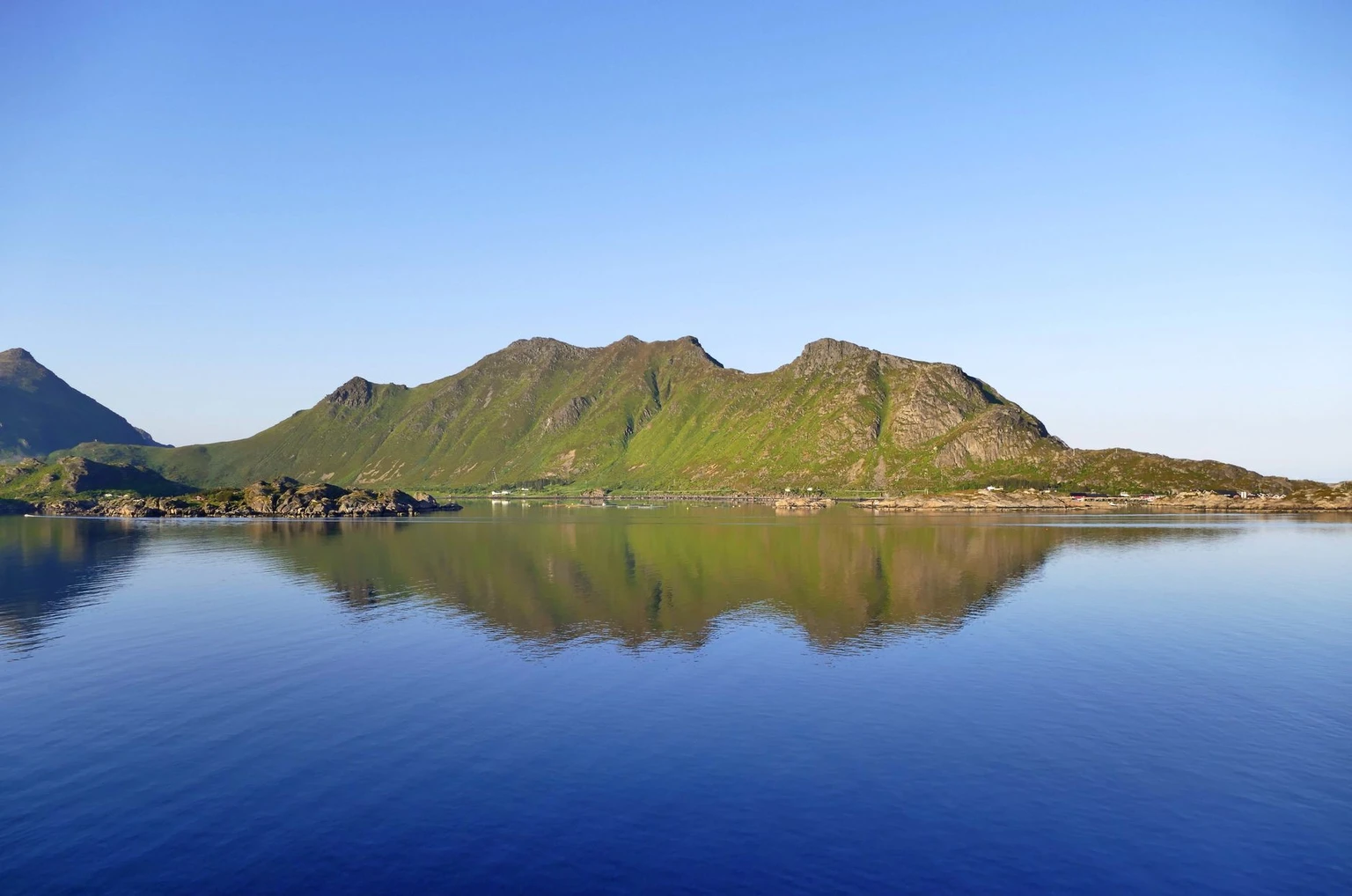
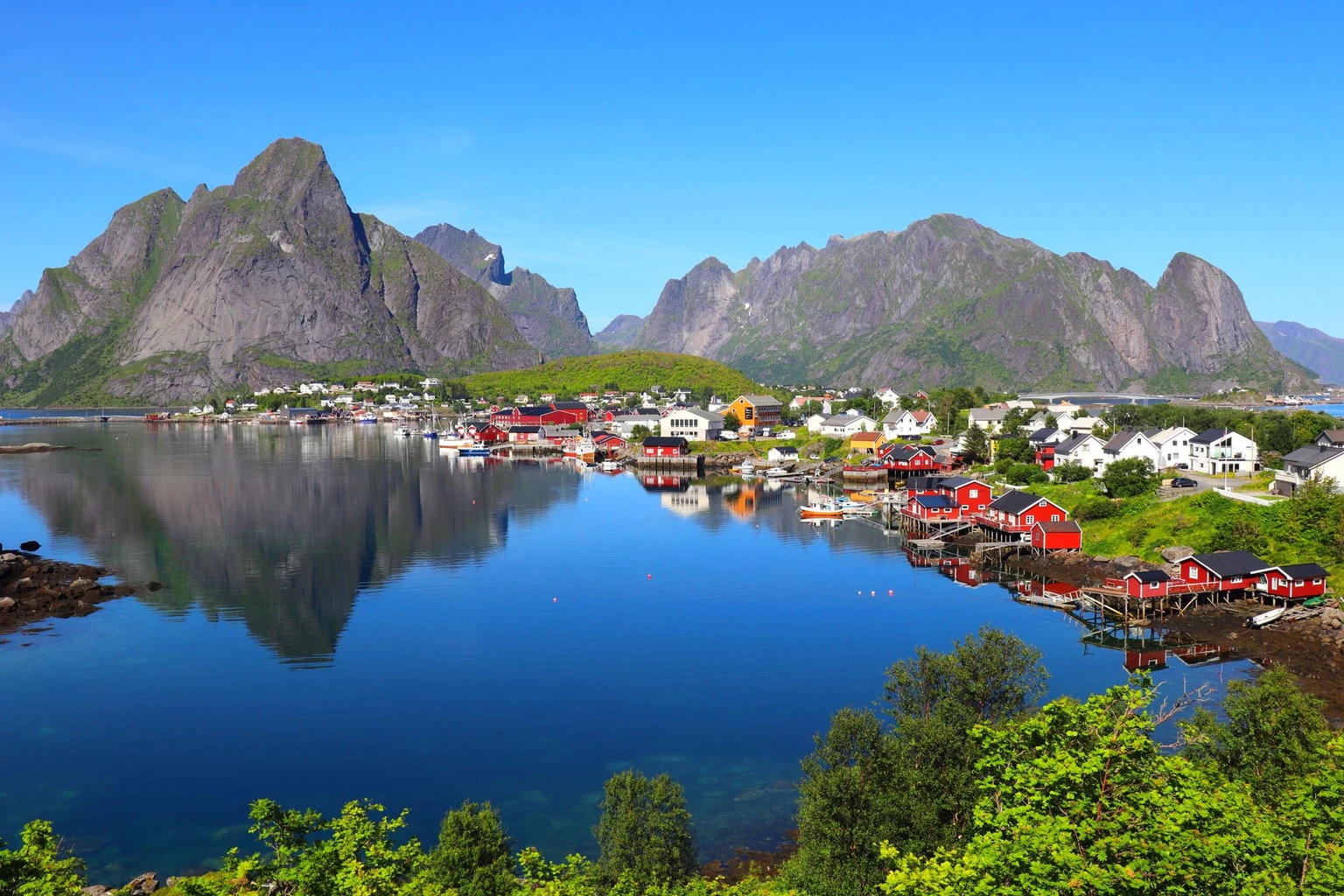
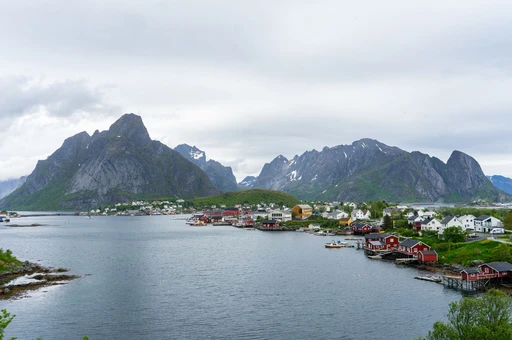
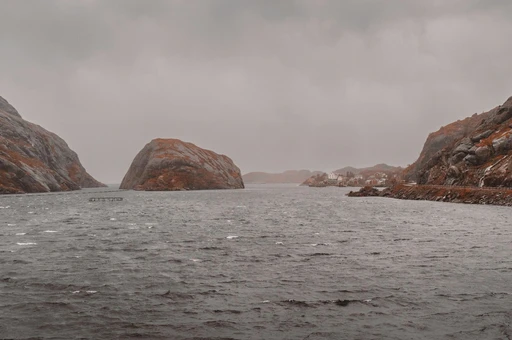
For the first hour across Vestfjorden, Lofoten is a gray line on the horizon. Then it is mountains. Then it is a wall of them, standing straight up out of the sea with nothing in front. Get to the outside deck early. Everybody has the same idea at the same moment.
You land a few minutes from Å, where the E10 runs out of road and the Norwegian alphabet runs out of letters. The whole village is a fishing museum now, with a bakery from the 1800s and a shed where cod liver oil was boiled down. In 1432 a Venetian captain named Pietro Querini was wrecked off Røst, the last speck of these islands, spent months with the people who lived there, and is credited with teaching the Veneto to eat their dried cod. Vicenza's best-known dish is still made with it.
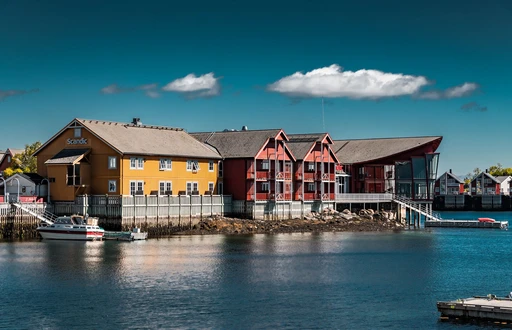
Tonight you sleep in a rorbu, a fisherman's cabin on stilts with the sea underneath. Two nights of that. Day 6 explains who started it.
Poe Never Saw It Either
Reine
 Moskstraumen
Off the tip of Lofoten the tide runs over a shallow ridge between the islands, and the sea twists, boils and moves at up to six knots. Olaus Magnus drew it onto his map of the north in 1539. Edgar Allan Poe sent a fisherman down it in 1841, and Jules Verne sent the Nautilus in 1870. Both were working from other people's exaggerations.
The real thing is less fatal and more fun. A fast boat and a survival suit take you out into it, past an abandoned settlement that was actually called Hell, and along the coast to the mouth of a sea cave where somebody painted small red figures on the walls thousands of years ago. If there are sea eagles about, the skipper will find them. They are not on the payroll.
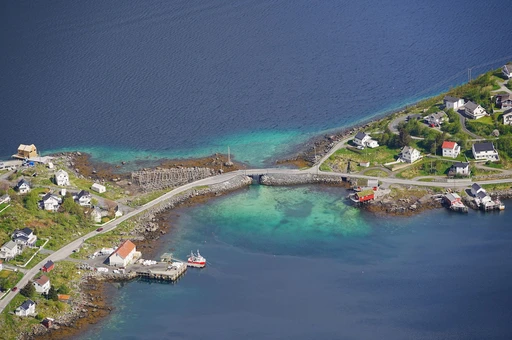
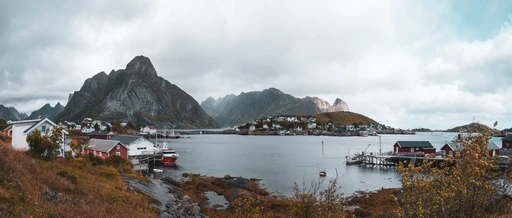
The afternoon is nothing, on purpose: Reine, Hamnøy and the bridges between them, all a short walk apart. Sleep if you can. Tomorrow night you are up until two.
The Sun Goes Down to the Sea and Changes Its Mind
Moskstraumen
Reine
 Nusfjord
 Leknes
 Uttakleiv
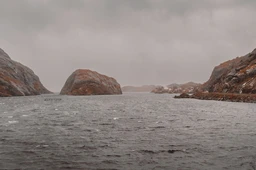
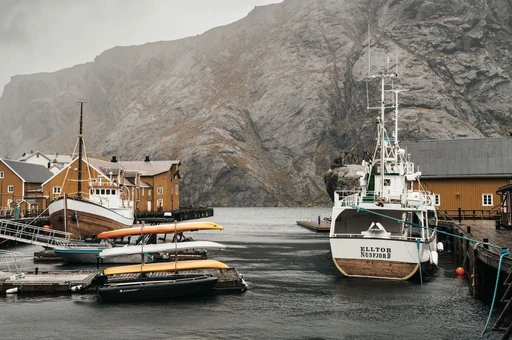
Nusfjord first. In 1975 Norway picked three places to show Europe how old wooden towns ought to be kept: the mining town of Røros, the old quarter of Stavanger, and this, a fishing village tucked into a crack in the rock. The boathouses, the shop and the boardwalks are still where the fishermen left them, and an hour covers all of it.
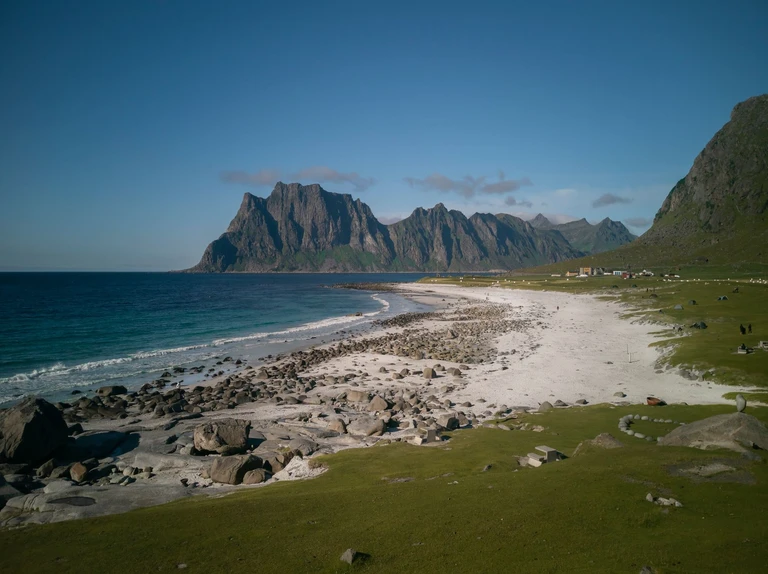
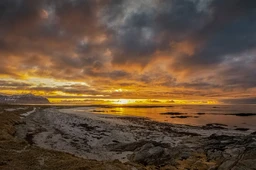
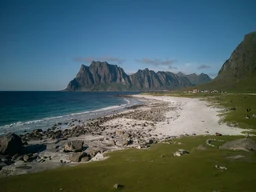
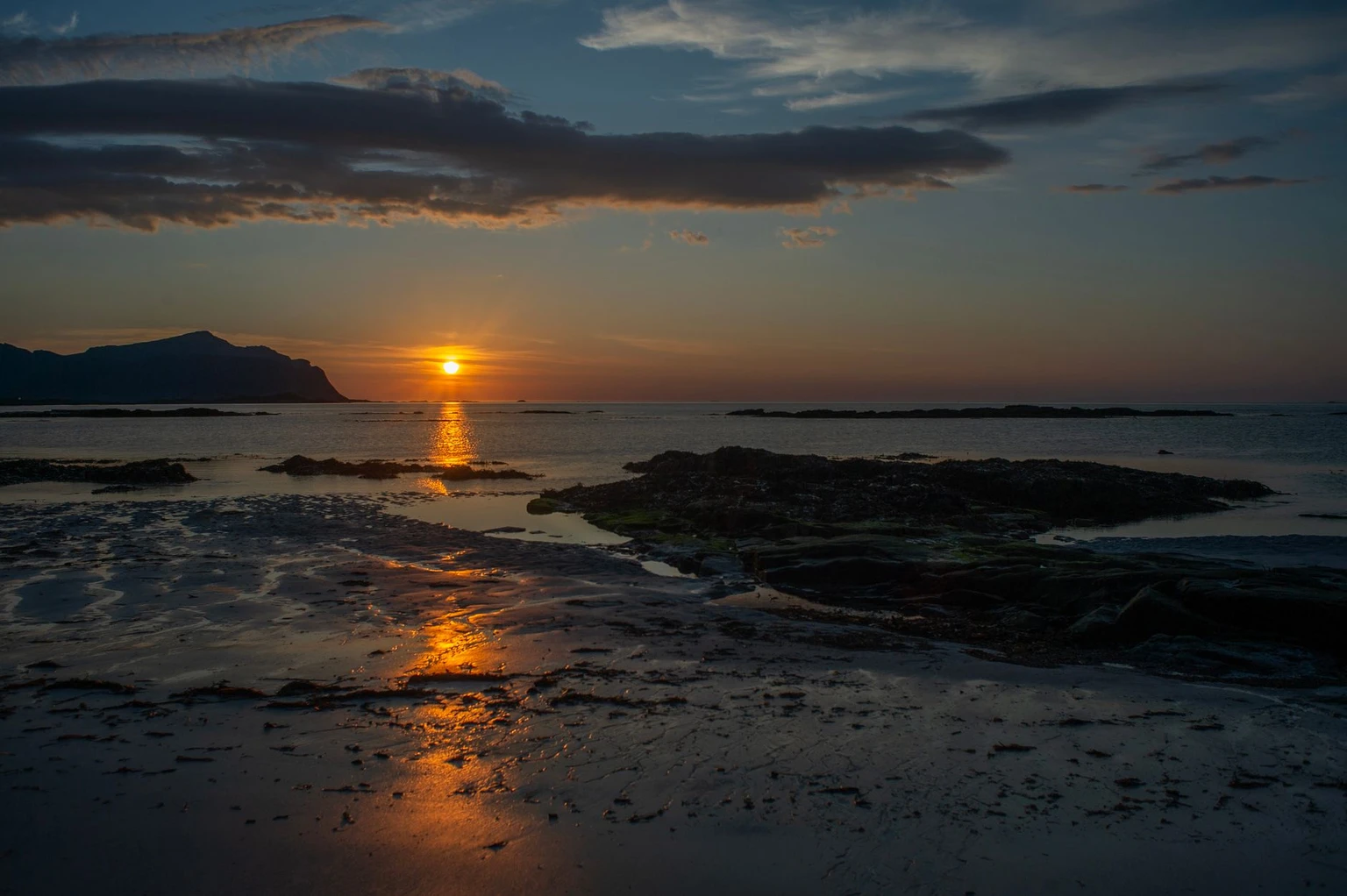
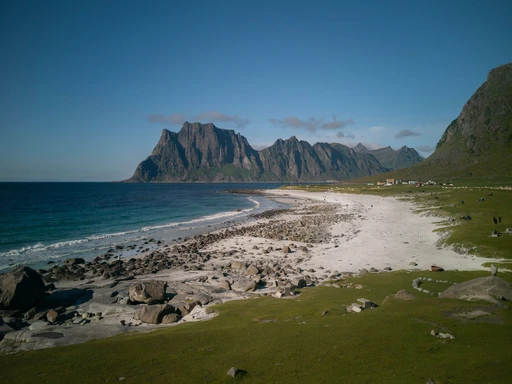
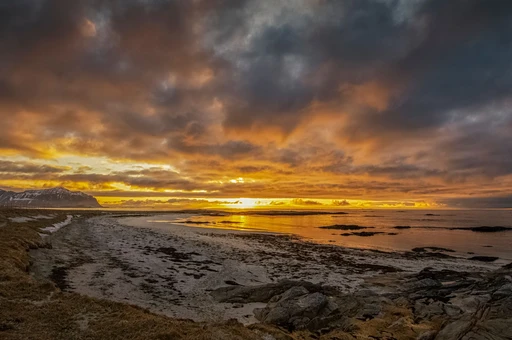
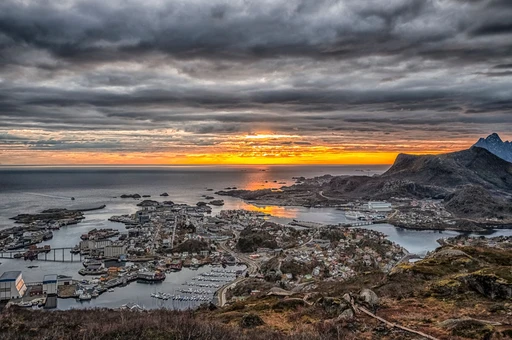
Then dinner together, a bag of warm layers, and at about eleven the minibus heads for Uttakleiv, a beach on the north side of the islands with nothing between it and the open sea. The sun is lowest at about ten past one, which is summer time's fault. It comes down toward the water, slides along the horizon for a while, and starts climbing again. Nobody can decide whether it is very late or very early. Nobody needs to.
Cloud is the one thing nobody controls up here, which is why you get two nights out on this coast instead of one. Tomorrow's is on the water.
Surfboards Copied Off a Beach Boys Record
Uttakleiv
Leknes
 Unstad
 Eggum
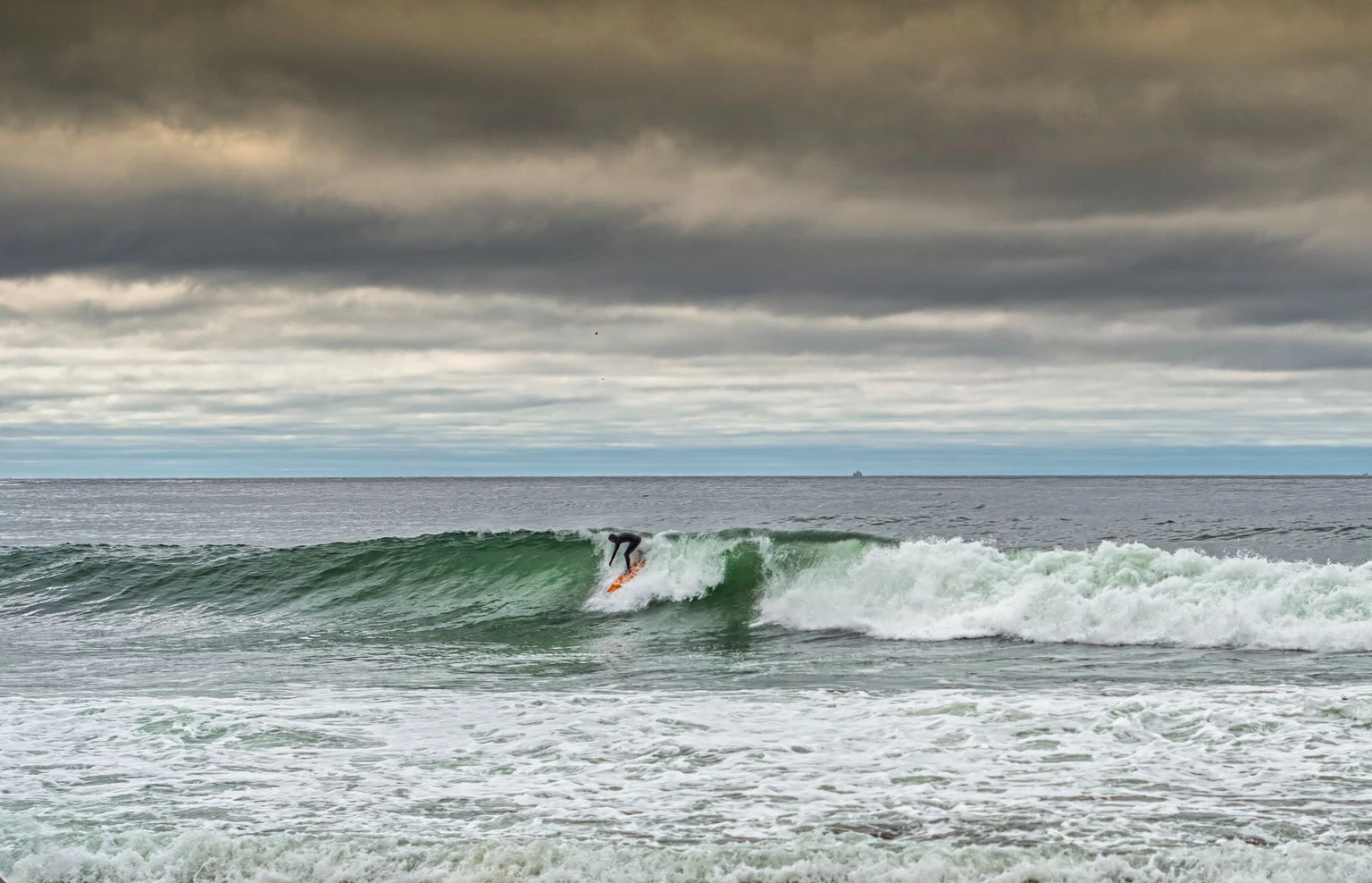
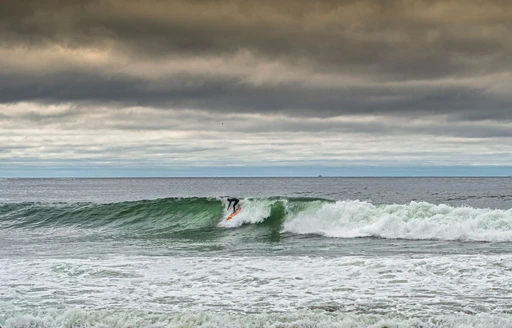
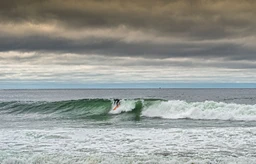
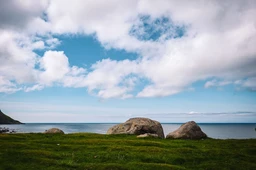
A late start, and you have earned it. Then Unstad, a bay known to surfers well beyond Norway. In the 1960s two friends started surfing it on boards they built themselves out of foam, newspaper and fiberglass, shaped off the cover of a Beach Boys album, wearing swimsuits. The wetsuits came later. So did everybody else.
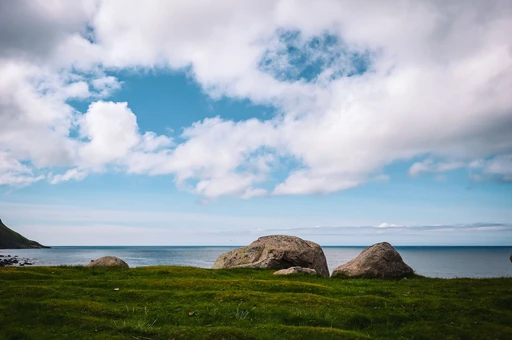
Eggum is next, a strip of Arctic shore with a head of iron and granite standing on its own above the beach. From one side it is a face. Keep walking and it turns upside down.
At ten at night you go out in kayaks with a licensed guide, from a little harbor with an open view north, and paddle under the midnight sun until about one. No experience needed. Anyone who would rather stay dry keeps the coordinator, the beach and the thermos.
The Village That Got a Road in 1983
Eggum
Leknes
 Henningsvær
 Svolvær
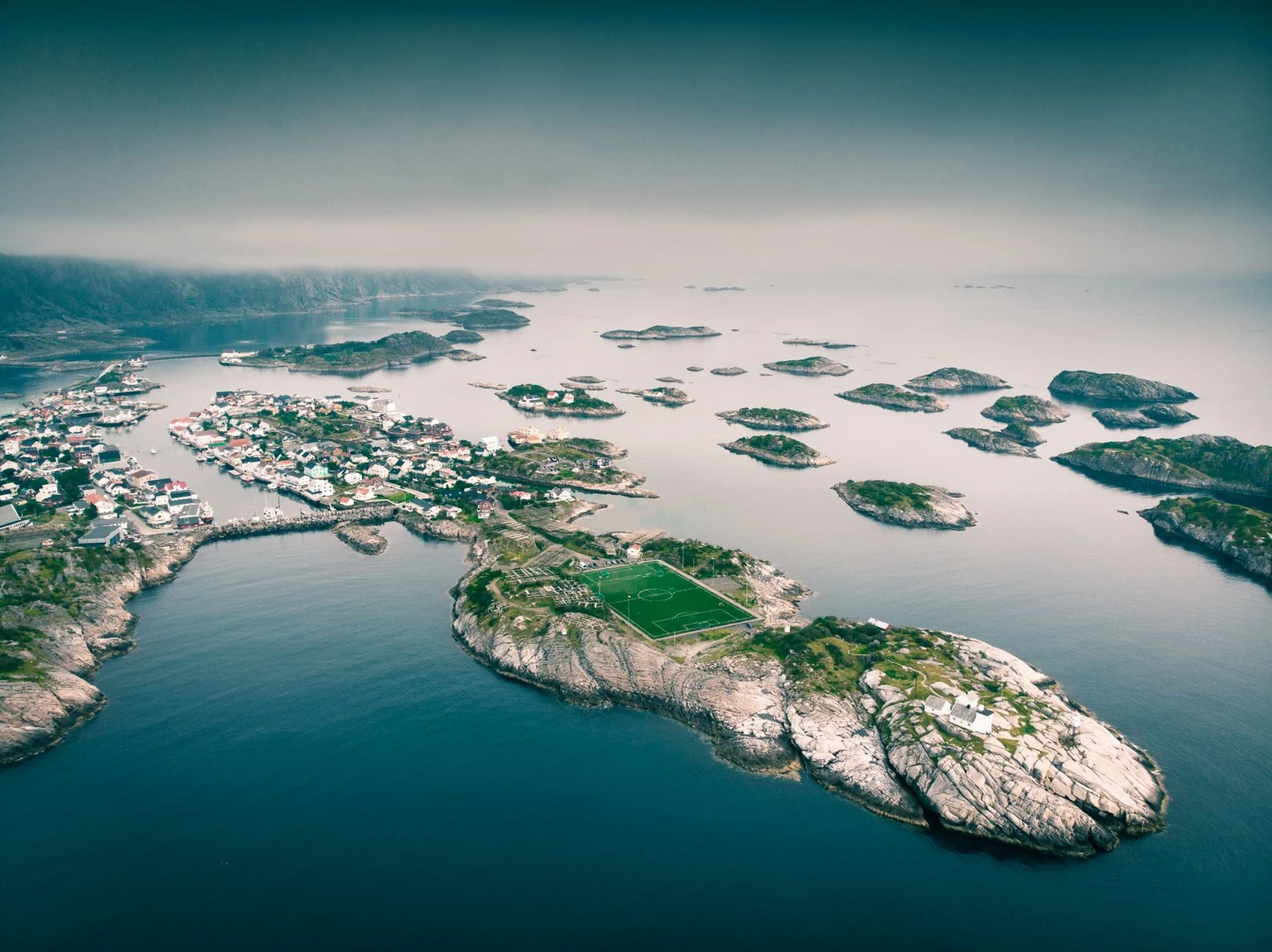
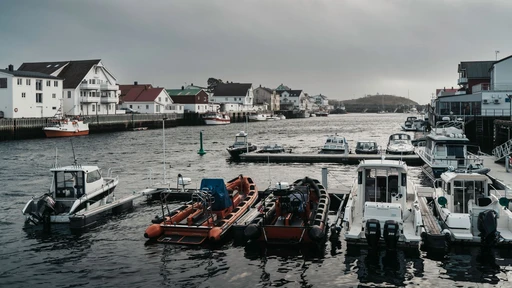
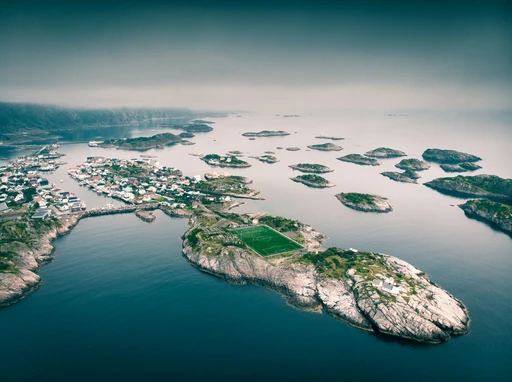
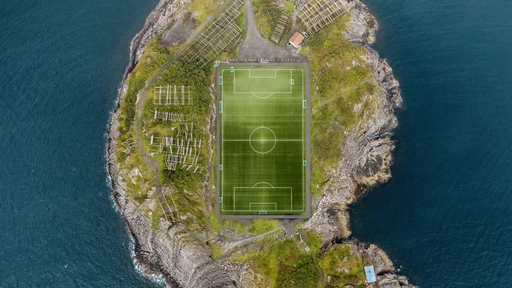
Henningsvær is a fishing village spread over a handful of islands, and until its bridges opened in 1983 the way in was by boat. About five hundred people live here now, half as many as in the 1950s, mostly in the same houses. Another late start, then the afternoon is yours to walk it.
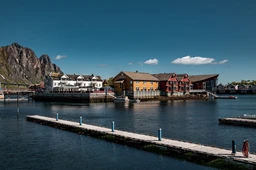
On the way into Svolvær you pass Kabelvåg, where in about 1120 King Øystein had cabins built for the fishermen who rowed out here every winter. Those were the first rorbuer. You slept in their descendants on days 2 and 3, and now you know who to thank.
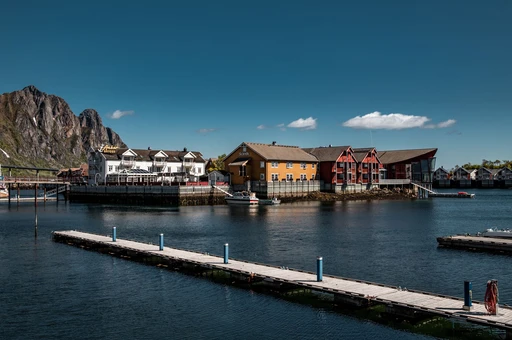
Farewell dinner in Svolvær, where the group chat gets renamed again and somebody asks whether anyone actually slept this week.
Breakfast at What Time, Exactly
Svolvær
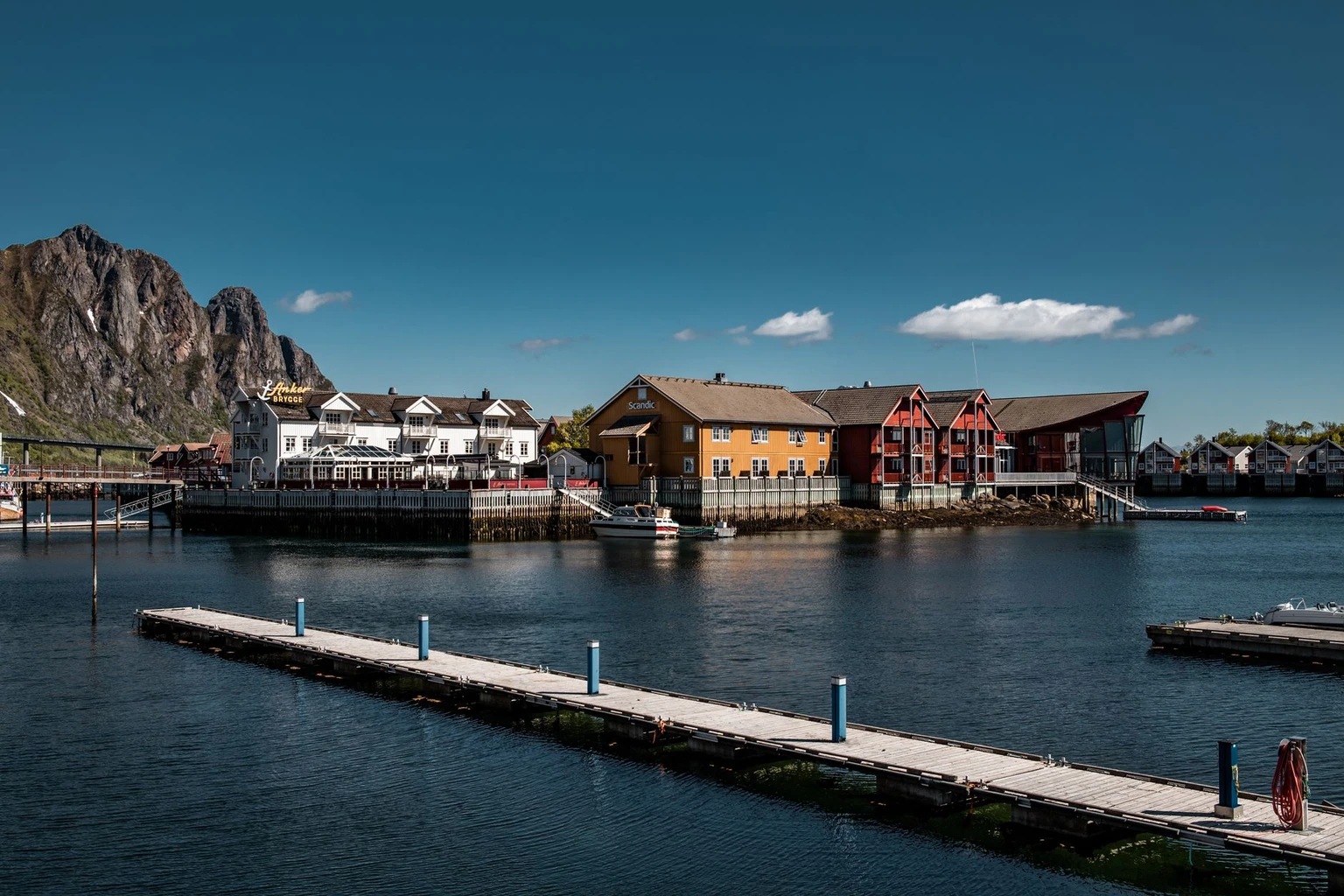
Last breakfast. The camera roll is mostly the same sun at one in the morning on two different nights, one blurry kayak, and an iron head that is the wrong way up in every other photo.
Then the goodbyes, to people who were strangers at a dinner table in Bodø six days ago. You have now watched the sun refuse to set with them, more than once. Day 1 said it would not get dark this week. It did not. Somewhere on the way home it will, and it will feel like a trick.
Upcoming trips
7 trips
Bodø → Svolvær·7 days
Coordinator
?To be announced
$2,979 / person
Available
Bodø → Svolvær·7 days
Coordinator
?To be announced
$2,979 / person
Available
Sat 12–Fri 18 Jun
Bodø → Svolvær·7 days
Coordinator
?To be announced
$2,979 / person
Available
Sat 19–Fri 25 Jun
Bodø → Svolvær·7 days
Coordinator
?To be announced
$2,979 / person
Available
Sat 26 Jun–Fri 2 Jul
Bodø → Svolvær·7 days
Coordinator
?To be announced
$2,979 / person
Available
Bodø → Svolvær·7 days
Coordinator
?To be announced
$2,979 / person
Available
Sat 10–Fri 16 Jul
Bodø → Svolvær·7 days
Coordinator
?To be announced
$2,979 / person
Available
Ask us to run one for your group →
Paying and canceling
Canceling is free until a trip confirms. From the day it does: