Provence, In Bloom
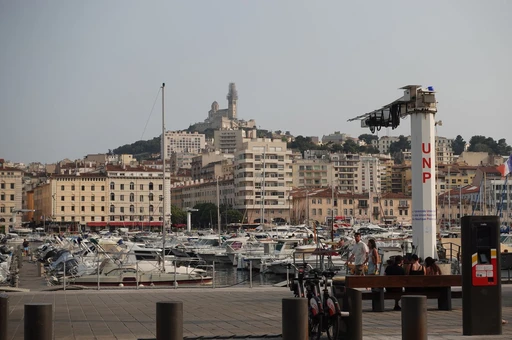 Marseille
→
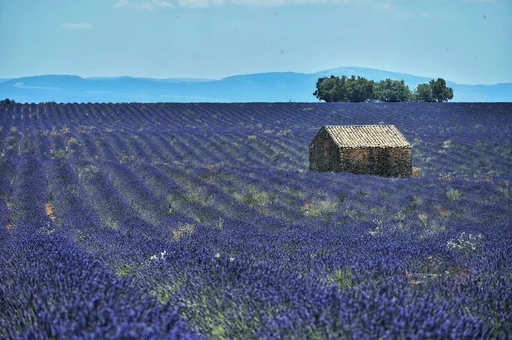 Valensole
→
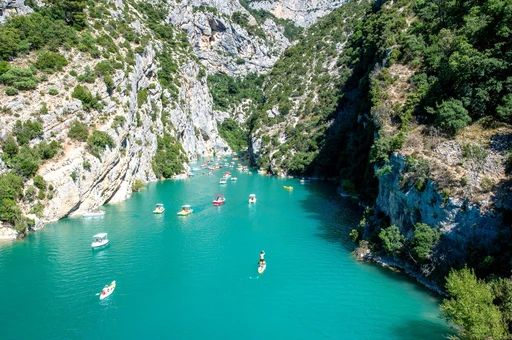 Moustiers-Sainte-Marie
→
Les Salles-sur-Verdon
→
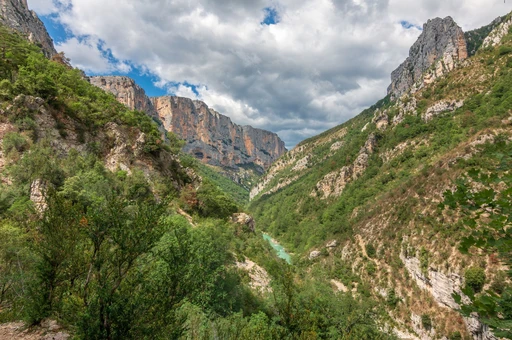 La Palud-sur-Verdon
What you’ll remember
4 of them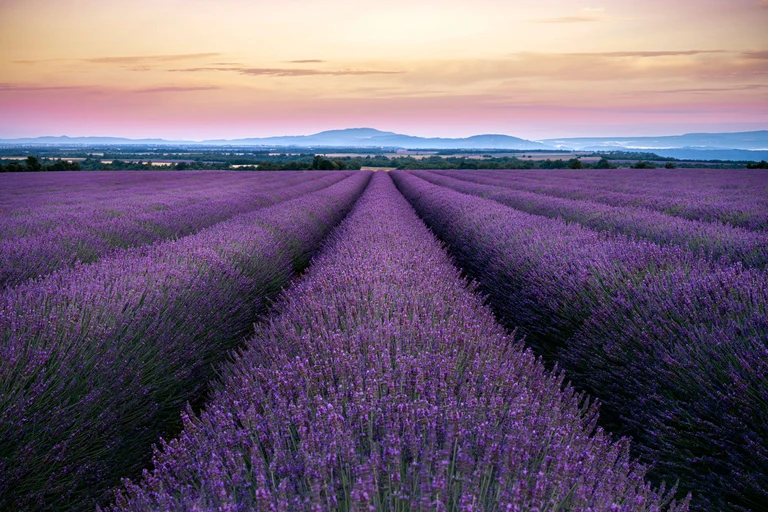
What’s included
- Hotels every night
- Breakfast every morning
- Welcome dinner in Marseille
- Lunch on the Valensole plateau
- Dinner in Moustiers-Sainte-Marie
- Farewell dinner in Marseille
- All transport during the trip
- Lavender distillery
- Kayaking the Verdon gorge
- Boat into the Calanques
About this trip
Nine in the evening on the Valensole plateau, the sun going down sideways across a field that smells the way every lavender soap you have ever owned was trying to. The next morning you paddle off a lake the color of a swimming pool and into the mouth of the Verdon gorge, with limestone rising on both sides. You learn why the lavender is only ever cut in the heat, look down on that same river from the rim of its canyon, and sleep three nights under a gold star somebody hung on a chain between two cliffs (nobody agrees who). On the last afternoon you go off the side of a boat into the sea outside Marseille, with people who were strangers at the welcome dinner and very much are not anymore.
Day by day
6 daysMarseille Saw the Midnight Sun First
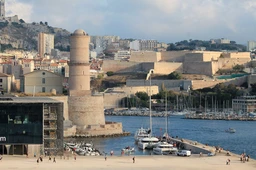 Marseille
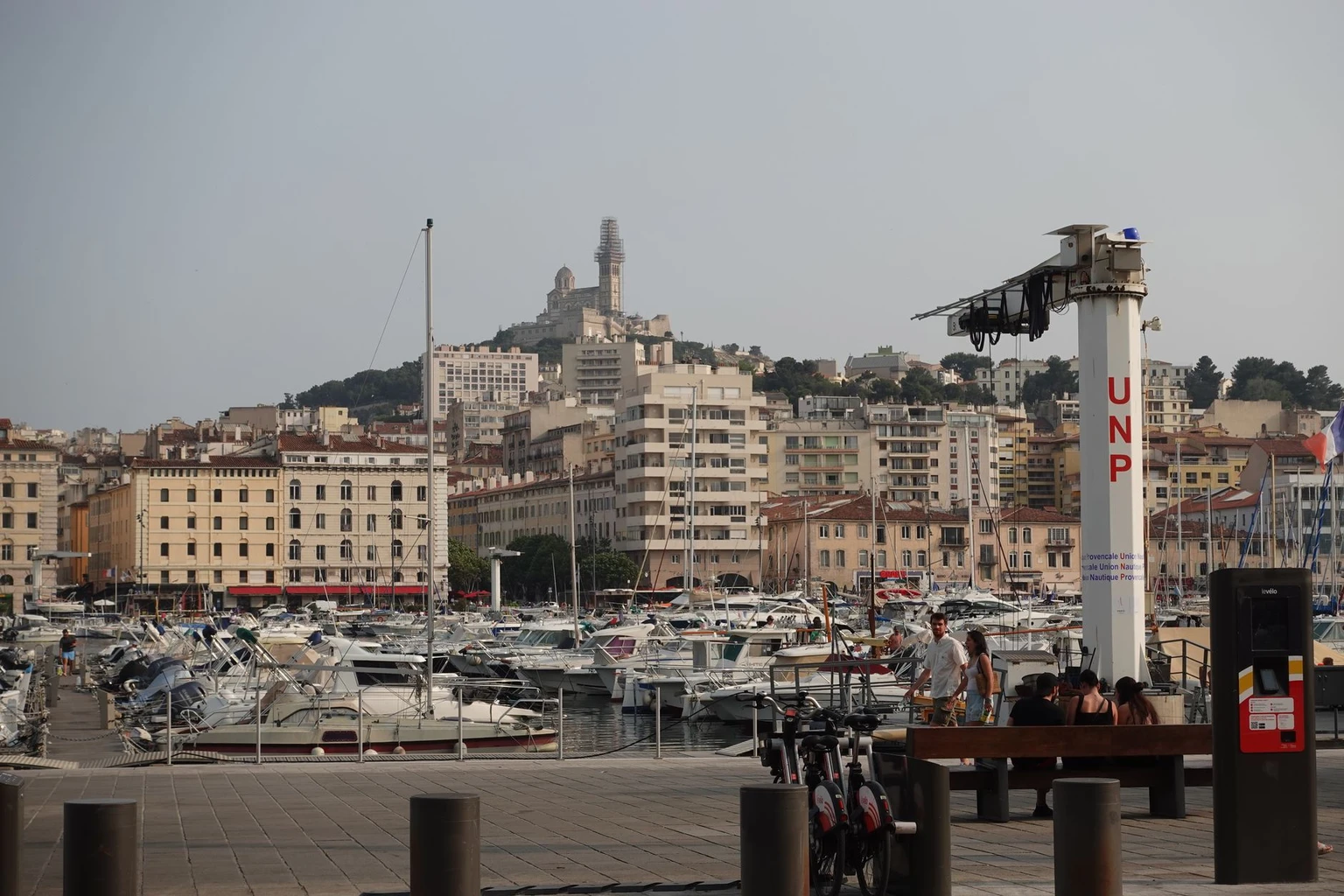
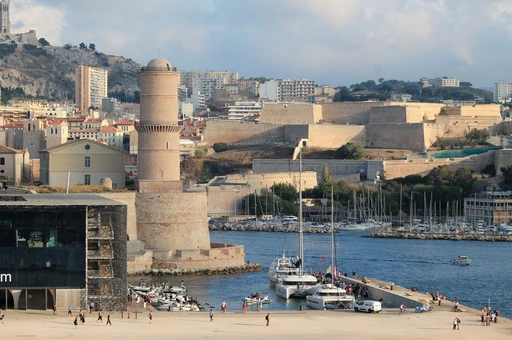
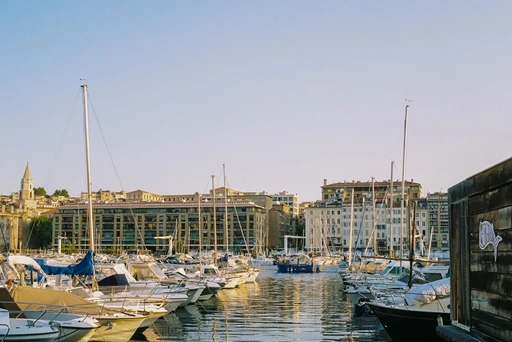
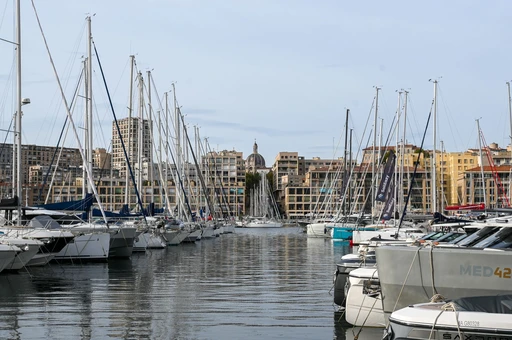
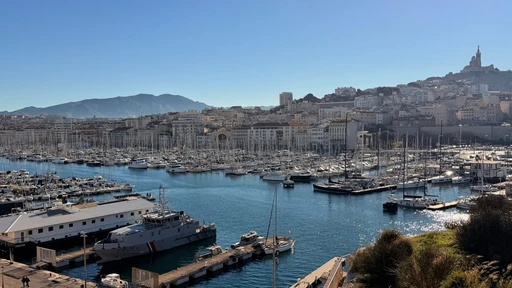
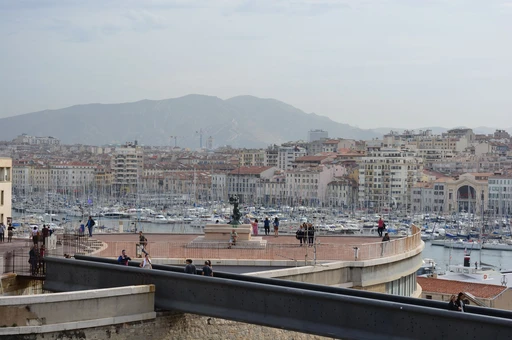
Around 325 BC a Greek sailed out of this harbor, kept going north until the sun stopped setting, and wrote it down. Pytheas of Massalia is the first person on record to describe the midnight sun. Massalia is now Marseille: about 886,000 people, twenty-six centuries as a port, and no interest whatsoever in tidying up for visitors.
Your coordinator meets the group on the Vieux-Port in the early evening, under a thousand square meters of mirror held six meters above the quay. Look up and the whole group is there for the first time, upside down.
Then the welcome dinner, and the round of where everybody is from. Somebody will have seen the midnight sun from a jetty at home. Pytheas has the same story, about 2,350 years earlier.
They Only Cut It in the Heat
Marseille
 Valensole
 Moustiers-Sainte-Marie
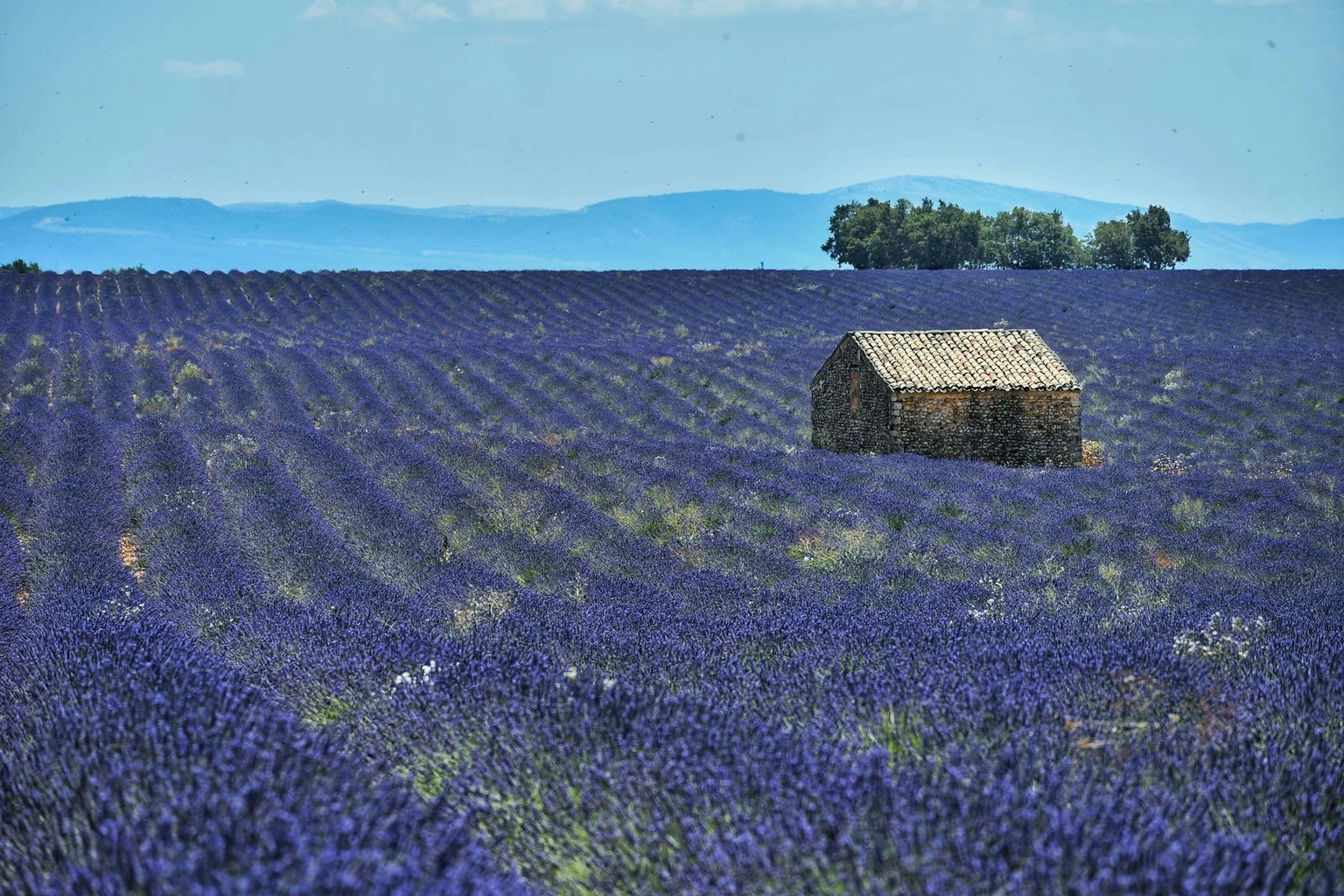
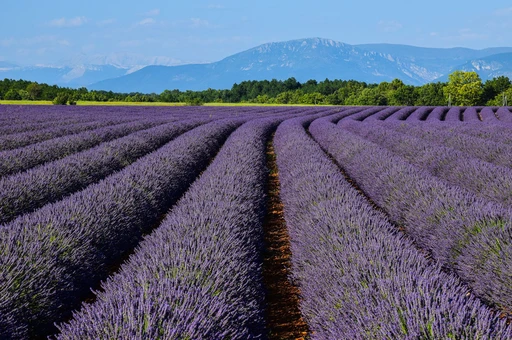
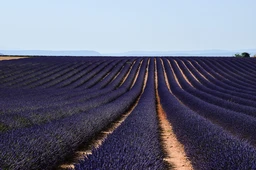
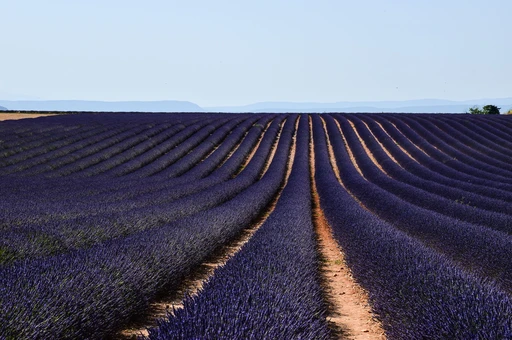
The smell reaches you before the color does. Then the plateau of Valensole opens out, 800 square kilometers of it, almost all almond trees in the nineteenth century. Most of the purple now is lavandin, a cross between true lavender and spike lavender that arrived in the 1920s and gives far more oil.
On a family farm you learn why nobody cuts at dawn: the plant makes its oil to protect itself from the heat, so the harvest waits for the hot part of the day. True lavender needs about five times the flowers for the same oil. In a hot year the cutting has started when you arrive, and the still runs from morning to night.
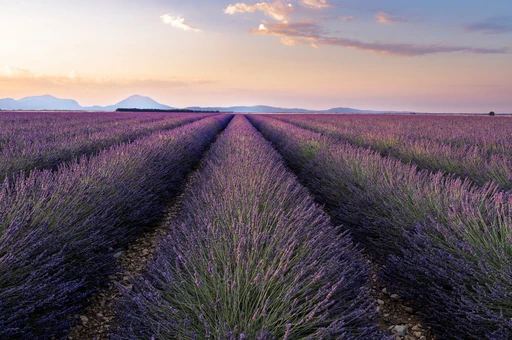
Then, around nine, back into the rows with the sun going down sideways across them. Everybody takes the same photograph. Everybody is right to.
The Village at the Bottom of the Lake
Moustiers-Sainte-Marie
 Lac de Sainte-Croix
 Les Salles-sur-Verdon
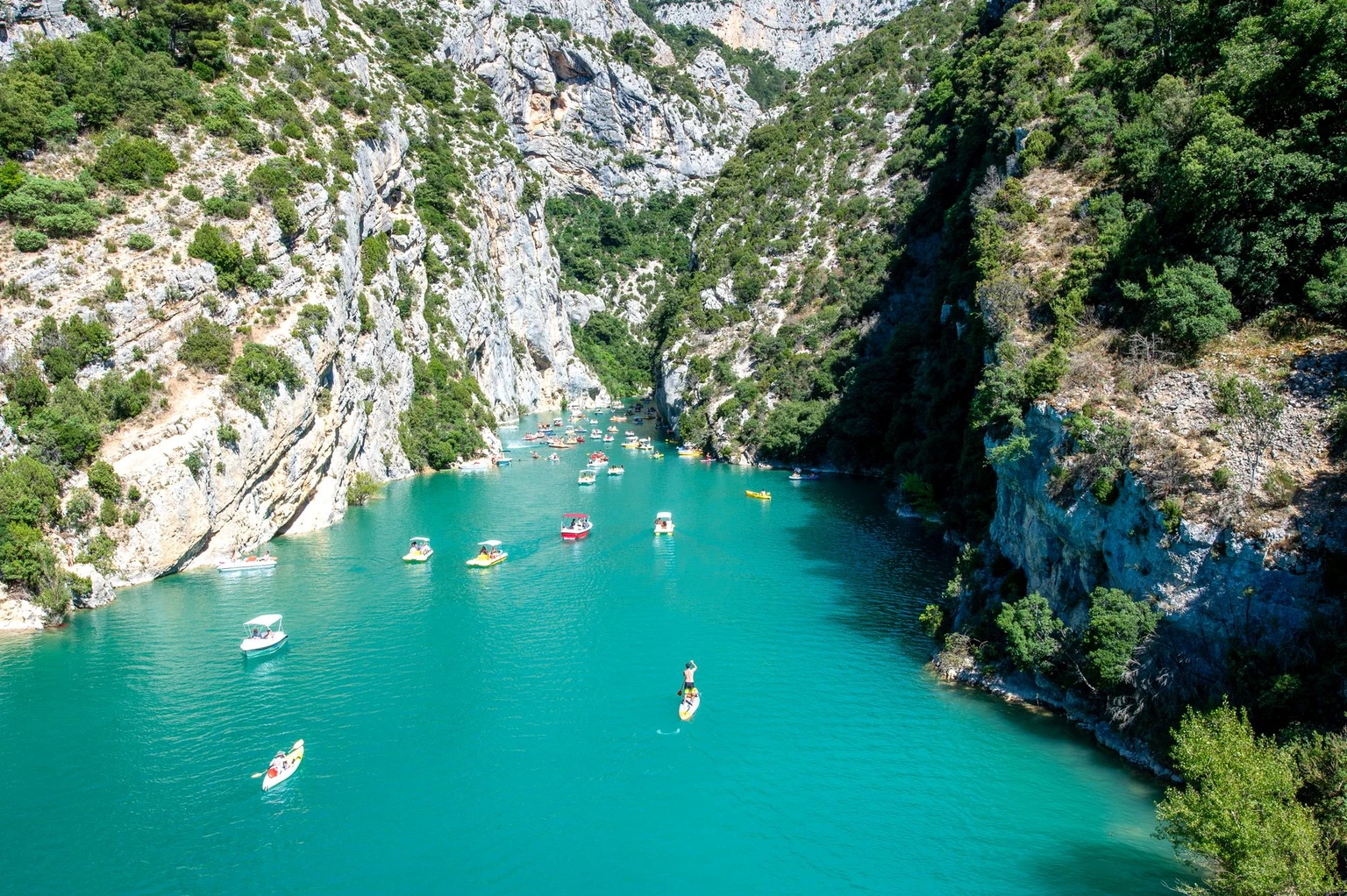
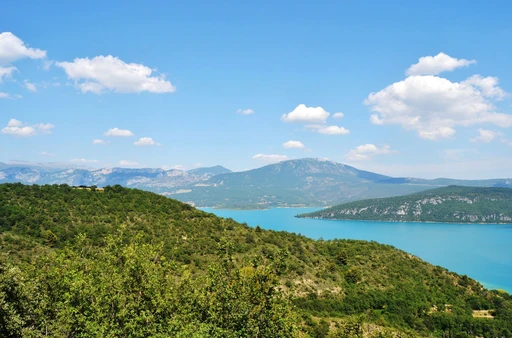
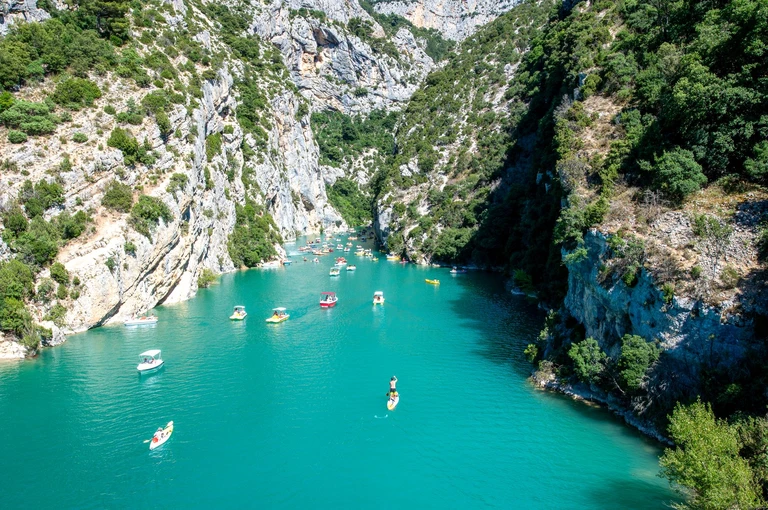
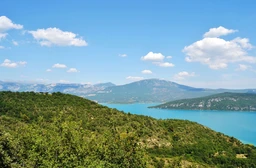
Half past eight, the first boats of the day, and the water where the Verdon meets the lake is a color that looks fake in every photograph and is not. You paddle into the mouth of the gorge, about two kilometers in, until the limestone rises on both sides and the loudest sound is a paddle hitting another paddle. Nobody lands and nobody swims in there. The cliffs make a good argument for both rules.
The lake behind you, 2,200 hectares of it, did not exist before 1973. The Verdon was dammed and the water came up over Les Salles-sur-Verdon, taken down house by house first. Its church was blown up in March 1974. The old bells hang in the new village on the slope above.
Afternoon on a beach on the same lake. Tomorrow you see this river from the very top.
The Same River, From the Top
Les Salles-sur-Verdon
Moustiers-Sainte-Marie
La Palud-sur-Verdon
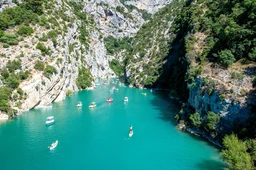 Gorges du Verdon
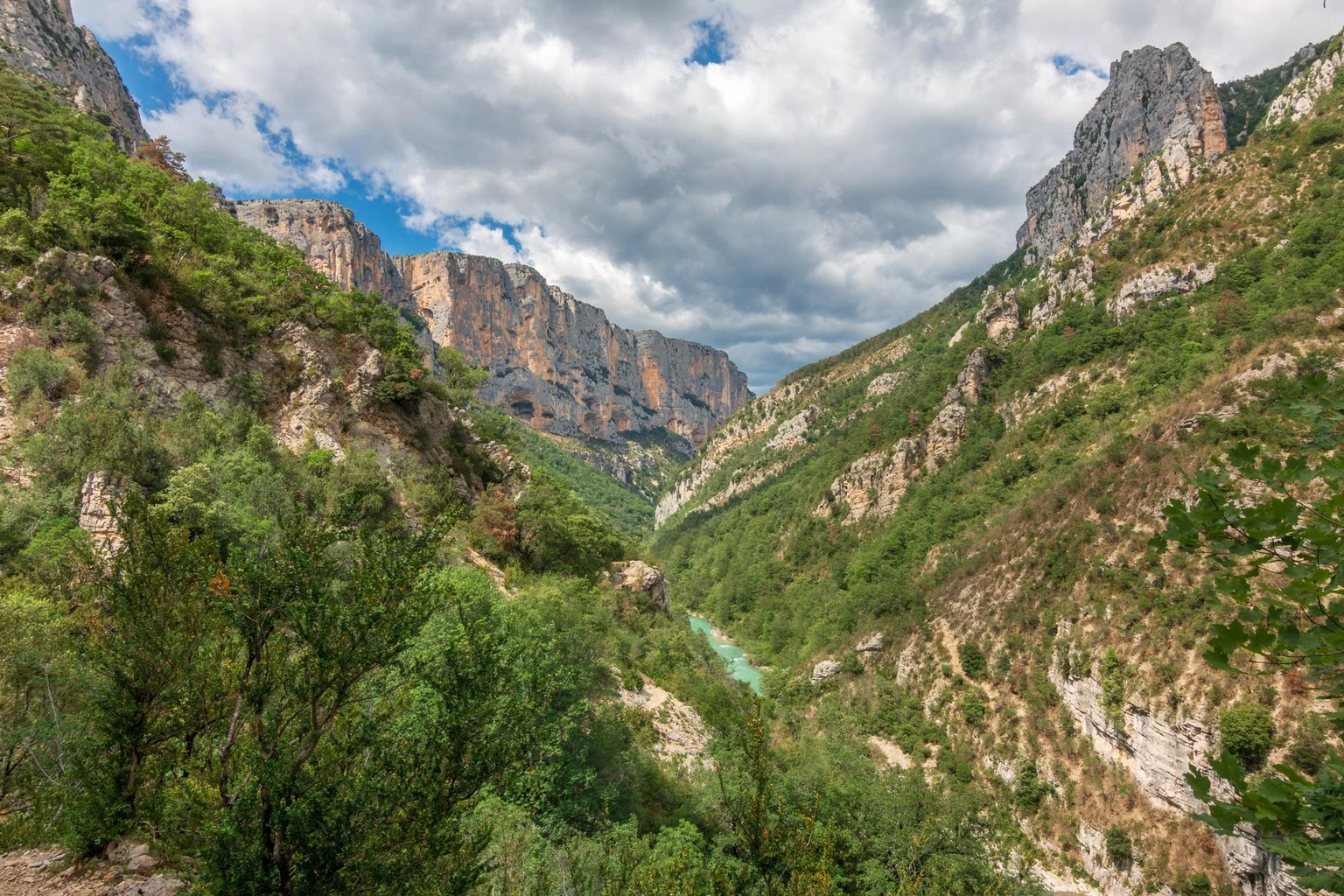
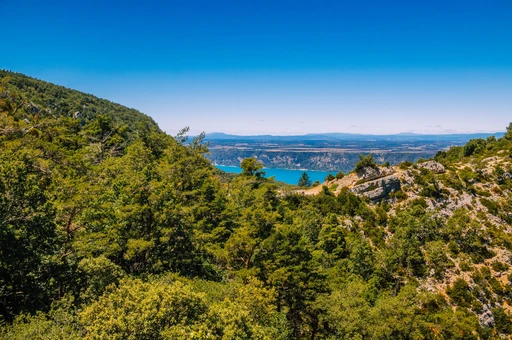
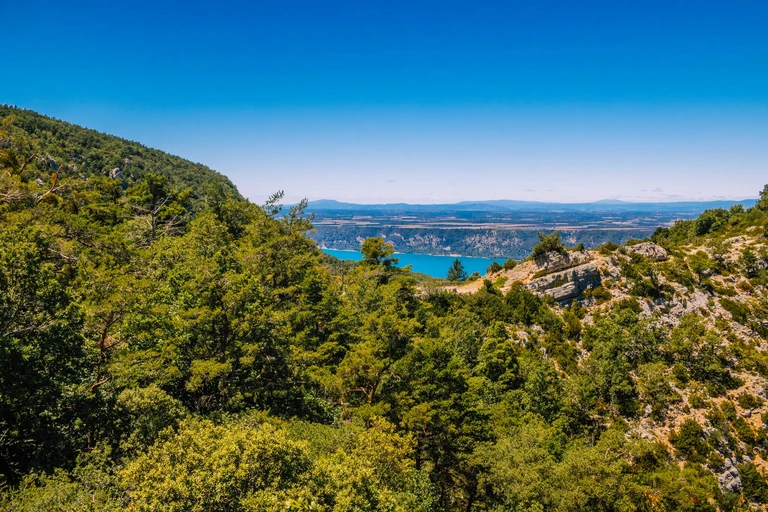
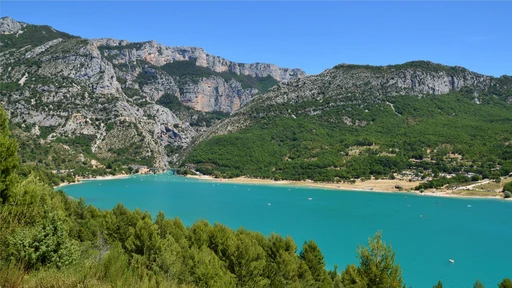
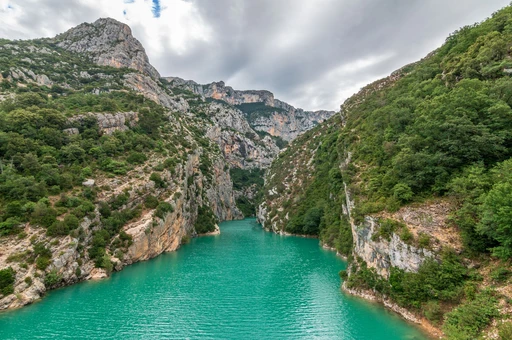
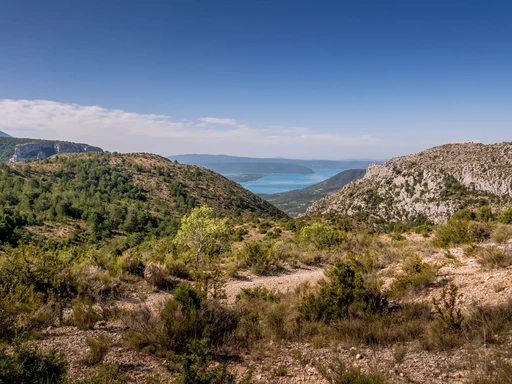
The Route des Crêtes took from 1949 to 1972 to finish, which tells you something about the ground it is built on. It follows the rim of the Verdon's canyon, up to seven hundred meters deep, past about fifteen viewpoints, and its middle stretch is one-way because it is that narrow. Three of France's four vulture species nest in these walls. The green thread at the bottom is the river you paddled yesterday.
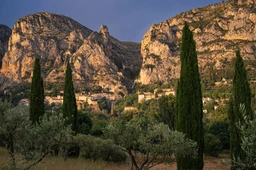
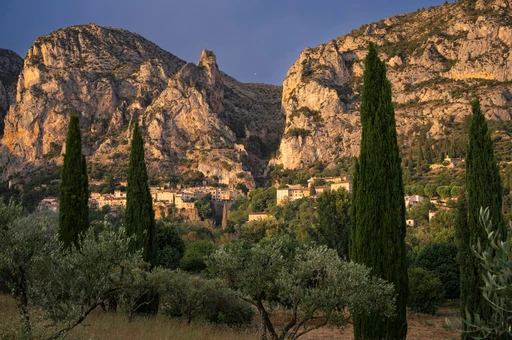
Then the slow part, on purpose. Moustiers-Sainte-Marie has 683 people, seven faience workshops and a gold star on a chain 135 meters long, strung between the cliffs above the village. Nobody agrees who hung the first one. The current star fell in 1995, and the village had it regilded and hung it back up.
The evening is yours. Pétanque was invented down the coast for a man whose rheumatism had stopped him taking a run-up, so all it asks is that you stand still.
Six Days of Fresh Water, Then the Sea
Gorges du Verdon
Moustiers-Sainte-Marie
Marseille
 Calanques National Park
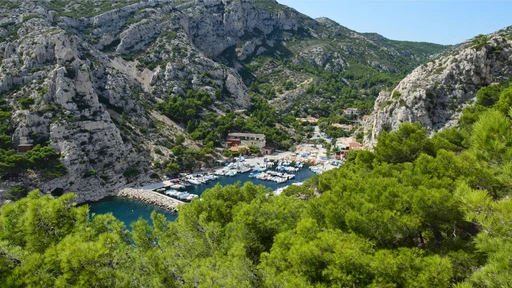
One last pass across the plateau on the way down. Depending on the year, some of the rows you stood in on day 2 are already cut to tidy gray-green stubble, and the air near the farms smells like the still. Marseille by lunchtime.
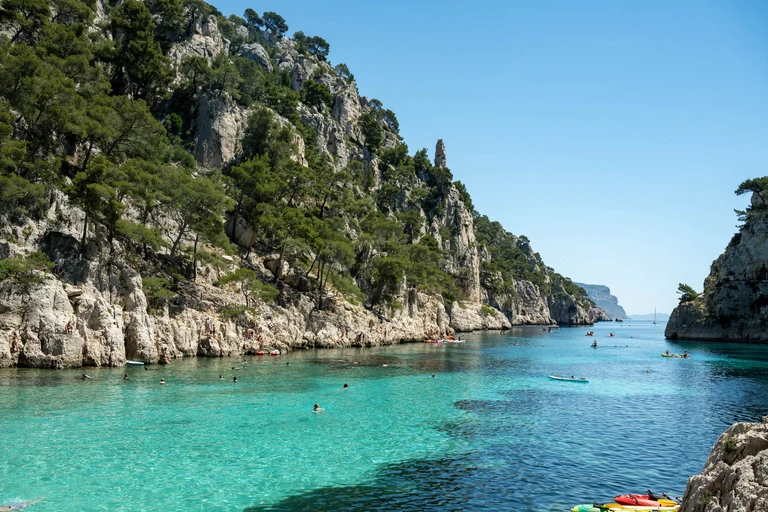
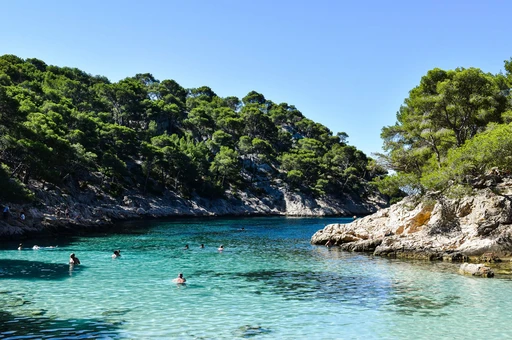
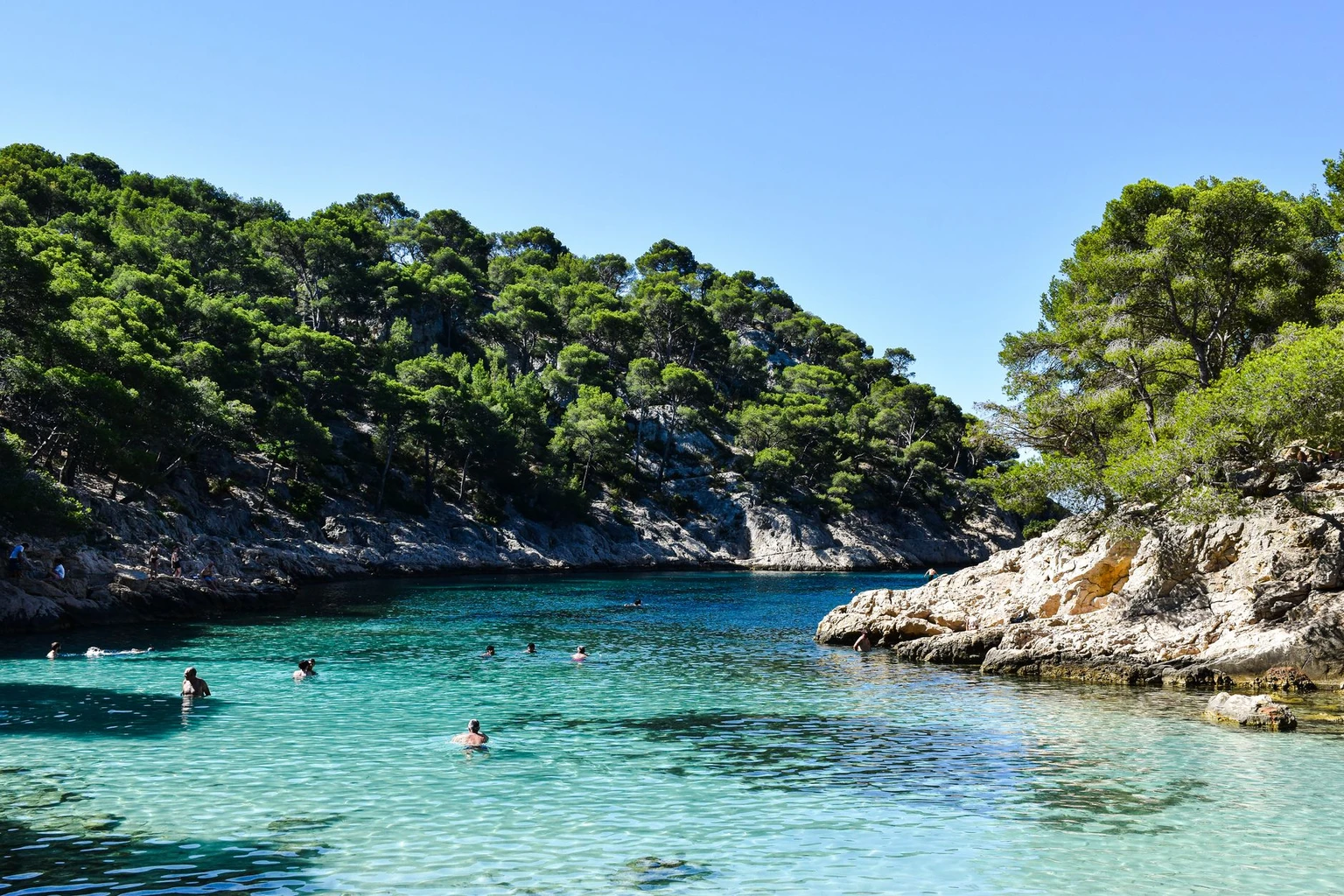
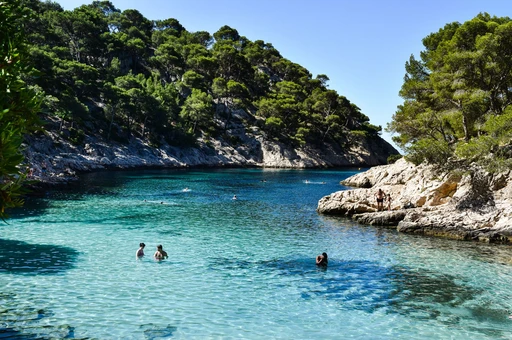
The afternoon goes to the Calanques, a national park since 2012 with France's second city on one side of it: white limestone inlets dropping into water an unreasonable shade of blue. The boat stops in a cove, and you go off the side. After a lake and a river, the salt is a small shock and a good one.
Farewell dinner on the Vieux-Port, the harbor Pytheas sailed out of on day 1. He was in no hurry to come home either.
Back Under the Mirror
Calanques National Park
Marseille
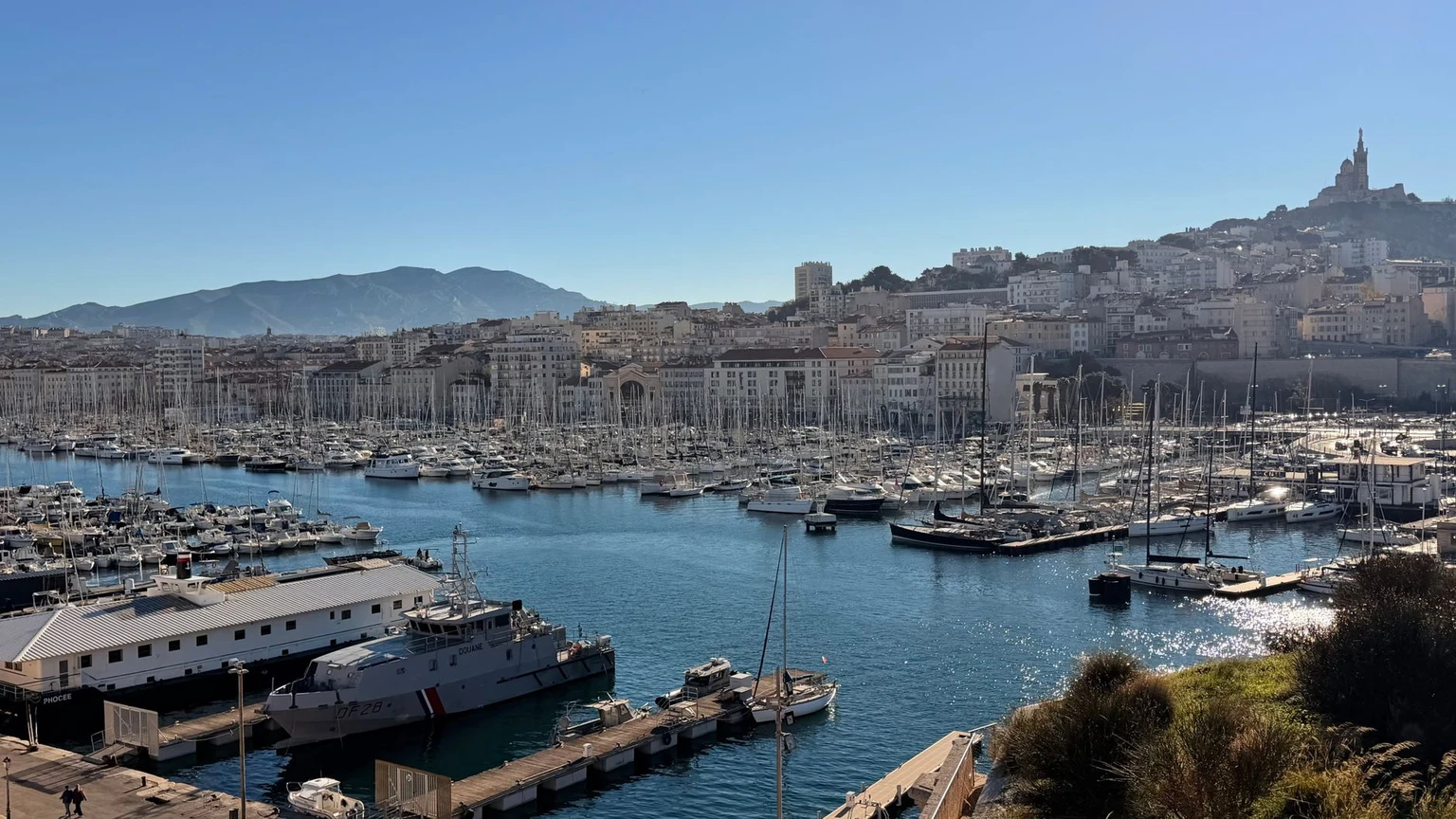
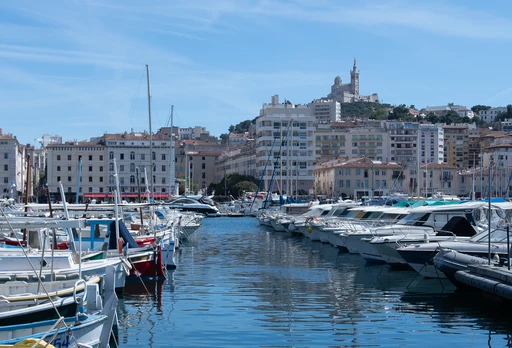
Last morning, back under the mirror on the quay where it started. Six days ago the group in that reflection was a list of names. Now there is a group chat renamed after a star on a chain, a camera roll that is mostly purple, and a lot of people to hug.
Anyone with a late flight has the old town and a coffee on the port. Everybody has a bag that smells of lavender, and it will for weeks.
Upcoming trips
4 trips
Marseille·6 days
Coordinator
?To be announced
$1,749 / person
Available
Sat 26 Jun–Thu 1 Jul
Marseille·6 days
Coordinator
?To be announced
$1,749 / person
Available
Marseille·6 days
Coordinator
?To be announced
$1,749 / person
Available
Sat 10–Thu 15 Jul
Marseille·6 days
Coordinator
?To be announced
$1,749 / person
Available
Ask us to run one for your group →
Paying and canceling
Canceling is free until a trip confirms. From the day it does: