The Aeolian Islands: Stromboli After Dark
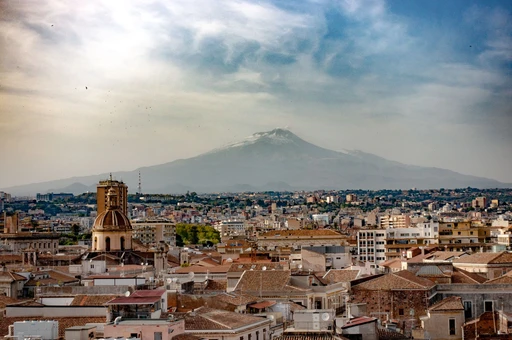 Catania
→
 Milazzo
→
 Lipari
→
 Santa Marina Salina
→
Lingua
→
Pollara
→…
What you’ll remember
2 of them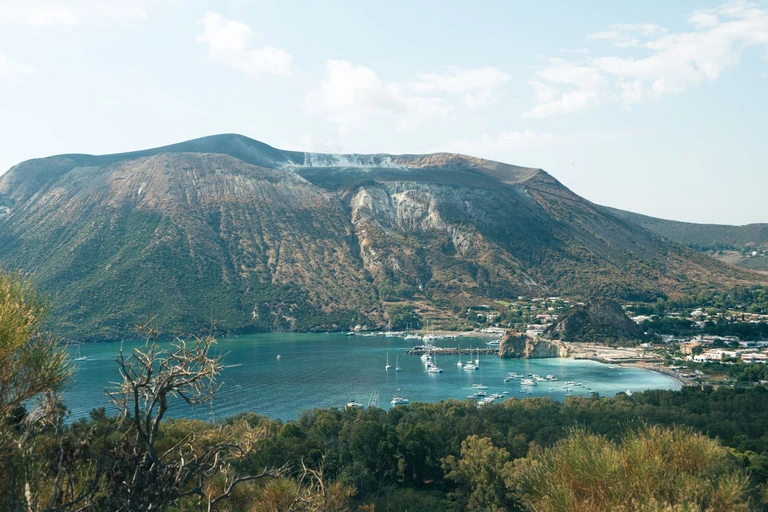
What’s included
- Hotels every night
- Breakfast every morning
- Welcome dinner in Lipari
- 2 dinners
- Lunch at a caper farm
- Farewell dinner in Lipari
- All transport during the trip
- Stromboli from the sea after dark
- Volcano climb
- 2 boat tours
- All entry tickets
About this trip
It is dark, the engine is off, and a small boat is rocking under the side of Stromboli. Then the mountain above you throws red rock at the sky, and everyone on board makes exactly the same noise. It has been doing this for more than two thousand years. The Romans called it a lighthouse.
Before that, the crater on Vulcano that gave the world the word volcano. Lunch among the capers on Salina, an island that stopped erupting thirteen thousand years ago and took up gardening. A white hillside of pumice on Lipari, where you put a stone in the sea and it floats. And for anyone who wants it, the climb at dusk to four hundred meters on Stromboli, as high as anybody is allowed to go.
Eight days, four islands, and a group that meets as strangers in Catania and goes home with volcanic sand in every shoe.
Day by day
8 daysOdysseus Lost a Bag of Wind Around Here
 Catania
 Milazzo
 Lipari
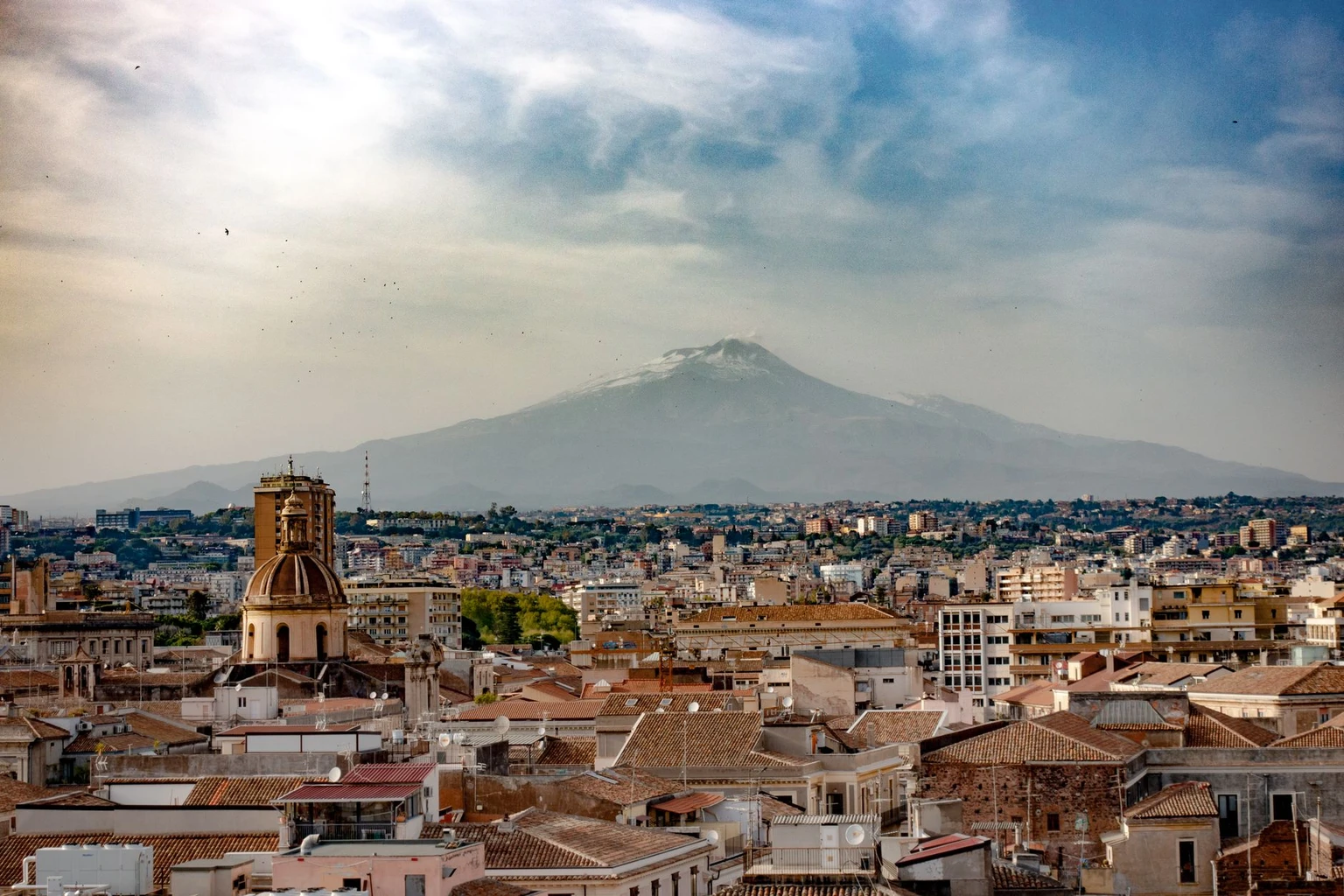
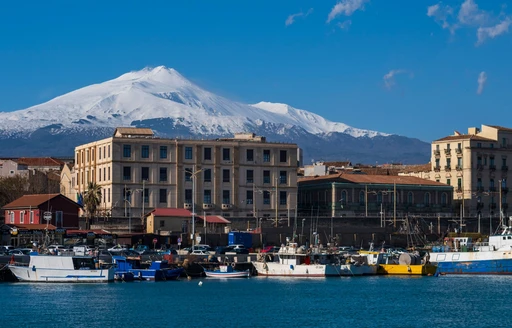
Two thousand years ago the geographer Strabo decided that Lipari was Aeolia, the island where the keeper of the winds gave Odysseus a bag with every wind in it, so he could sail home in peace. His crew opened it with home in sight, and the winds blew them straight back here. In 2025 Christopher Nolan brought a film crew out on these waters to shoot that island for The Odyssey.
It is why these are the Aeolian Islands, and why anything shaped by wind is still called aeolian. These islands name things. On day 2 you stand on the crater that named every volcano, and on day 4 you sit in a boat under the one that named a whole kind of eruption.
Welcome dinner in Lipari, and the round where everybody explains where they are from, which by day 8 nobody will need.
Every Volcano Is Named After This One
Lipari
 Vulcano
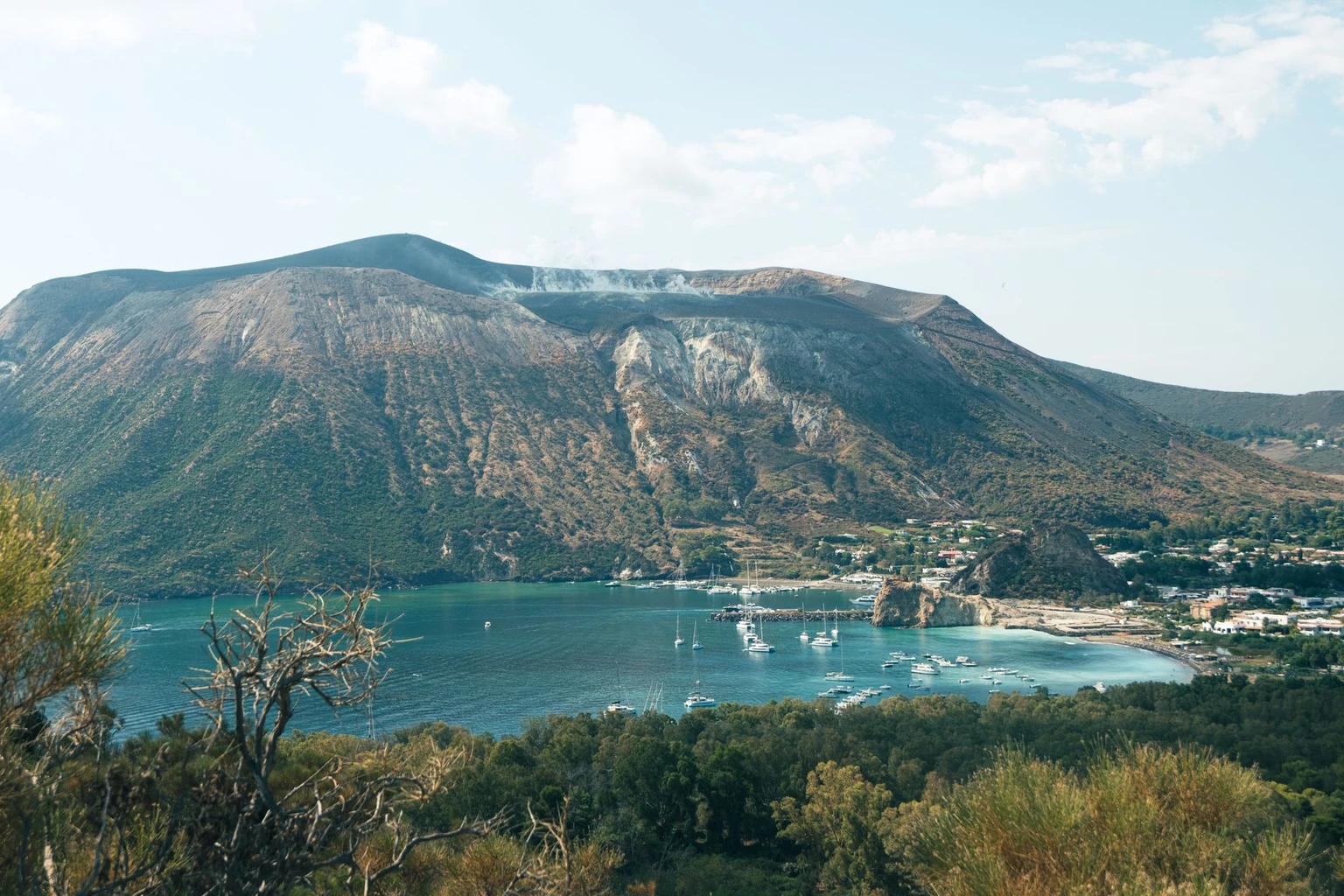
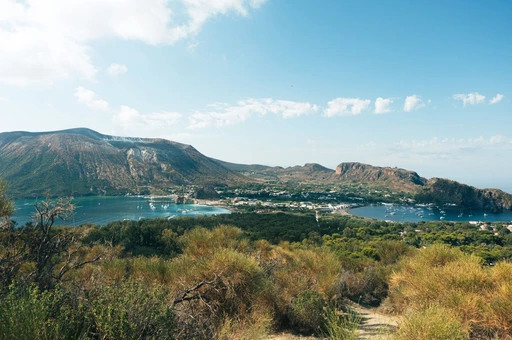
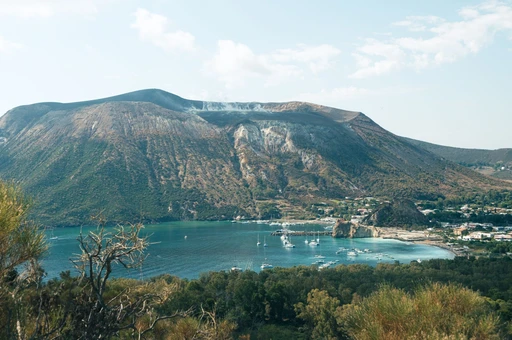
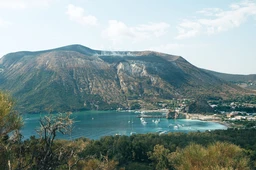
The Romans believed this island was the chimney of Vulcan's forge, so they named it after him, and the rest of the world borrowed the name for every mountain that does this. From August 1888 to March 1890 its crater went off like cannon fire, and the scientist who watched it, Giuseppe Mercalli, gave that kind of eruption a name too: Vulcanian.
You walk up to the rim in the cool of the morning, about an hour on a steep path of loose ash, with steam rising from yellow vents and Lipari across the water. It smells of sulfur. By the top you will have stopped noticing.
A Scottish industrialist bought the north of the island for its sulfur in the nineteenth century. The 1888 eruption wrecked his works and he never came back. Then down to the mud pool, if this season it is open, or the black sand beach on the far side of the isthmus, which is no hardship.
The Island That Retired
Vulcano
Lipari
 Santa Marina Salina
Lingua
Pollara
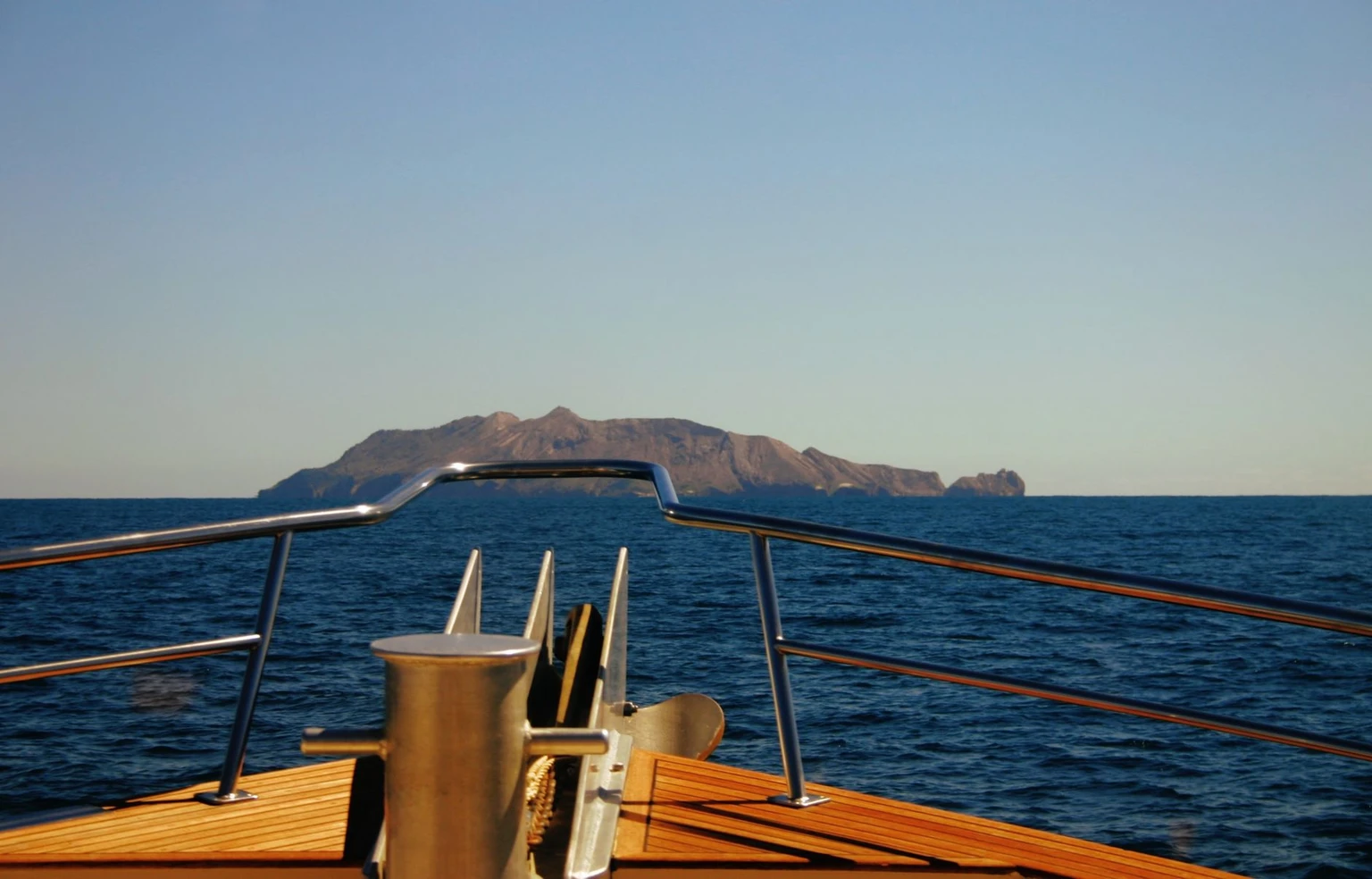
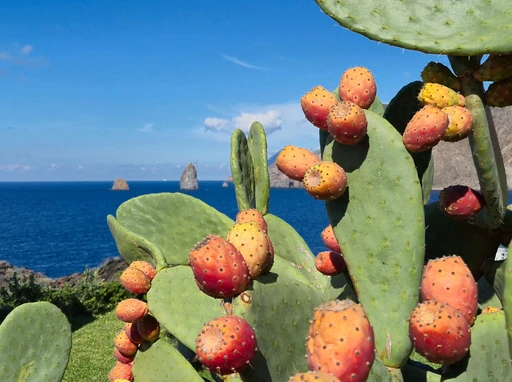
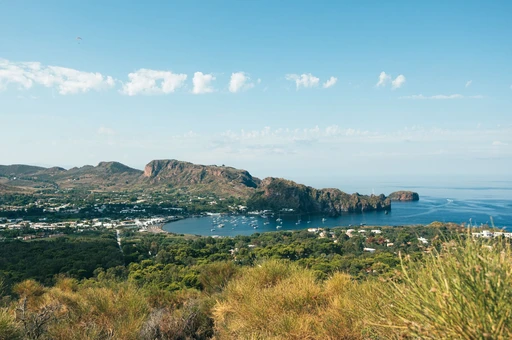
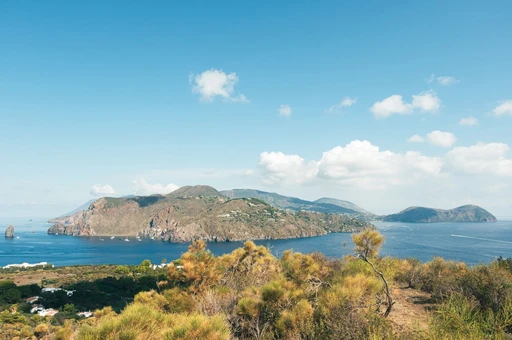
Salina last erupted about thirteen thousand years ago and has spent the time since growing things. It is two old volcanoes side by side, which is why the Greeks called it Didyme, the twins, and the taller one, at 962 meters, is the highest point in the islands. Today is the quiet day. It also has the only lunch of the week, which would have been the best one anyway.
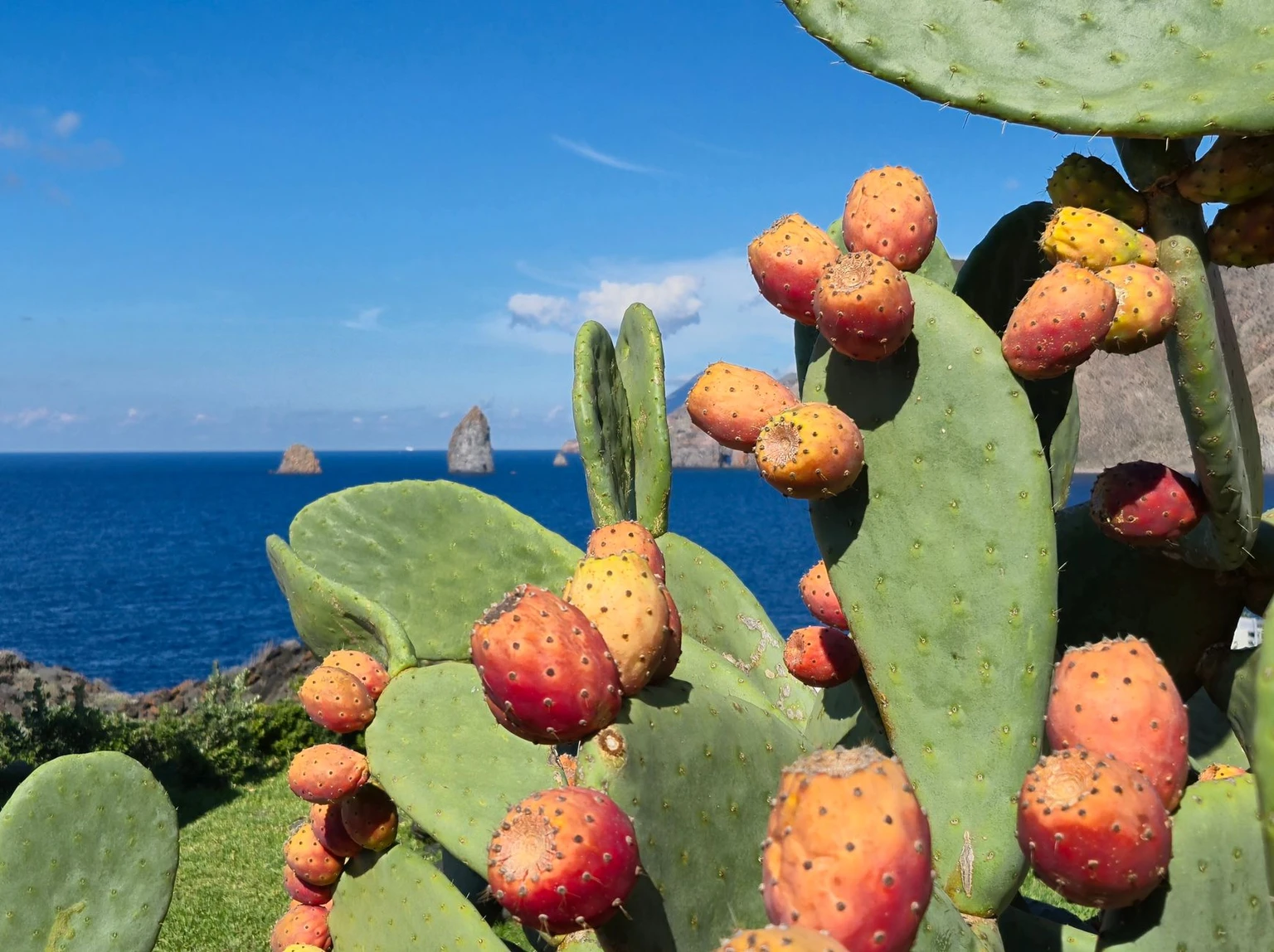
That lunch is among the capers. Every caper is a flower bud, picked by hand before it opens. On Salina the bushes are gone over every eight to ten days from May to August, then the buds go into wooden tubs with coarse salt for about a month. The jar at home will never look the same.
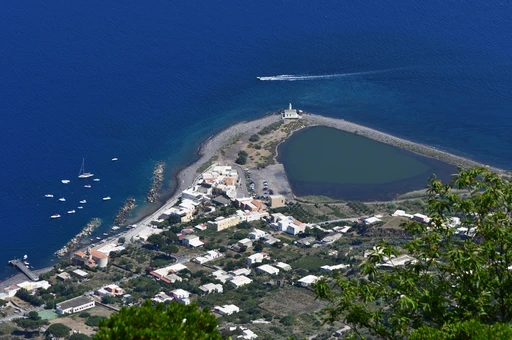
Then Lingua, and the salt pond that gave the island its name. Then Pollara, a village inside a crater the sea broke into, and the one in Il Postino. You stay for the sunset and go home by boat.
 © Annaplanet80, Annamaria Russo · CC BY-SA 4.0
The Lighthouse Has Been On for Two Thousand Years
Pollara
Lipari
 Stromboli
Sciara del Fuoco
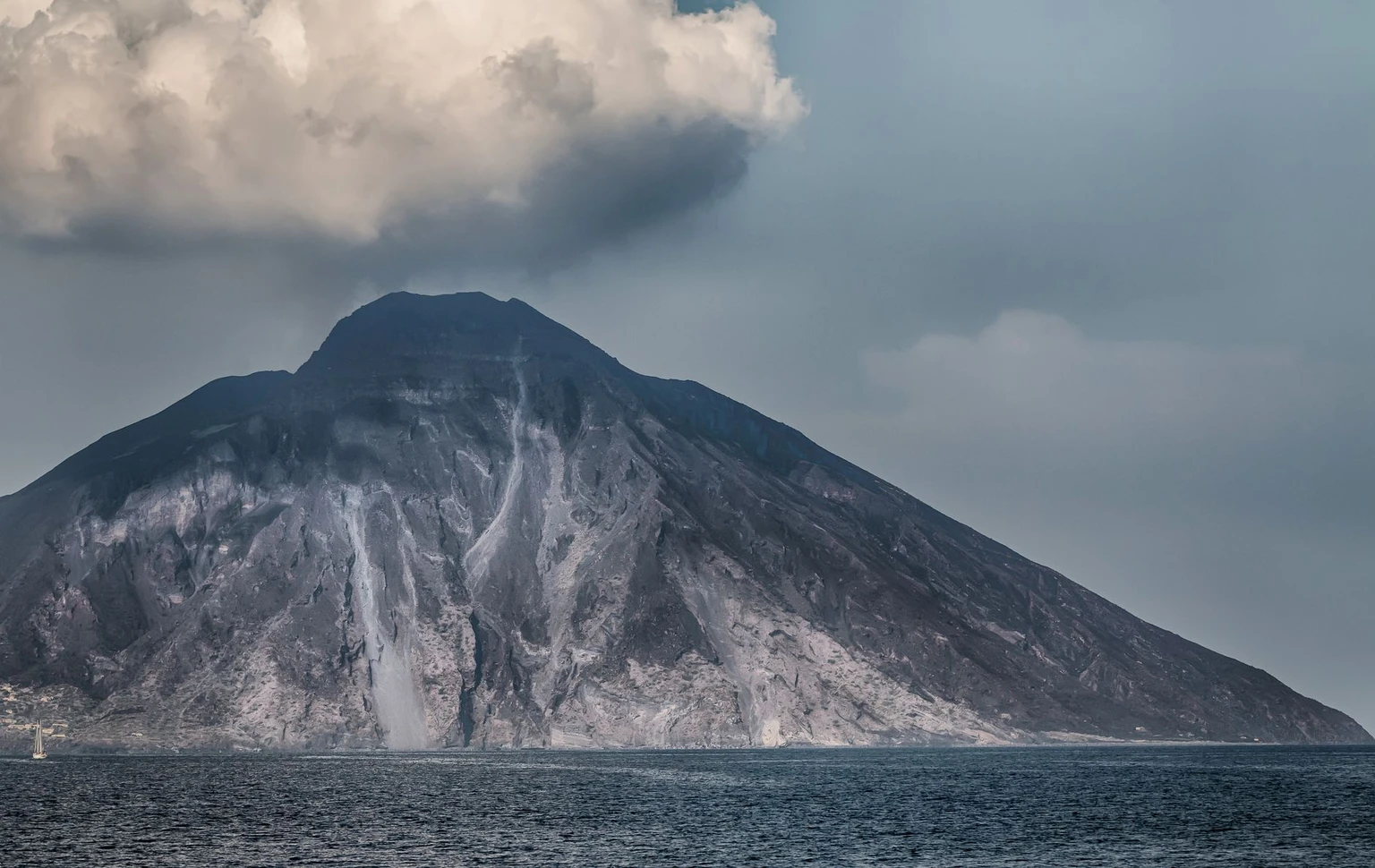
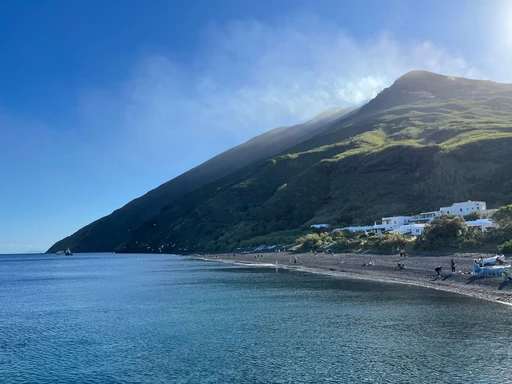
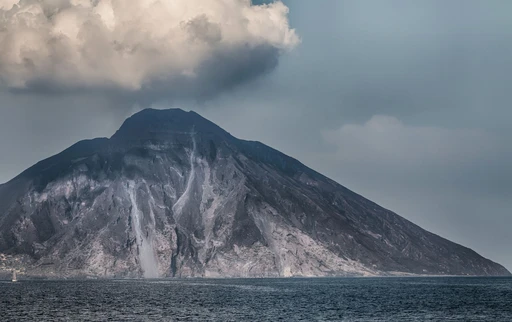
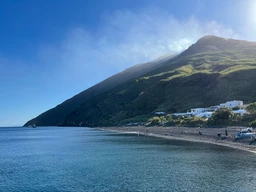
The Romans called Stromboli the lighthouse of the Mediterranean, because it never goes out. It has been erupting more or less without a break for more than two thousand years, short bursts from the craters at the top, sometimes minutes apart, and volcanologists named a whole kind of eruption after it. About five hundred people live underneath. The village keeps its streets unlit at night, on purpose.
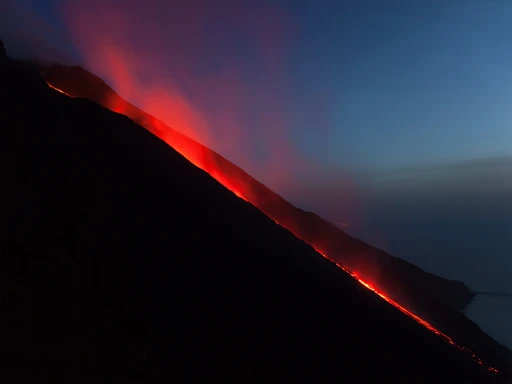
Then the good bit. After dark a small boat takes the group round to the Sciara del Fuoco, the great scar down the northwest side where everything the volcano throws rolls into the sea. The engine goes off. You wait. Then the mountain throws red rock at the sky, and the whole boat says the same word at once.
By early April 2026, lava had run down that slope to the sea twelve times that year. Nobody can book that. Dinner afterward, and the walk to it by headlamp.
 © Unukorno · CC BY 3.0
Four Hundred Meters and Not One More
Sciara del Fuoco
Stromboli
Ginostra
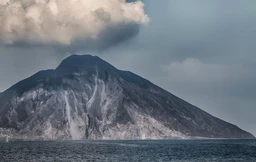 Stromboli volcano
A slow morning first: across to Ginostra, a hamlet on the far side of the island that no road reaches, where thirty or forty people spend the winter and about ten mules do all the carrying.
The summit has been closed since the explosions of summer 2019. The island's rules now stop everyone at 400 meters, on a terrace at the edge of the Sciara del Fuoco, with a licensed guide and a helmet. Here is what it asks: about three hours up a steep path in the late afternoon heat, roughly four hundred meters of climbing with regular stops, three quarters of an hour on the terrace while it gets dark and the craters go off above you, then down through soft volcanic sand by headlamp. Five hours all told. If two hours of walking is an ordinary day for you, you can do this.
Not climbing? Day 4's boat was your front-row seat, and tonight the coordinator holds a long table in the village until the climbers come down, sandy to the knees.
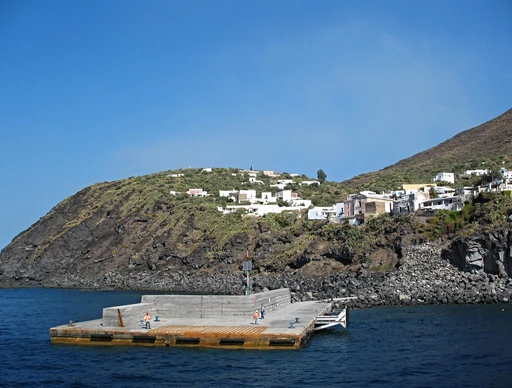 © Marie Čcheidzeová · CC BY-SA 4.0
The Stone That Floats
Stromboli volcano
Stromboli
Lipari
 Porticello
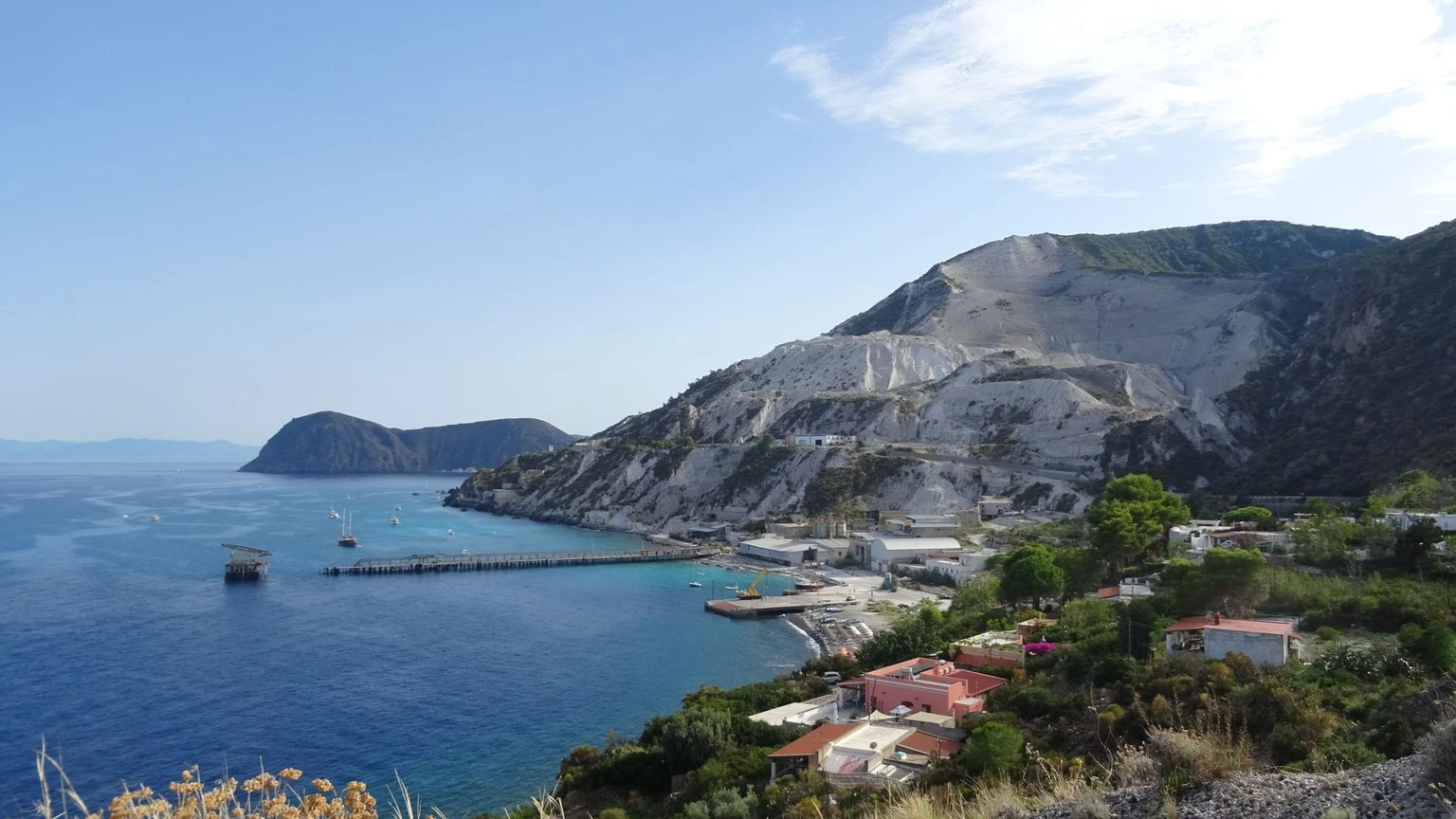
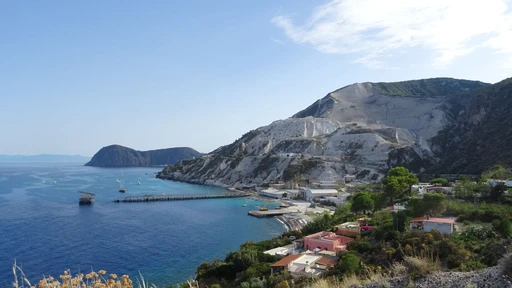
Day 6 is the easy one, and that is the whole plan. The hydrofoil back to Lipari, a long lunch, then a boat up the east coast to where the hillside turns white.
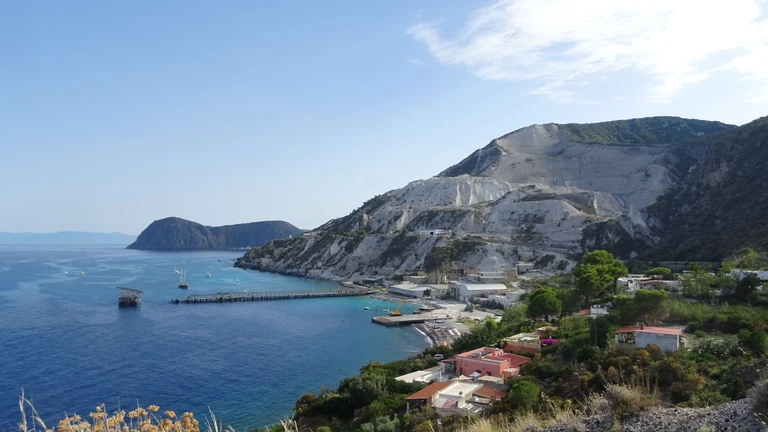
That is pumice, volcanic froth light enough to float, and Lipari quarried this coast for more than a hundred years and shipped it all over the world. The last quarry closed in 2007, after the islands became a World Heritage Site and the digging became an argument. Now the white slope runs straight down into very blue water, and you swim in it. Pick up a stone from the shore, put it in the sea, and watch it not sink.
Your legs will mention day 5 on the boat's ladder. Nobody is climbing anything today.
Six Thousand Years of Black Glass
Porticello
Lipari
Long before anyone came for the view, people came to Lipari for obsidian, a black volcanic glass that breaks to an edge sharp enough to cut with. From about 4000 BC the island traded it across the sea, and did very well, until metal arrived and ruined the business.
The archaeological museum inside the castle on the rock above the town keeps the story, from the first blades to the Greeks. The walls you walk through to get there have a darker one. In 1544 Barbarossa's fleet carried off the entire population as slaves, and the Spanish built these walls twelve years later, on top of the Greek ones.
The afternoon is yours. Then the farewell dinner, where somebody brings up the bag of winds from day 1. Somebody always does.
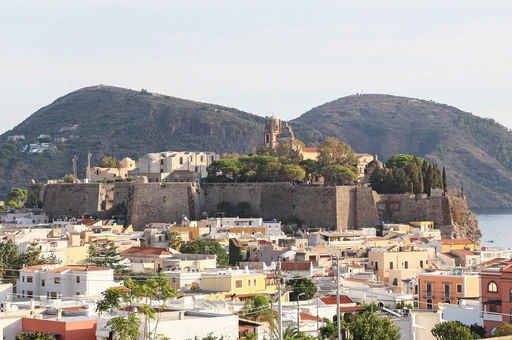 © Bernard Gagnon · CC BY 4.0
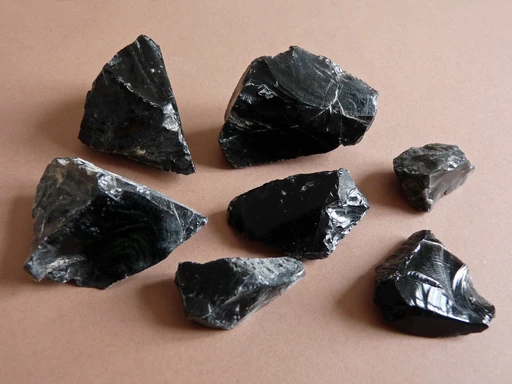 © Ji-Elle · CC BY-SA 3.0
Odysseus Took Ten Years. You Have a Flight.
Lipari
Milazzo
Catania
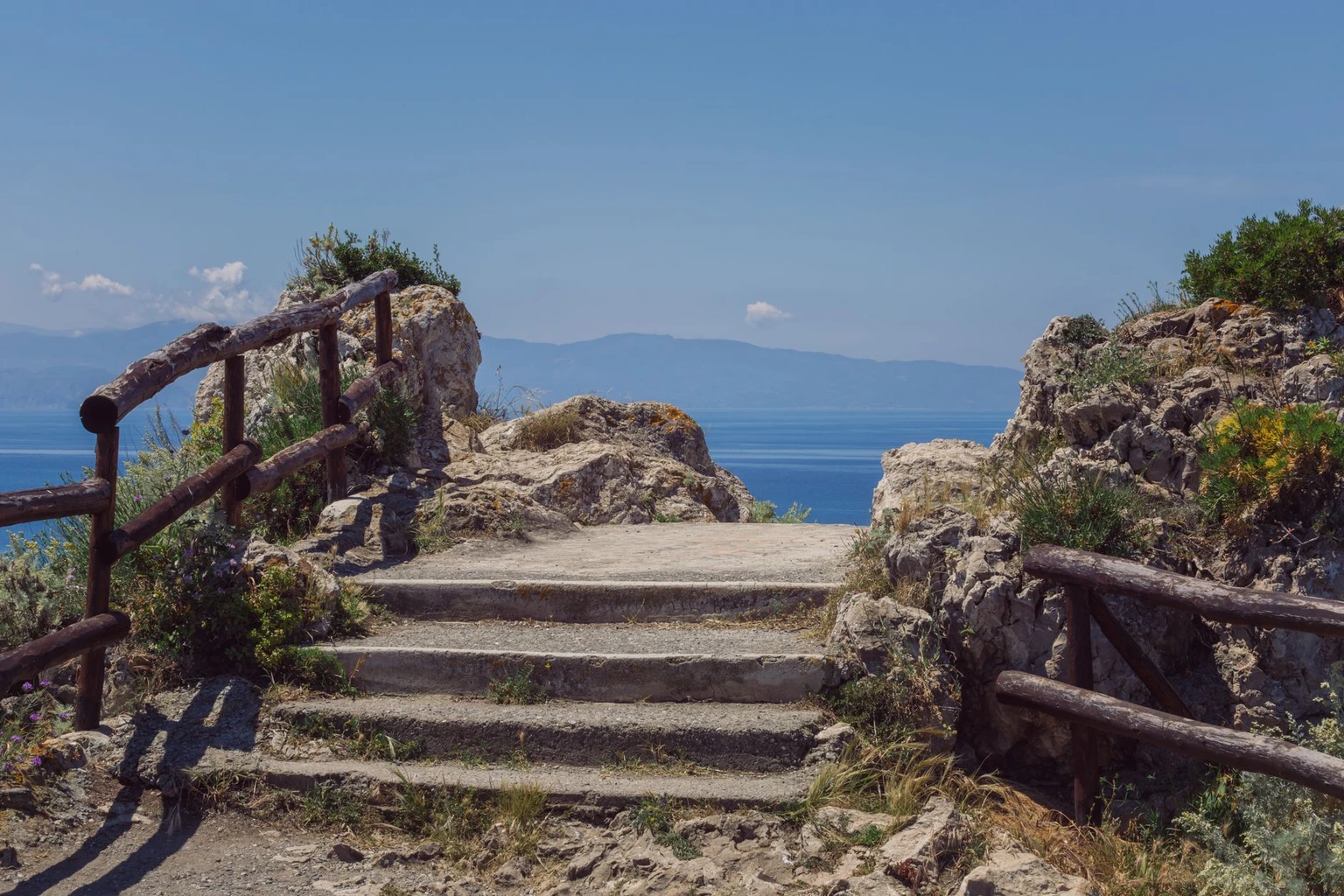
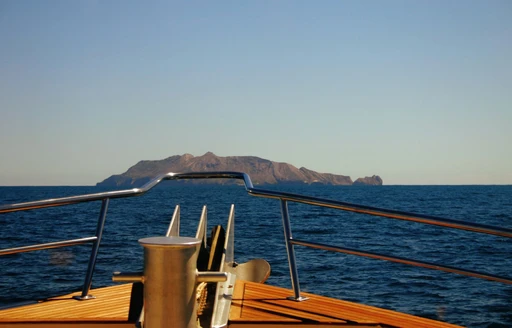
Last breakfast in Lipari. From the hydrofoil, look back once: Vulcano steaming, Lipari's castle on its rock, and on a clear morning Stromboli far out on the horizon, still at it.
A week ago this was a table of strangers in Lipari. Now there is a group chat named after a volcano, black sand in every shoe, and at least one pumice stone in somebody's luggage that will float in a bathtub back home. Odysseus took ten years to get home. You have a flight. Hug everyone first.
Upcoming trips
5 trips
Catania·8 days
Coordinator
?To be announced
$2,129 / person
Available
Catania·8 days
Coordinator
?To be announced
$2,129 / person
Available
Sat 19–Sat 26 Jun
Catania·8 days
Coordinator
?To be announced
$2,129 / person
Available
Catania·8 days
Coordinator
?To be announced
$2,129 / person
Available
Sat 18–Sat 25 Sep
Catania·8 days
Coordinator
?To be announced
$2,129 / person
Available
Ask us to run one for your group →
Paying and canceling
Canceling is free until a trip confirms. From the day it does: