The Bulb Fields by Bike
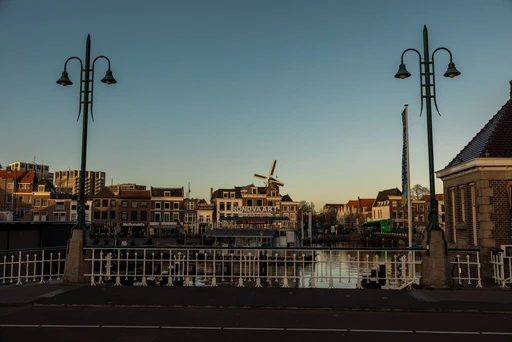 Leiden
→
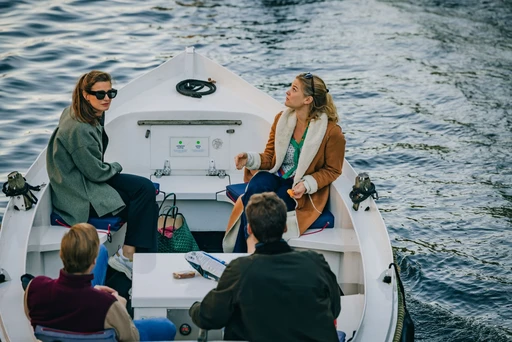 Amsterdam
→
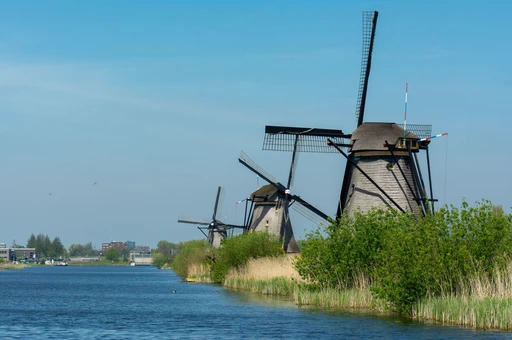 Rotterdam
→
Kinderdijk
What you’ll remember
2 of them
What’s included
- Hotels every night
- Breakfast every morning
- Welcome dinner in Leiden
- Dinner in Leiden
- Farewell dinner in Leiden
- Keukenhof and the Hortus botanicus
- Bikes through the bulb fields
- All transport during the trip
- Plastic fishing
- All entry tickets
About this trip
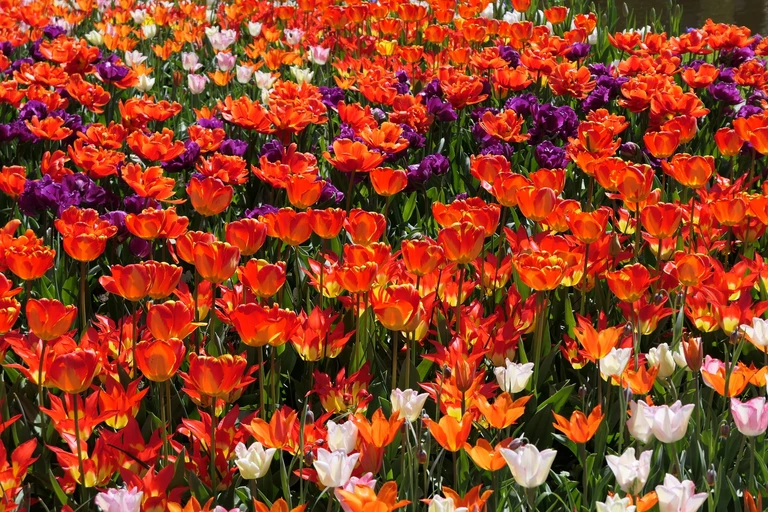
It is mid-morning on a bike path outside Lisse. The field on your left is purple, the next one is yellow, and the one after that is a red so loud it looks edited. Nobody grew any of it to be looked at. The farmers are after the bulbs, and in a few weeks they will cut every flower off.
So you go now. Later in the week: a garden in Leiden, replanted from a plan of 1594, that belonged to the professor who got the country started on tulips. A boat on Amsterdam's canals built out of plastic fished from those canals, and a net, so you can fish out some more. Windmills at Kinderdijk that families still live in. They are round on the inside, and the furniture is a known problem.
Four days, flat the whole way, with people you have not met yet.
Day by day
4 daysThe Tulips Started at a University
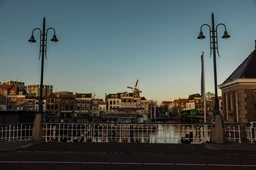 Leiden
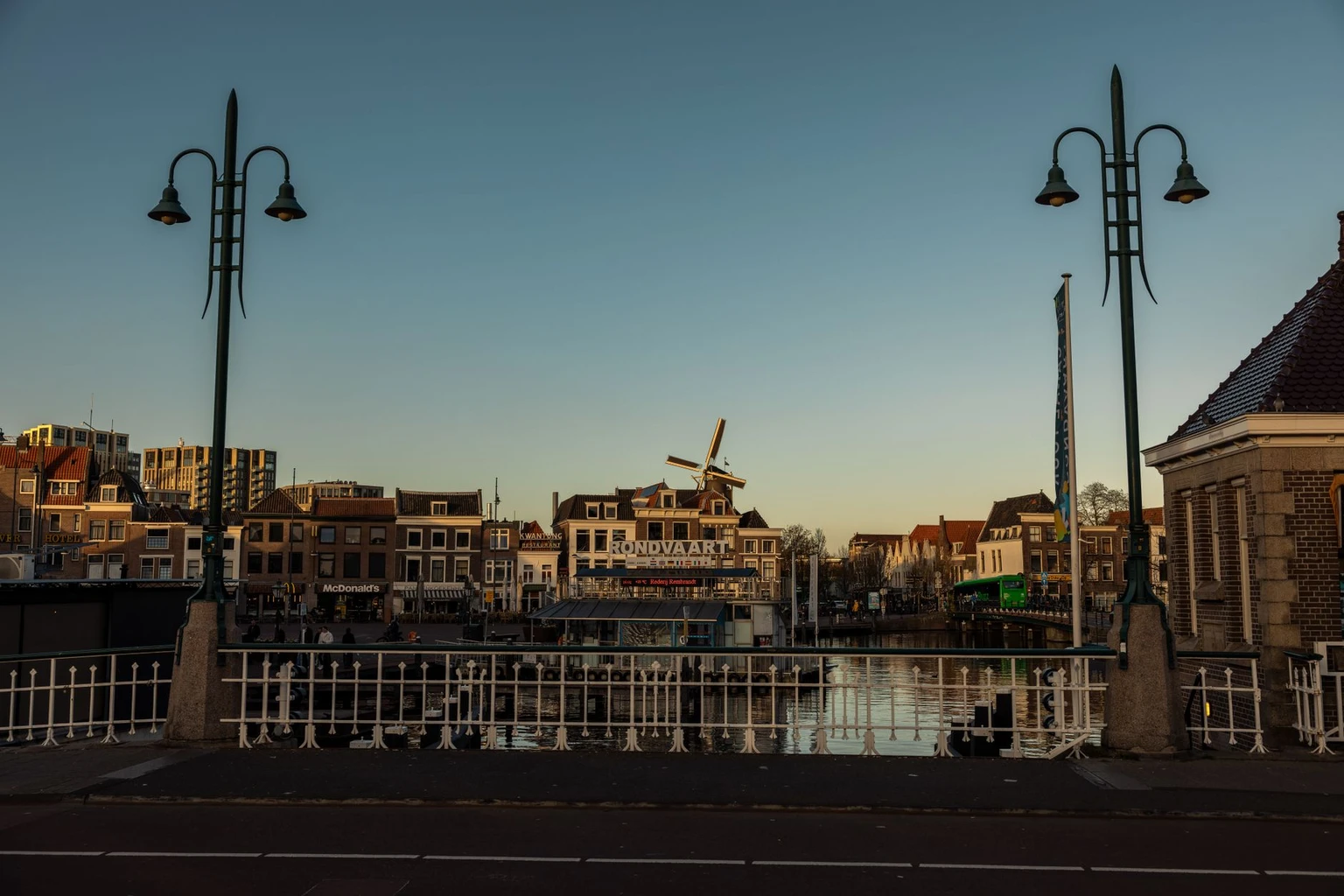
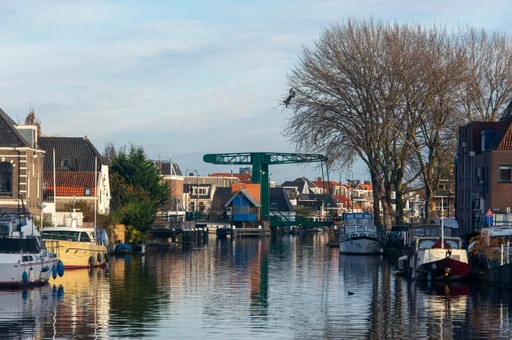
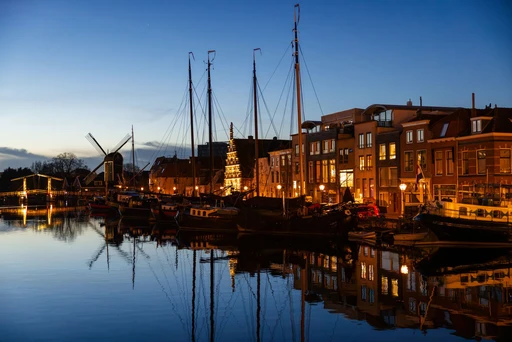
Dutch tulip growing began as a research project. In 1593 Leiden's university put a sixty-seven-year-old botanist named Carolus Clusius in charge of its garden, and he planted them. Forty-four years later a bulb auction in Haarlem famously could not find a single buyer, and tulip mania was over. A lot happened in between, and some of it is arguably his fault.
His garden is still here, behind the university, replanted bed by bed from a plan drawn in 1594. The original was about thirty-five meters by forty. More than a thousand kinds of plant. One professor. The oldest tree in the whole Hortus is a tulip tree from 1716, which is not a tulip, and which has outlived everyone who planted anything here.
Then the welcome dinner, and the round where everybody explains what they do for a living. Get it out of the way. Tomorrow you ride through the fields that garden started, and nobody will ask again.
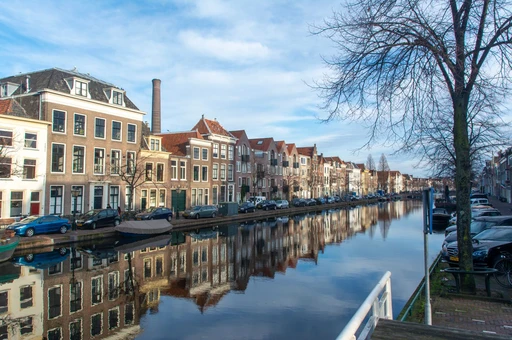

The Flowers Were Never the Crop
Leiden
 Keukenhof
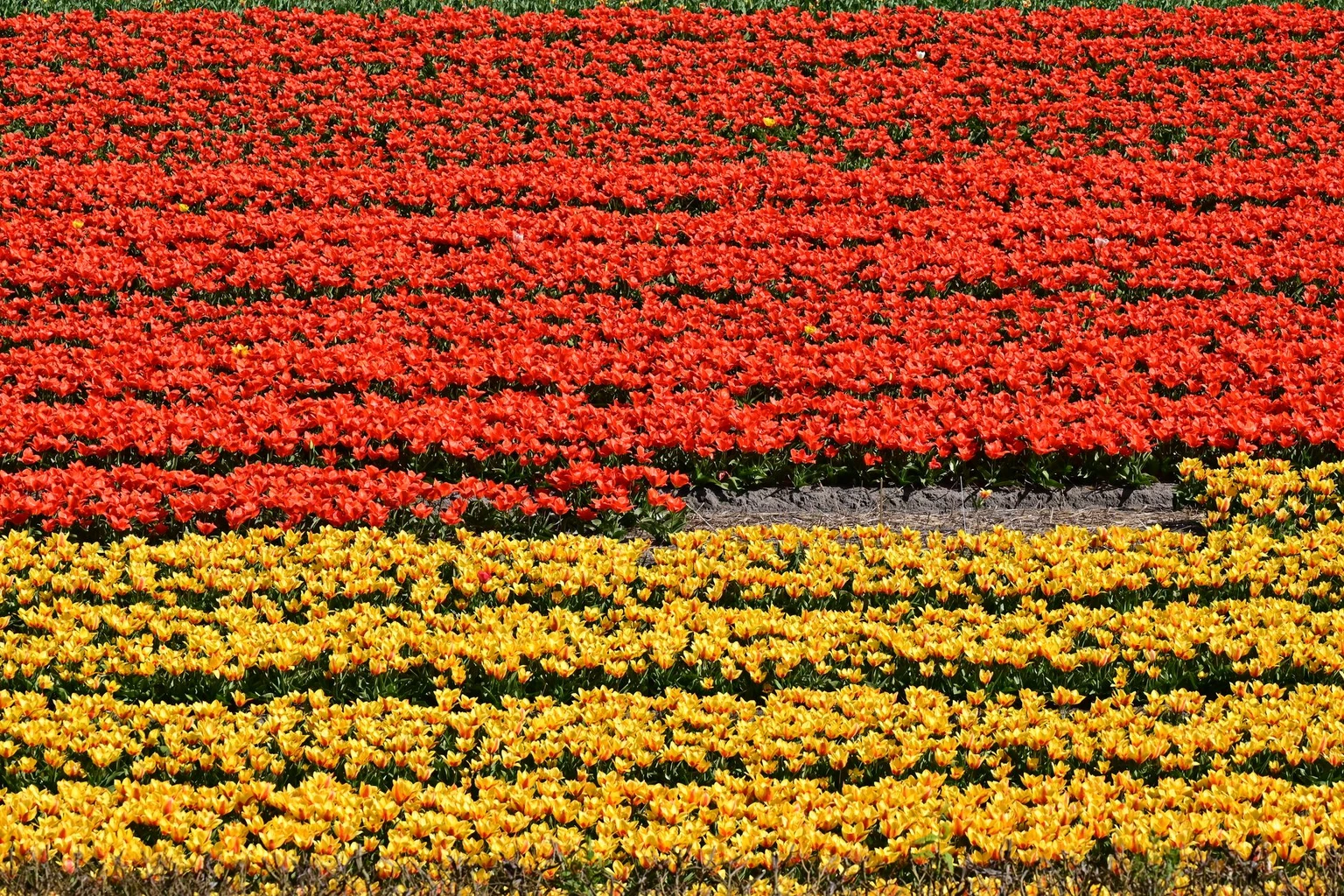
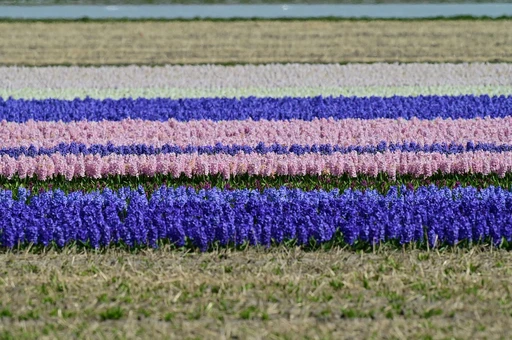
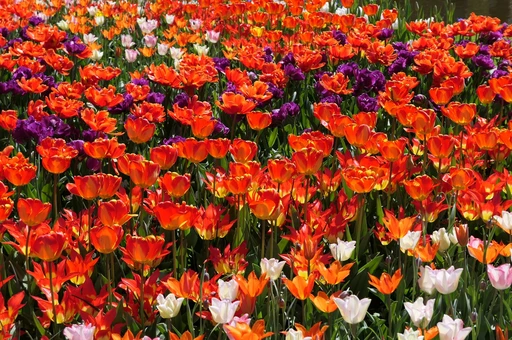
The strange part first. The farmers around Lisse grow tulips for the bulbs, not the flowers, and when a field is at its brightest a machine goes through it and cuts every head off, so the plant puts its strength back underground. The colors you came for are a side effect. They last a few weeks.
So you ride through them while they last: about twenty kilometers by bike with a local guide, all of it flat, with more stopping than riding. Hyacinths and daffodils come first in the season, tulips after. The fields are farmland, so you stay on the path and take the photograph from there. It still works.
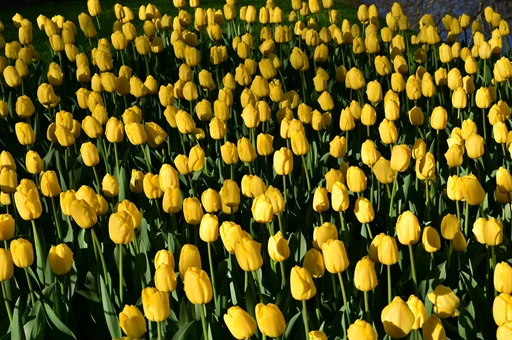
Then Keukenhof: seven million bulbs planted for eight weeks a year, in woods where a countess went hunting six hundred years ago. About 1.4 million people come in those eight weeks. It is busy, and it earns it.
Fishing for Plastic in a Boat Made of It
Keukenhof
Leiden
 Amsterdam
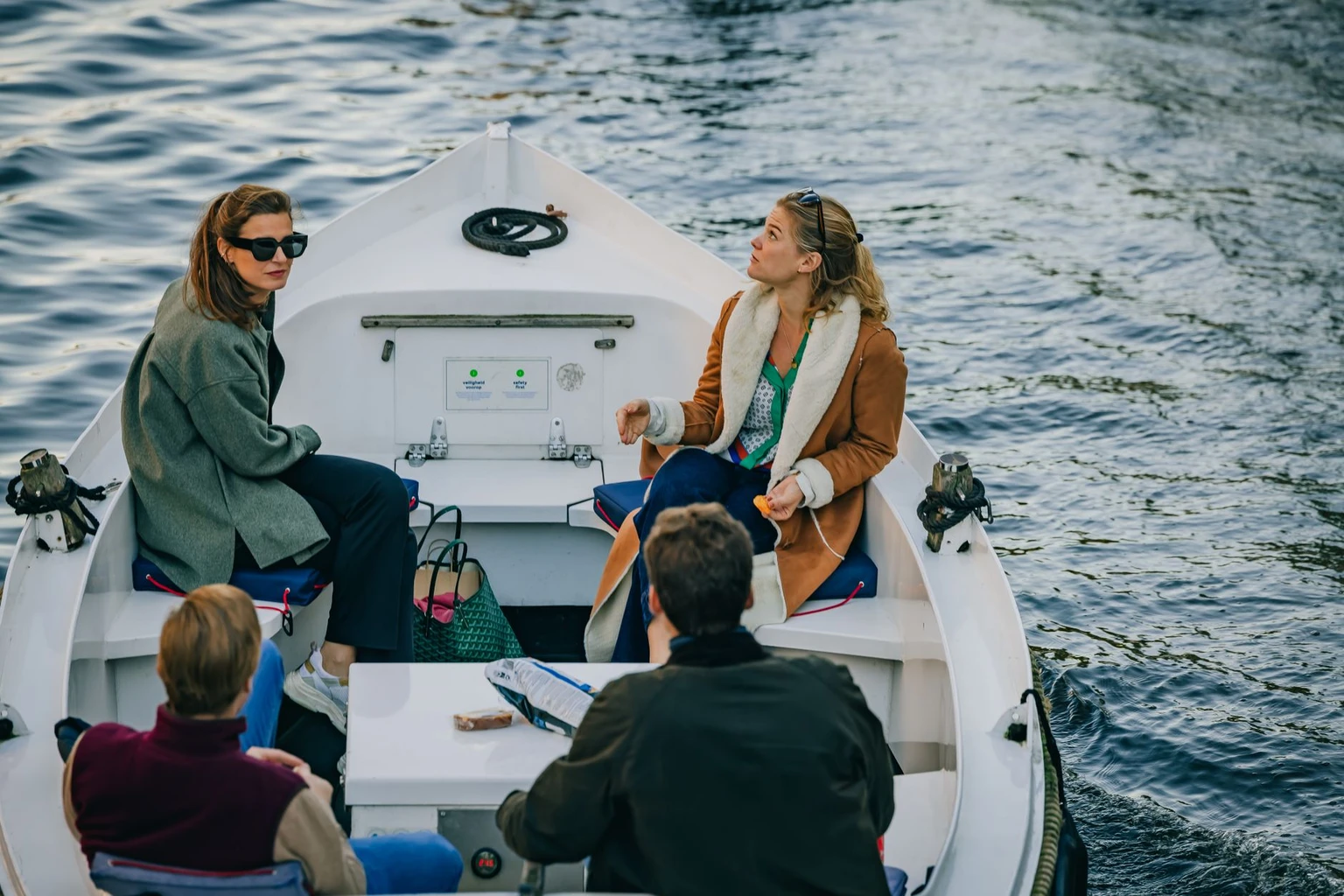
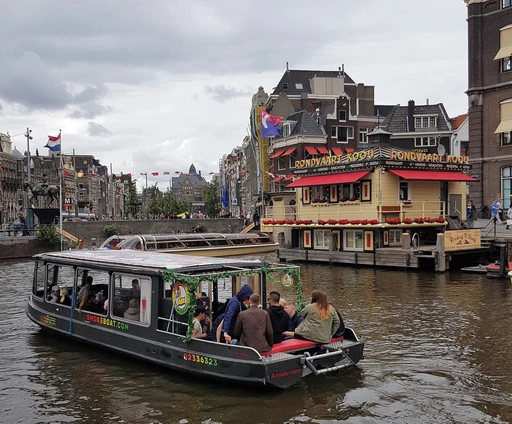
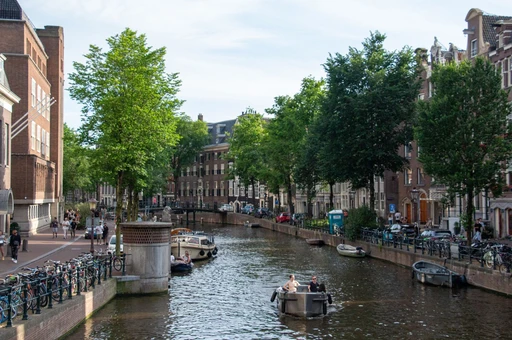
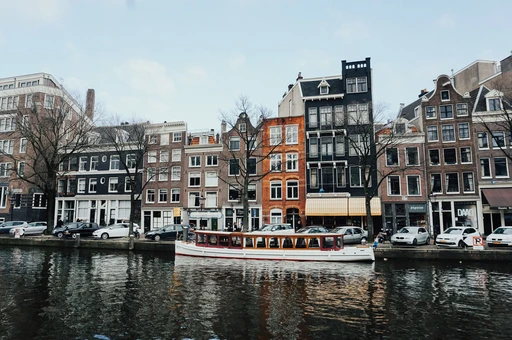
Amsterdam gets one day on this trip, and it starts at the waterline. The boat is small and open and built from plastic that was fished out of these canals. You are handed a long net and asked to fish out some more. After yesterday's seven million bulbs, it is a change to look for something nobody planted on purpose.
It is a competition, which nobody admits to caring about for the first ten minutes. There is a prize for the biggest haul and one for the most unusual catch, and by the second hour you are leaning into corners of the canals you would never otherwise have looked at.
The afternoon is yours, in a city with more museums than anybody gets through in one. Then back to Leiden for the farewell dinner, because tomorrow is a morning of windmills and then the goodbyes.
Somebody Lives in That Windmill
Amsterdam
Leiden
 Rotterdam
 Kinderdijk
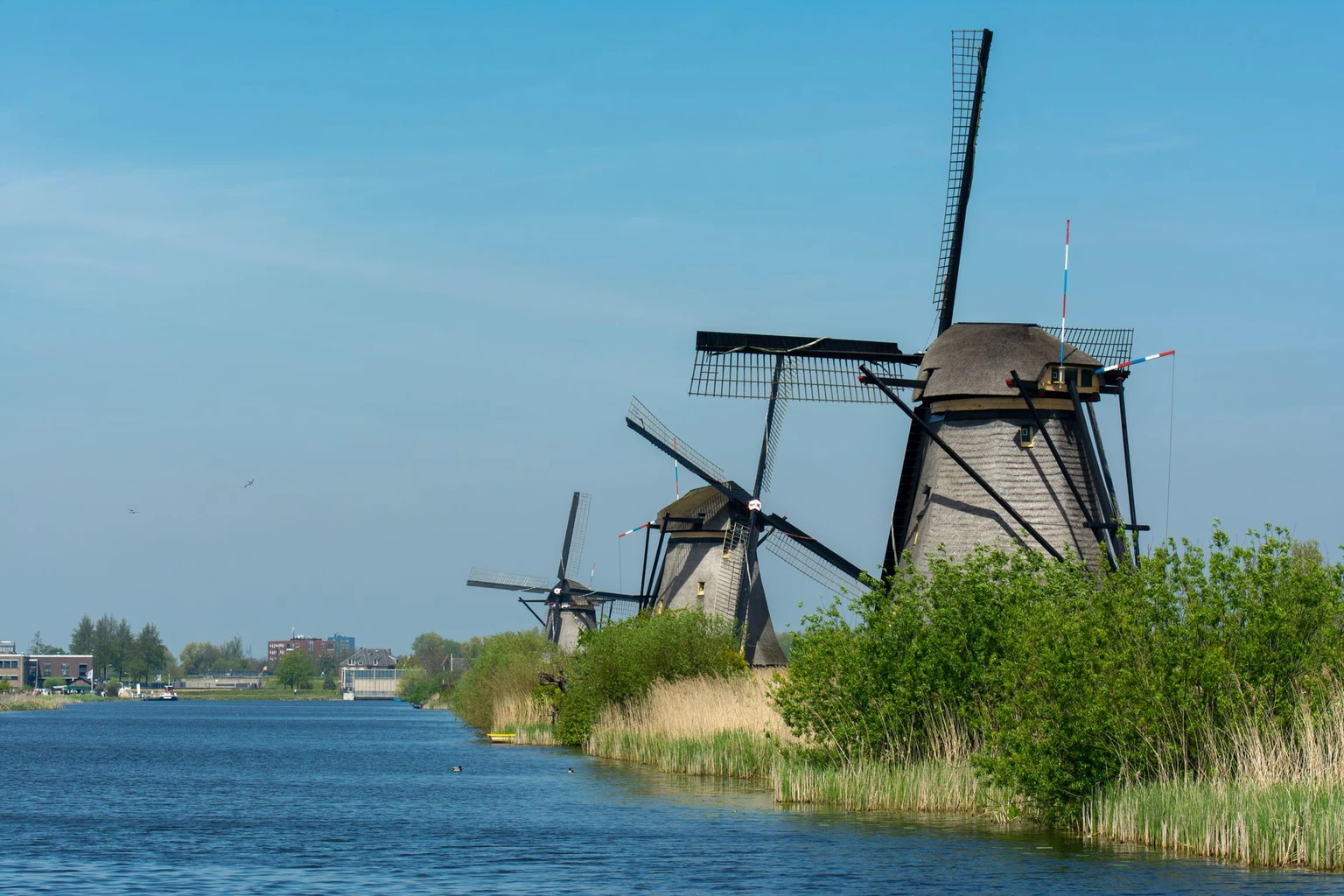
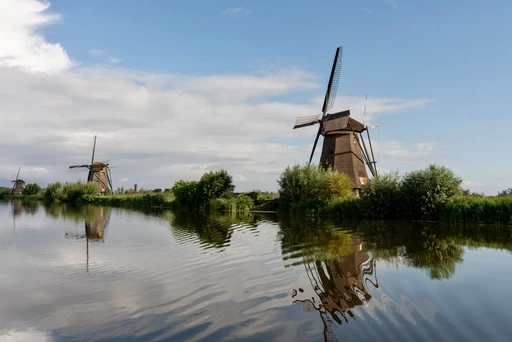
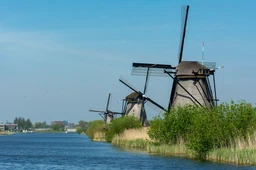
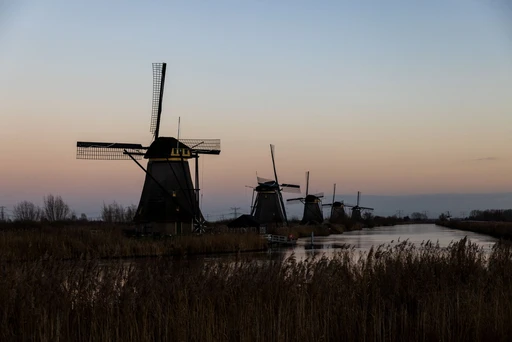
The boat down the river from Rotterdam takes about half an hour, and the skyline drops away behind you until there is nothing left but dikes, water and, eventually, sails. This is the day for the photograph your family expects. Take it.
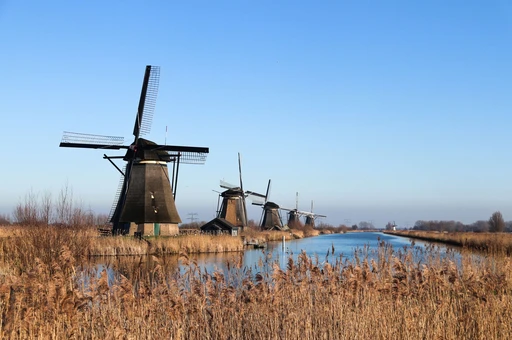
Kinderdijk has nineteen windmills, most of them built between 1738 and 1740 to lift water off land that kept sinking while the river beside it kept rising. They still work, as the backup to the pumping stations, and millers' families still live in many of them. The mills are round on the inside. Kinderdijk's own staff admit this makes furniture difficult.
Four days ago you were explaining your job title in Leiden. Now there is a group chat named after a windmill, a camera roll in stripes, and a net's worth of Amsterdam plastic that one of you is still talking about.
Upcoming trips
3 trips
Leiden → Kinderdijk·4 days
Coordinator
?To be announced
$1,059 / person
Available
Thu 8–Sun 11 Apr
Leiden → Kinderdijk·4 days
Coordinator
?To be announced
$1,059 / person
Available
Thu 22–Sun 25 Apr
Leiden → Kinderdijk·4 days
Coordinator
?To be announced
$1,059 / person
Available
Ask us to run one for your group →
Paying and canceling
Canceling is free until a trip confirms. From the day it does: