 Spain
Find the line in a cliff where the dinosaurs ended
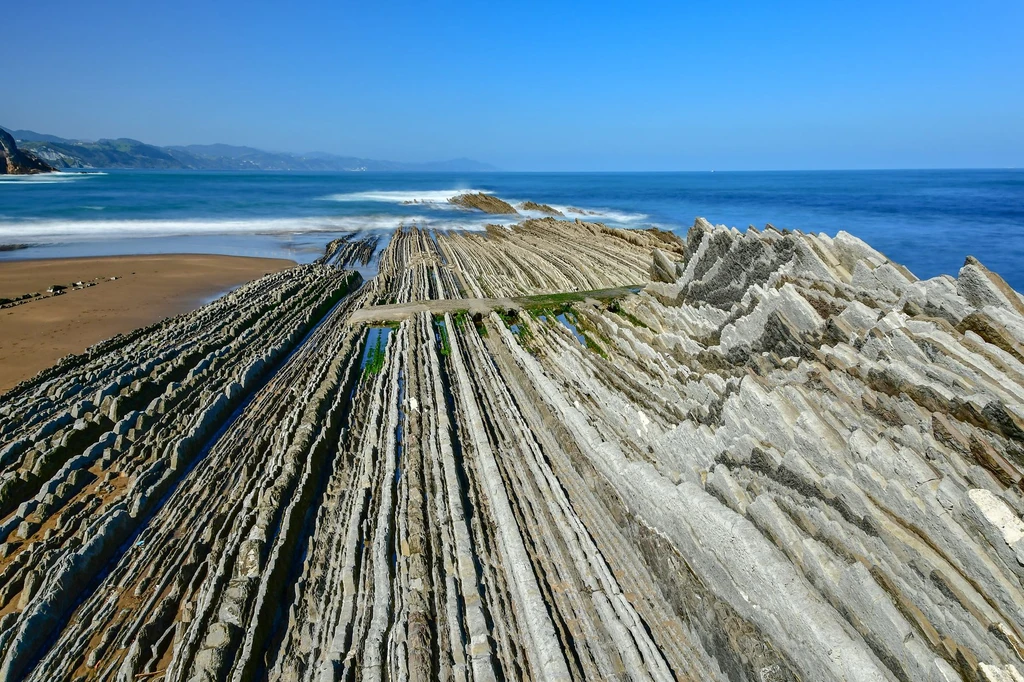
The cliffs at Zumaia are flysch: layer after layer of rock laid down on the seabed, then tipped on their side like a fallen stack of plates. Read from one end to the other, they hold more than fifteen million years of the Earth's history, and researchers come from all over the world to read them.
The way to see them is from underneath. A small boat leaves the quay in Zumaia and runs along the foot of the cliffs for about three quarters of an hour, close enough to count the stripes. It only goes when the sea allows; on a rough day the boat stays in and the cliffs are seen from the path along the top.
Somewhere in the stack, at a cove called Algorri, is a thin dark line. It was laid down when an asteroid hit the other side of the planet, and below it there are dinosaurs and above it there are not. Further along, geologists have put two golden spikes into the same cliffs to mark where two ages of the Earth begin, which is as close as geology gets to a medal ceremony.
How to get there
More to do in Spain
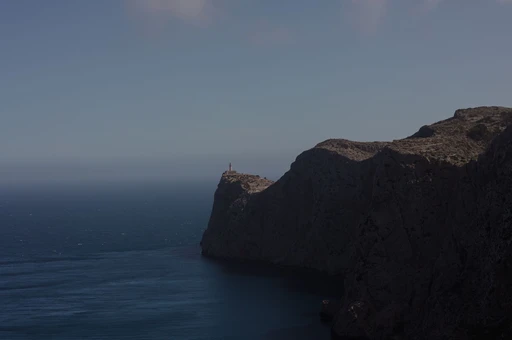 Beat the sun to a lighthouse at the far end of a peninsula
Cap de Formentor
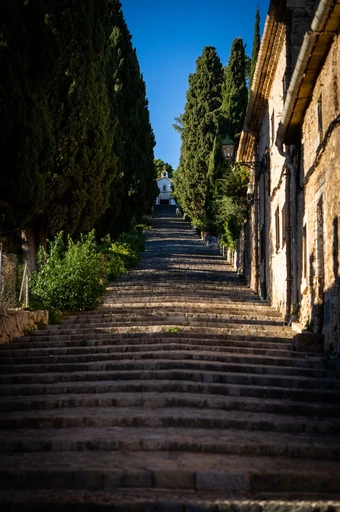 Climb a stair with one step for every day of the year
Pollença
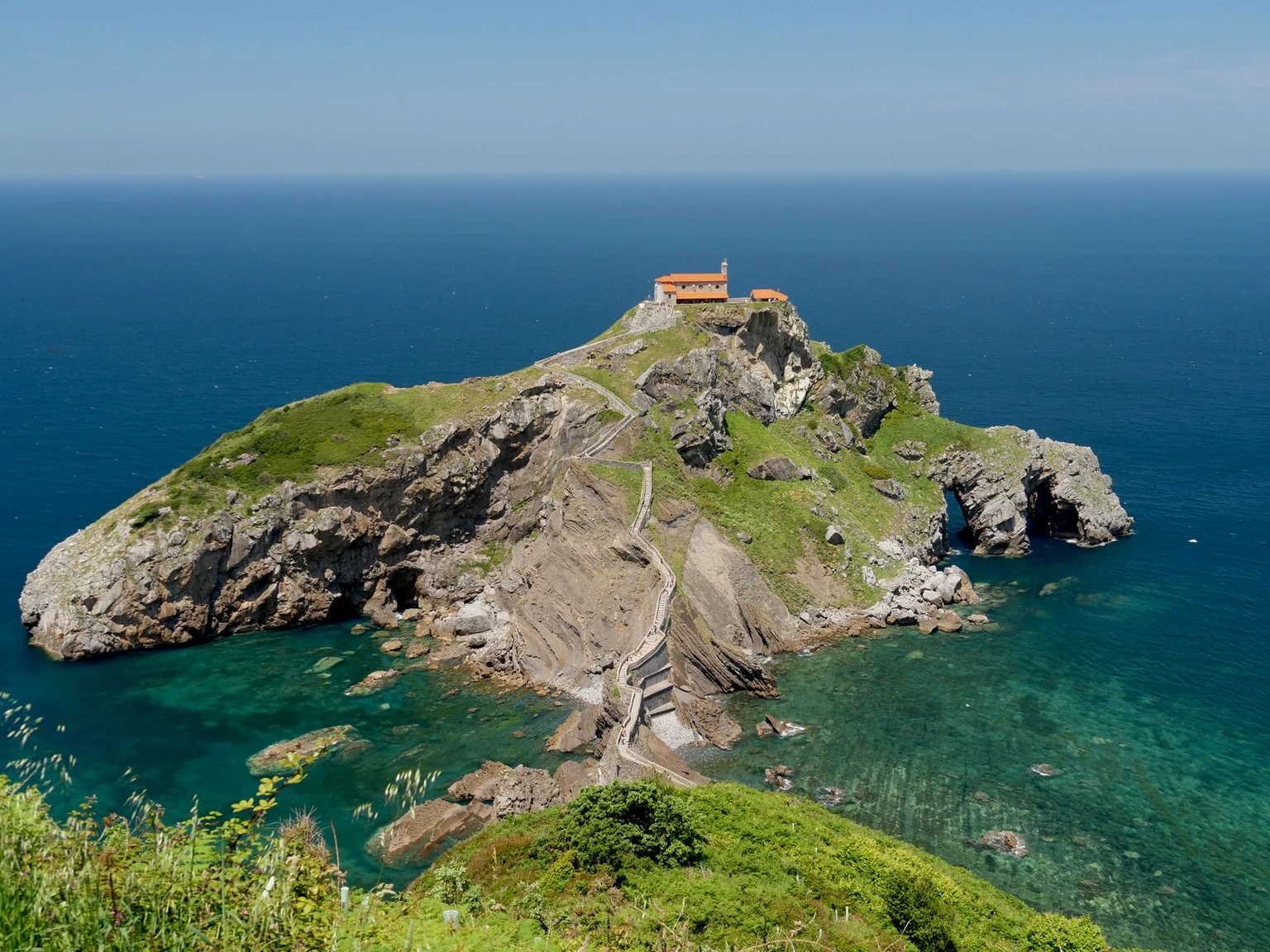
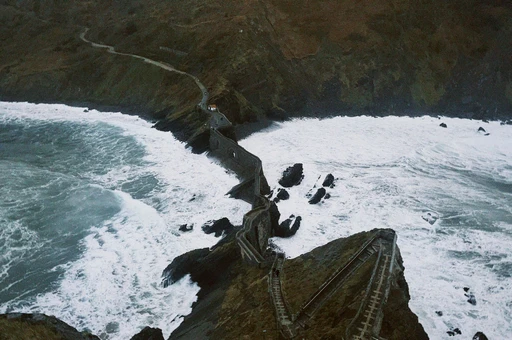 Climb the steps to a hermitage on a rock in the sea
San Juan de Gaztelugatxe
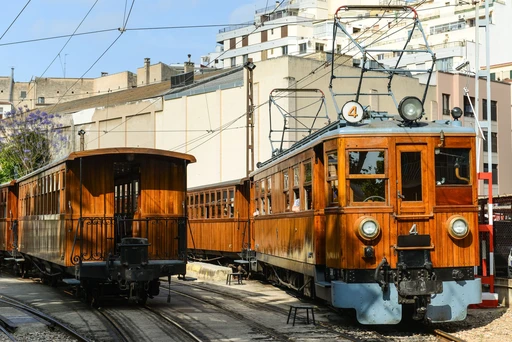 Ride the wooden train that oranges paid for
Sóller
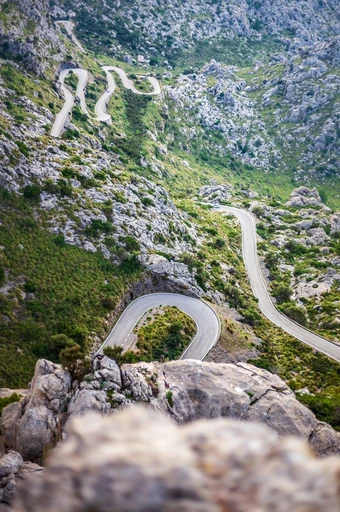 Ride up a road that ties itself in a knot
Sa Calobra
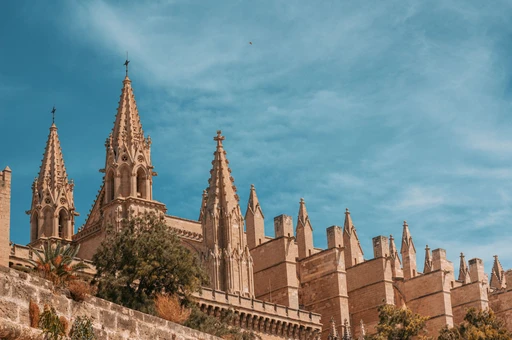 Walk across the roof of Palma's cathedral
Palma