Mallorca: Sóller, Sa Calobra and the North Coast
 Palma
→
 Sóller
→
 Port de Sóller
→
Sa Calobra
→
 Pollença
→
 Deià
→…
What you’ll remember
6 of them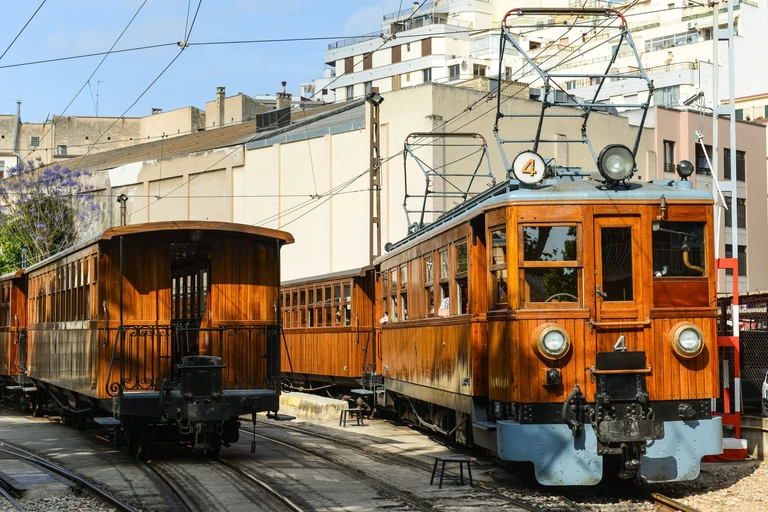 Day 2
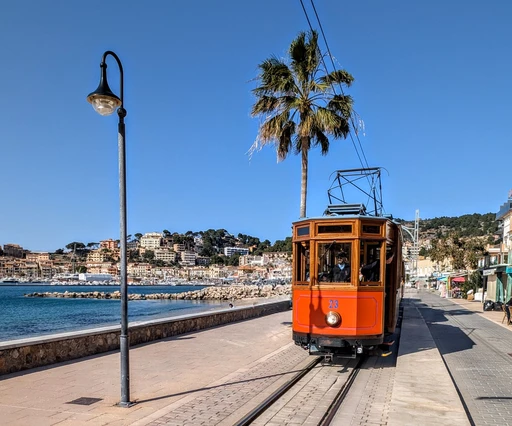
Ride the wooden train that oranges paid for
 Day 3
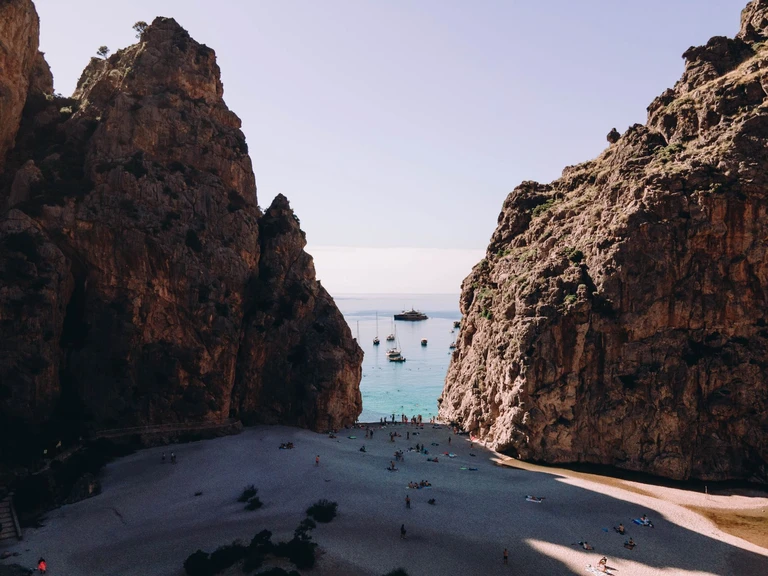
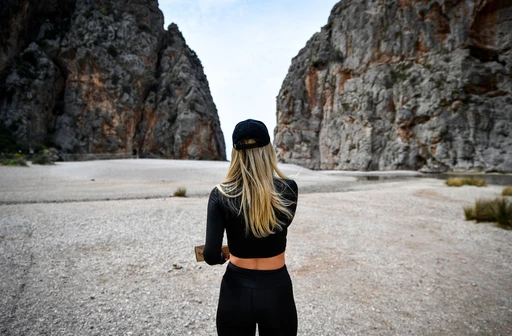
Walk through the cliff to where a gorge ends at the sea
 Day 3
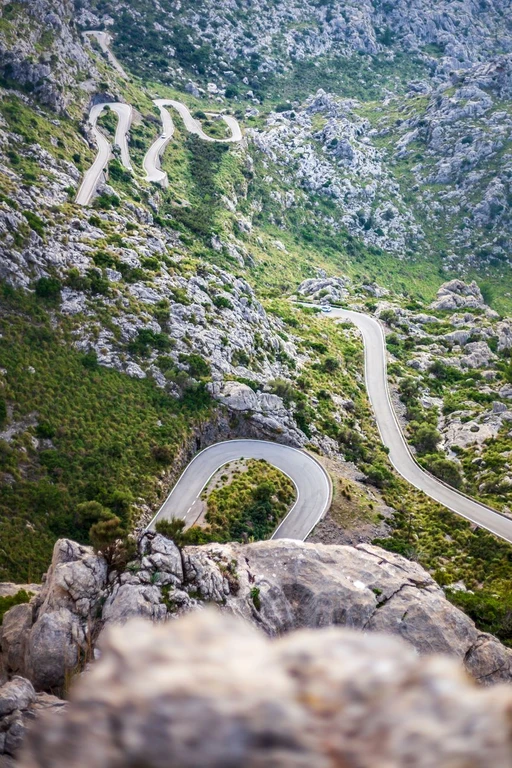
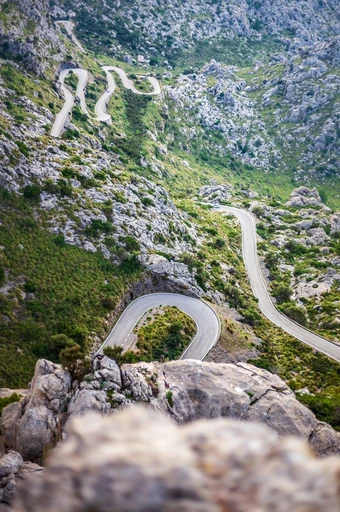
Ride up a road that ties itself in a knot
 Day 4
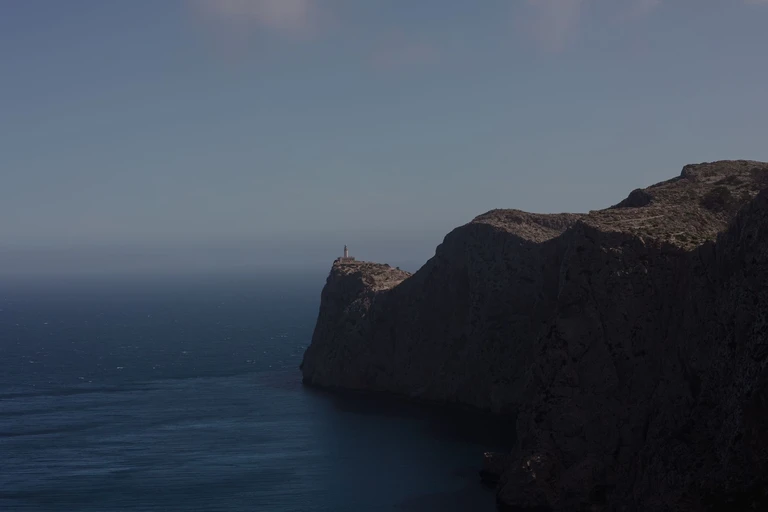
Beat the sun to a lighthouse at the far end of a peninsula
 Day 4
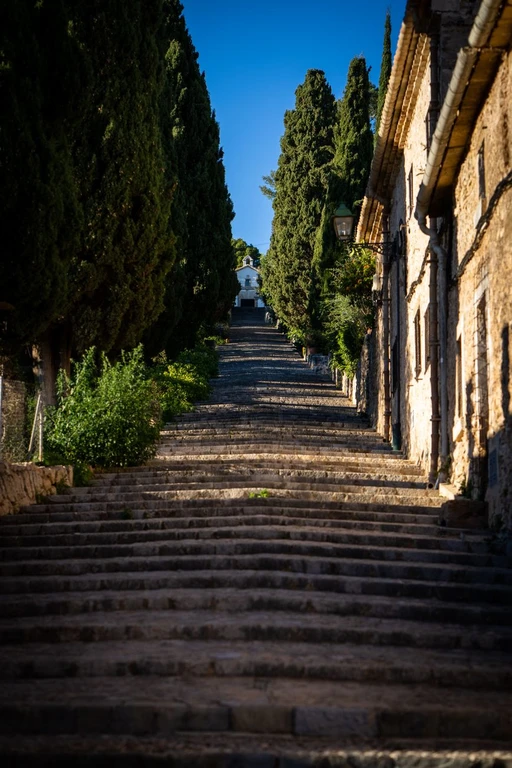
Climb a stair with one step for every day of the year
 Day 5
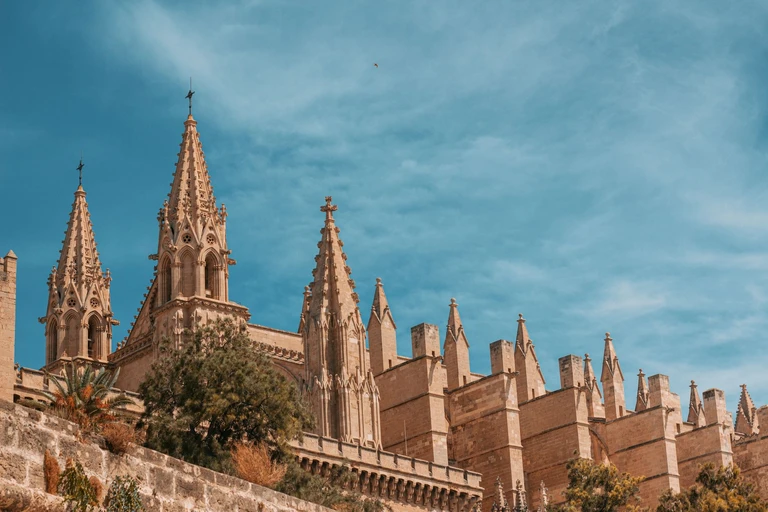
Walk across the roof of Palma's cathedral
What’s included
- Hotels every night
- Breakfast every morning
- Welcome dinner in Palma
- 2 dinners
- Farewell dinner in Palma
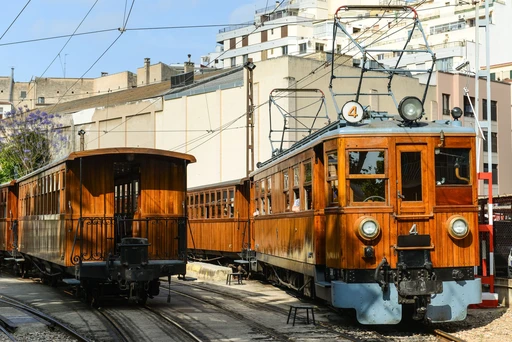
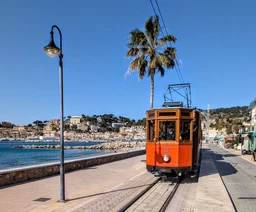
- The wooden train to Sóller
- Boat to Sa Calobra
- All transport during the trip
- All entry tickets
About this trip
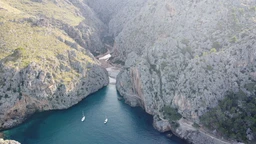
Until 1933 there was no road to Sa Calobra. You arrive the way everybody used to, by boat, an hour along the north coast of Mallorca under cliffs the mountains drop straight into, and then walk through the rock to the beach where the Torrent de Pareis runs out of mountain and stops at the sea.
This side of the island was always easier to reach from the water. Sóller built its own railway in 1912 with orange money and still waited until 1997 for a road tunnel. The lighthouse on Cap de Formentor went up with its stone landed by sea and hauled up the cliff on a winch that took forty men to turn. You ride the wooden train, climb out of Sa Calobra on a road that ties itself in a knot, and stand at that lighthouse as the sun comes out of the sea, with a group that meets in Palma as strangers and ends the week on the cathedral roof, pointing out where everything was.
Day by day
6 daysGaudí Rearranged the Furniture
 Palma
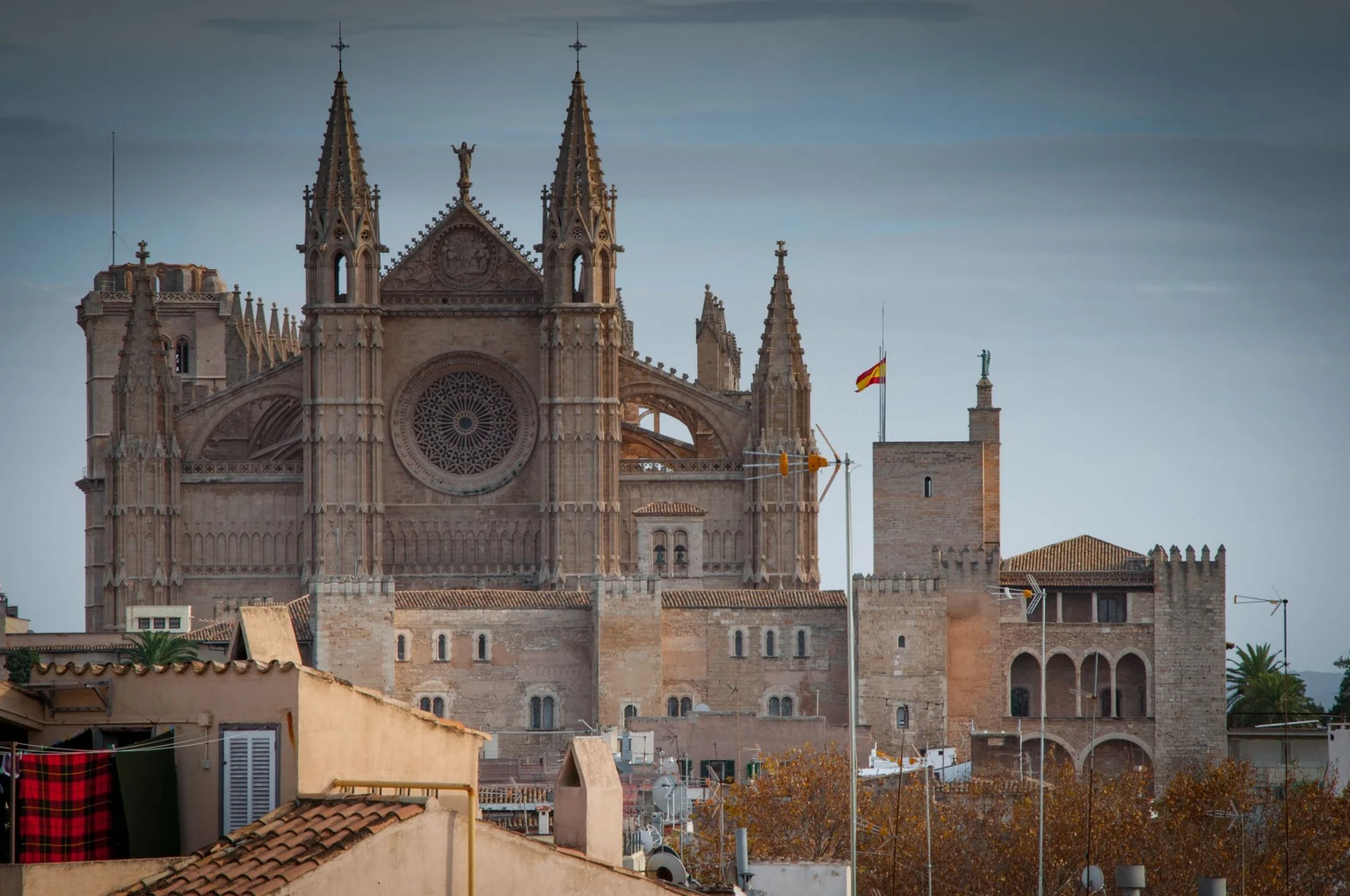
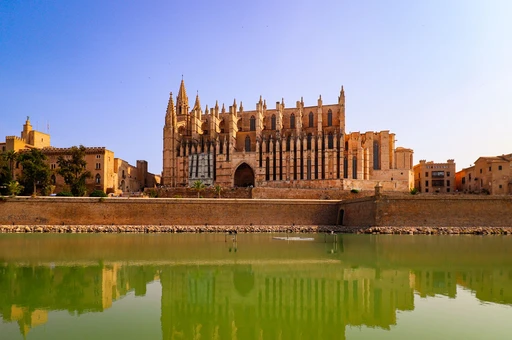
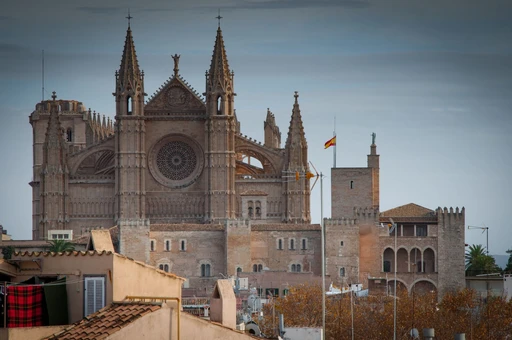
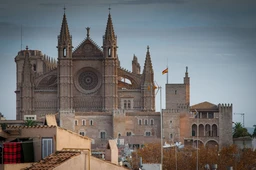
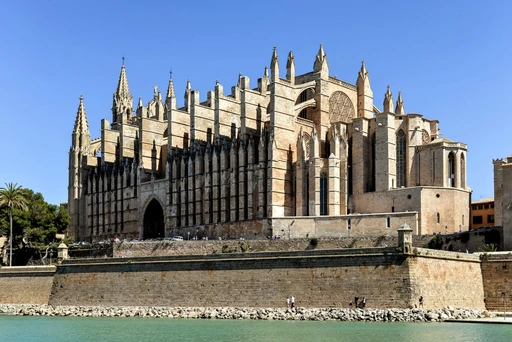
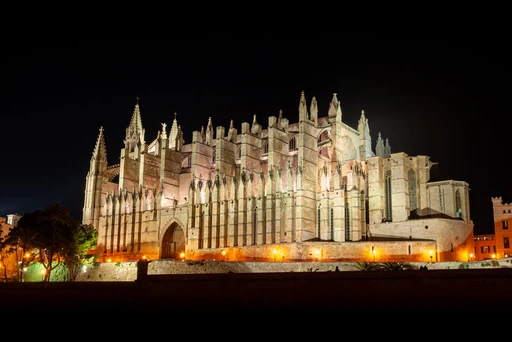
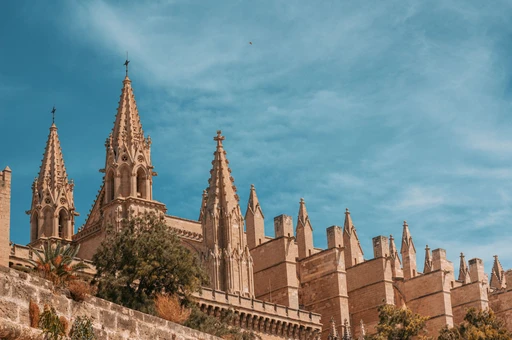
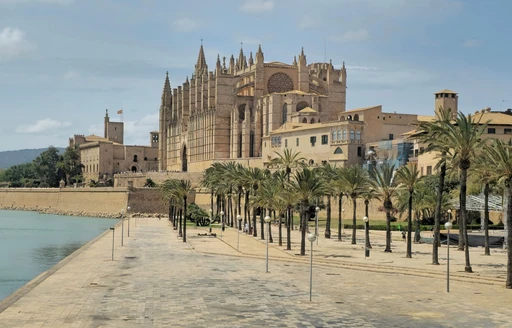
Palma's cathedral stands where the city's biggest mosque stood until the conquest of 1229, up on the old sea wall. Early in the 1900s the bishop brought in Antoni Gaudí to modernize the inside. He moved the choir stalls out of the middle of the nave, hung a great canopy over the altar and spent about ten years at it. Not everybody has forgiven him.
Your coordinator meets the group in the old town and walks you along the walls as the light goes. Then the welcome dinner, and the first serious attempt at everyone's name.
On day 5 you go up on that roof. Tonight, just look at it.
A Train Paid For in Oranges
Palma
 Sóller
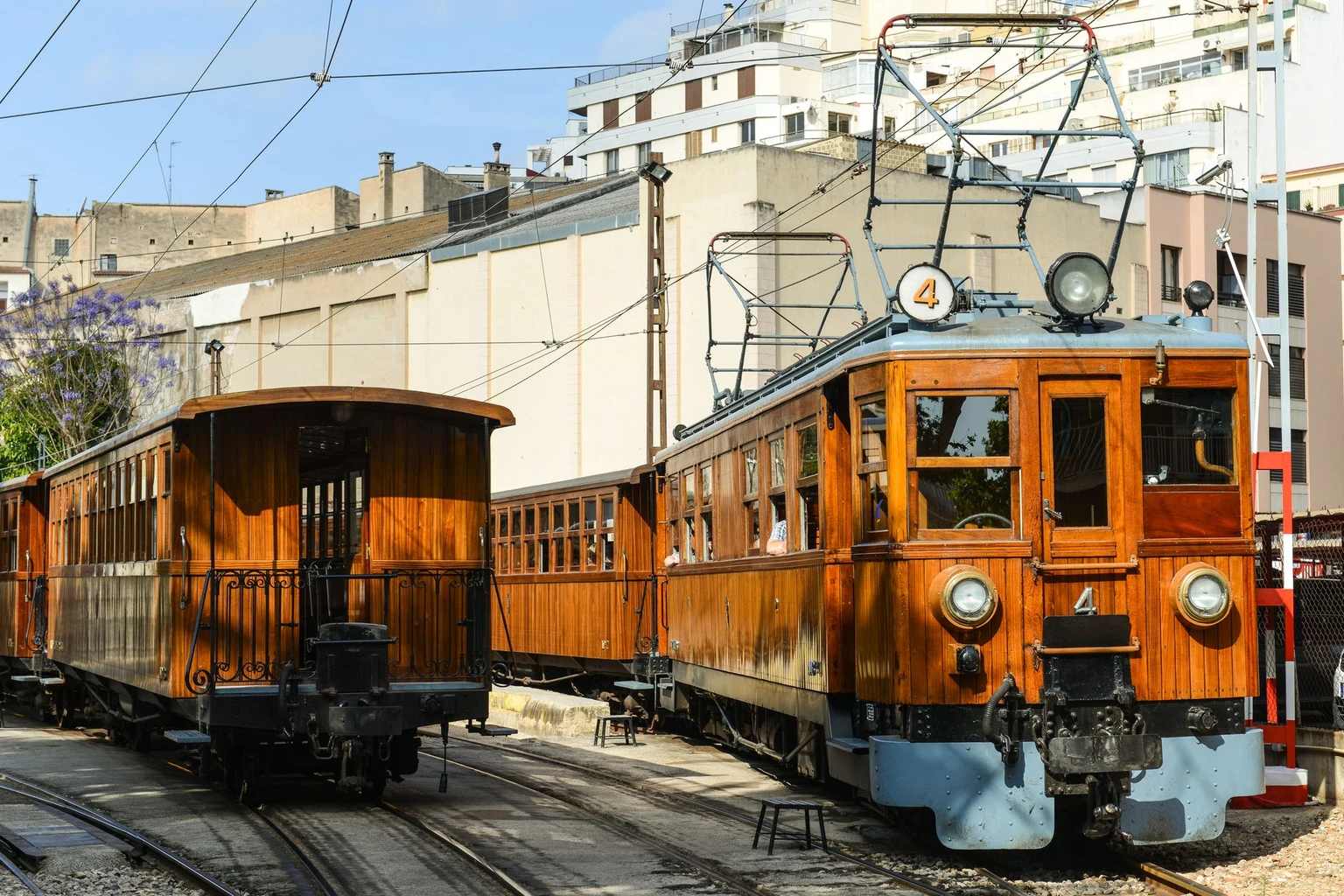
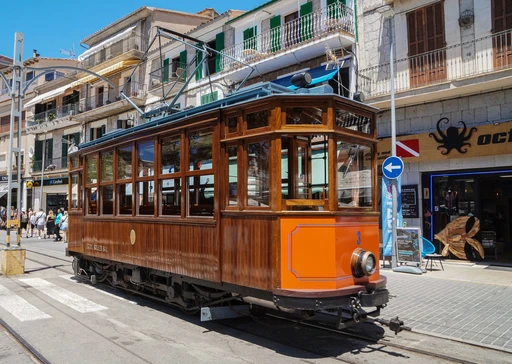
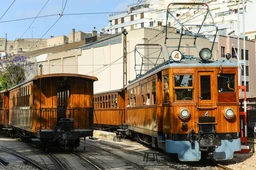
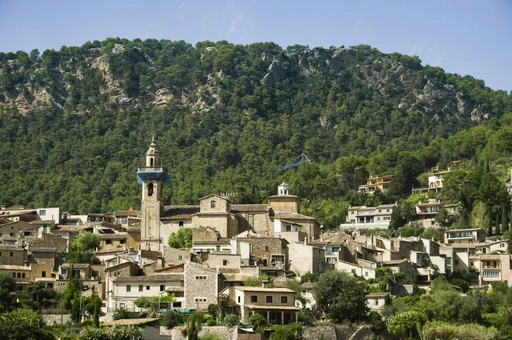
Sóller sits in a bowl of mountains on the far side of a pass from Palma, and at the start of the last century it got tired of the pass. The valley paid for its own railway with orange and lemon money, opened it in 1912, and you ride it today in wooden carriages, through the mountain and down above the orange groves. The road tunnel came in 1997. Until then, every car went over the top.
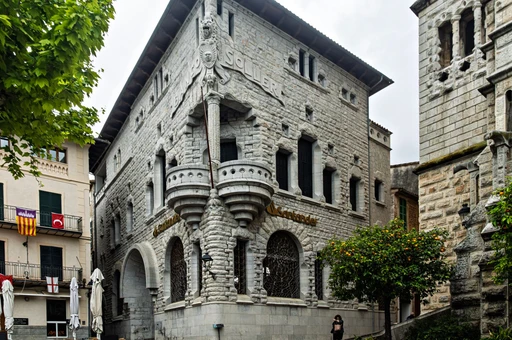
When the orange trade hit a crisis at the end of the 1800s, a lot of Sóller left for France. The ones who came home with money built the Modernista houses in the middle of town, and the bank and the church front on the square are by Joan Rubió, who had worked inside Palma's cathedral with Gaudí. Day 1, following you around.
Dinner in Sóller tonight.
The Old Way In
Sóller
 Port de Sóller
 Sa Calobra
 Torrent de Pareis
 Lluc
 Pollença
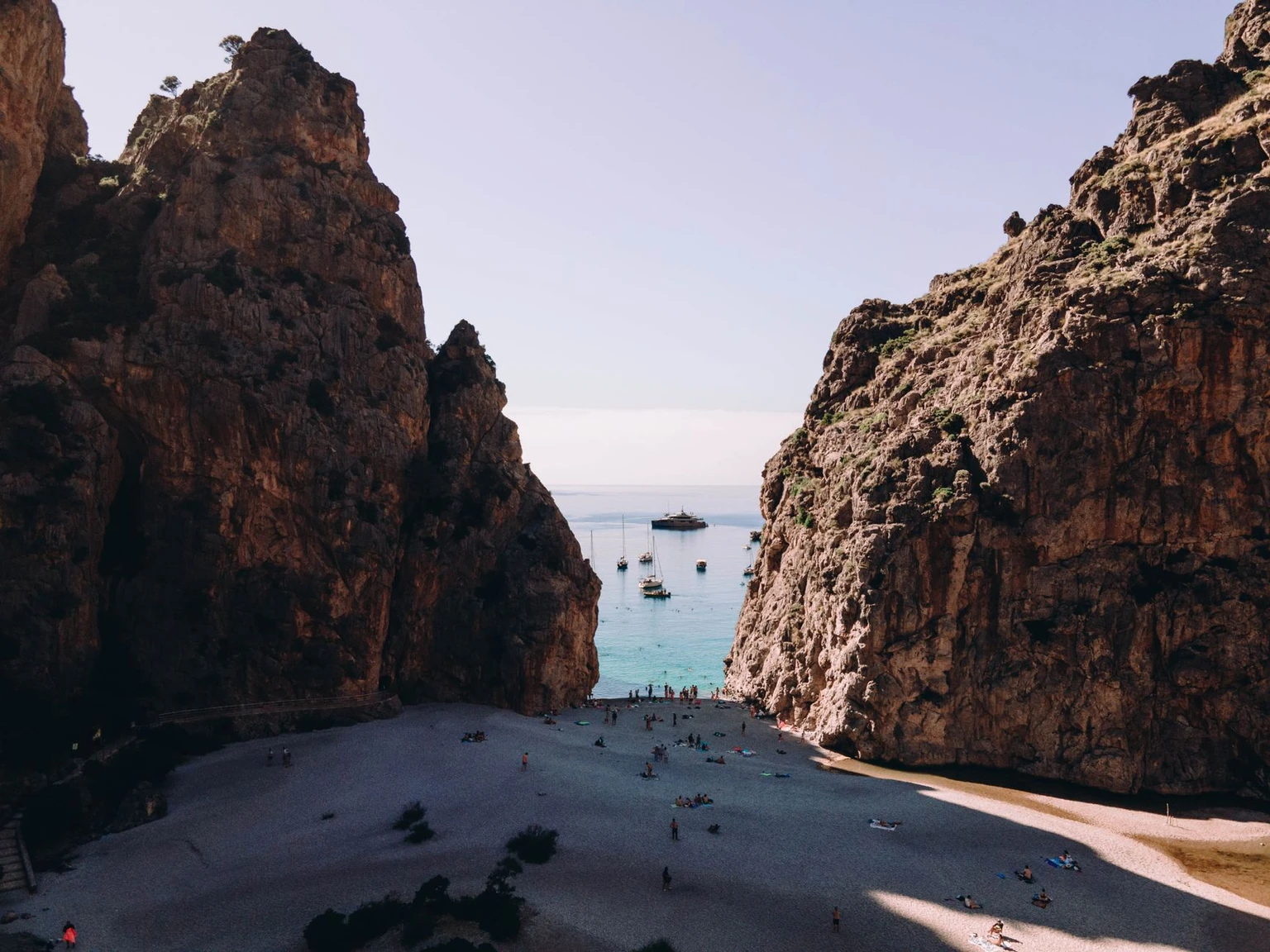
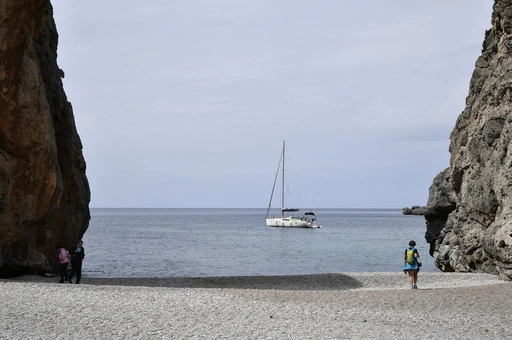
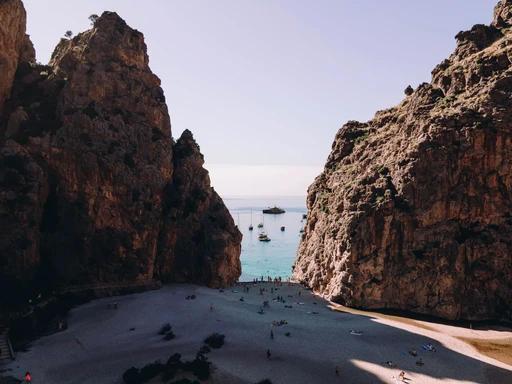
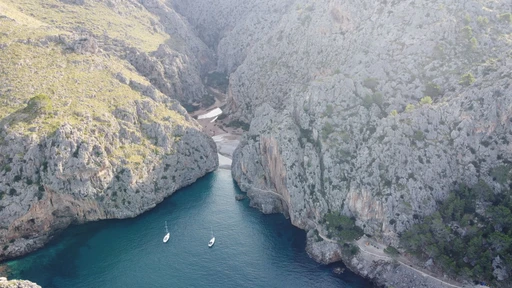
Until 1933 there was no road to Sa Calobra. So you arrive the old way. The boat runs an hour east from Port de Sóller under the north coast's cliffs and puts you ashore in a cove with eighteen registered residents and a great deal of mountain behind it.
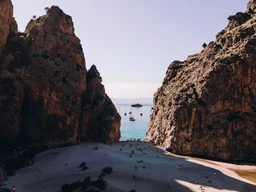
Then the good bit. A path cut through the cliff in 1950 takes you through two tunnels and out onto a wide bank of pale stones, where the Torrent de Pareis comes out of the mountain at the end of three kilometers of gorge and simply stops at the sea. Walking the whole gorge from the top is a scramble of four or five hours that people bring rope for. You are doing the last ten minutes, which is the part on every postcard anyway.
Then you leave by road, and what a road. Antonio Parietti laid it out to be driven for the view, and near the top it turns 270 degrees and passes under itself. Locals call that bit the knot of the tie. Pollença tonight, by way of the monastery at Lluc, where a children's choir in blue has sung since the 1500s and, if the timing is kind, still does.
Forty Men and a Winch
Pollença
Mirador d'es Colomer
 Cap de Formentor
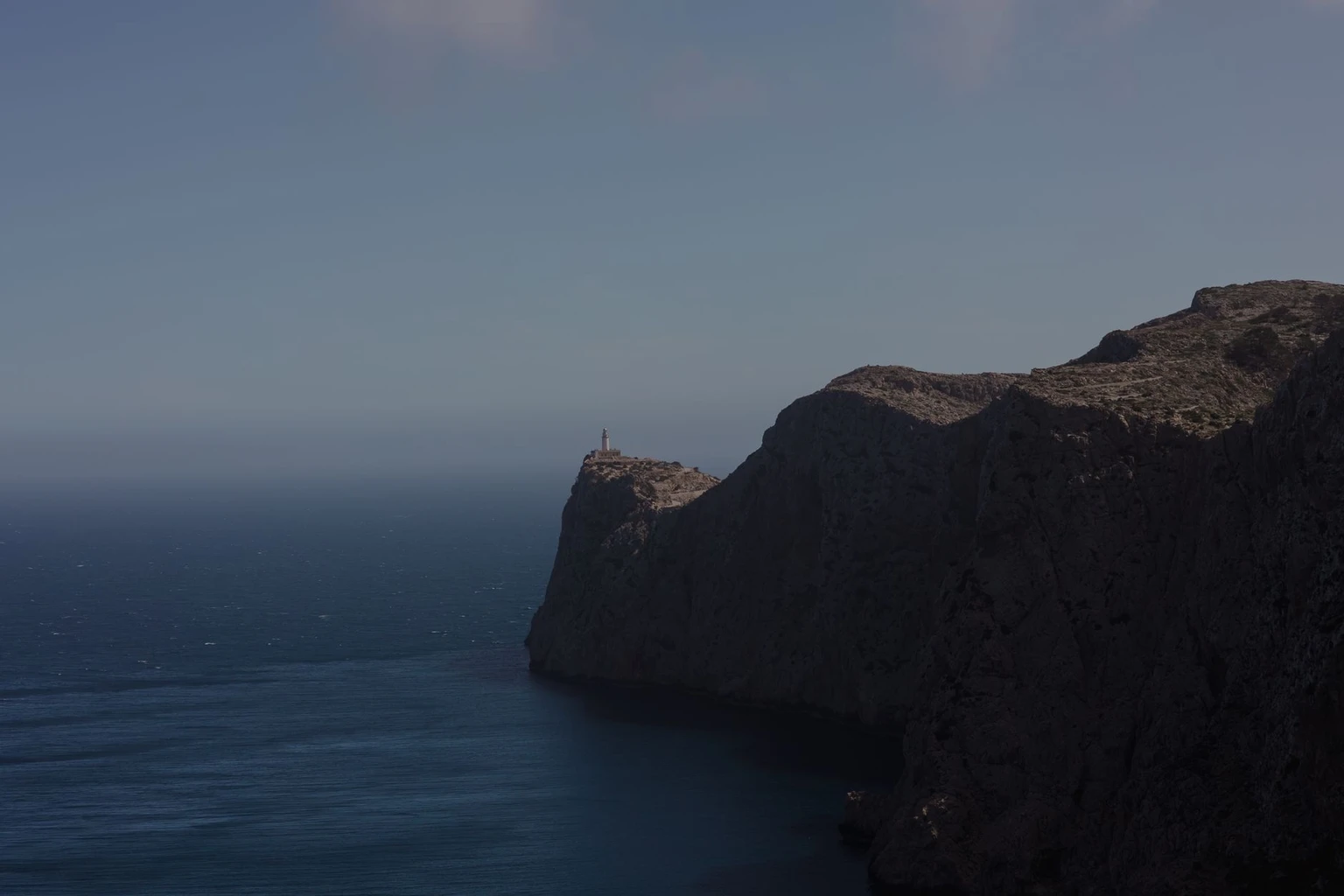
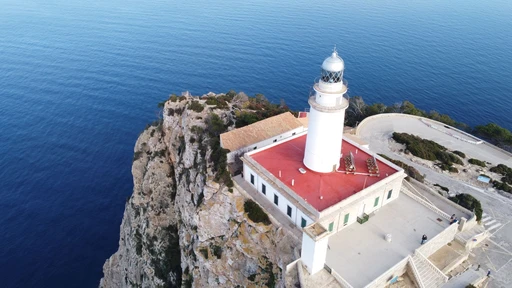
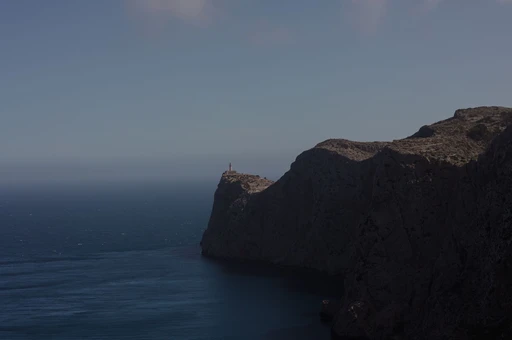
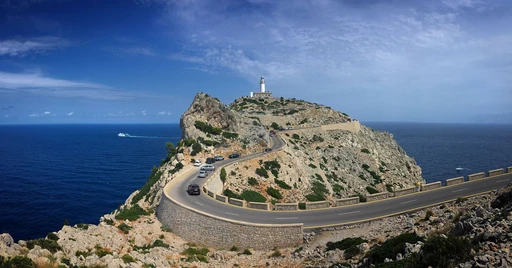
This is the early one, and we are sorry, and we would do it again. At first light the road out along the Formentor peninsula is empty, and when the sun comes up out of the sea you are at the lighthouse on the very end of it, about two hundred meters above the water, with Menorca on the horizon if the air is clear.
When the lighthouse went up in the early 1860s there was no road at all. The stone came in by sea and went up the cliff on a winch that took forty men to turn. The road you drove out on came sixty years later, and it is Antonio Parietti's work again, the man behind yesterday's knot.
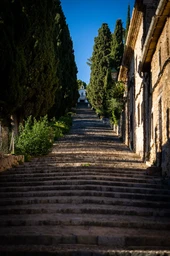
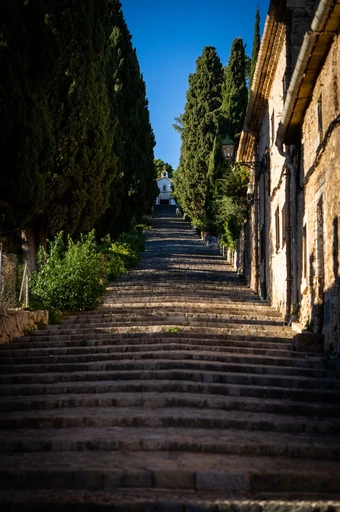
Breakfast back in Pollença, then nothing much, on purpose. Day 4 is the slow one. Toward evening there are 365 steps up to the chapel on the Calvari, one for every day of the year, for anybody who wants them. Dinner in Pollença.
Mallorca, Reviewed
Cap de Formentor
Pollença
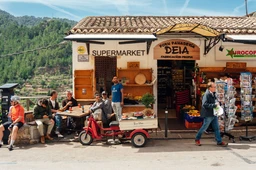 Deià
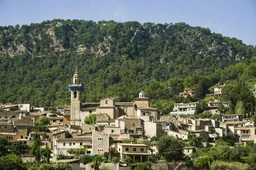 Valldemossa
Palma
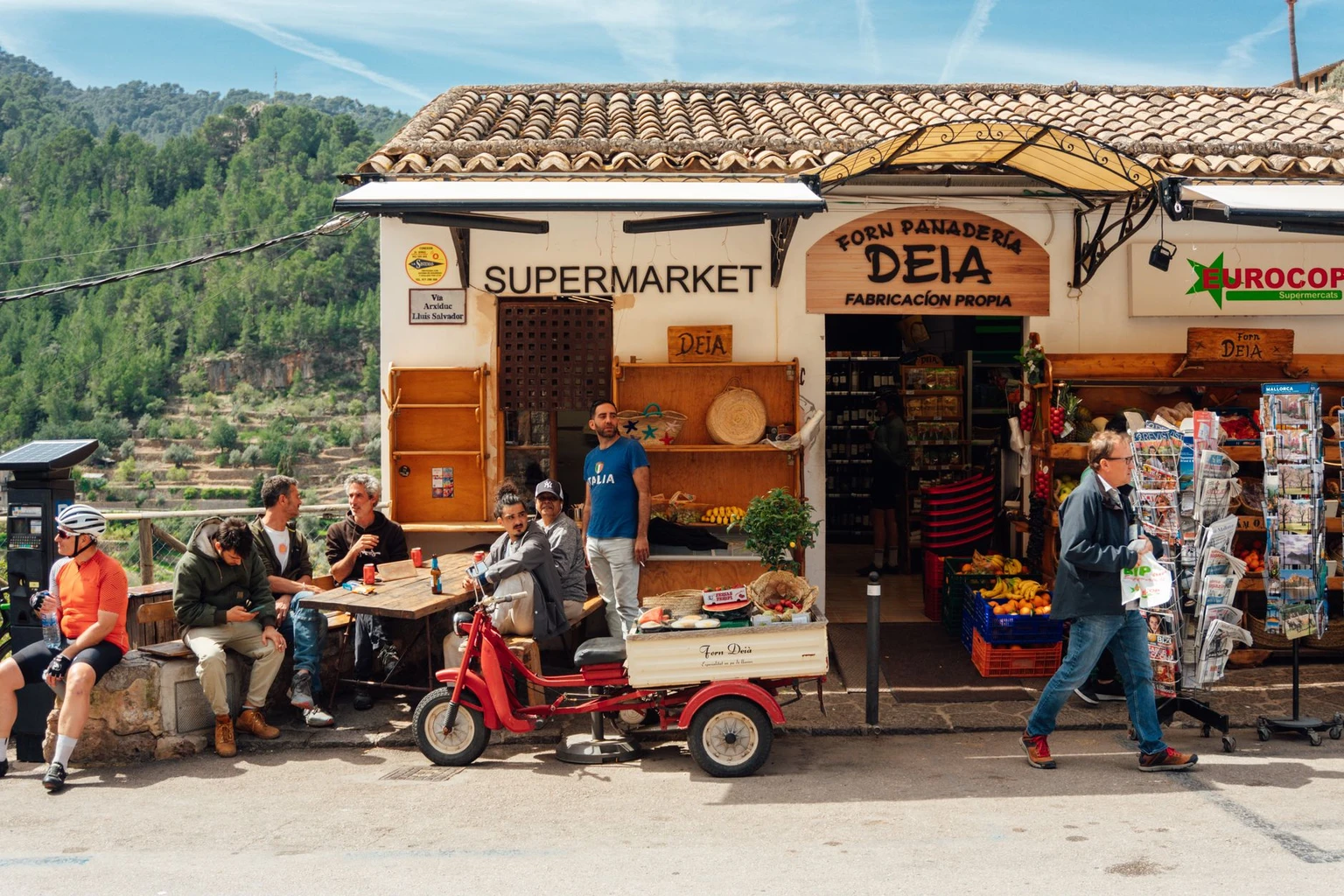
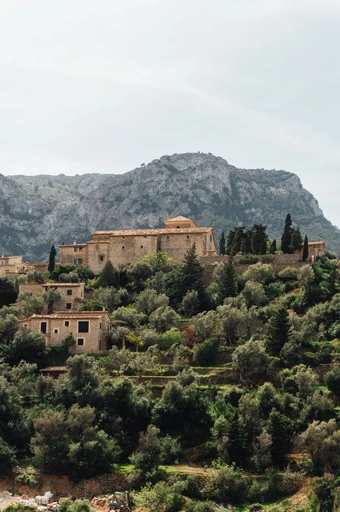
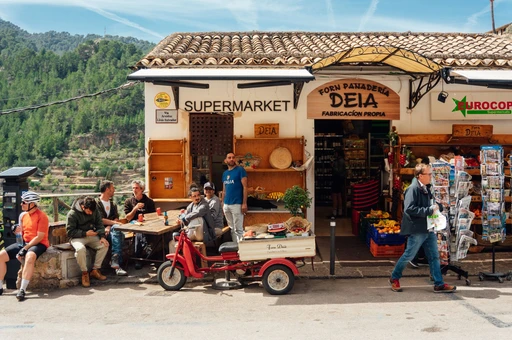
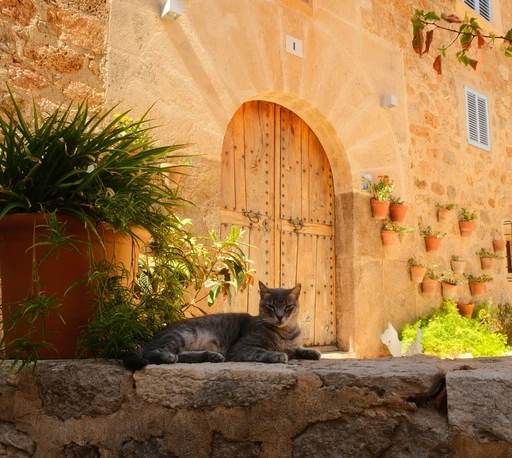
Robert Graves came to Deià in 1929 and built a house among the olive trees. The Civil War sent him away in 1936, he came back ten years later, and he stayed until he died in 1985. I, Claudius came out of the first of those stretches. His house is kept the way he lived in it, kitchen, printing press and study, and he is buried in the churchyard on the hill above the village.
Valldemossa is the most visited stop of the day and the least surprising, which is fine, because you are here for a review. Chopin and George Sand spent the winter of 1838 in the old monastery. He was ill, the winter was miserable, and Sand went home and wrote a book about the island that was, by any measure, rude about the people in it.
Back in Palma for the thing day 1 promised. You climb onto the cathedral roof and walk its terraces, with the bay below you and the old town behind. Farewell dinner tonight.
Same Bay, Different People
Palma
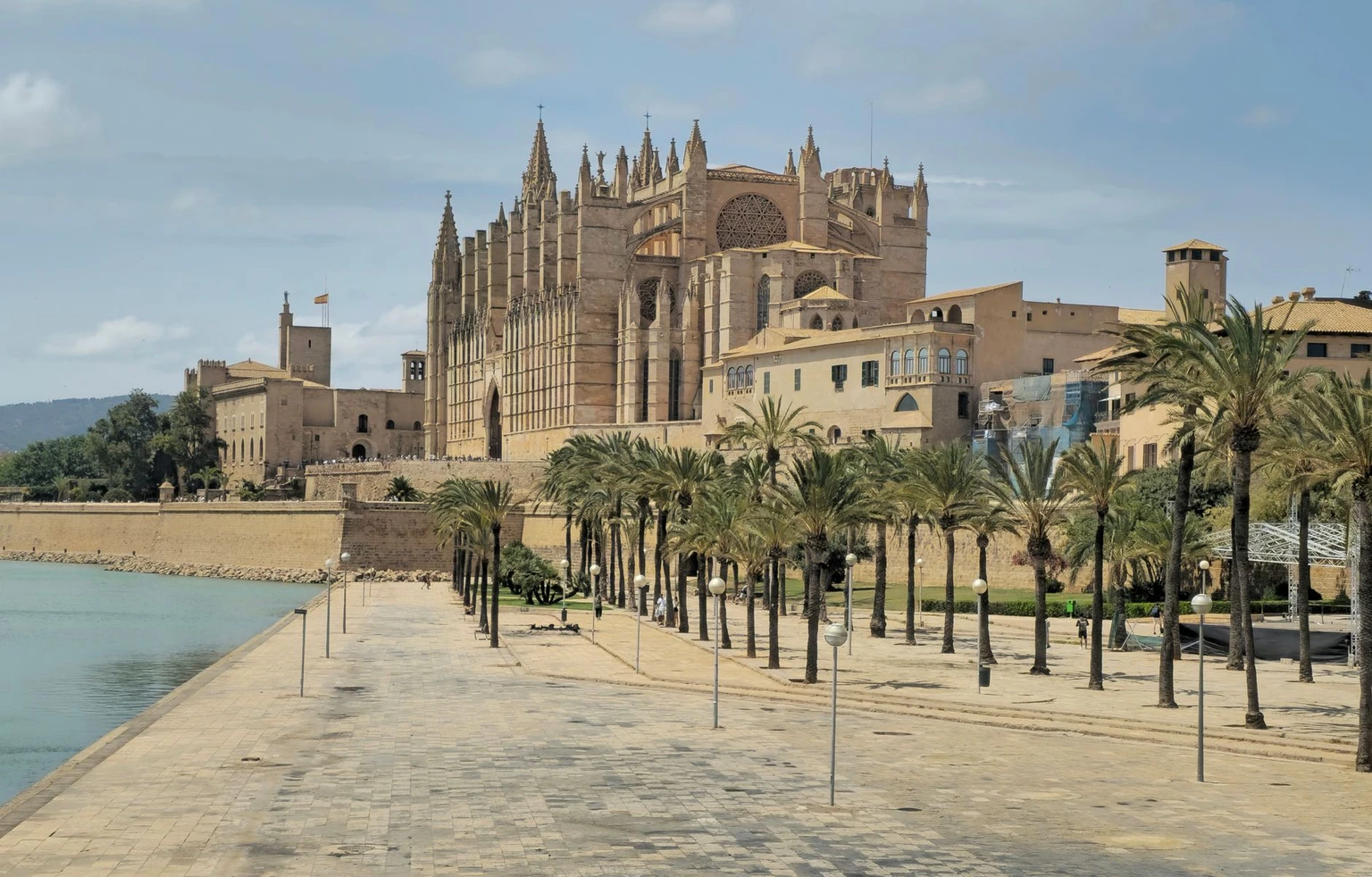
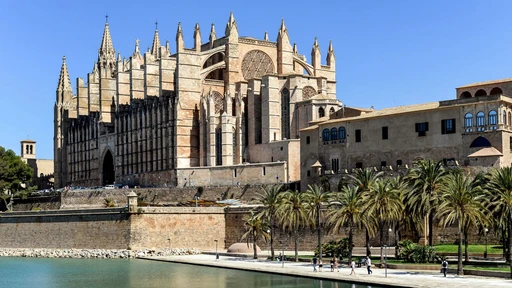
Last morning in Palma. Coffee near the water, and the cathedral exactly where it was on day 1, looking a little pleased with itself.
Six days ago this was a table of strangers working on each other's names. Now there is a group chat named after a road that ties itself in a knot, a camera roll that is mostly one lighthouse at sunrise from every angle anybody could reach, and at least one person who now says "the Tramuntana" as if they grew up under it. Hug everyone. Keep the chat.
Upcoming trips
6 trips
Palma·6 days
Coordinator
?To be announced
$1,749 / person
Available
Sun 23–Fri 28 May
Palma·6 days
Coordinator
?To be announced
$1,749 / person
Available
Palma·6 days
Coordinator
?To be announced
$1,749 / person
Available
Sun 20–Fri 25 Jun
Palma·6 days
Coordinator
?To be announced
$1,749 / person
Available
Palma·6 days
Coordinator
?To be announced
$1,749 / person
Available
Sun 26 Sep–Fri 1 Oct
Palma·6 days
Coordinator
?To be announced
$1,749 / person
Available
Ask us to run one for your group →
Paying and canceling
Canceling is free until a trip confirms. From the day it does: