Nordic Express
 Copenhagen
→
 Oslo
→
 Flåm
→
 Gudvangen
→
 Bergen
→
 Stockholm
 Denmark
 Norway
 Sweden
What you’ll remember
7 of them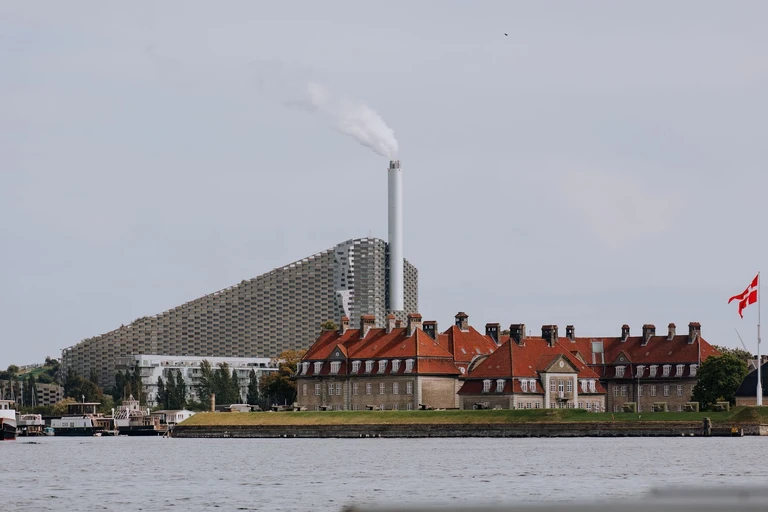 Day 2
Climb a ski slope built on the roof of a working incinerator
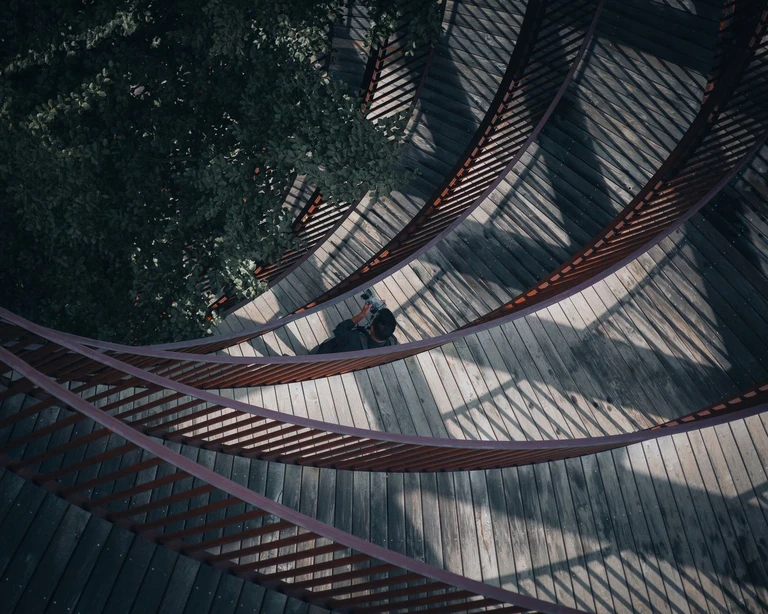 Day 3
Spiral up a wooden ramp to the top of a beech forest without climbing a step
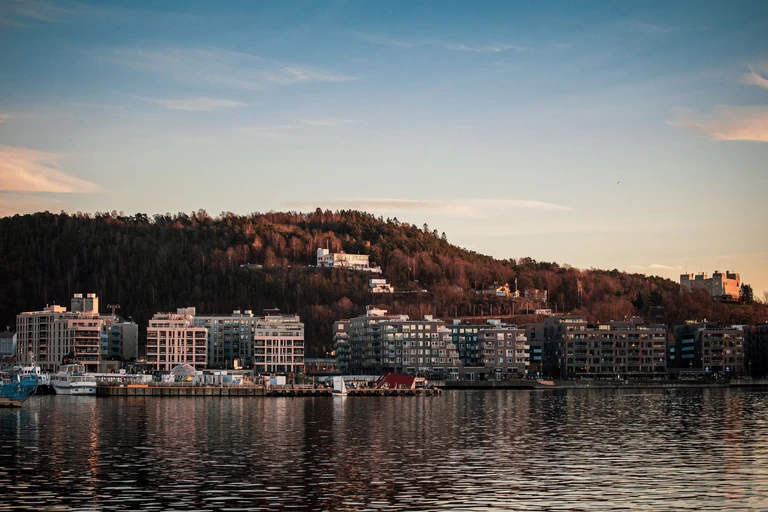 Day 4
Wake up in Norway on a ship that left Denmark the night before
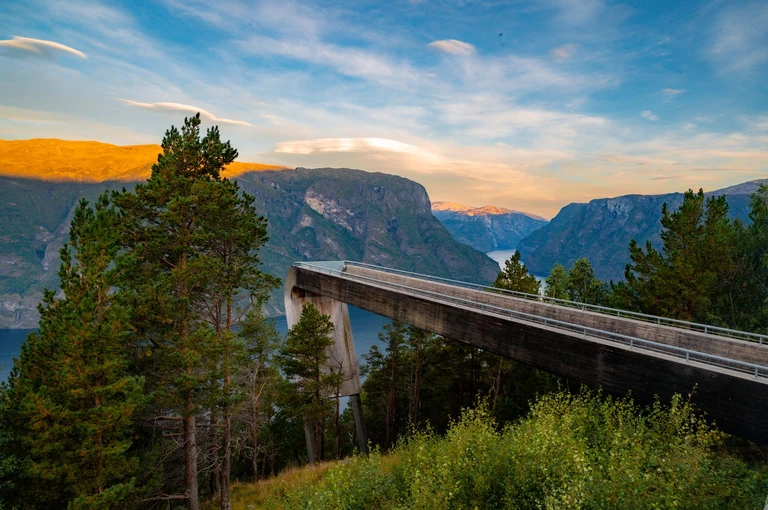 Day 6
Lean on the glass at the end of a platform pushed thirty meters out of a mountainside
 Day 7
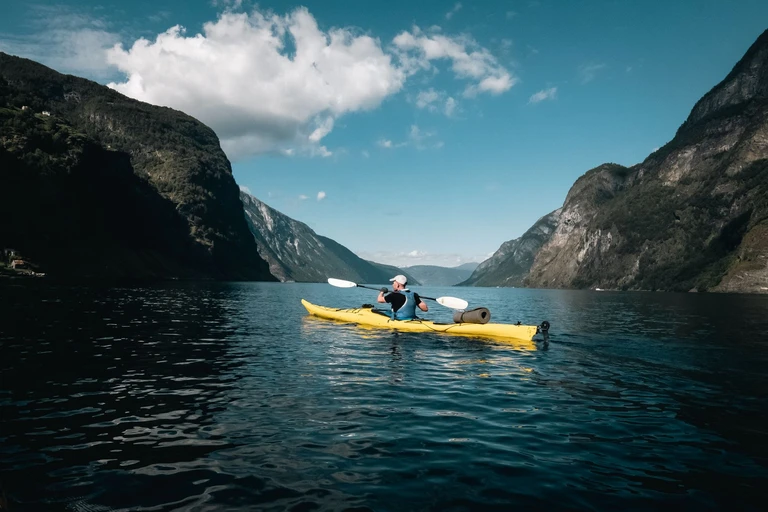
Paddle a fjord a quarter of a kilometer wide with a thousand meters of rock on either side
 Day 8
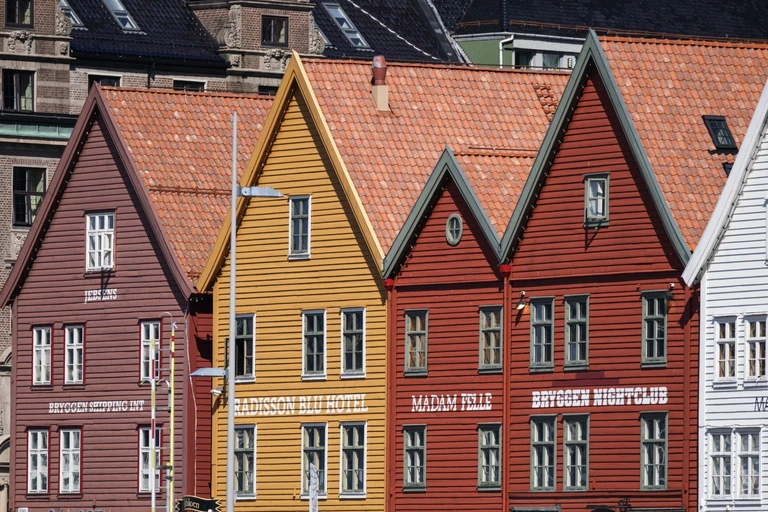
Duck into the tarred wooden alleys of a wharf that leans
 Day 9
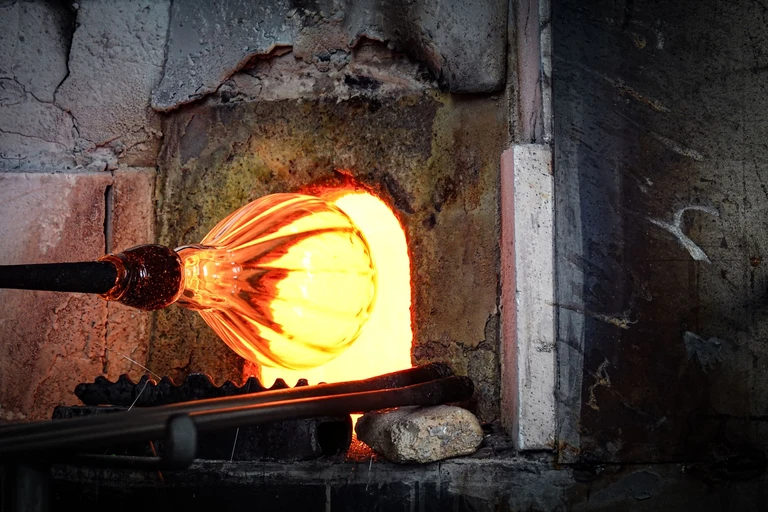
Blow glass at a furnace among houses moved here plank by plank
What’s included
- Hotels every night ashore
- Overnight ferry to Oslo
- Breakfast every morning
- Welcome dinner in Copenhagen
- Dinner on the ferry
- Farewell dinner in Stockholm
- Barbecue lunch on the fjord
- Forest tower
- All transport during the trip
- Bike tour
- Kayaking the Nærøyfjord
- Local guide
- All entry tickets
- Glassblowing
About this trip
Somewhere south of Copenhagen there is a forest with a tower in it, and the tower has no stairs. One wooden ramp goes round twelve times to 45 meters, and you come out above the beeches with southern Zealand flat beneath you, without once having climbed a step.
Scandinavia is full of ideas that sound wrong until you are standing on them. A ski slope on the roof of a working incinerator. A pharmacy in Copenhagen that stopped selling medicine in 1720 and started serving dinner. A ship you board in Denmark and wake up on in Norway. A platform pushed 30 meters out of a mountainside, 650 meters above a fjord, that ends in a sheet of glass. And one idea that needs no defending: a whole day in a kayak on Nærøyfjord, 250 meters wall to wall at its tightest, quiet enough that the group stops talking without anyone suggesting it.
It ends in Stockholm, a city on fourteen islands, with a piece of glass you blew yourself at a family furnace that has been going since 1933, and a group that sat down as strangers in that pharmacy on the first night.
Day by day
11 daysThe Pharmacy That Started Serving Dinner in 1720
 Copenhagen
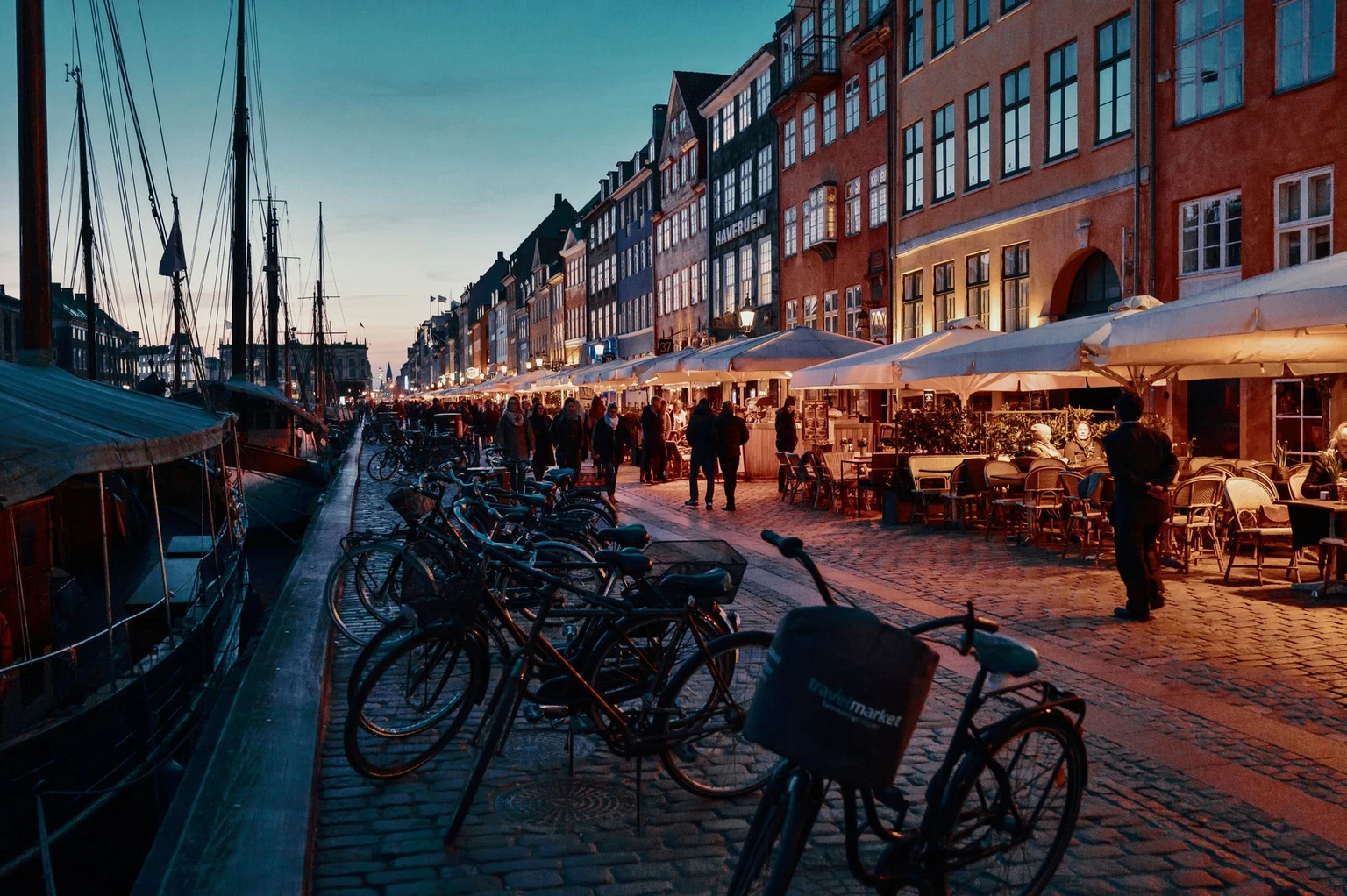
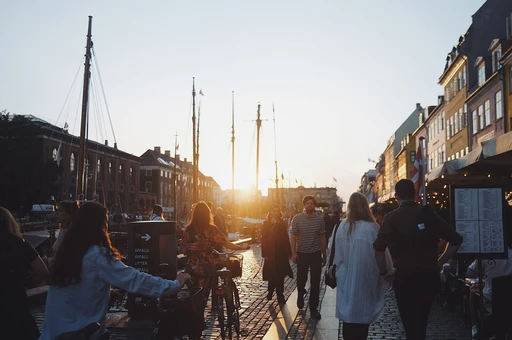
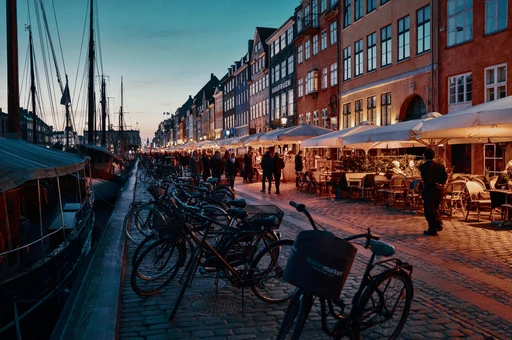
Copenhagen's oldest restaurant is a pharmacy. It stopped selling medicine in 1720, started serving dinner instead, and has not seen much reason to change since. Hans Christian Andersen had a regular table, number five in the Holberg parlor, and someone will point it out whether you ask or not. It is the first of several ideas on this trip that sound wrong out loud, and it has been working for about three hundred years.
Your coordinator meets the group at the hotel late in the afternoon with a goodie bag each and one plan for the evening, and the plan is that table. Four small rooms, one long table, and the people you will be having a farewell dinner with in Stockholm, three countries from now. Tonight everyone explains what they do for a living. By Stockholm nobody will remember, and nobody will mind.
The Power Station With a Ski Slope on the Roof
Copenhagen
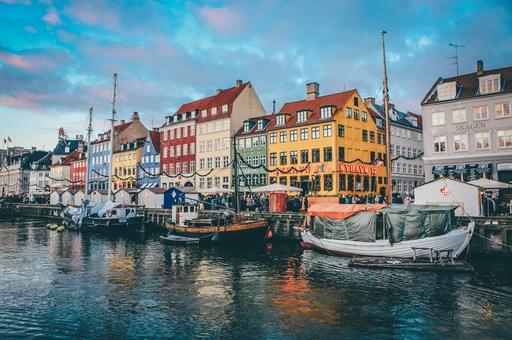
A city built for bicycles is wasted from inside a bus, so the morning is three hours on two wheels with a guide who knows which bridges are worth stopping on. It ends at Reffen: thirty-odd food stalls on an old shipyard, the largest street food market in Northern Europe, and only there since 2018.
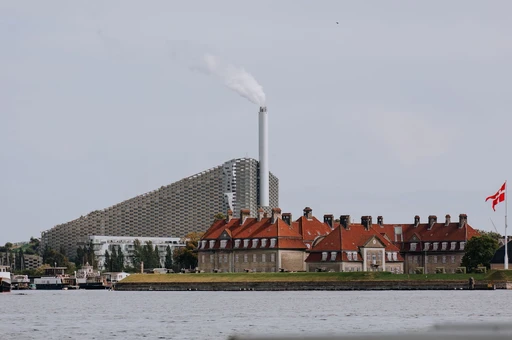
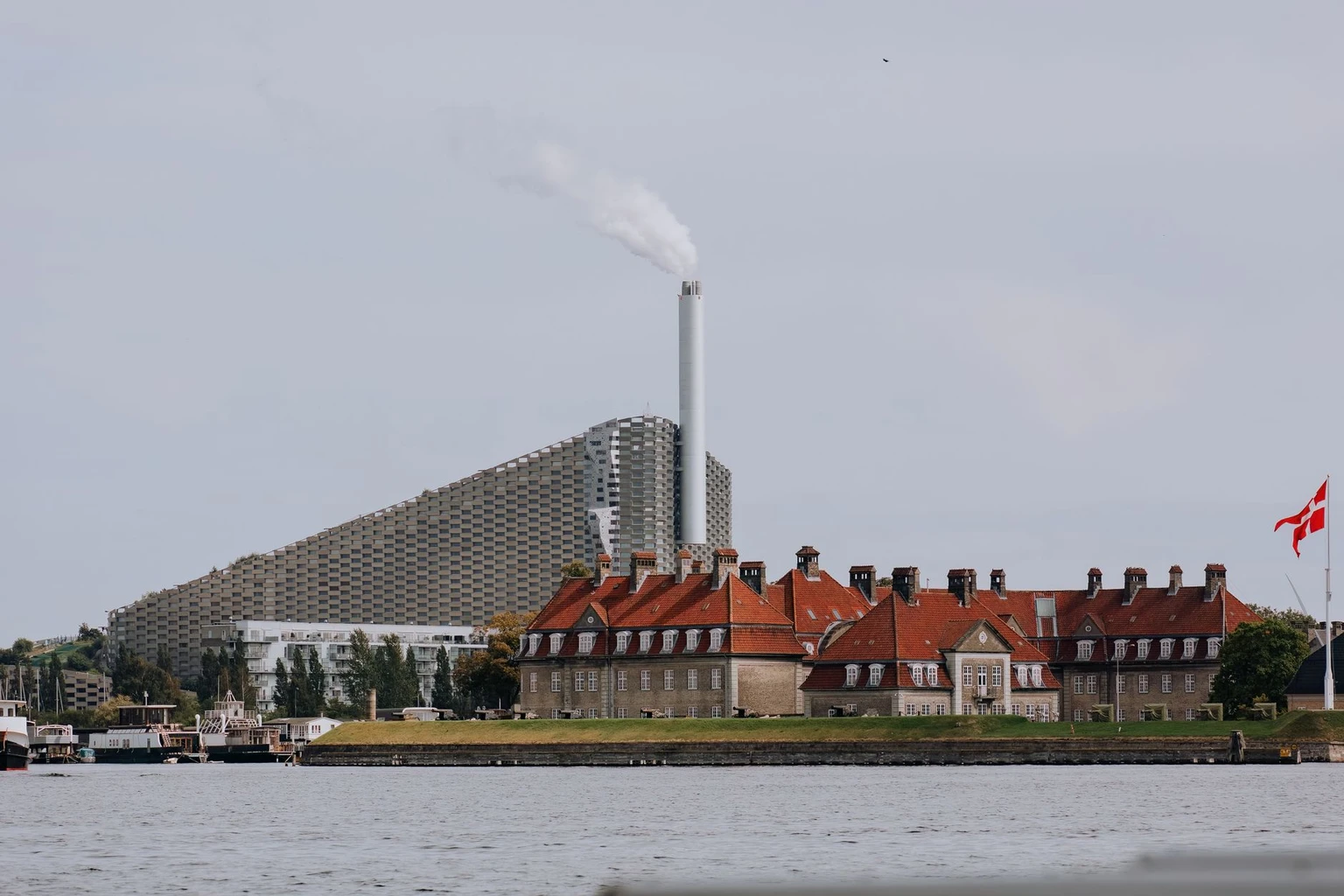
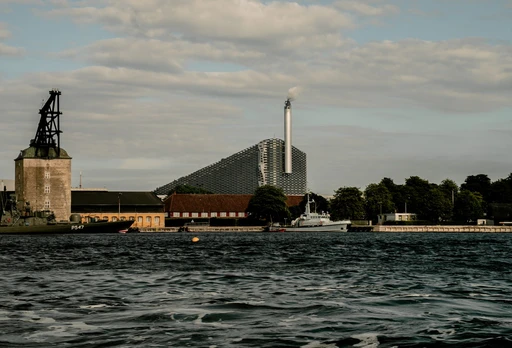
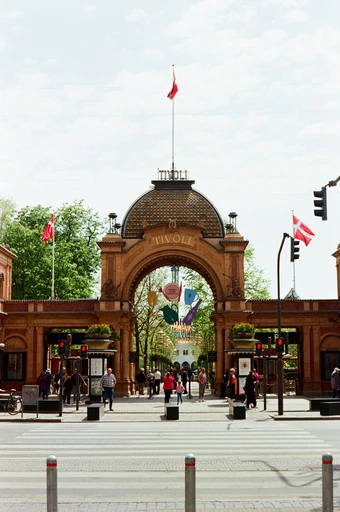
Then the strange one. CopenHill is a working incinerator that burns the city's trash, and somebody looked at the roof and decided it wanted a ski slope. It has one, with a hiking trail up the side and the tallest climbing wall in the world, 85 meters, bolted to the outside. Somebody said yes to all of that. Walk up rather than ski down and the view costs nothing. The rest of the day is yours: Strøget, the Round Tower, Tivoli once the lights come on. Dinner wherever you land.
Forty-Five Meters Up Without a Single Step
Copenhagen
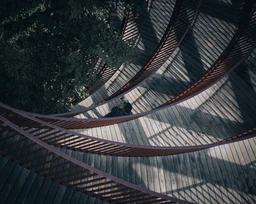 Forest tower
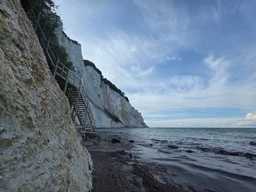 Møns Klint
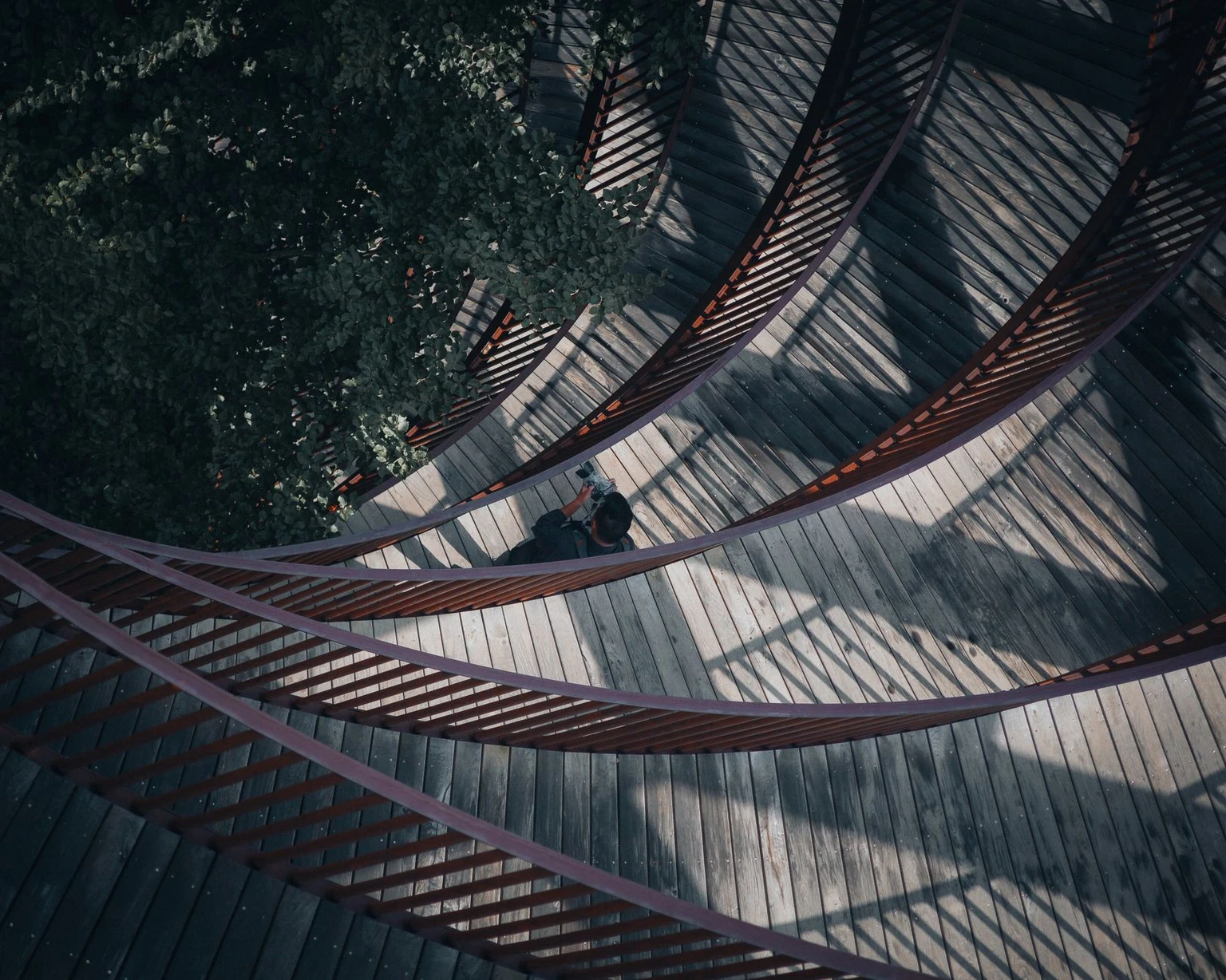
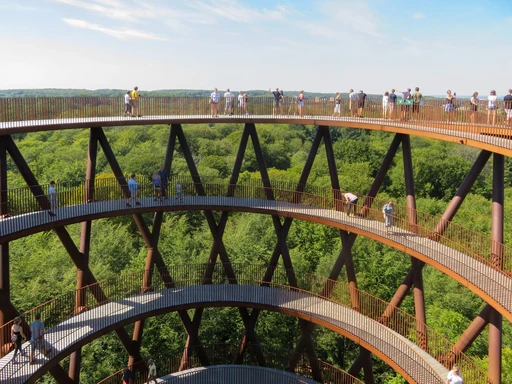
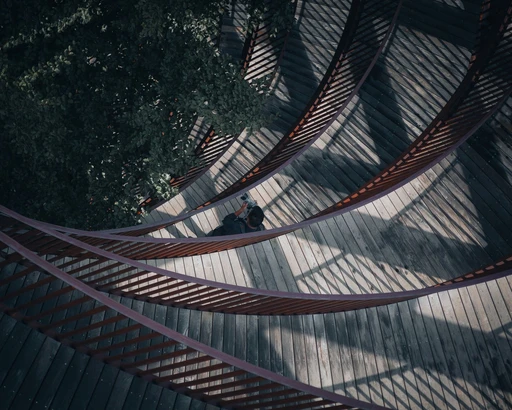
Twelve turns of a wooden ramp, 650 meters of it, and not one step. Somewhere around the eighth turn you draw level with the tops of the beeches, and at the twelfth you are 45 meters up with southern Zealand laid out flat in every direction. Camp Adventure built the tower so that anyone could get to the top of a forest. It sounds like a slogan until you are standing on it, and the whole group gets there at the same time.
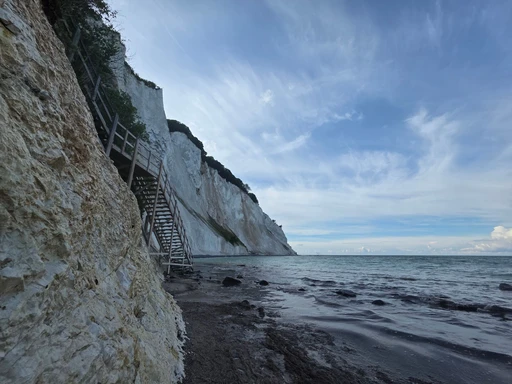
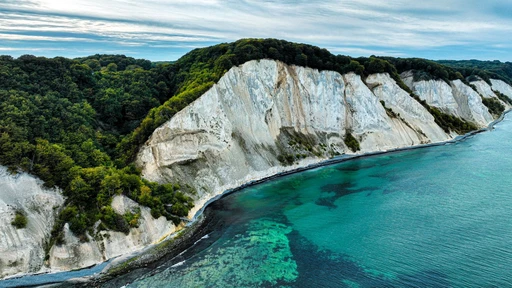
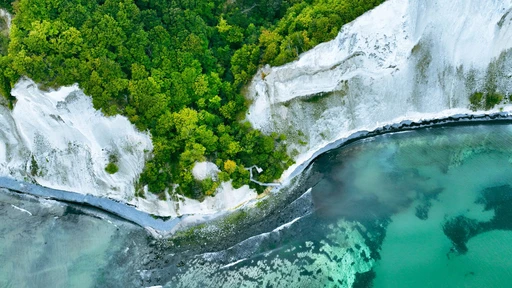
Then the coast. Møns Klint is seven kilometers of white chalk, 128 meters straight down into the Baltic at its highest point, and on the UNESCO World Heritage List only since 2025. A path runs along the top past the best of it, then close to five hundred wooden steps take you down to the beach, so you get the cliffs from underneath as well. Back to Copenhagen for a free evening.
Fall Asleep in Denmark, Wake Up in Norway
Møns Klint
Copenhagen
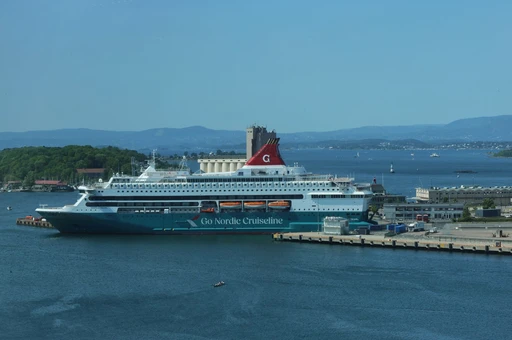
A last morning in Denmark for whatever you did not get to. Then the ship, and the trip changes gear. Ships have been making this crossing overnight since 1867, which suggests nobody has found a better idea.
Seventeen and a half hours from the Copenhagen quay to the Oslo one, and the sea does the work while you sleep. Your cabin has proper bunks and a bathroom of its own. Dinner is a buffet, and after it there is an outdoor pool, a tax-free shop with perfume and toys on the same shelf, and a nightclub for anyone not ready for bed. Somewhere around midnight you are in the middle of the Skagerrak with nothing outside but black water. The good bit is breakfast, when there is a coastline again and it belongs to a different country.
The Angriest Boy in Norway
Copenhagen
 Oslo
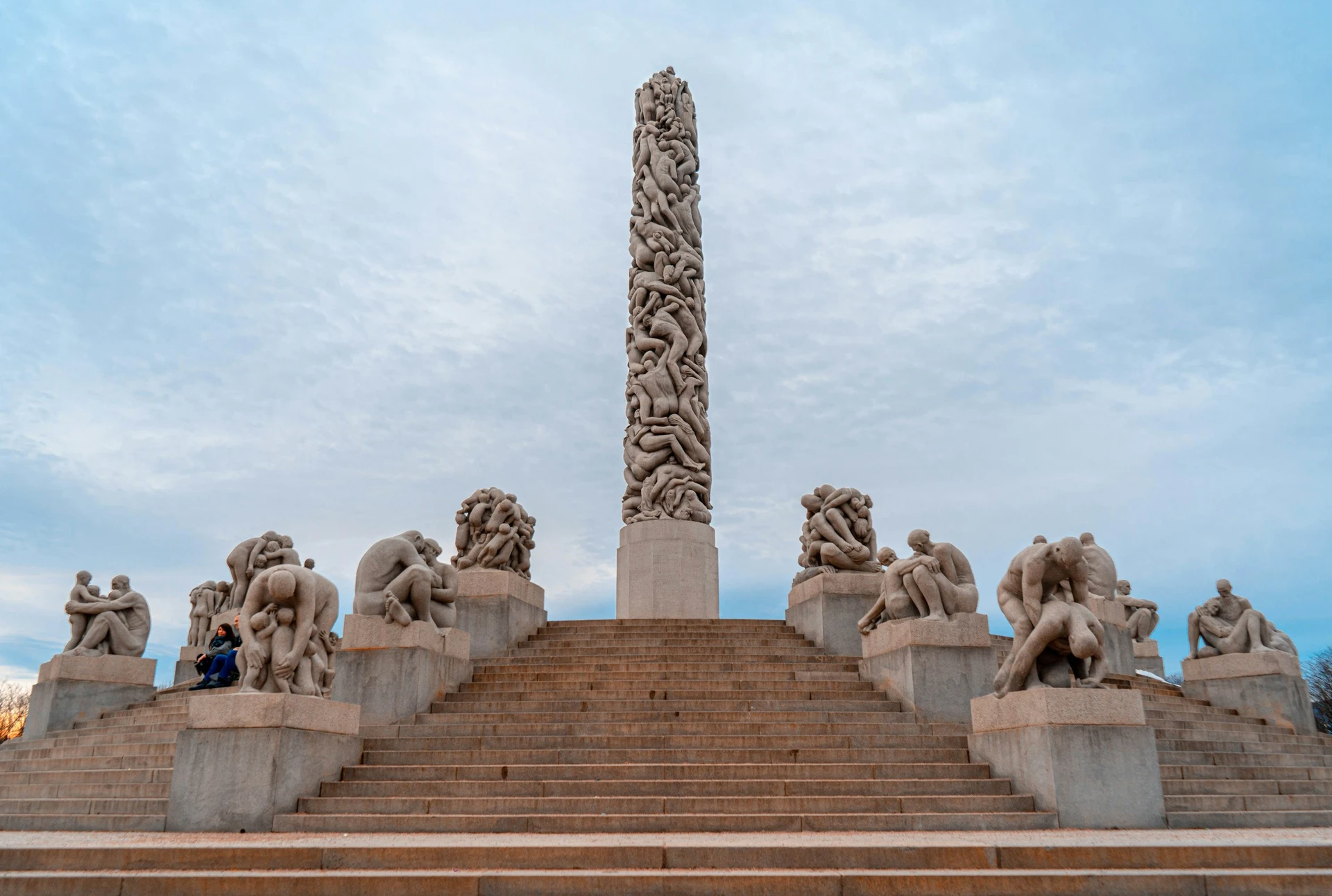
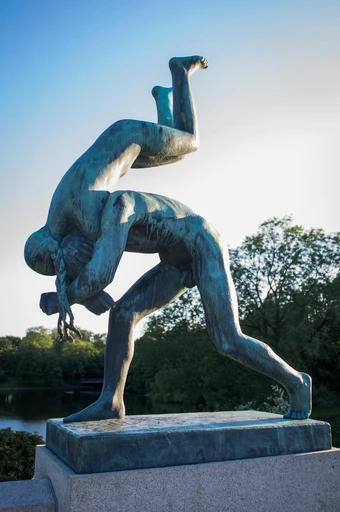
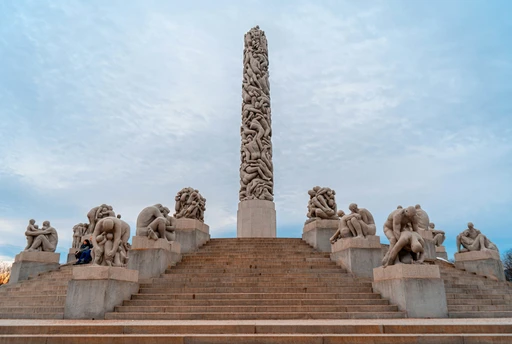
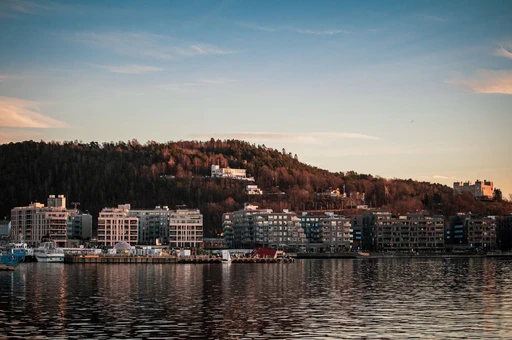
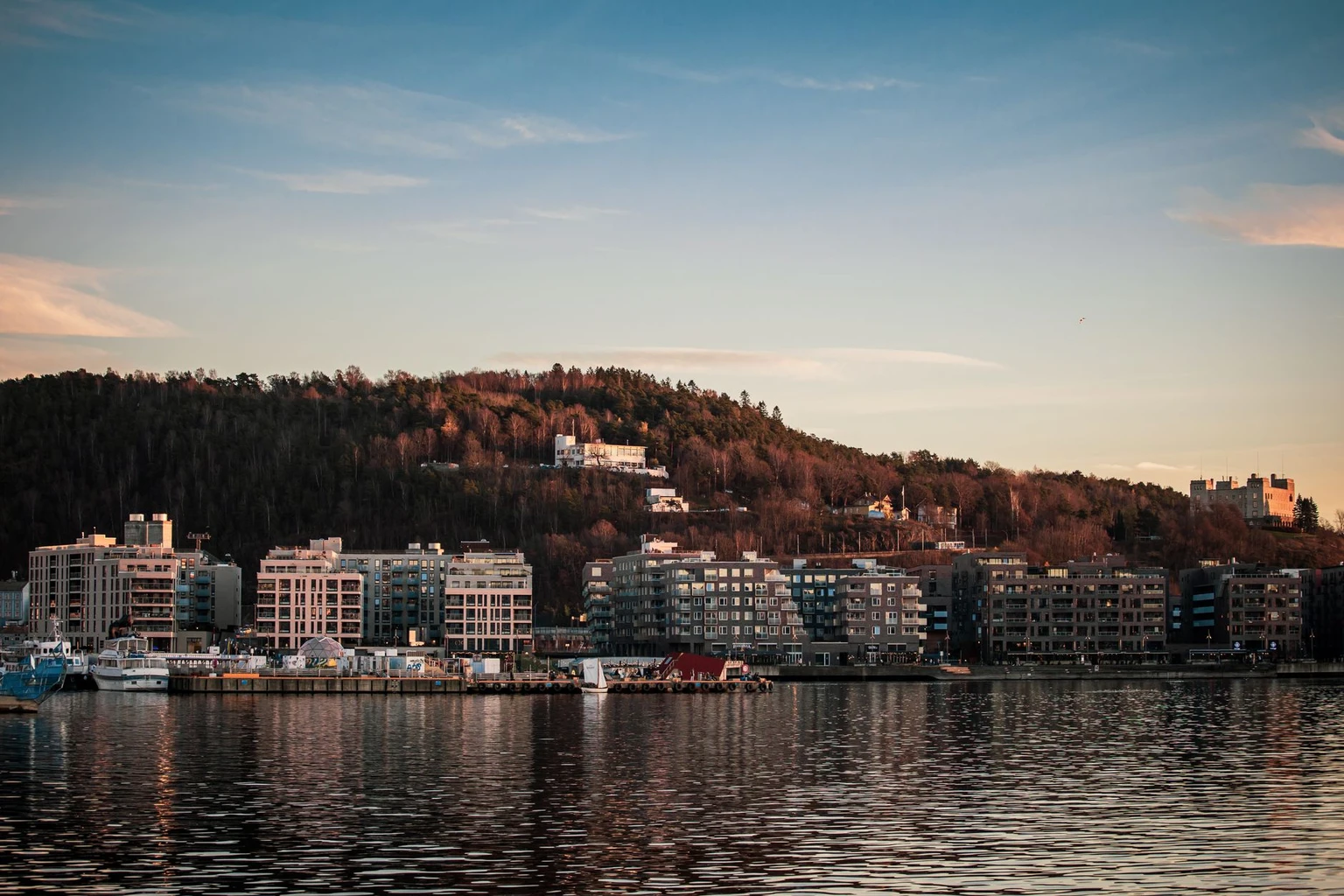
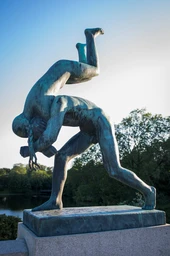
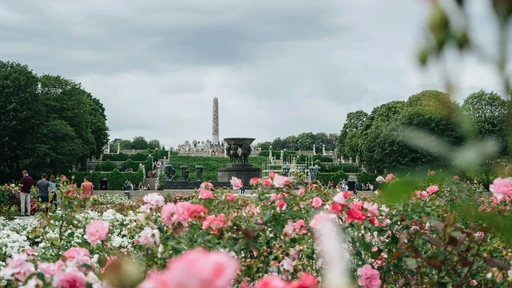
Oslo has a fjord on one side and a forest on the other, and arriving up the fjord is the right way to do it. First stop is Frogner Park, where Gustav Vigeland spent decades on more than two hundred figures in bronze and granite, and somewhere among them is a small, furious boy. Vigeland never named him. A journalist did, around 1930, and it stuck. People have rubbed his left hand for luck for decades. It is bright gold now. The rest of him is green.
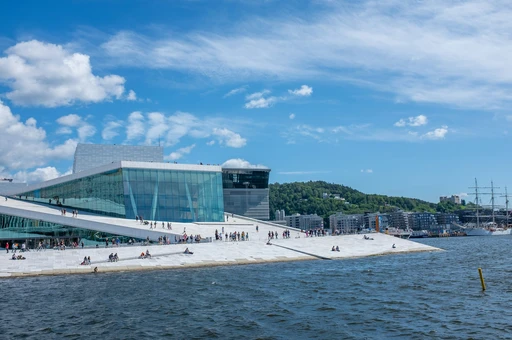
The afternoon is yours. The Opera House roof is white marble and you are allowed to walk straight up it, an idea more opera houses should consider. The harbor is clean enough that people swim off a beach beside the opera, and there are saunas floating on the fjord to warm up in afterward. Dinner is wherever the group decides.
A Platform That Ends in Glass
Oslo
Flåm
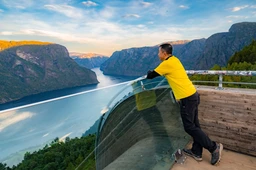 Stegastein Viewpoint
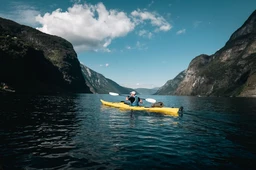 Gudvangen
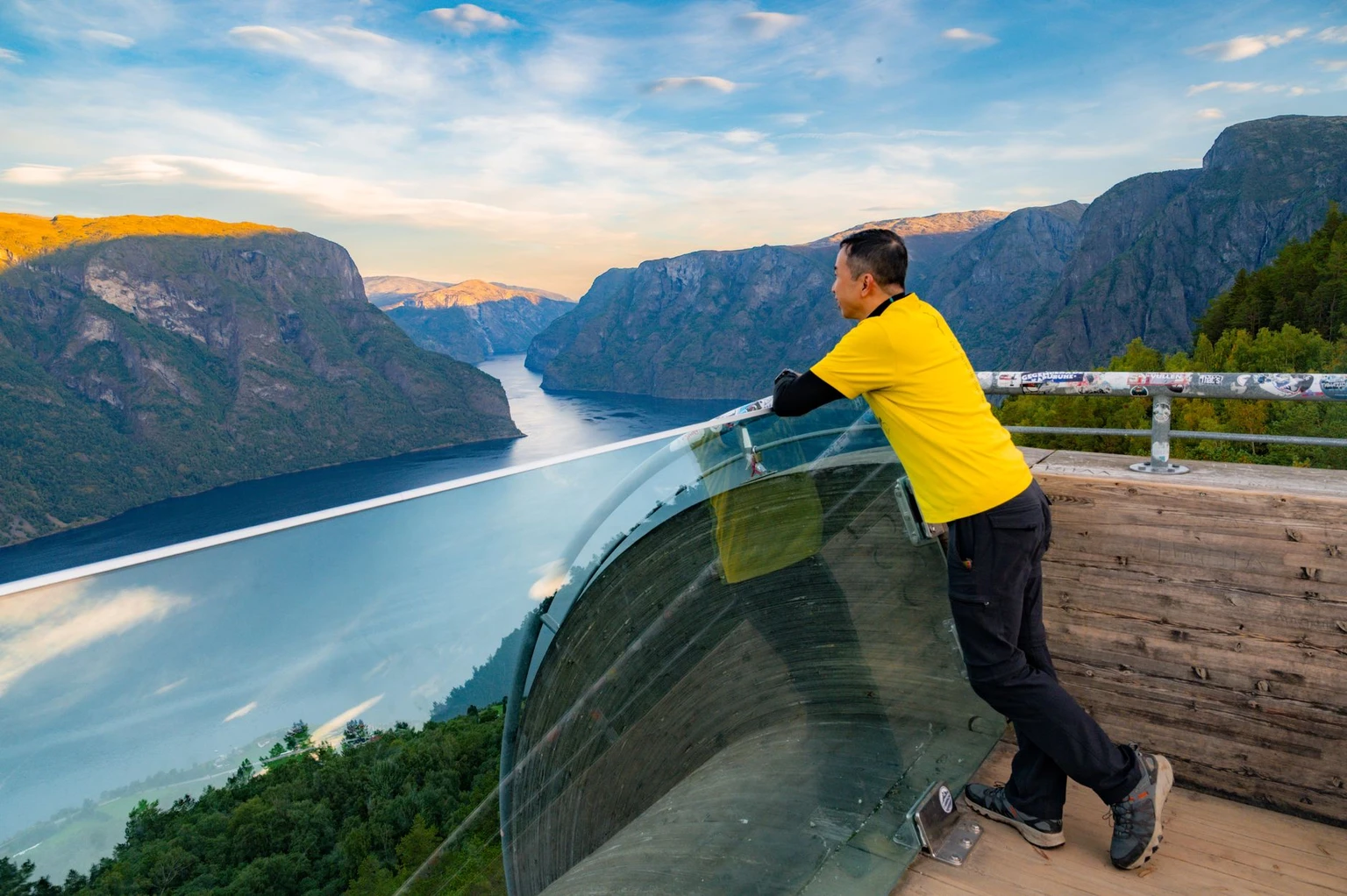
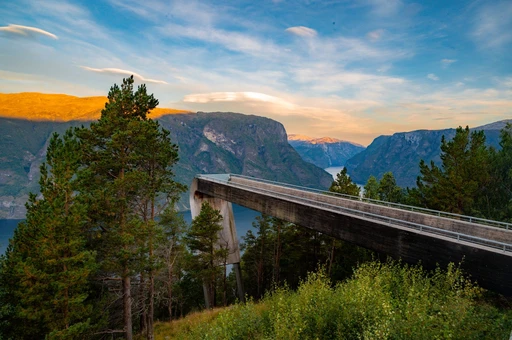
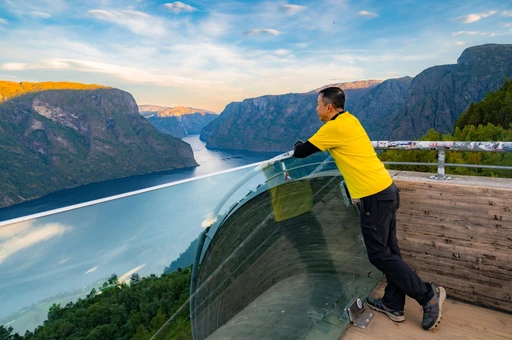
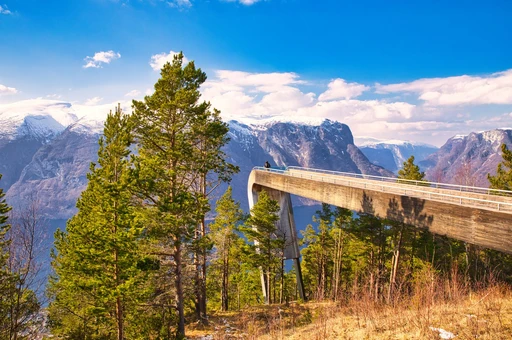
Stegastein is a platform of steel and pine, 30 meters long and four wide, pushed straight out from a mountainside 650 meters above the Aurlandsfjord, and it ends in a sheet of glass. Somebody drew that, and somebody else agreed to build it. You stand at the glass. Everybody does, eventually.
Getting there is the good kind of long: west out of Oslo and up into the mountains, the kind of drive where the car goes quiet on its own, then down to Flåm at the head of the fjord and up the switchbacks in an electric minibus. Then on to Gudvangen, down a valley that narrows the whole way until the mountains close in and the road runs out into the fjord. Tomorrow is the reason you came, so an early night is not the worst idea.
A Quarter of a Kilometer, Wall to Wall
Gudvangen
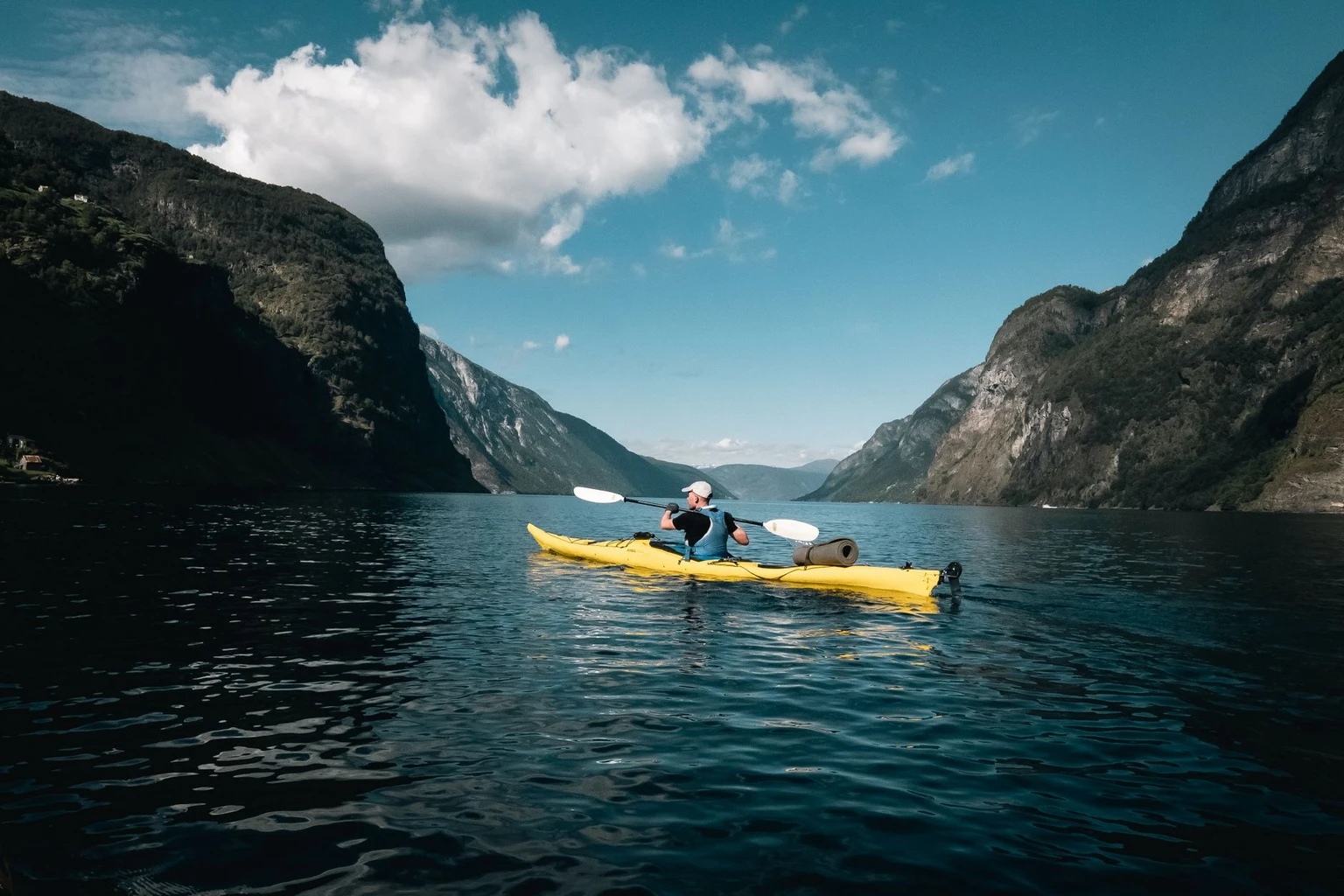
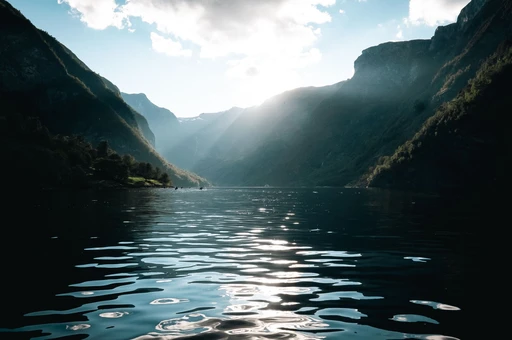
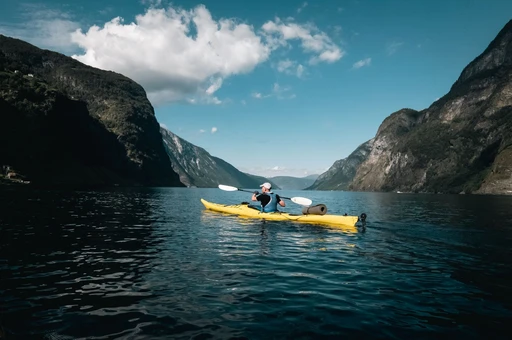
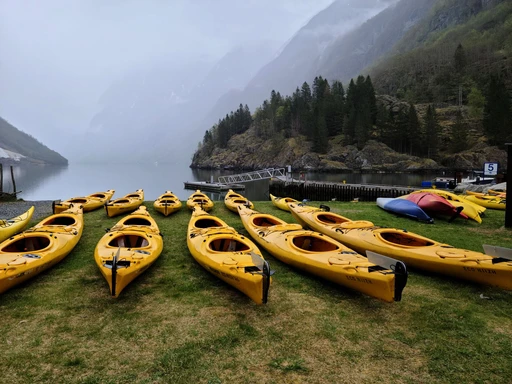
Nærøyfjord is Norway's narrowest fjord: 250 meters from one wall of mountain to the other at its tightest, with the walls going up well past a thousand, and on the UNESCO World Heritage List since 2005. Today you spend the whole day inside it, in a two-person kayak, fourteen or so kilometers of paddling with a barbecue lunch on a shore no road reaches.
The water is often still enough to hold the cliffs upside down. Nobody drives today and nobody looks at a phone much, and at some point the group stops talking without anyone suggesting it. This is the part of the fjord you can only get to from the water. Free evening back in Gudvangen, and your arms will have opinions about it.
The Long One
Gudvangen
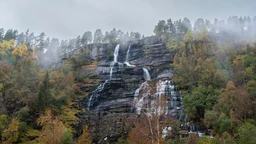 Tvindefossen
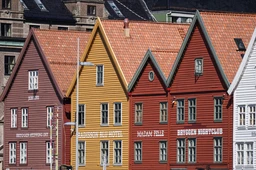 Bergen
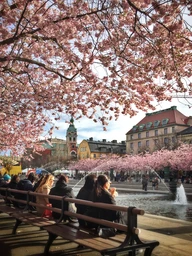 Stockholm
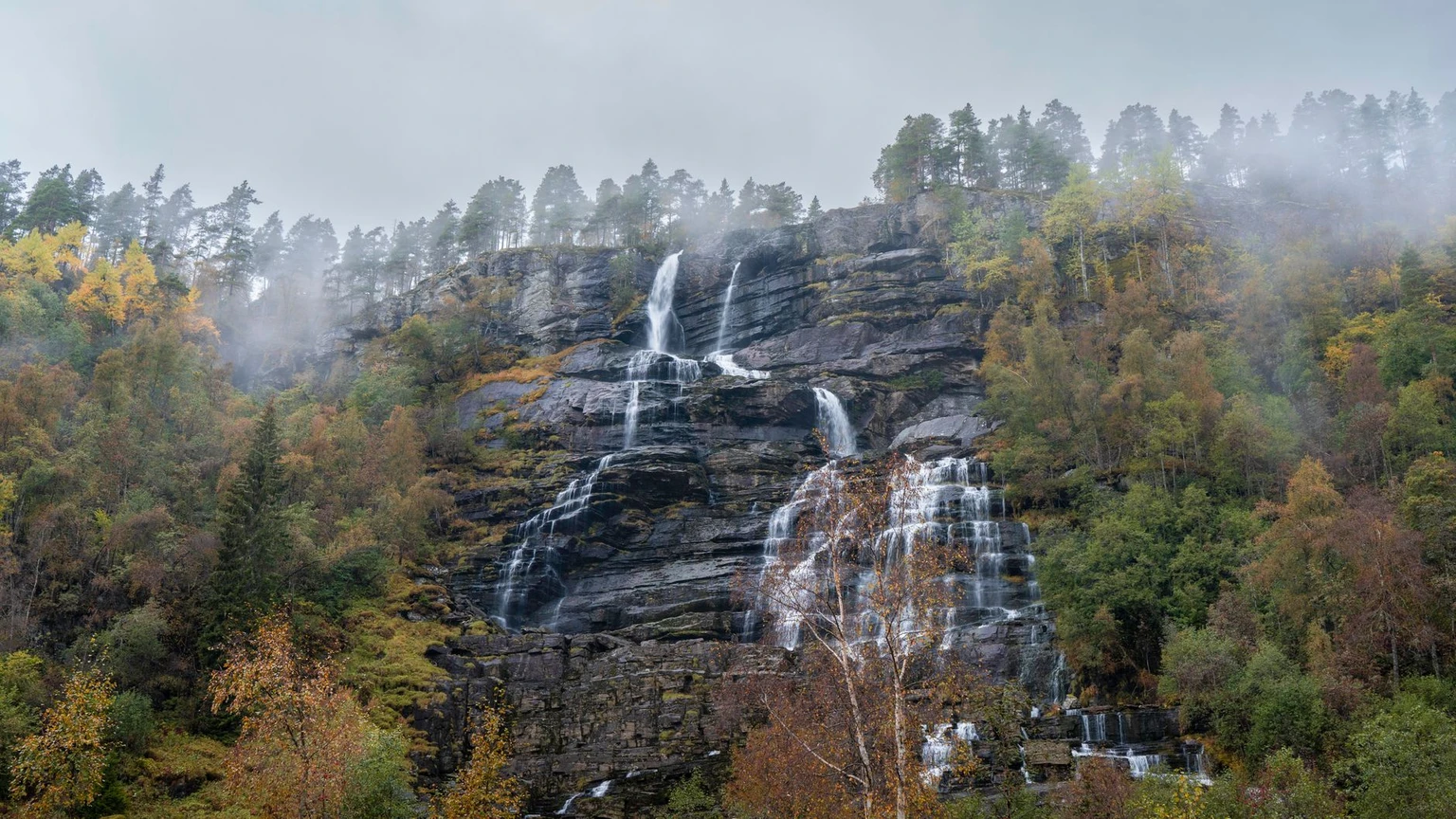
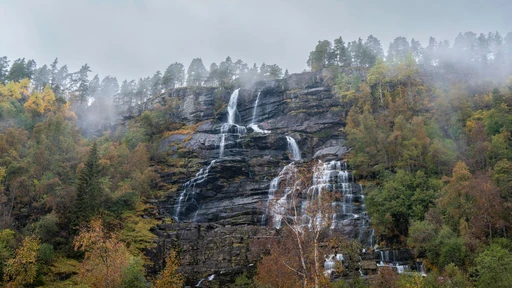
The longest day of the trip, and it is worth saying so. Out of Gudvangen the road passes Tvindefossen, well over a hundred meters of water coming straight off a cliff beside the road, and locals will tell you that drinking from it keeps you young. Fill a bottle. It costs nothing to be wrong about this.
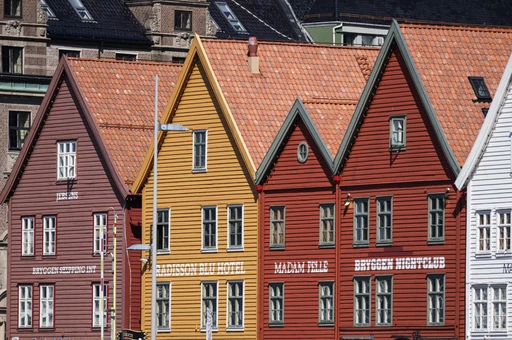
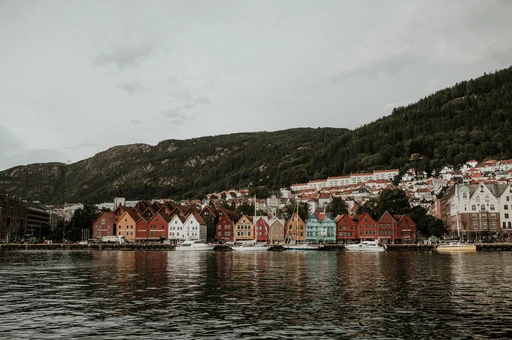
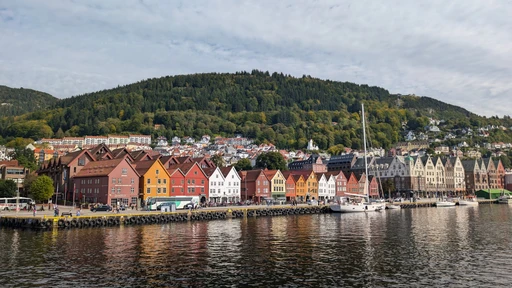
Then Bergen for lunch and Bryggen: the old Hanseatic wharf, burned to the ground in 1702 and rebuilt on the same foundations, sixty-two wooden buildings still standing and most of them leaning. An hour or two in alleys of tarred timber, then a short flight east and Stockholm by evening. Two countries in one day, and everyone sleeps well.
A Family That Has Been Blowing Glass Since 1933
Stockholm
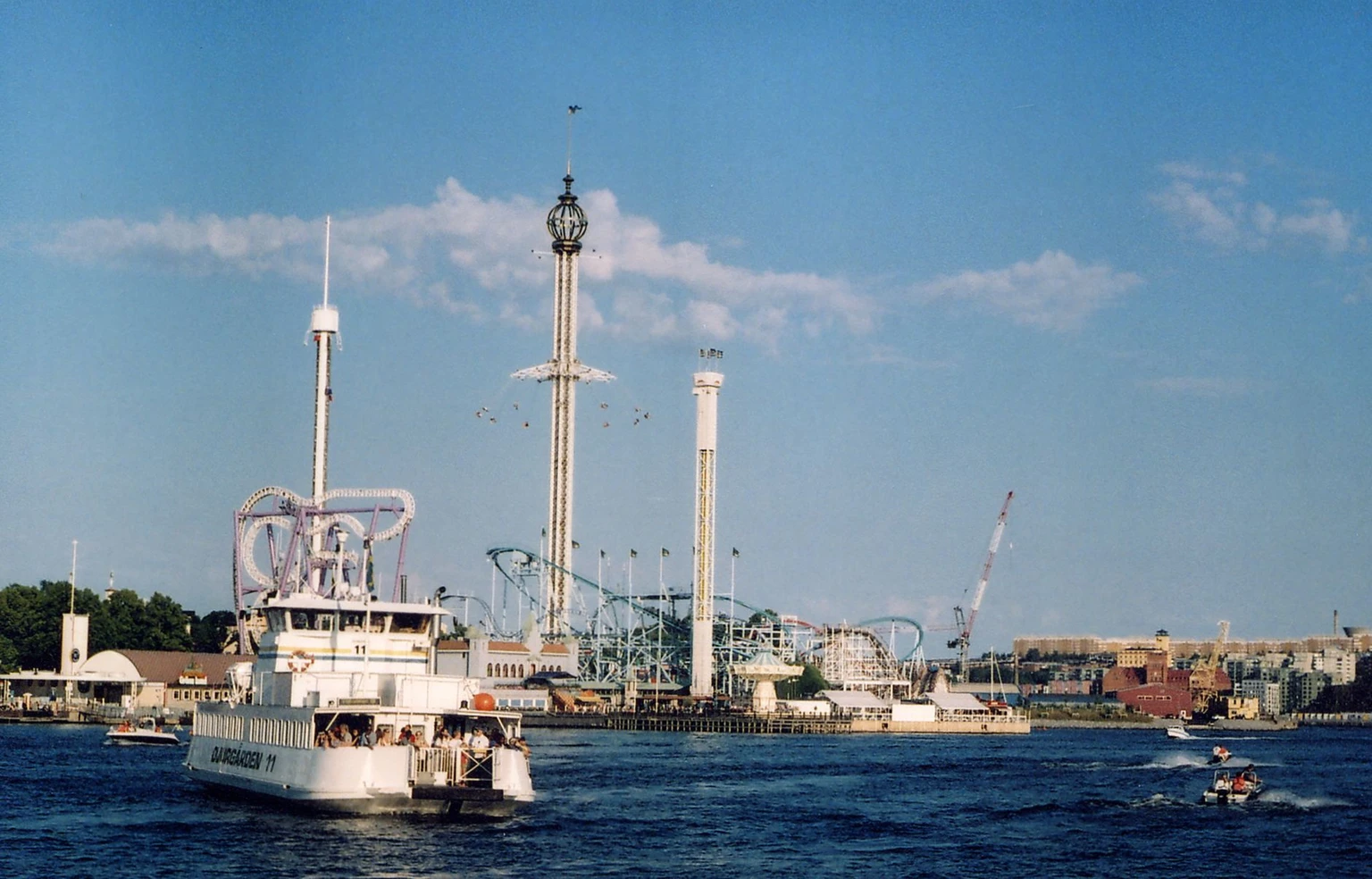
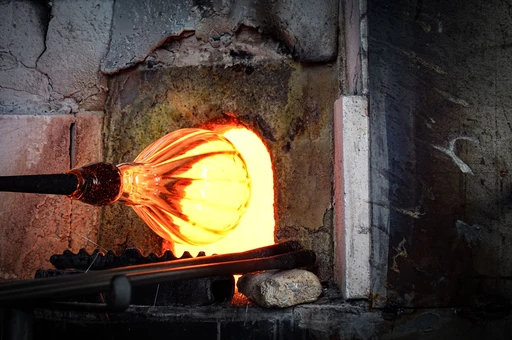
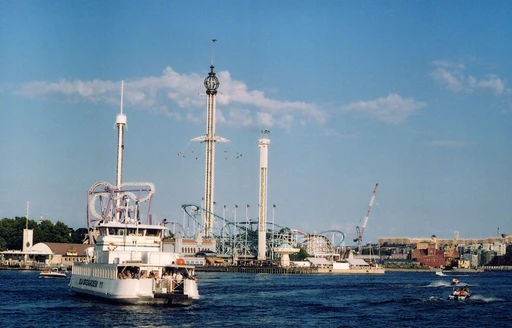
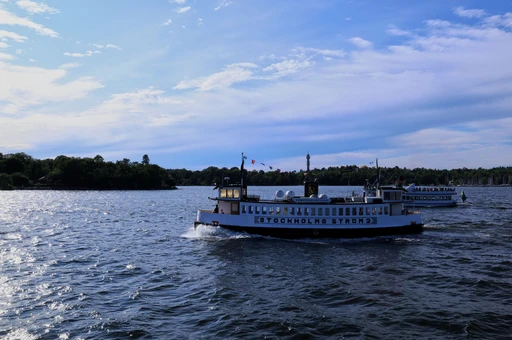
In 1891 a man worried that Sweden was forgetting how it used to live, so he took the country's old houses apart and put them back together on a hill in Stockholm. That is Skansen, ten minutes away on the Djurgården ferry: a hundred and ninety buildings, most of them moved here from somewhere else in Sweden, and the idea traveled so well that Central and Eastern Europe now call any open-air museum a skansen.
In the middle is a glassworks run by the same family since 1933, on this spot since 1936, and today they hand you the pipe. Whatever you make, you will keep it.
Lunch is on you, and Skansen has plenty of grass for it. Then whatever calls loudest: the ABBA Museum, or the Vasa, a warship that sank 1,300 meters into her maiden voyage in 1628 and spent 333 years on the seabed before anyone brought her back up. Ferry back, evening your own.
Cheerful Place Now, Mostly Cafes
Stockholm
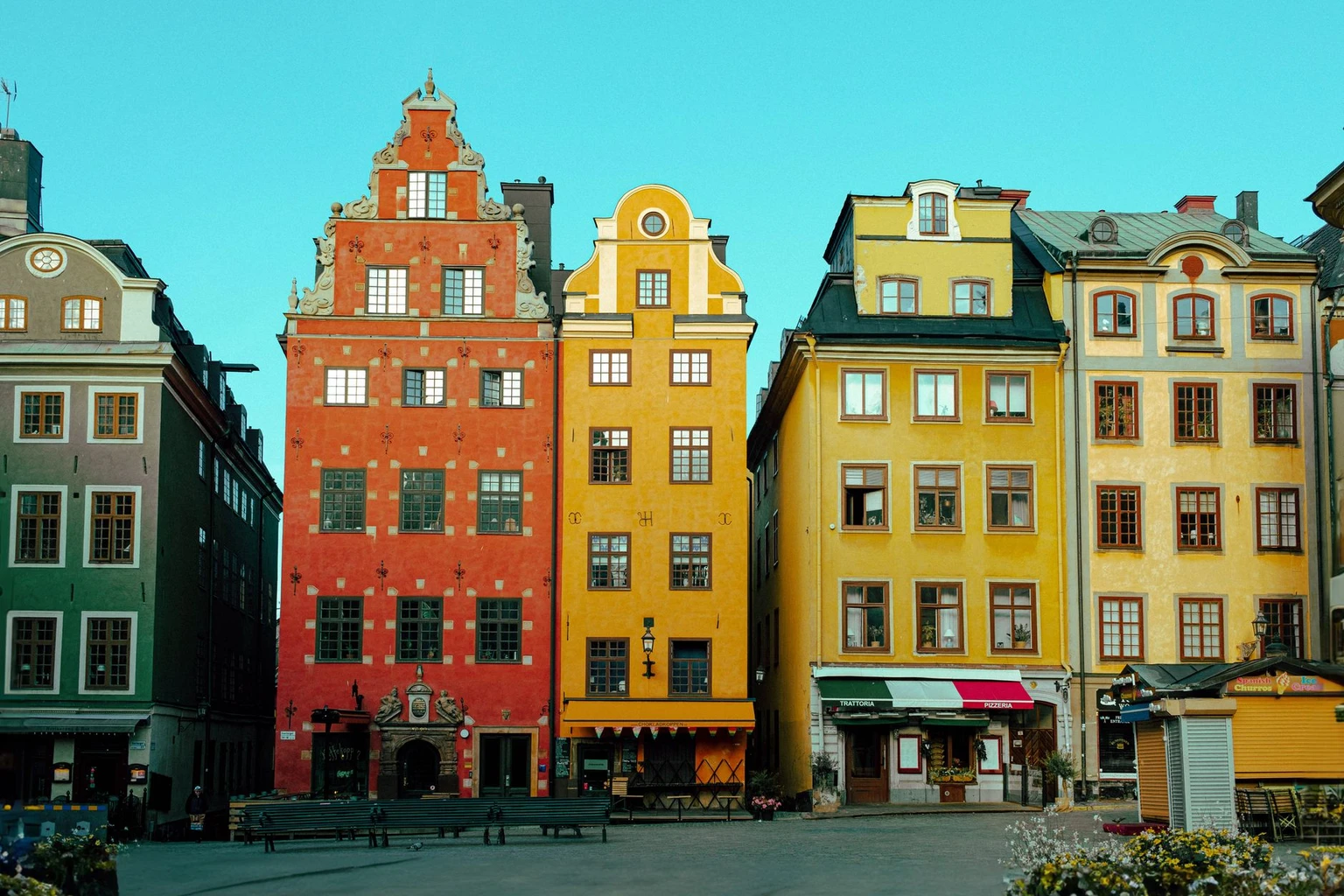
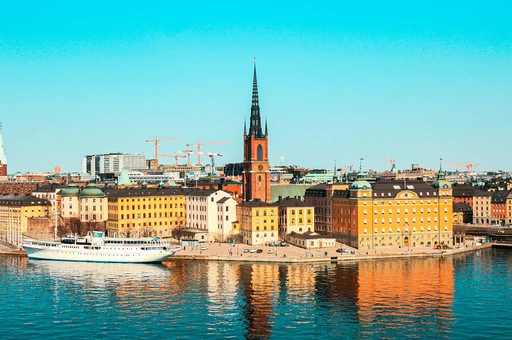
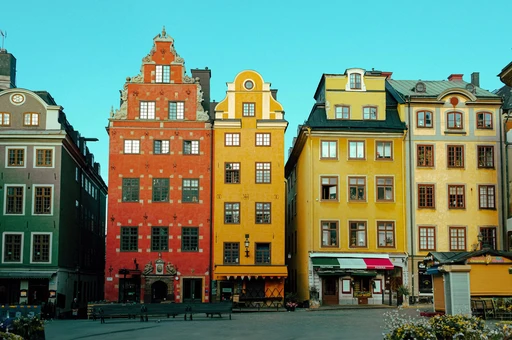
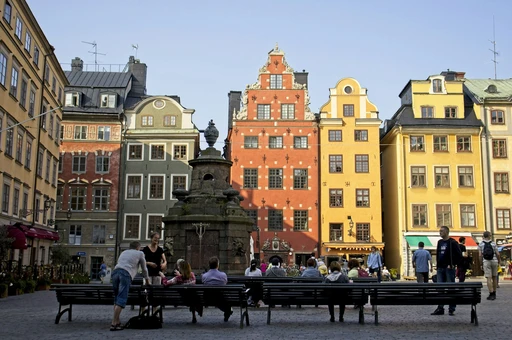
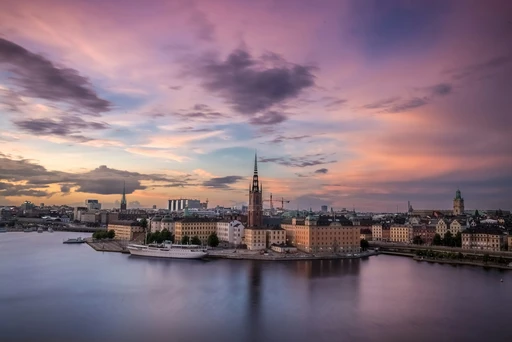
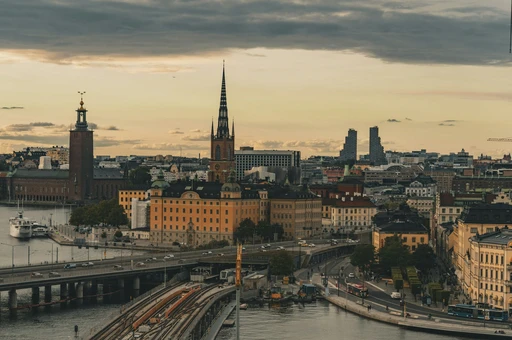
Fjällgatan first: a street of wooden houses from the 1700s along the top of a cliff on Södermalm, with the city, the water and Djurgården all in one look. A few streets west is Fiskargatan 9, the address Stieg Larsson gave Lisbeth Salander, a flat that does not exist behind a door that does. Then down into Gamla Stan on foot with a guide, past the palace and into Stortorget, where in 1520 a Danish king had more than eighty Swedish nobles beheaded over two days. Cheerful place now. Mostly cafes.
The afternoon is yours for whatever is left on the list. Farewell dinner tonight, with the same people who sat down as strangers in a pharmacy nine days ago, considerably less like strangers now.
Three Countries, One Camera Roll
Stockholm
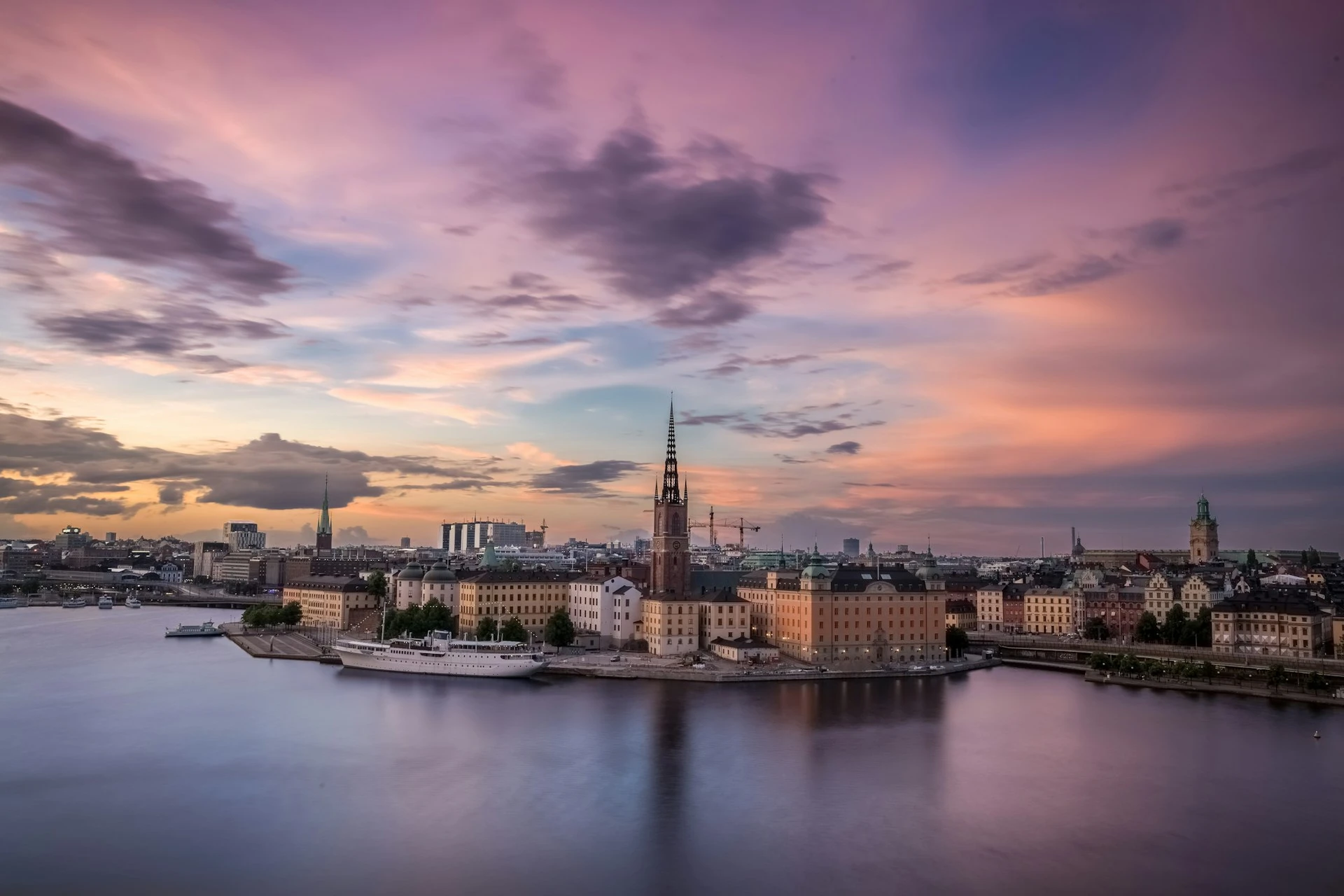
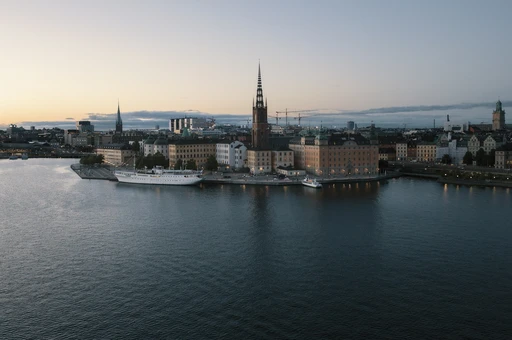
Breakfast whenever you like, then nothing you have to do. One more walk through Gamla Stan, or back over to Djurgården if there is time, or a bench by the water in a city you have known for three days and somehow already have opinions about.
Eleven days ago you were strangers in a pharmacy. Now there is a group chat with a name nobody will admit to choosing, a camera roll with more fjord in it than you knew you needed, and a piece of glass you blew yourself, wrapped in a sock at the bottom of your bag. Denmark, Norway and Sweden, in that order, and you did all three properly.
Upcoming trips
4 trips
Copenhagen → Stockholm·11 days
Coordinator
?To be announced
$3,359 / person
Available
Copenhagen → Stockholm·11 days
Coordinator
?To be announced
$3,359 / person
Available
Copenhagen → Stockholm·11 days
Coordinator
?To be announced
$3,359 / person
Available
Copenhagen → Stockholm·11 days
Coordinator
?To be announced
$3,359 / person
Available
Ask us to run one for your group →
Paying and canceling
Canceling is free until a trip confirms. From the day it does: