Normandy: Across the Bay to Mont-Saint-Michel
 Rouen
→
 Étretat
→
 Honfleur
→
Arromanches-les-Bains
→
 Bayeux
→
Genêts
→…
What you’ll remember
4 of them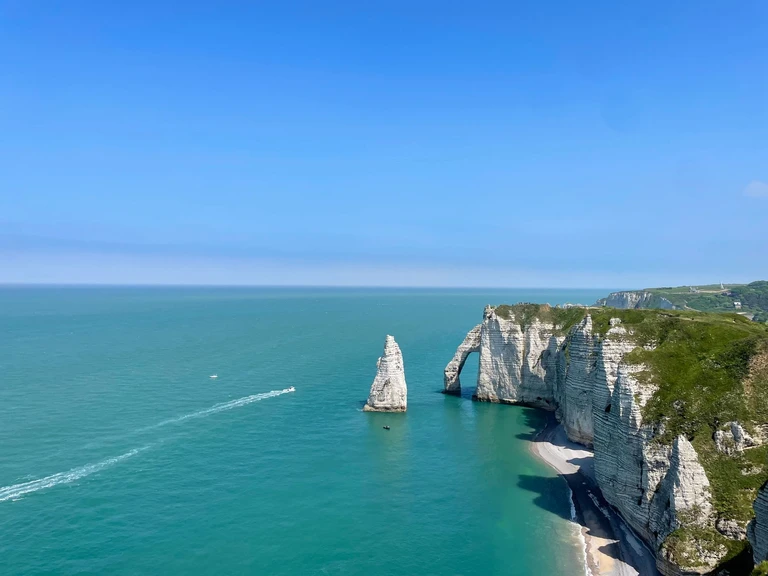
What’s included
- Hotels every night
- Breakfast every morning
- Welcome dinner in Rouen
- 2 dinners
- Farewell dinner in Saint-Malo
- Oysters in Cancale
- All transport during the trip
- A historian on the D-Day beaches
- All entry tickets
- Bay crossing
About this trip
You are standing barefoot on the floor of the sea, in shorts, halfway between a beach in Normandy and an abbey on a rock, and the river channel you just waded through came up to your thighs. The guide is explaining quicksand by standing in it. In a few hours the tide will be back over all of this, and you will watch it arrive from the Mount itself, where twenty-three people live and the day-trippers have gone home.
Before that, a needle of chalk a novelist swore was hollow, a church whose roof is a ship turned upside down, and the cemetery above Omaha Beach, where the flag comes down at the end of the day. After it, oysters eaten in sight of the beds they grew in, and a writer buried on an island you can only reach when the sea allows. Six days, a table of strangers in Rouen, and an argument that runs all week about whether the mud was the best part. It was.
Day by day
6 daysThirty Paintings of One Front Door
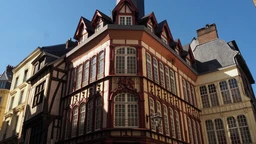 Rouen
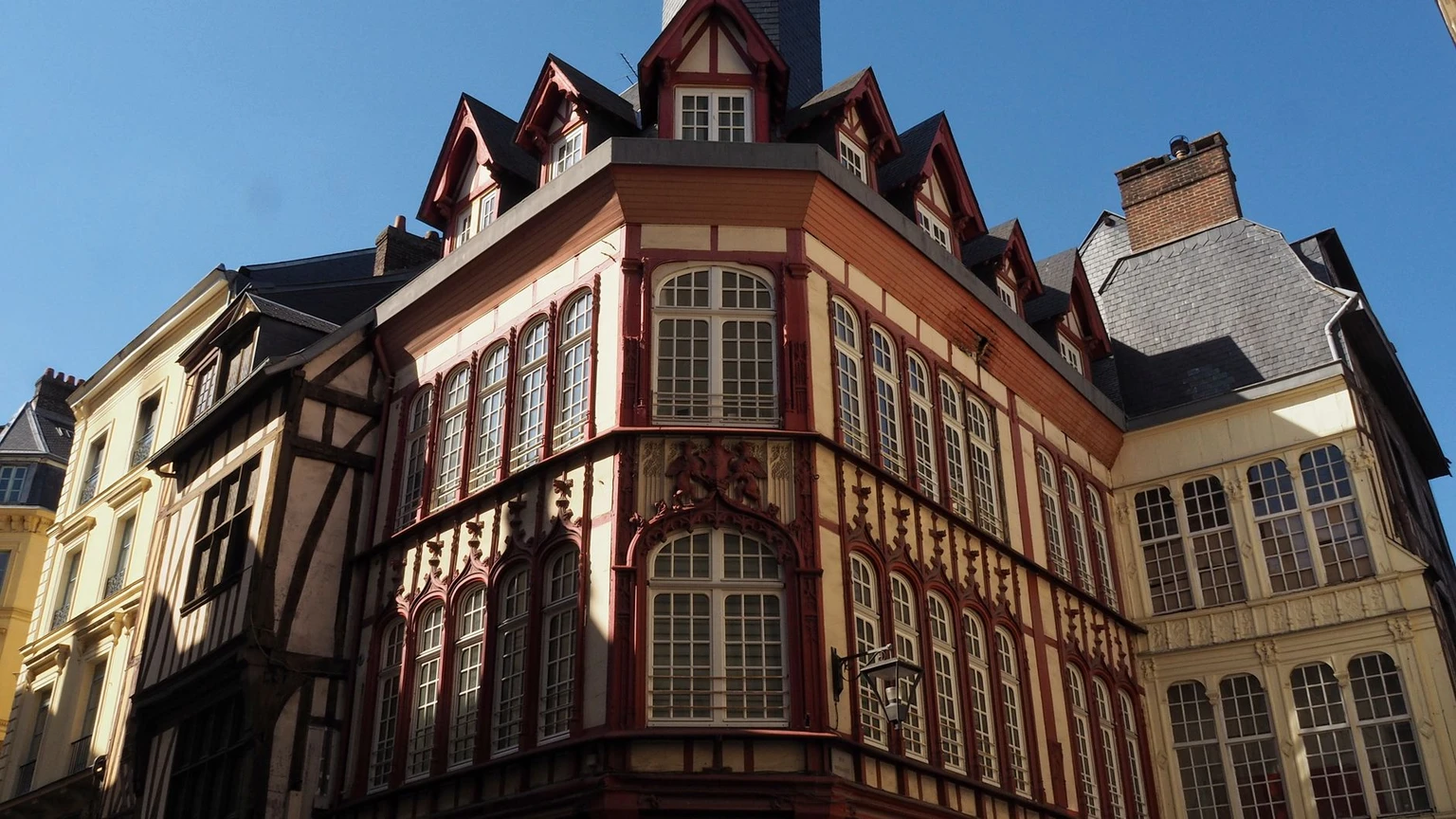
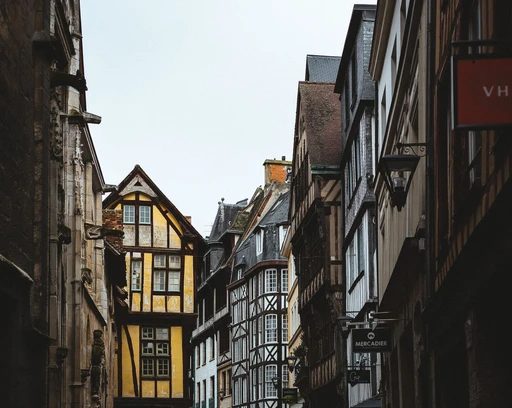
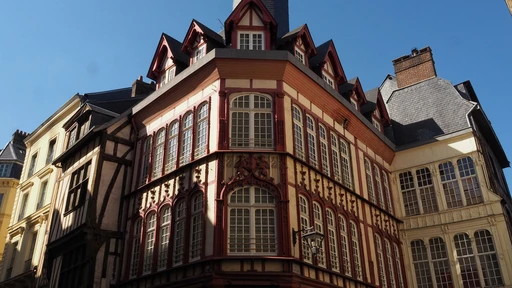
In 1892 Claude Monet rented rooms across the street from Rouen's cathedral and painted its front. Then he painted it again. More than thirty times in all, in every light the Normandy sky could supply, which turns out to be a lot of light.
The same cathedral holds the heart of Richard the Lionheart. The rest of him is buried in the Loire. A few streets away, in the old market square, Joan of Arc was burned in 1431, at about nineteen. Rouen does not do small history.
Then the welcome dinner, the round where everybody explains what they do for a living, and the coordinator explaining, gently, why everyone needs shorts on day 4.
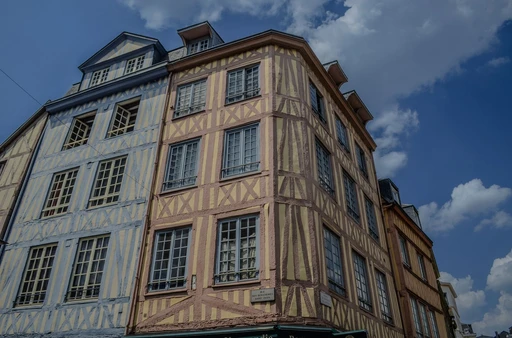
The Needle Is Not Hollow
Rouen
 Étretat
 Honfleur
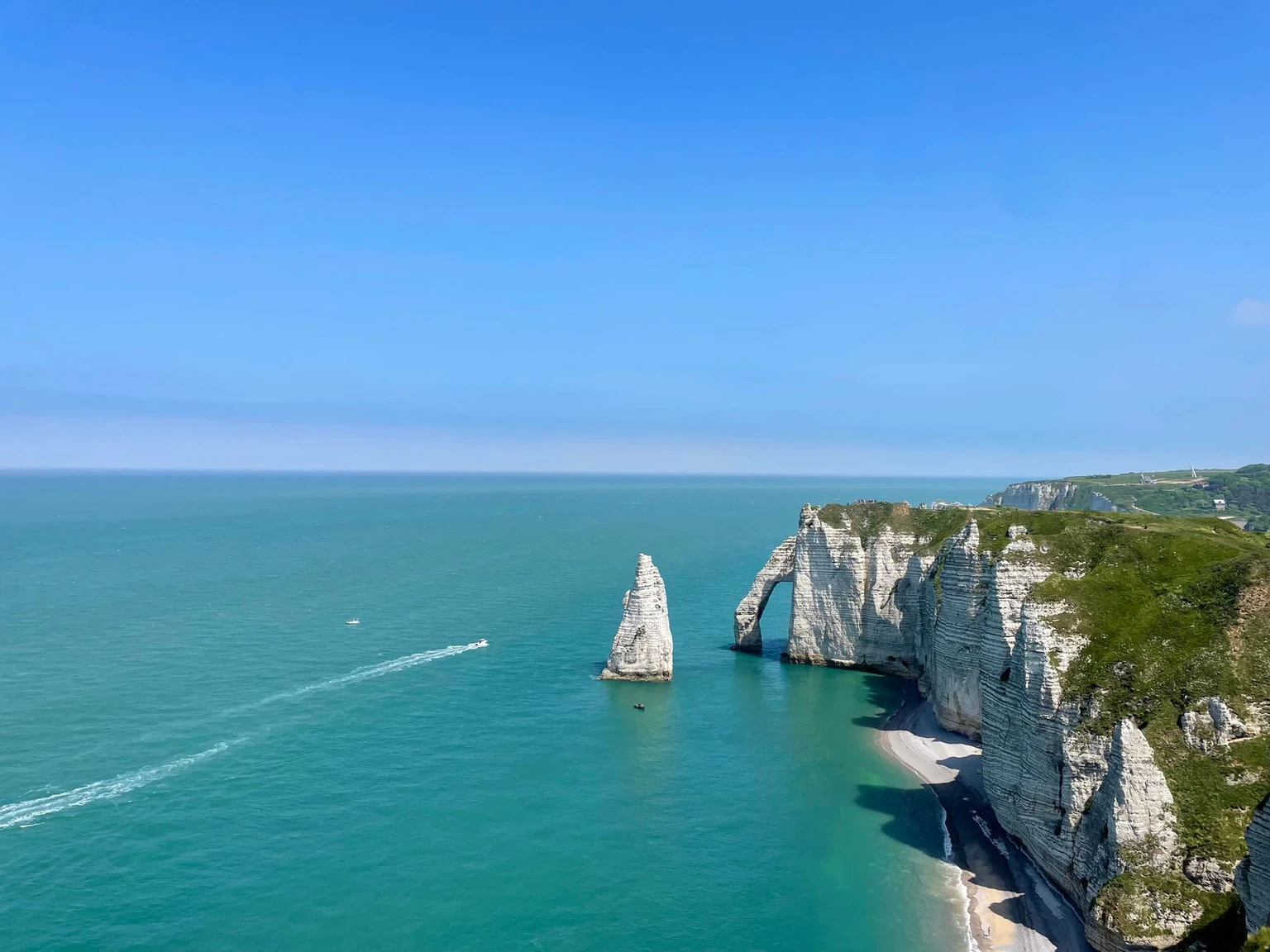
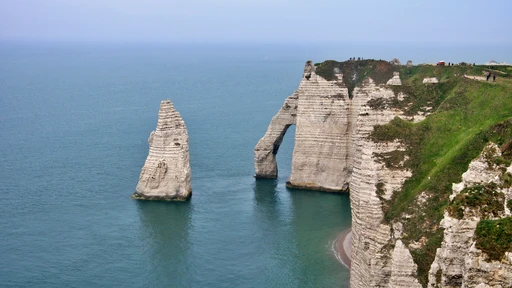
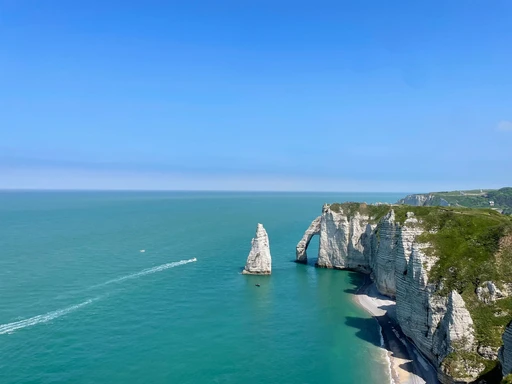
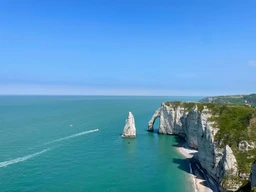
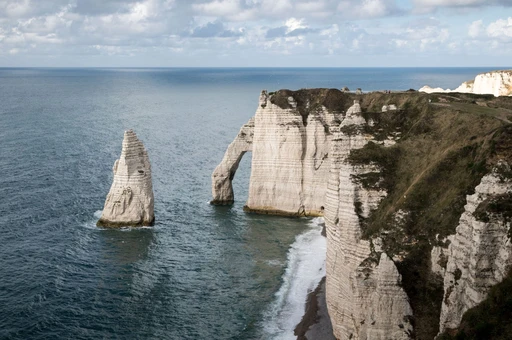
In 1909 Maurice Leblanc published a novel in which the gentleman thief Arsène Lupin discovers that the needle of chalk off Étretat is hollow, with the treasure of the kings of France inside. Leblanc gave it more than eighty meters. In 2012 an astronomer went and measured it. About fifty-five. Novelists.
It is still the best view on the coast. From the path along the top of the western cliff, the needle, the arch beside it and a second, wider arch further on come into view one at a time, white chalk going straight down into green water.
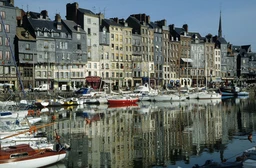
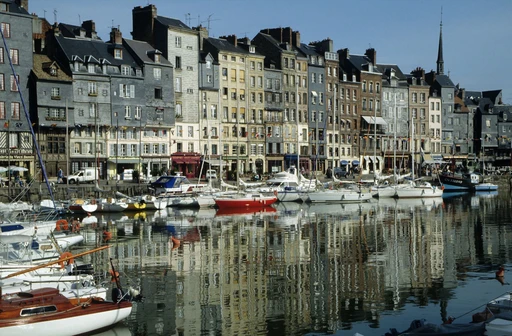
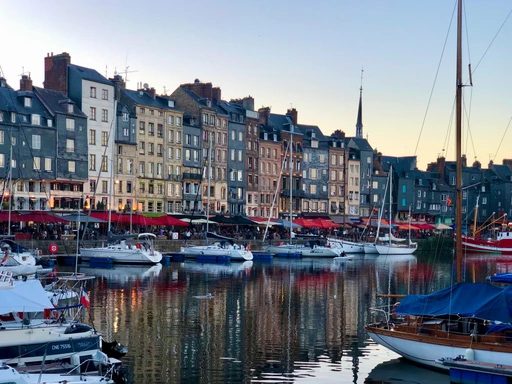
Afternoon in Honfleur, which is pretty in exactly the way a postcard is pretty. The reason to go is the church. After the Hundred Years' War the town's shipwrights built it out of wood, and it shows: look up inside and the roof is a boat turned upside down. The bell tower stands across the street, kept apart in case lightning set it alight. Evening is yours, on the harbor.
Where the Flag Comes Down
Honfleur
 Arromanches-les-Bains
 Pointe du Hoc
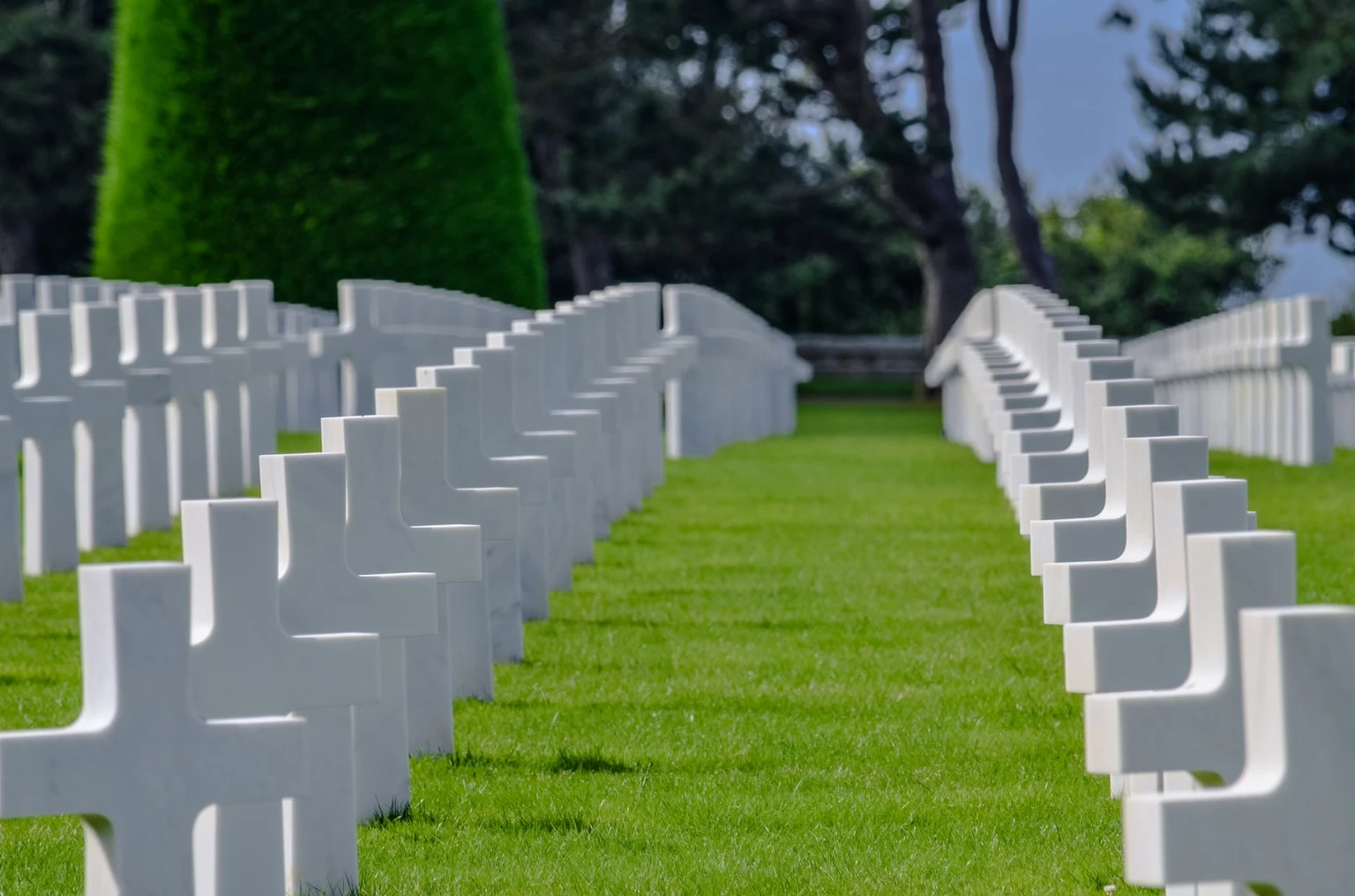
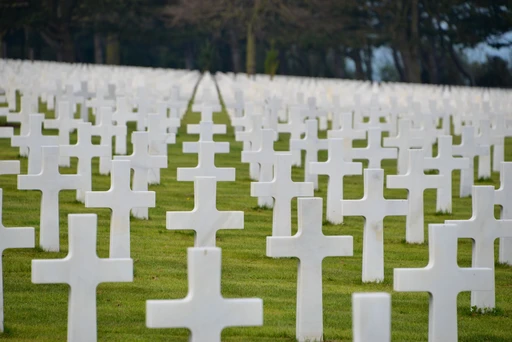
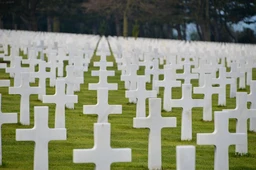 Normandy American Cemetery
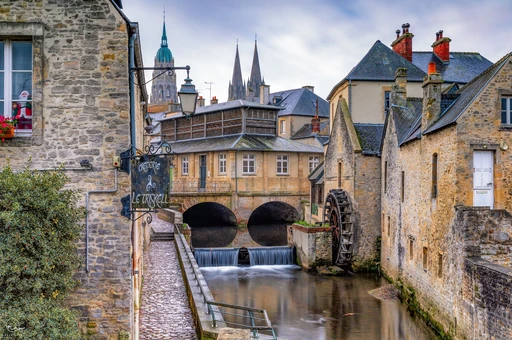
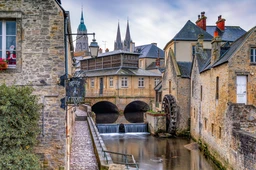 Bayeux
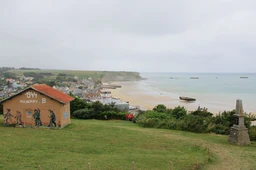
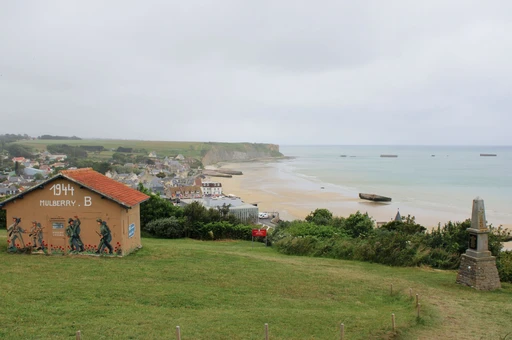
Off the beach at Arromanches there are concrete blocks the size of houses standing in the sea. They were built in Britain, towed across the Channel after the landings of June 1944 and sunk in a line to make a harbor where there was none. Some are still there.
A historian is with you all day. At Pointe du Hoc, American Rangers climbed a cliff of about thirty meters on the morning of 6 June to reach the German guns on top. You stand where they came over the edge.
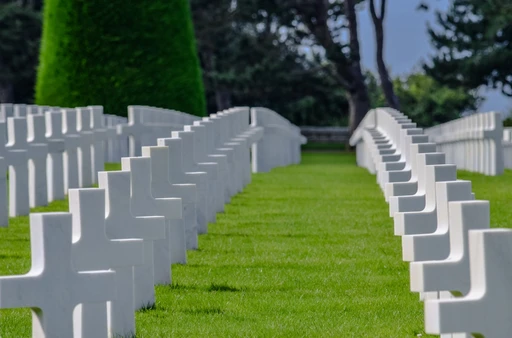
The day ends above Omaha Beach at the Normandy American Cemetery: 9,389 graves in long white rows, and 1,557 names on the Walls of the Missing. An hour before the gates close, the flag is lowered. Stay for it.
Dinner in Bayeux tonight is together, and quieter than the others. That is as it should be.
The Sea Will Be Back for Dinner
Bayeux
Genêts
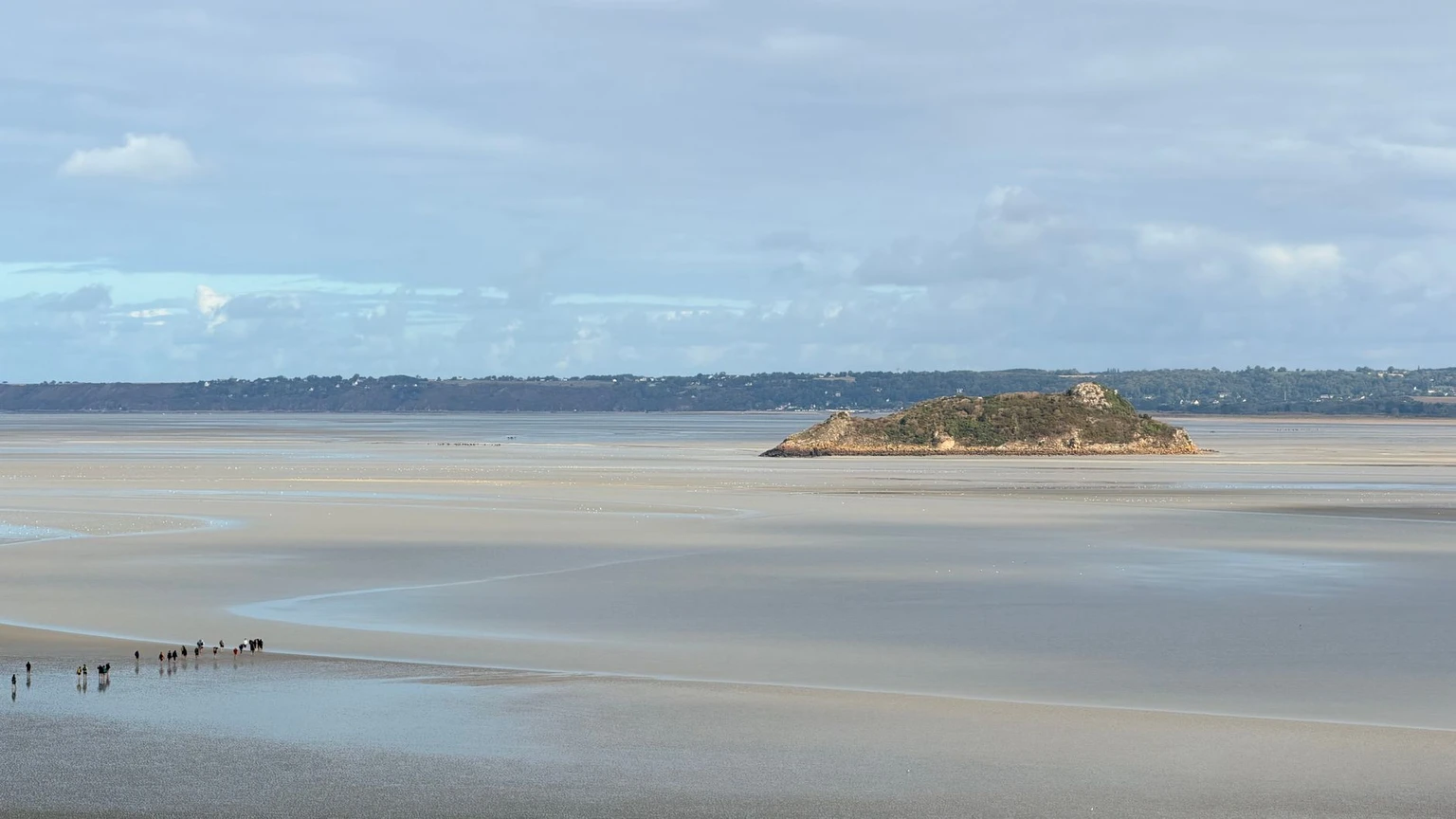
Tombelaine
 Mont-Saint-Michel
The bishop who founded Mont-Saint-Michel was told to build it by the archangel Michael three times, and on the third visit, the story goes, the angel lost patience and pushed a finger into his head. A church in Avranches, just up the coast, keeps the skull said to be his, hole and all. Carbon dating puts it in the seventh or eighth century, and a recent study says the hole was surgery, and that he survived it.
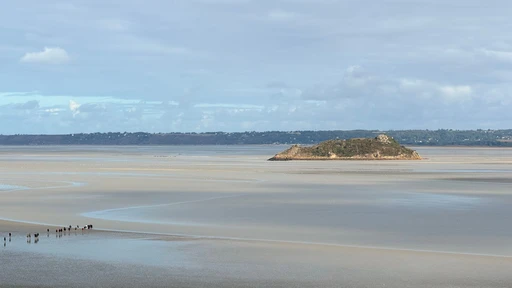
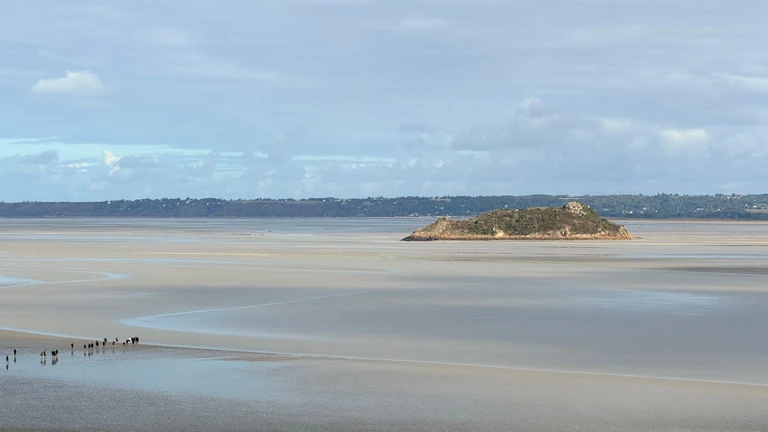
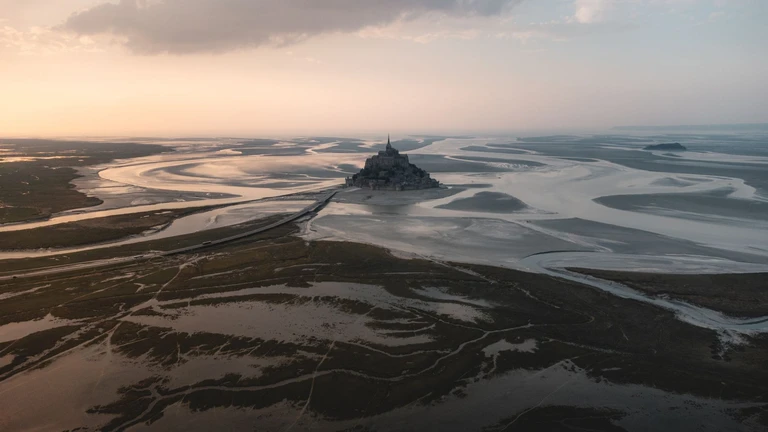
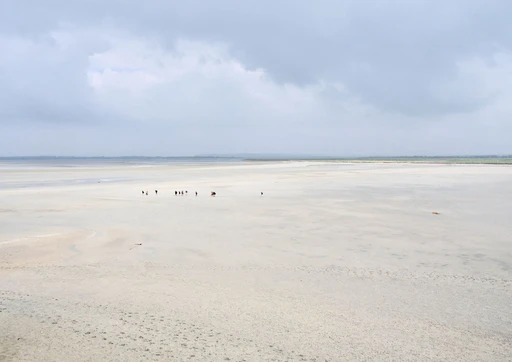
Then shoes off. From the beach at Genêts a certified guide walks the group across the bay to the Mount, barefoot and in shorts, about seven kilometers and three and a half hours, the way pilgrims crossed in the Middle Ages. It is flat the whole way. It is also mud, ribbed sand that gives a little underfoot, and river channels where the water reaches your thighs. Halfway, the guide stops at a patch of quicksand and shows you, safely, what it does. You will be telling people about this one for years.
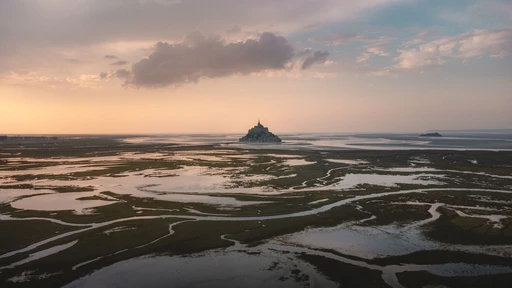
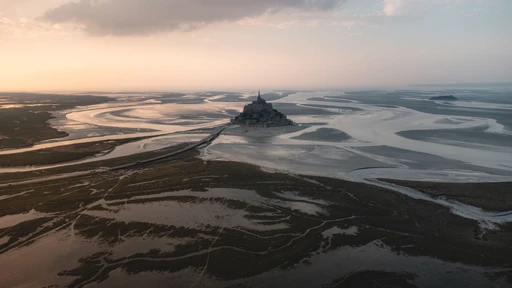
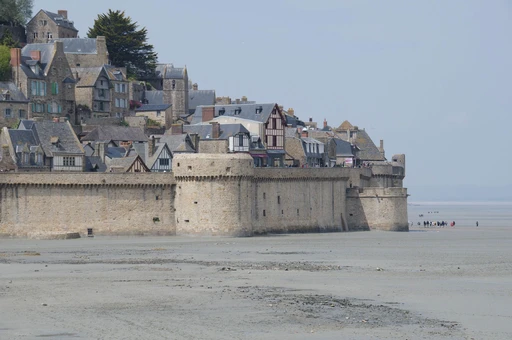
The tide here rises and falls around fourteen meters. By the time you have showered, it is coming back over the sand you walked on. Twenty-three people live on the Mount and millions visit, and tonight, after the day-trippers have gone, you are with the twenty-three. Dinner is lamb from the salt meadows around the bay, where the sheep graze on grass the sea covers.
The Grave You Can Only Reach at Low Tide
Mont-Saint-Michel
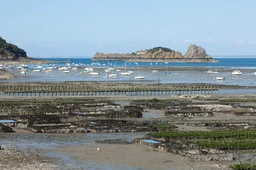 Cancale
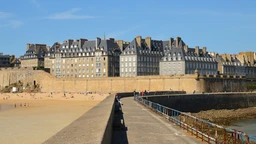 Saint-Malo
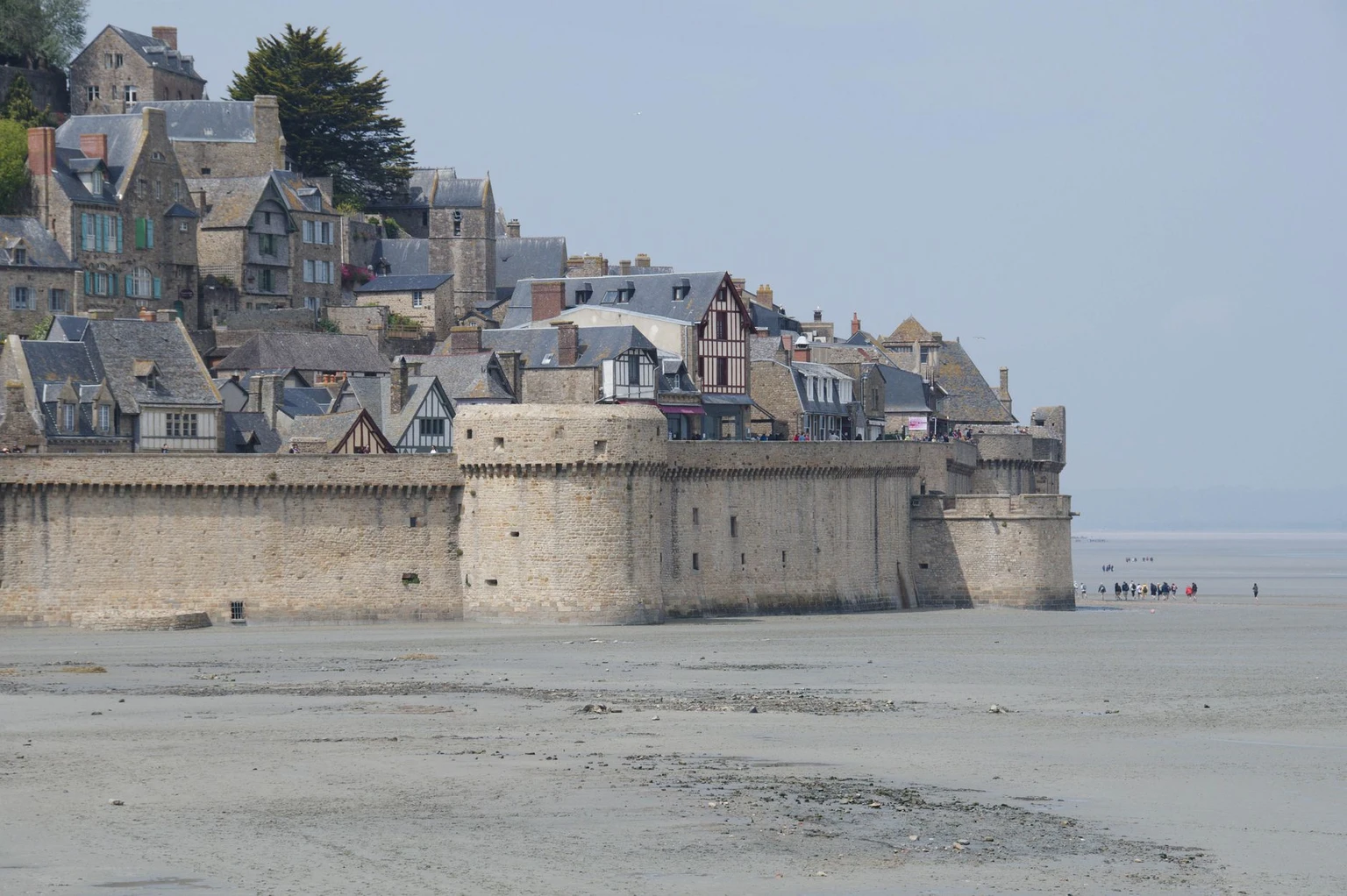
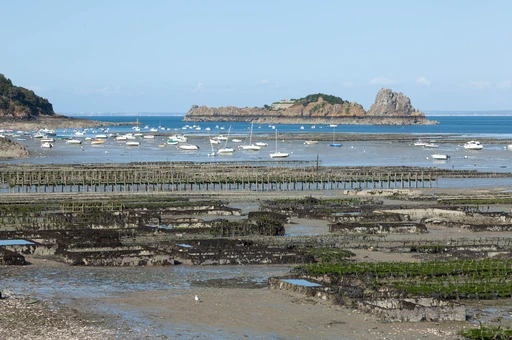
Up to the abbey first thing, before the coaches, while the top of the Mount is still quiet. This is the church the bishop from day 4 was poked into building. Somewhere out on the sand below is the line you walked yesterday.
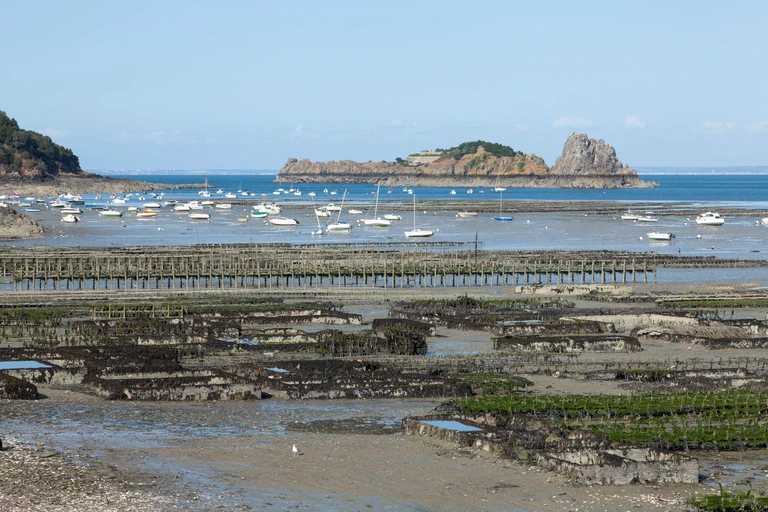
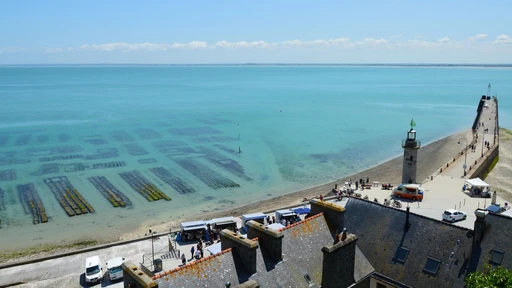
Then Cancale, and oysters from the market on the harbor, eaten looking out at the beds they grew in, which the low tide uncovers in long dark rows.
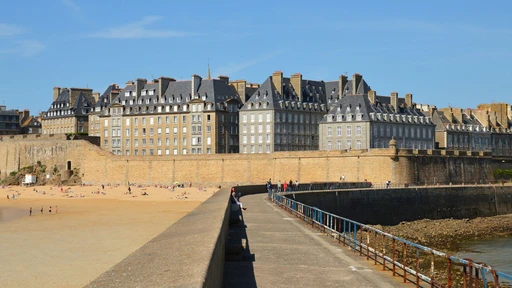
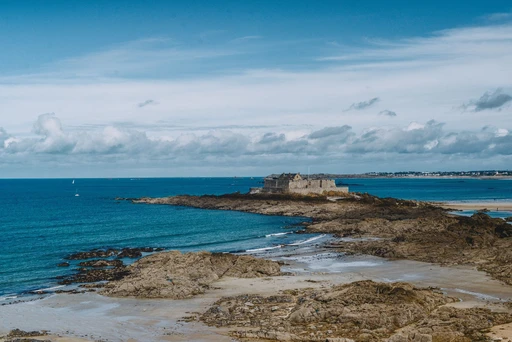
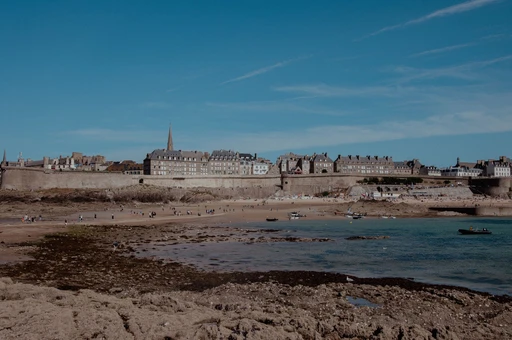
Saint-Malo is the good bit, and it is younger than it looks: in August 1944, two months after the beaches of day 3, 683 of the 865 buildings inside its walls were destroyed, and the town was rebuilt by 1960. Walk the walls, then out across the sand at low tide to the Grand Bé, the island where the writer Chateaubriand is buried, facing the sea. When the tide comes in, he is out of reach again.
Farewell dinner inside the walls. Day 4 will come up. It will have gotten deeper.
Sand in the Suitcase
Saint-Malo
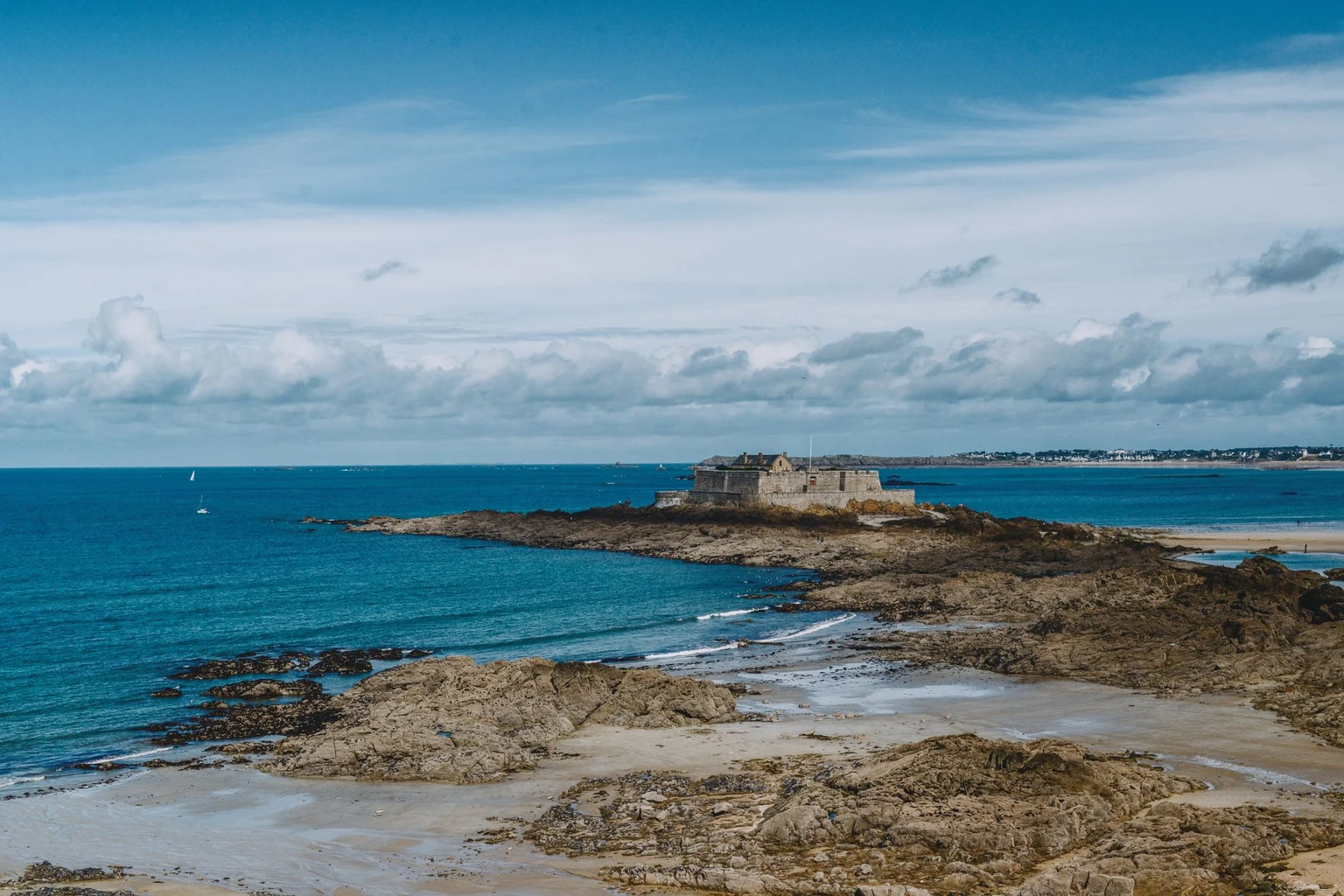
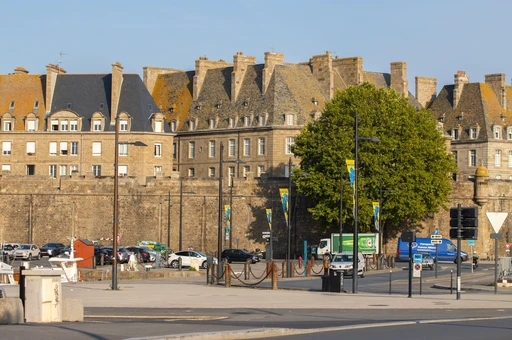
Last morning inside the walls of Saint-Malo, with the tide doing whatever it is doing, which you now have opinions about.
Six days ago this was a table of strangers in Rouen. Now there is a group chat named after a patch of quicksand, a camera roll that is mostly mud and one very famous abbey, and at least one pair of shoes that will never be entirely free of the bay. Hug everybody. The tide goes out again this afternoon without you, which feels rude.
Upcoming trips
8 trips
Rouen → Saint-Malo·6 days
Coordinator
?To be announced
$1,859 / person
Available
Rouen → Saint-Malo·6 days
Coordinator
?To be announced
$1,859 / person
Available
Rouen → Saint-Malo·6 days
Coordinator
?To be announced
$1,859 / person
Available
Rouen → Saint-Malo·6 days
Coordinator
?To be announced
$1,859 / person
Available
Sat 17–Thu 22 Jul
Rouen → Saint-Malo·6 days
Coordinator
?To be announced
$1,859 / person
Available
Sat 31 Jul–Thu 5 Aug
Rouen → Saint-Malo·6 days
Coordinator
?To be announced
$1,859 / person
Available
Rouen → Saint-Malo·6 days
Coordinator
?To be announced
$1,859 / person
Available
Rouen → Saint-Malo·6 days
Coordinator
?To be announced
$1,859 / person
Available
Ask us to run one for your group →
Paying and canceling
Canceling is free until a trip confirms. From the day it does: