Scotland, by Steam and Sea
 Edinburgh
→
 Glencoe
→
 Fort William
→
Mallaig
→
Armadale
→
 Portree
→…
What you’ll remember
5 of them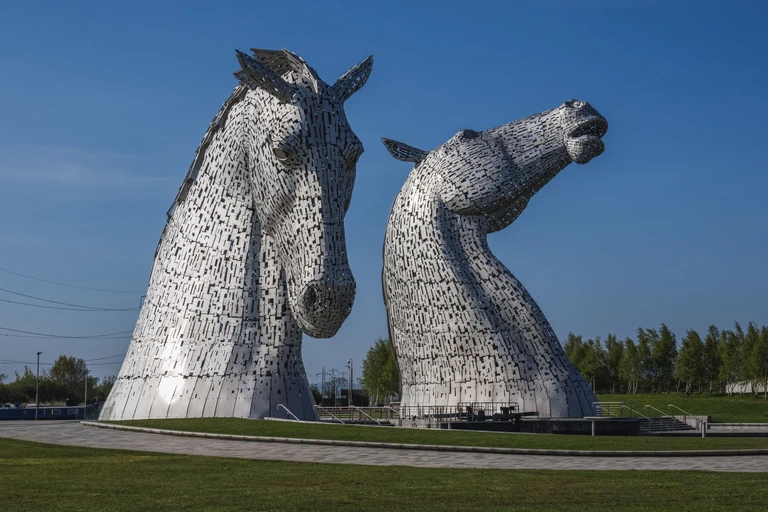
What’s included
- Hotels every night
- Breakfast every morning
- Welcome dinner in Edinburgh
- 2 dinners
- Farewell dinner in Glasgow
- All transport during the trip
- The Jacobite steam train
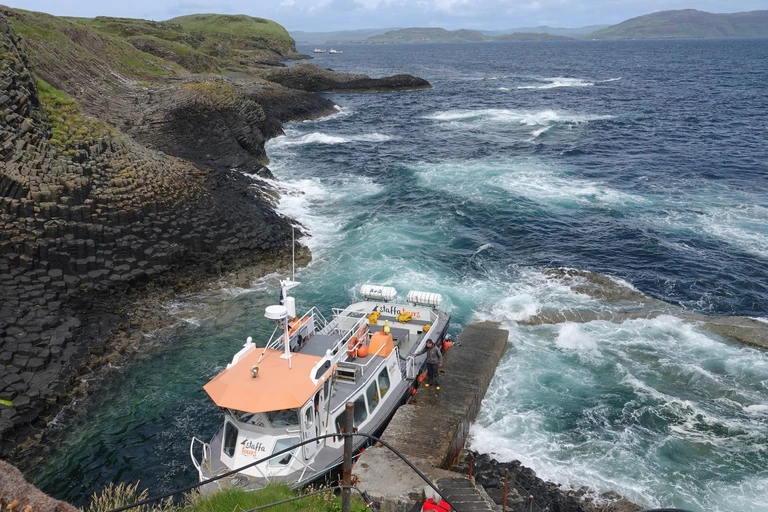
- Boat to Staffa
- Ceilidh
About this trip
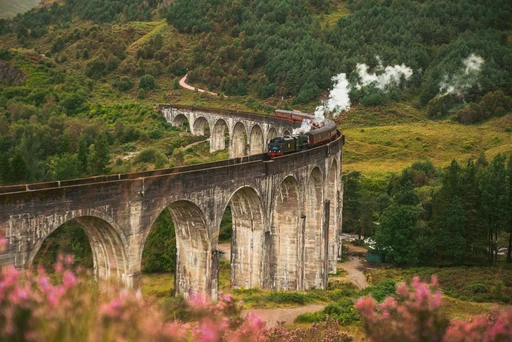
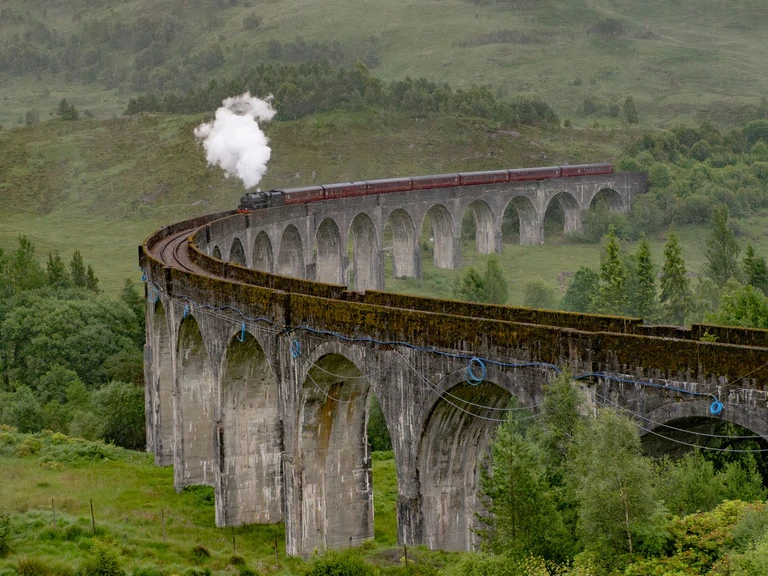
Every summer morning people stand on the hillside above Glenfinnan with their cameras pointed at twenty-one concrete arches, waiting for a steam train to come round the curve. You are on the train. By lunchtime the line has run out of land and the boat to Skye is waiting.
Later in the week: an island nobody has lived on since 1857, where you sit on the cliff top and the puffins carry on a few feet away as if you were part of the hill. A cave you walk into along the tops of its basalt columns. A bridge Skye refused to pay for. A bronze duke in Glasgow who has worn a traffic cone since at least the 1980s, because the city will not be told otherwise.
Scotland has firm views about doing what it is told. On the last night it tells you to dance, a live band calls out the steps, and the people spinning you round are the strangers you sat down to dinner with in Edinburgh a week before. That one, everybody does.
Day by day
8 daysThe Castle Is Sitting on a Volcano
 Edinburgh
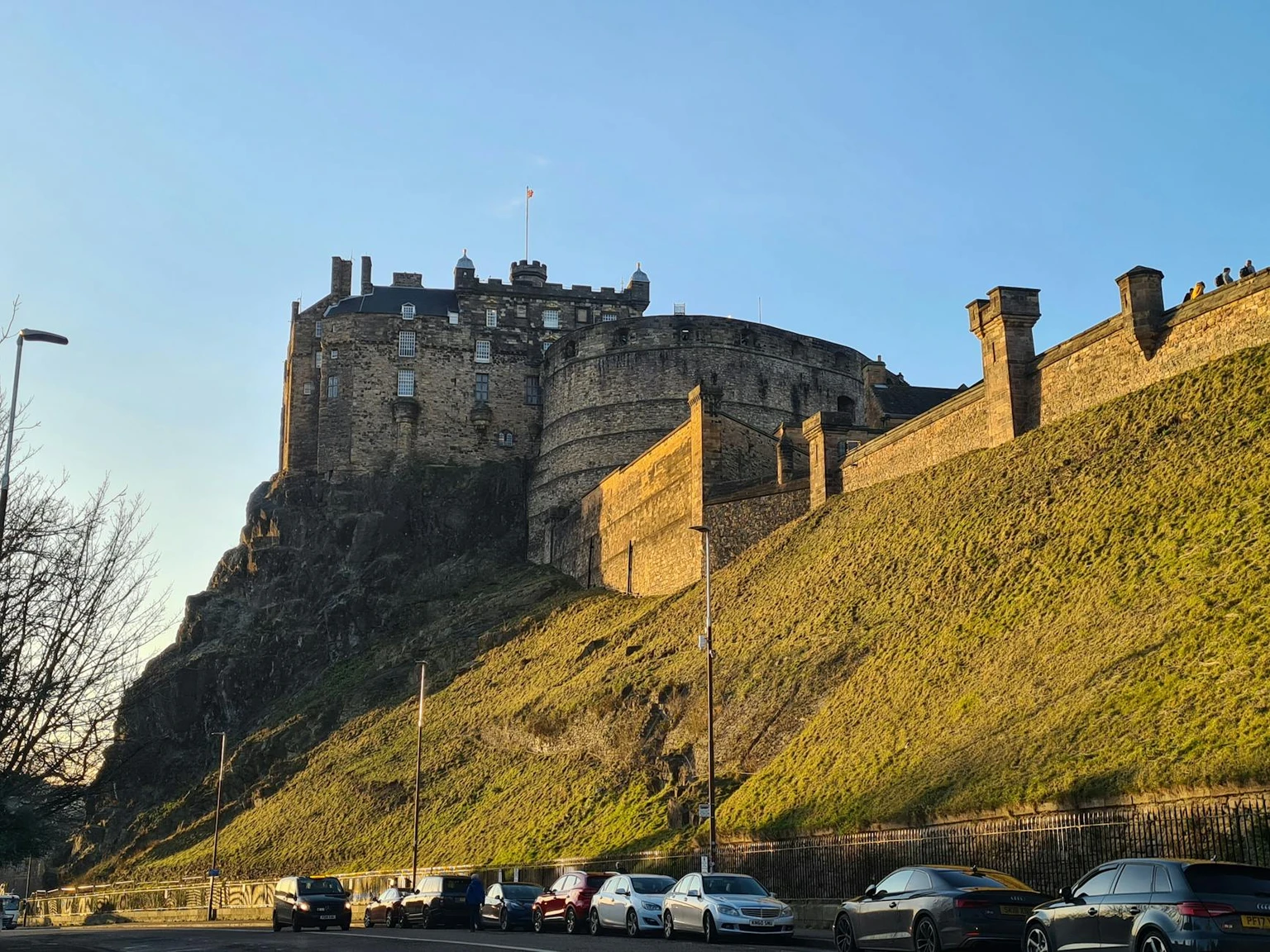
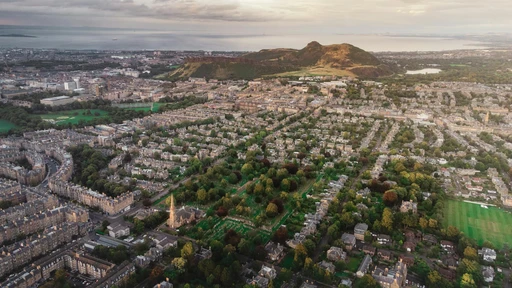
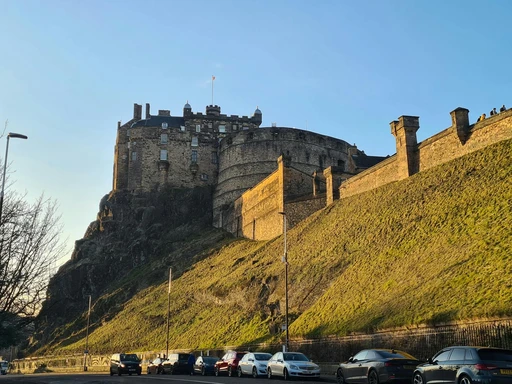
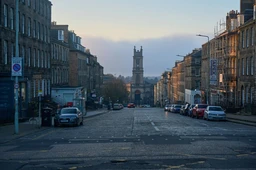
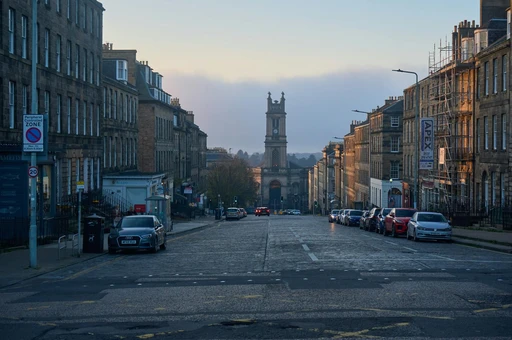
Edinburgh Castle stands on the plug of a volcano that went quiet about 350 million years ago, and the city has spent the centuries since building as close to the edge of it as it dares. Half a million people. Two extinct volcanoes, one with a castle on top and the other, Arthur's Seat, a walk away. Nobody here seems bothered.
Your coordinator meets the group in the early evening for the welcome dinner. Some people came with a friend and some came on their own, and by the second course nobody at the table could tell you which was which. The first round of where-are-you-from runs longer than anyone planned, and the sun does not set until around ten, so it is still light outside when it ends.
Look around the table. On day 7, in a Glasgow ballroom, every one of these people will be spinning you across a dance floor.
A Forest for Somebody Who Missed Home
Edinburgh
 The Kelpies
 Glencoe
 Fort William
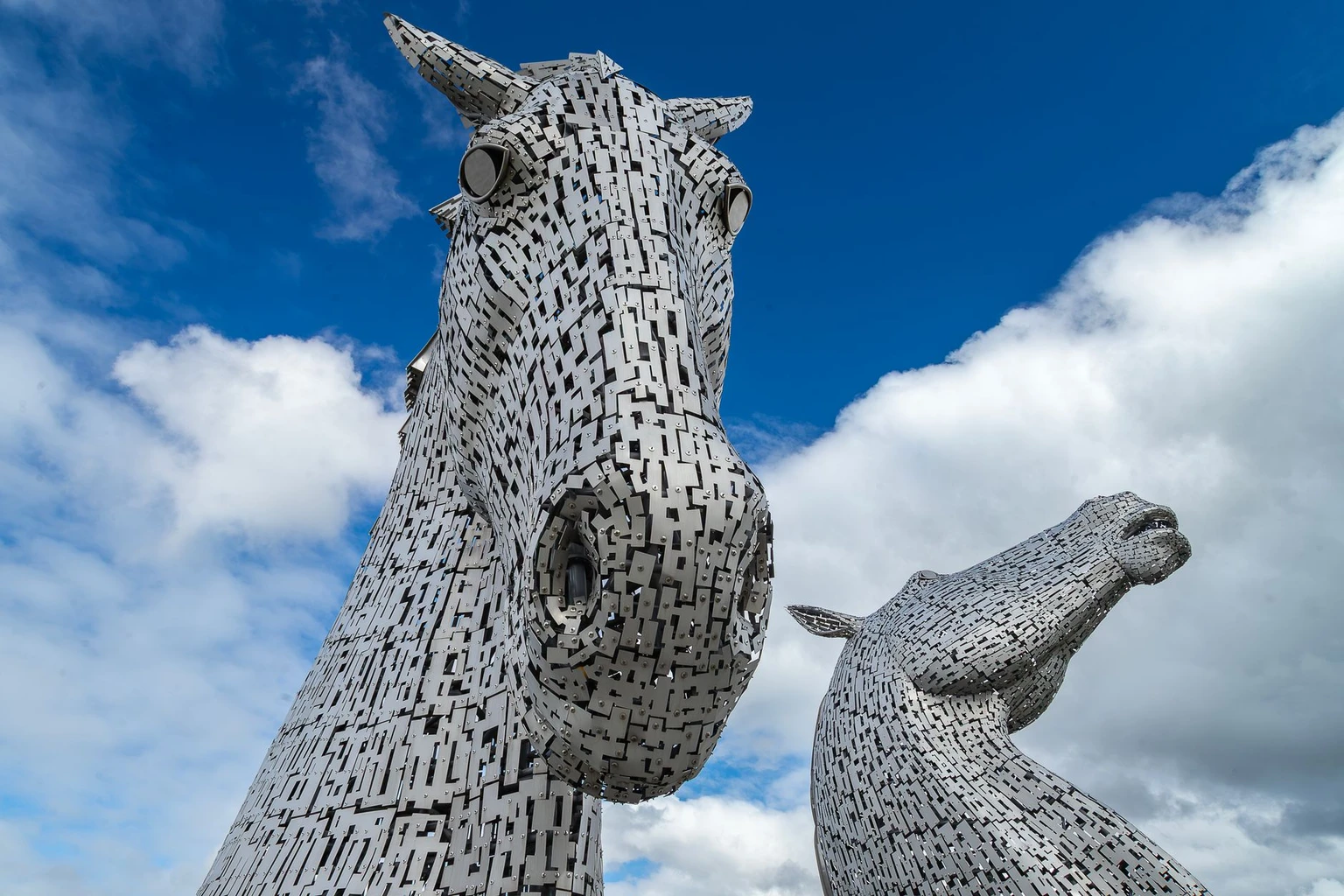
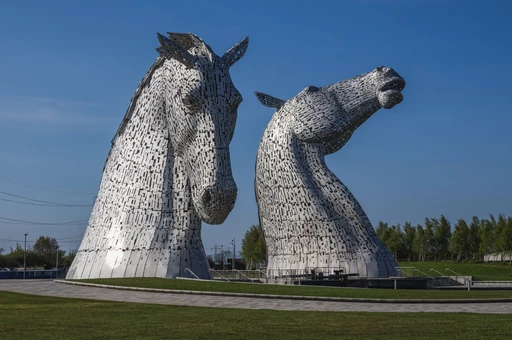
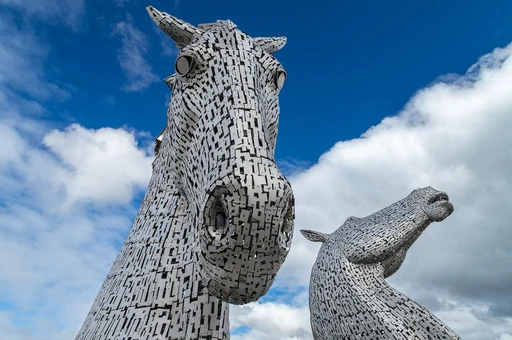
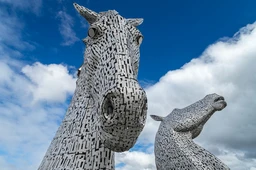
Two steel horse heads, each thirty meters tall, stand over a canal outside Falkirk. Then the road climbs onto Rannoch Moor, about 130 square kilometers of bog so soft that the railway across it was floated on a mattress of tree roots, brushwood and ash. The bog would not hold a railway up, so the railway learned to float.
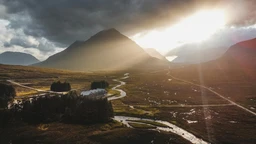
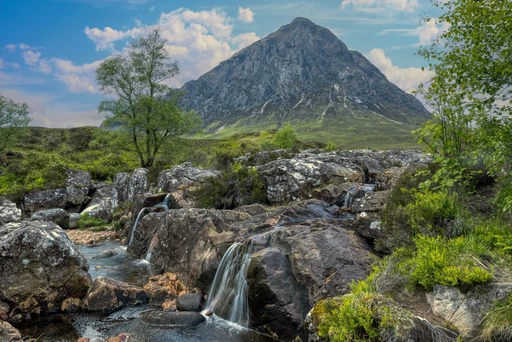
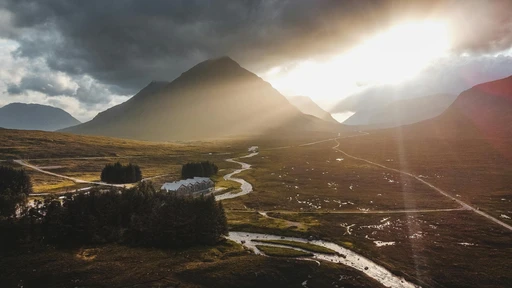
Then Glen Coe: the collapsed floor of a supervolcano, and the first place anyone worked out how a volcano can sink into itself. Edinburgh's was the warm-up. The glen keeps a darker story too. On 13 February 1692, government soldiers who had been the MacDonalds' guests for almost two weeks turned on their hosts here.
At the foot of the glen is an easy loop around a lochan, through trees from the other side of the Atlantic. In the 1890s Lord Strathcona brought his wife Isabella here from Canada. She was homesick, so he planted her a piece of the Pacific Northwest. It is still growing, which is more than most romantic gestures manage.
Fort William tonight, a practical town under Britain's highest mountain. It is not the good bit and does not pretend to be. Tomorrow morning it is where the steam comes from.
Twenty-One Arches, From the Inside
Fort William
 Glenfinnan Viaduct
 Mallaig
Armadale
 Portree
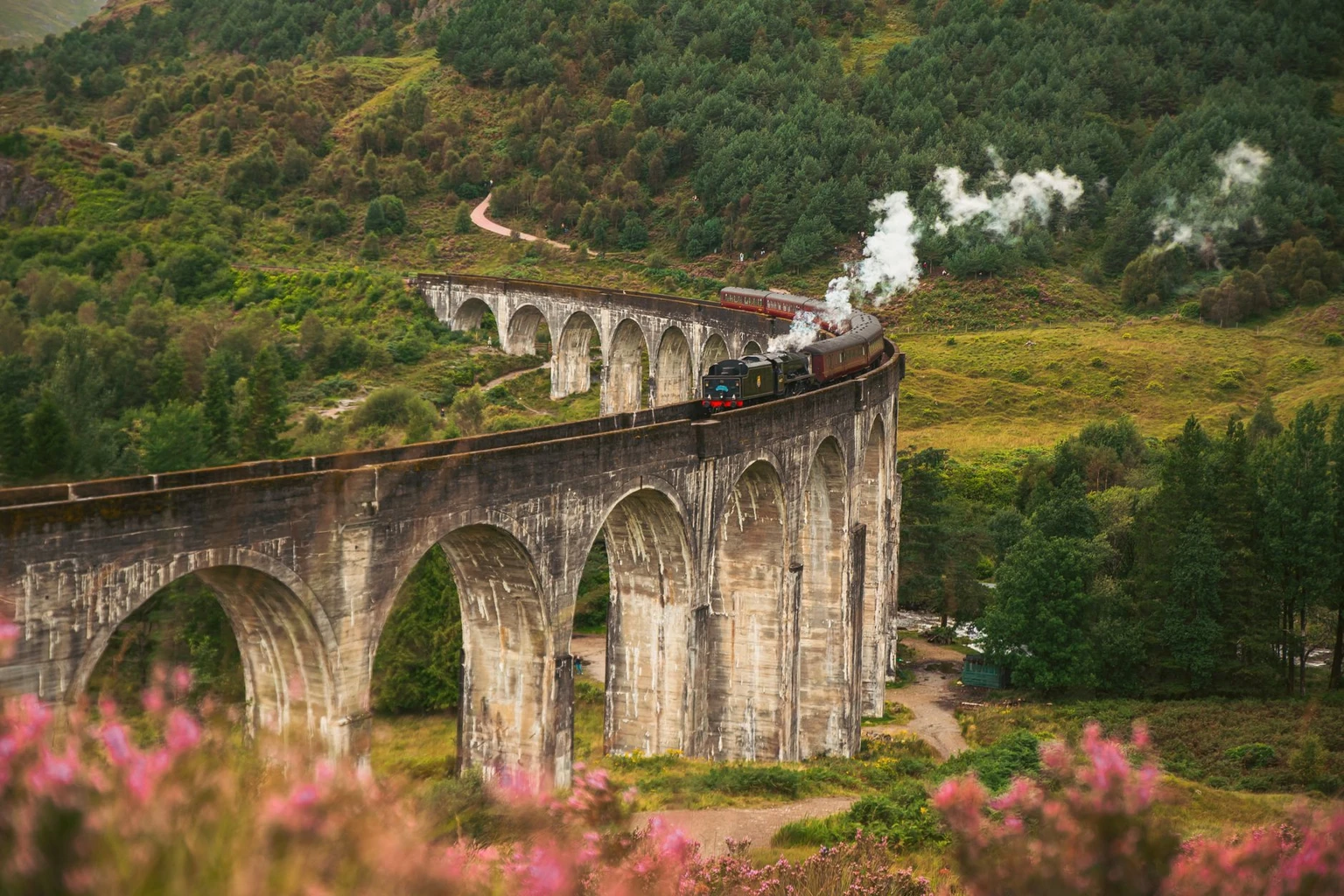
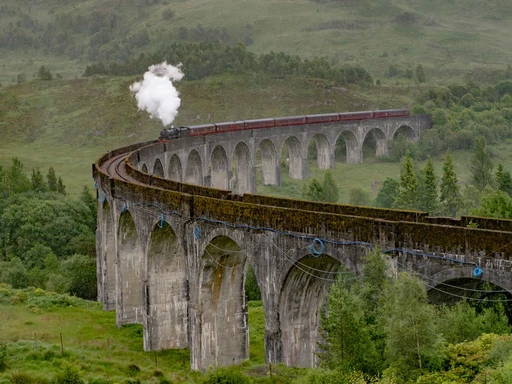
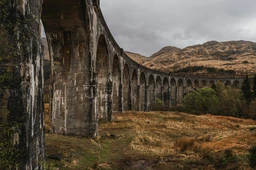
Every summer morning people wait on the hillside above Glenfinnan with their cameras pointed at twenty-one concrete arches, thirty meters above the river, for a steam train to come round the curve. This morning you are on it, at a table by the window, with coal smoke coming in whenever somebody opens it.
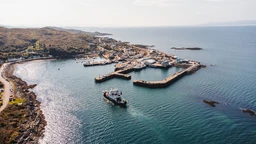
The line opened in 1901. The local rock defeated everything else its builder, Robert McAlpine, tried, so he poured the viaduct in mass concrete and was Concrete Bob ever after. Beyond Glenfinnan: Loch Morar, 310 meters deep and the deepest fresh water in the British Isles. Arisaig, the most westerly station on the British mainland. Then Mallaig, where the land runs out and so does the line.
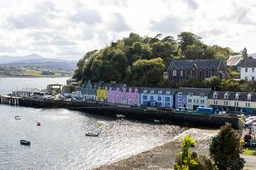
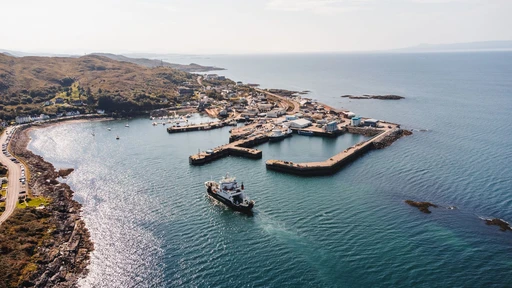
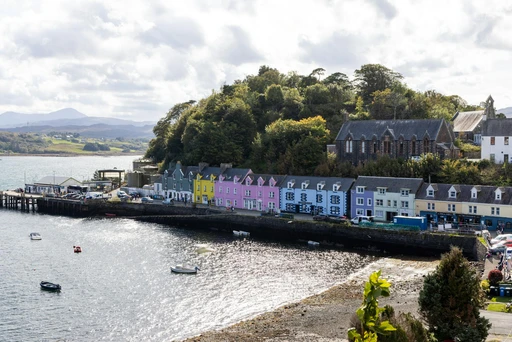
In the 1960s Mallaig was the busiest herring port in Europe, and the fish and chips on the harbor still take that seriously. Then Skye fills the windows of the boat. Portree means the king's port. It has 2,281 people, a harbor of painted houses and you, for two nights.
Footprints, Tide Permitting
Portree
 Old Man of Storr
 Kilt Rock
Staffin
 Quiraing
In 2002 a woman who ran an inn up the road found a footprint in a block of sandstone on the beach at Staffin. A meat-eating dinosaur left it about 165 million years ago, and there are more in the rock shelf below the slipway, some of them half a meter long. Whether you see them depends on the tide and on how much sand the sea has left on top, which makes them the only thing on this trip a dinosaur can cancel.
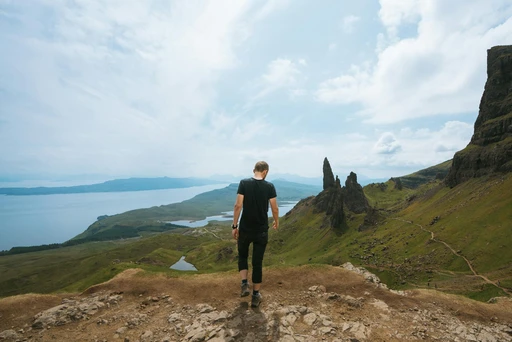
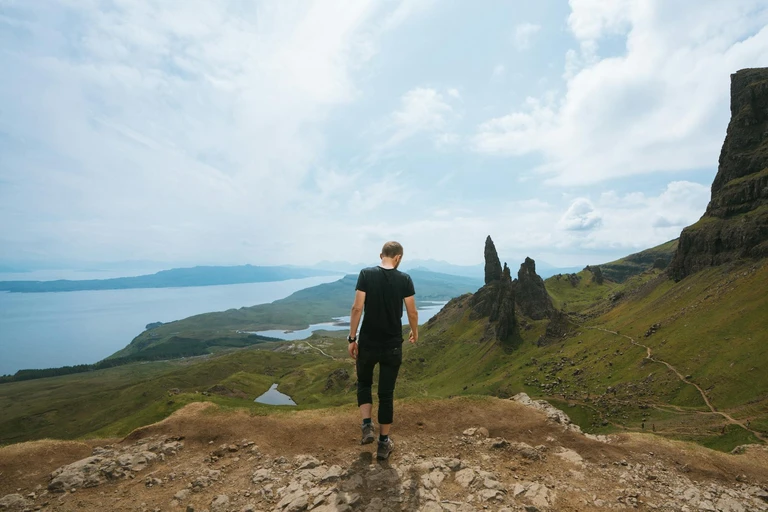
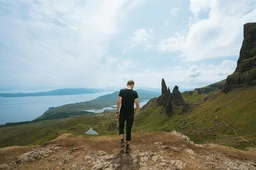
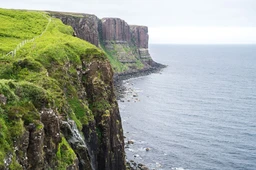
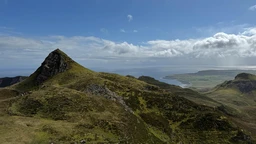
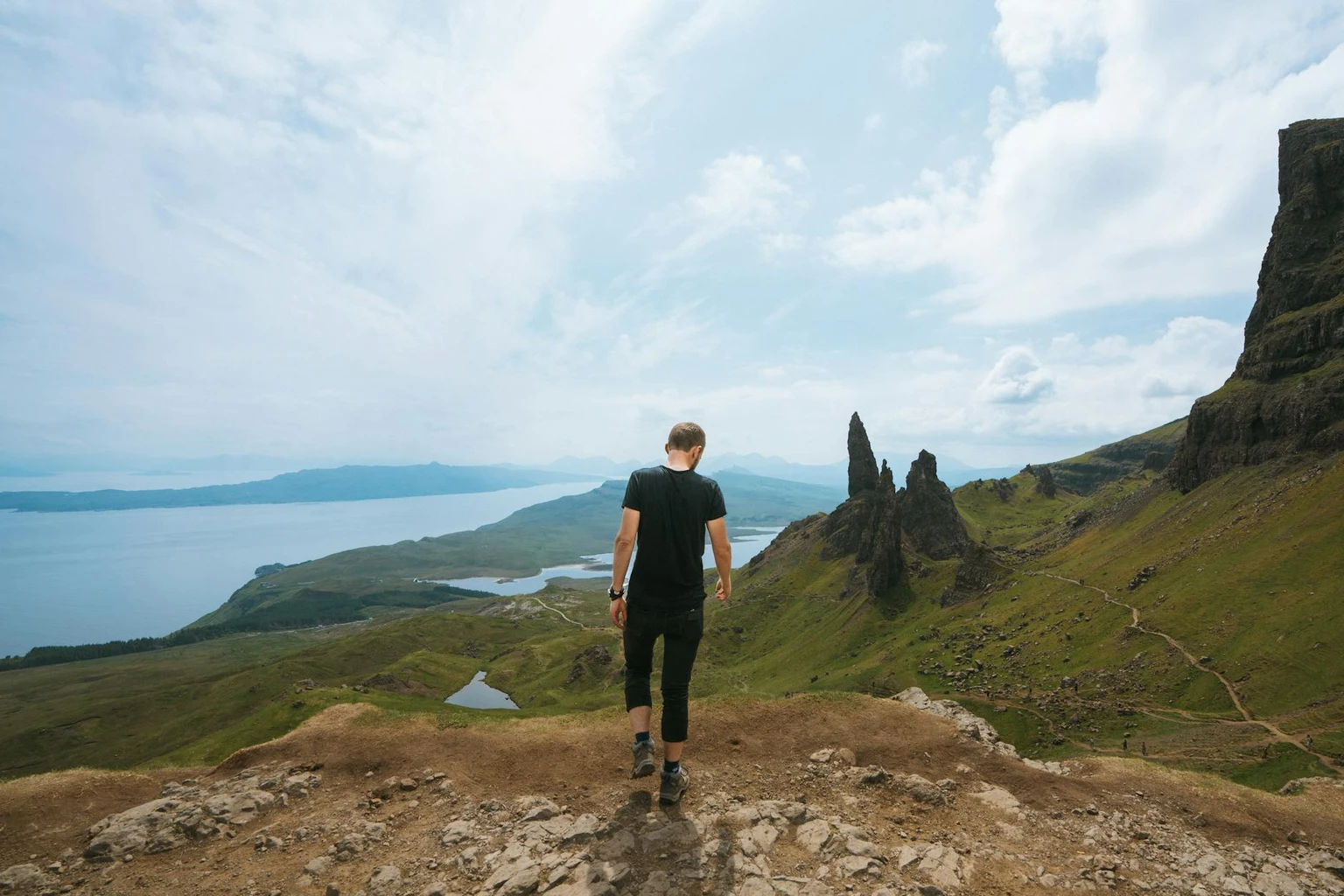
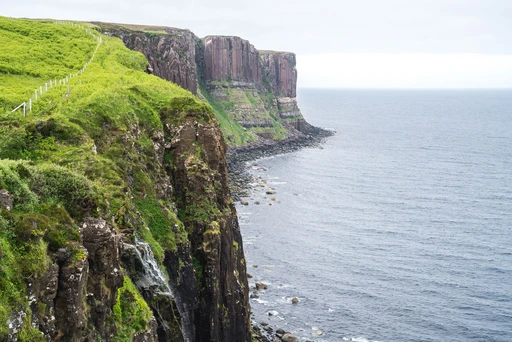
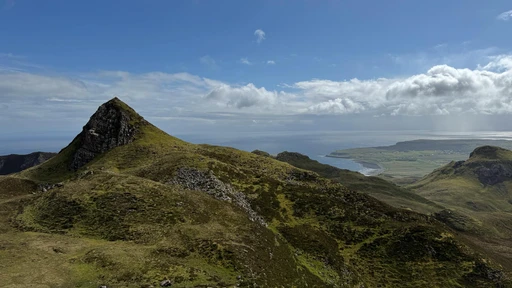
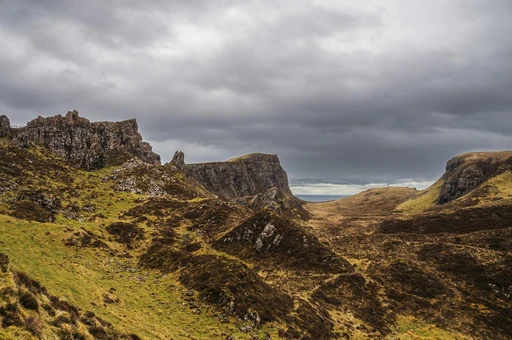
The rest of the day is the Trotternish landslip, the longest in Britain. The Old Man of Storr is what it left standing, a black pinnacle above a slope of broken rock, reached by a built path that climbs steadily for about an hour. Go all the way, or stop halfway and turn round: the view behind you is half the point either way. Kilt Rock is a fifty-five-meter cliff with a waterfall going straight off the top, and the Quiraing is a walk along the edge of the slip for exactly as long as you like.
Dinner in Portree. The sun goes down after ten and the sky never gets fully dark, which your body clock will take personally.
The Bridge Skye Refused to Pay For
Quiraing
Portree
 Kyle of Lochalsh
 Eilean Donan Castle
Fort William
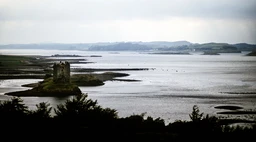 Castle Stalker
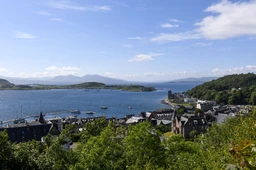 Oban
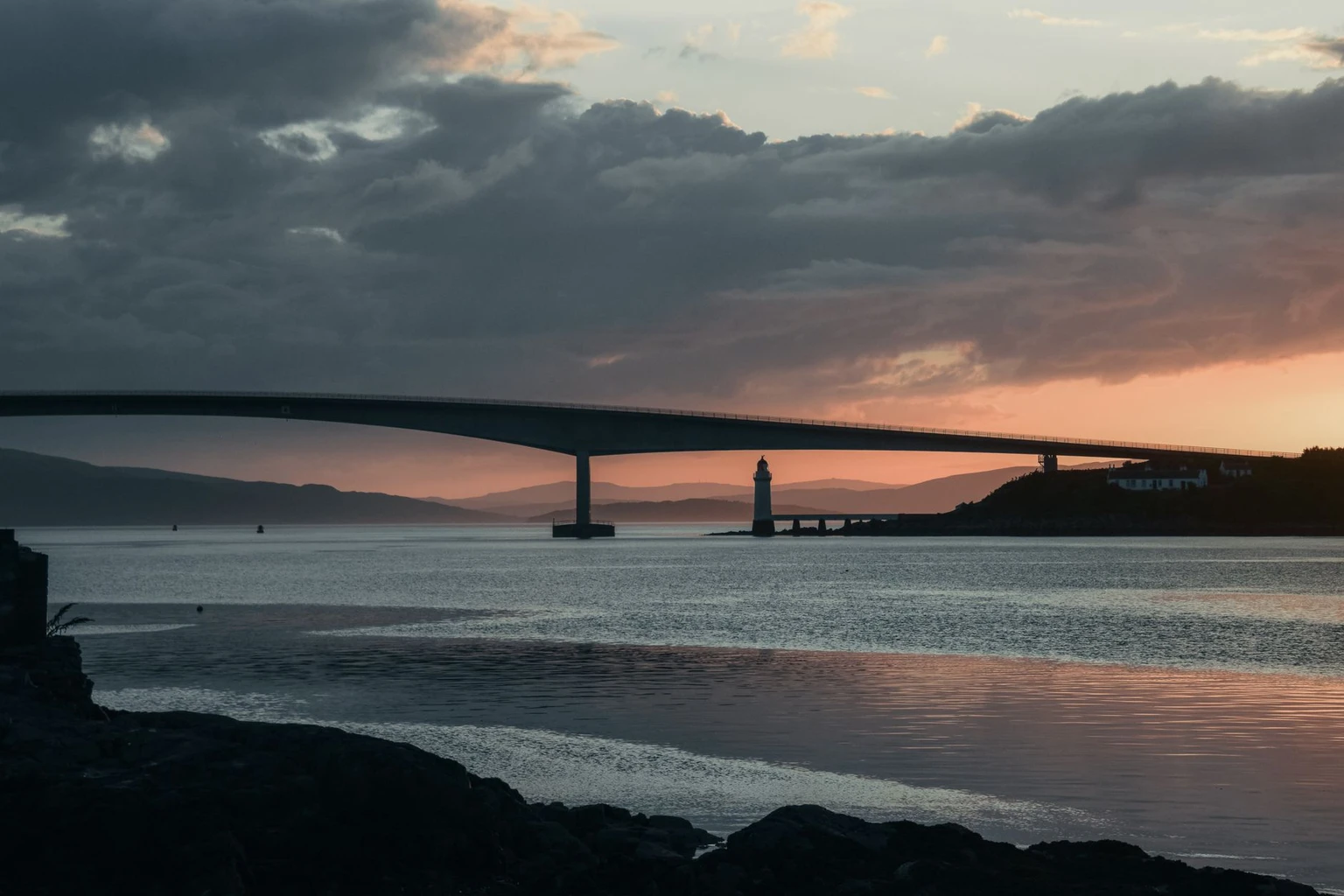
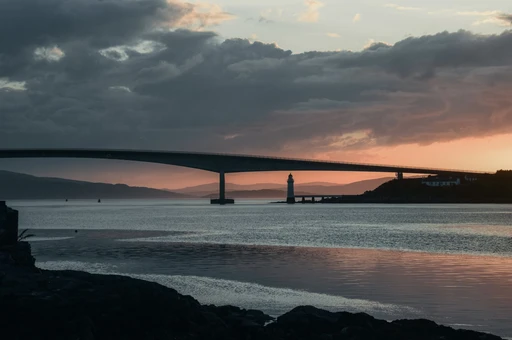
The Skye Bridge opened in 1995 as a toll bridge, and by 2004 a round trip cost £11.40, fourteen times the Forth Road Bridge for a crossing less than half as long. The island would not pay. Hundreds were arrested and more than a hundred convicted, and that December the government bought the bridge for about £27 million and the tolls stopped for good. This morning you cross it for nothing. Skye did that.
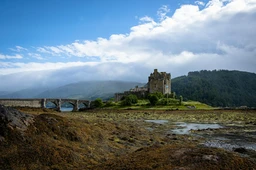
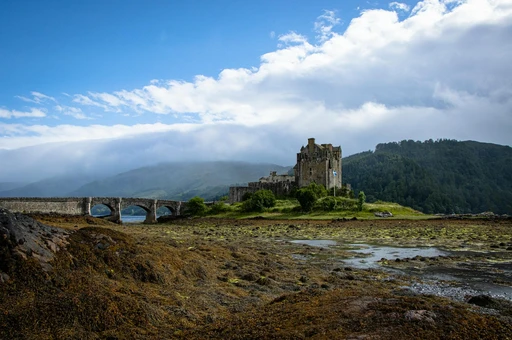
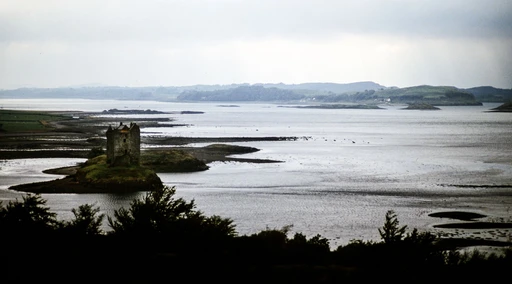
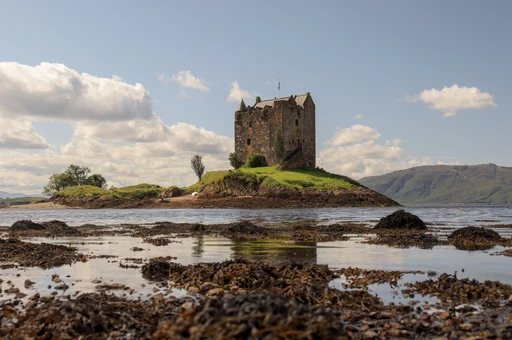
Day 5 is the long one, and better said now than at a service station: Skye to Oban is most of a day on the road, down the whole west side of the Highlands. The stops carry it. Eilean Donan is on every Highland calendar and is younger than it looks: the Royal Navy wrecked it in 1719, it stood in ruins for nearly two hundred years, and most of what you photograph went up between 1919 and 1932. Further south, Castle Stalker sits alone on its island off the shore. If it looks familiar, it played the Castle Aaaaarrrrrrggghhh in Monty Python and the Holy Grail.
Oban by evening, for two nights.
An Island Left to the Puffins
Oban
Craignure
Ulva Ferry
 Staffa
 Lunga
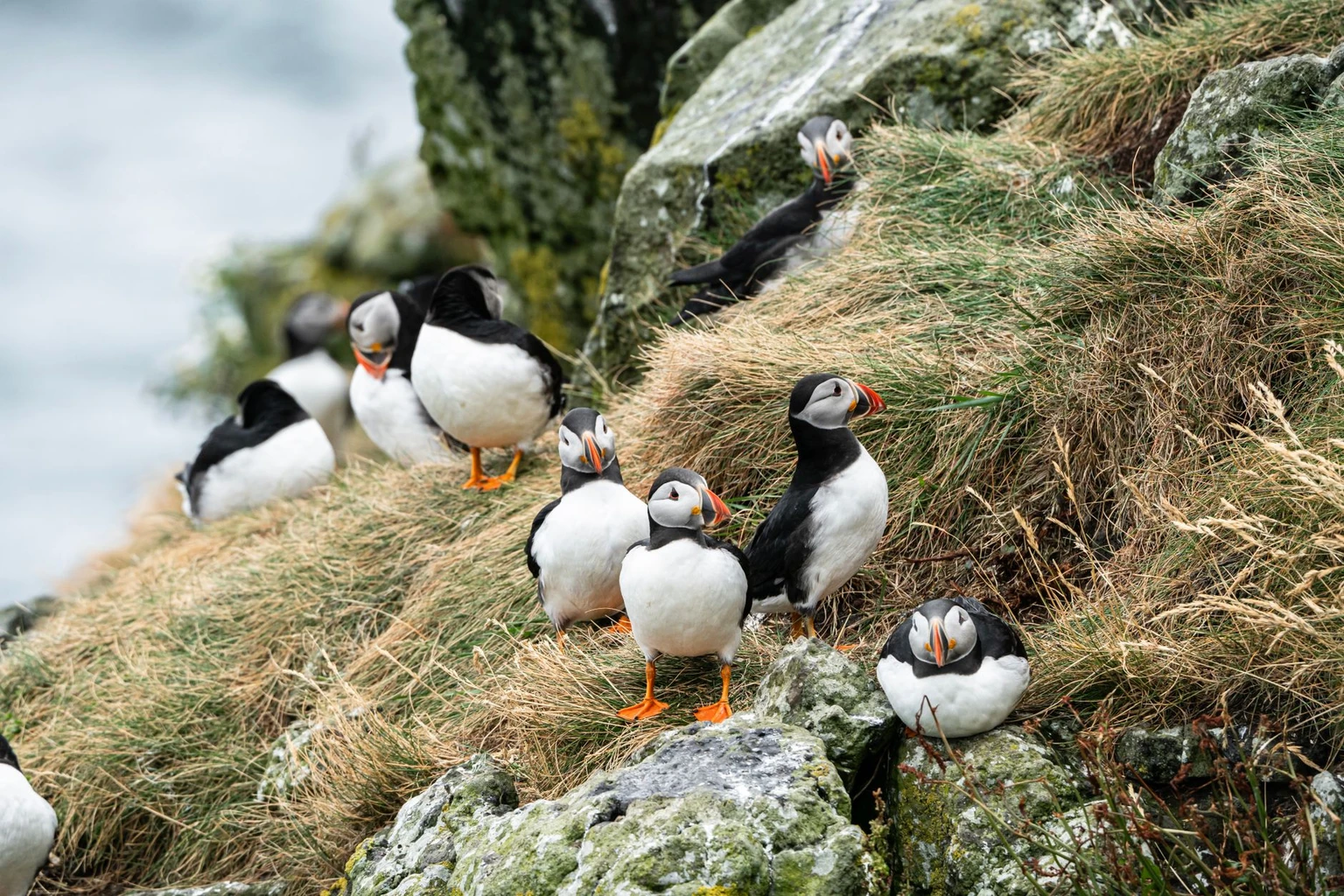
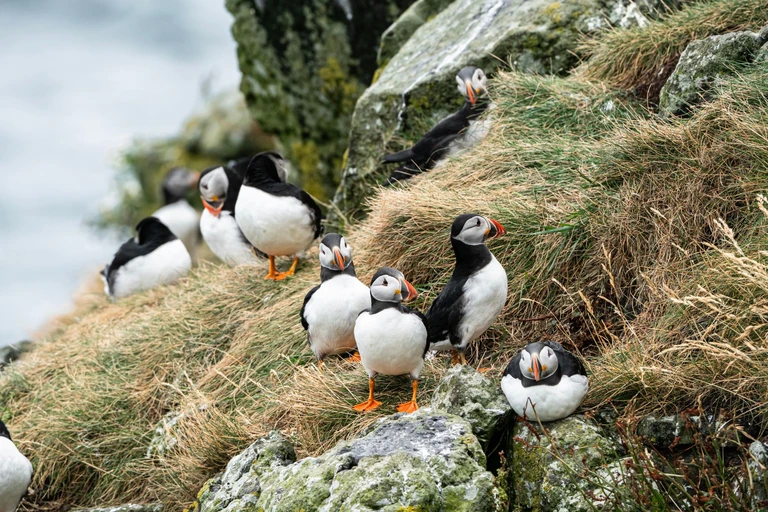
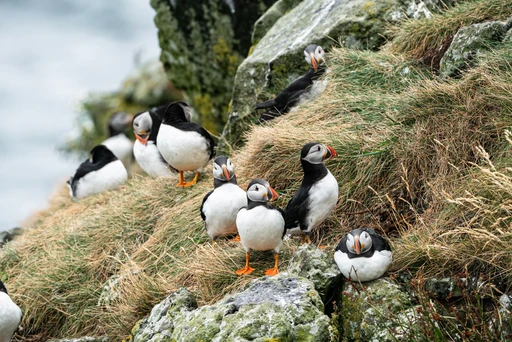
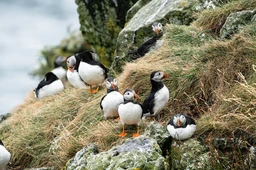
The last people left Lunga in 1857, and the seabirds took the rest. From late spring to the first week of August thousands of puffins nest in the turf along its cliff top, and if you sit still they carry on around you as if you were part of the hill: landing, squabbling, standing in the doorways of their burrows a few feet away. It is their island and they behave accordingly. You get about two hours ashore. You will want four.
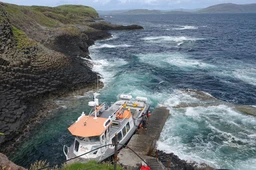
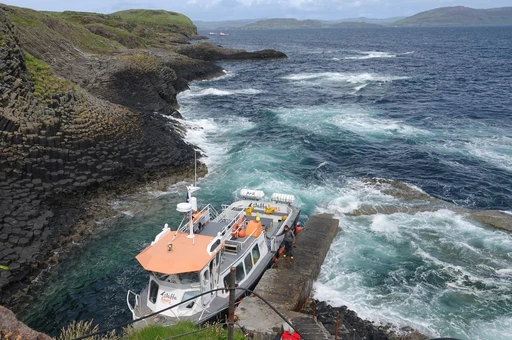
The other island is Staffa, Old Norse for pillar island, which is exactly what it is: basalt columns packed like pencils, with a path along their broken tops into Fingal's Cave. Mendelssohn came in 1829 and wrote an overture about it. Inside, the sea is louder than the overture.
On the way out, watch Loch na Keal, where sea eagles are possible. The landing on Lunga is onto rocks and the crew hands everyone across. Back in Oban, seafood for dinner and a camera roll that has changed species.
The Duke Who Wears a Traffic Cone
Lunga
Oban
 Luss
 Glasgow
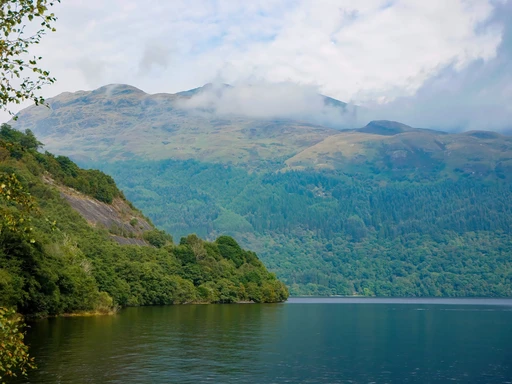
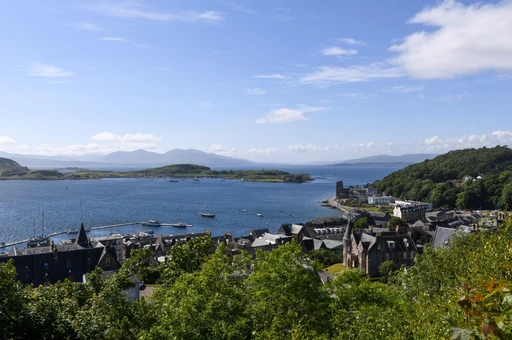
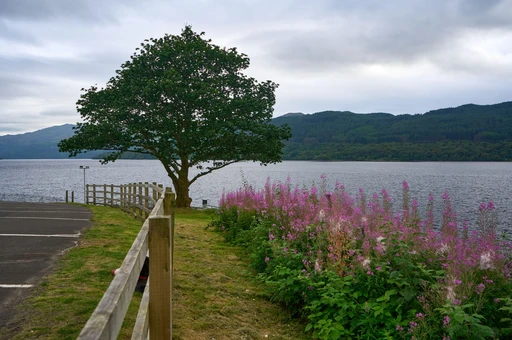
South in the morning to Loch Lomond, the biggest sheet of fresh water in Great Britain, with thirty-odd islands and, on one of them, a colony of wallabies. Yes, wallabies.
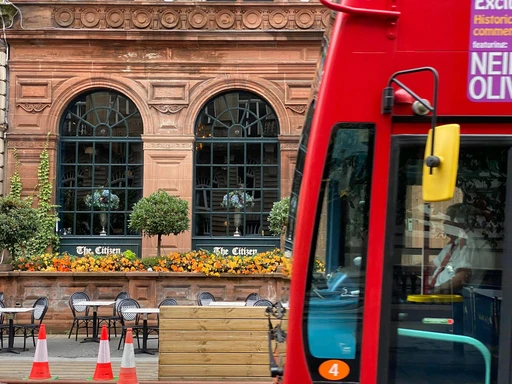
Glasgow by afternoon. Since at least the 1980s the bronze Duke of Wellington in the middle of the city has worn a traffic cone on his head. The council has asked people to stop, proposed doubling the height of the plinth, and once tested £1.2 million of camera software that could spot people climbing up. The cone is still there. When Glasgow held the 2026 Commonwealth Games, the mascot was a unicorn with a cone for a horn. About 620,000 people live here, and on this one they have outvoted the council.
Then the farewell dinner and a ceilidh, which is Gaelic for a visit and Scottish for a ballroom, a live band and the steps called out as you go. The Gay Gordons first, Strip the Willow once everyone is braver. Nobody needs to bring a partner. On day 1 these people were strangers at a dinner table in Edinburgh. Tonight they are your partners, in rotation.
Everyone You Danced With Last Night
Glasgow
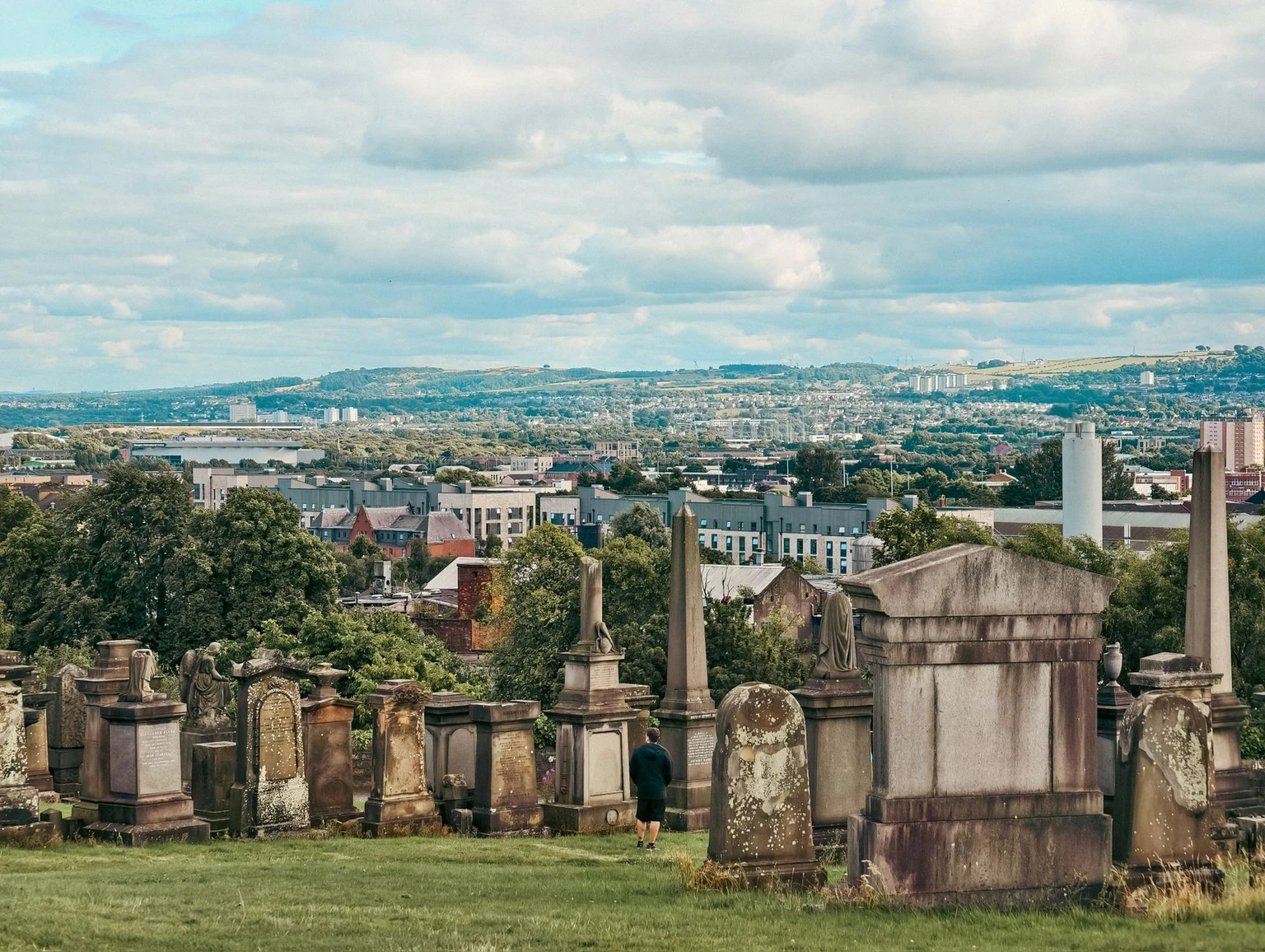
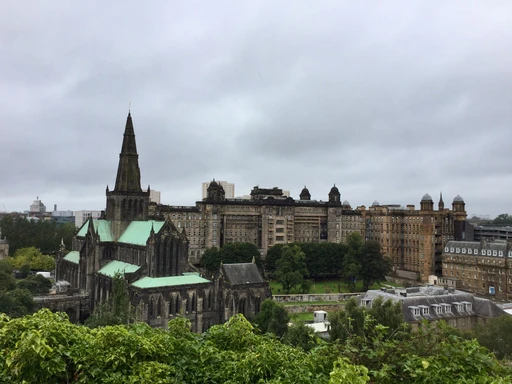
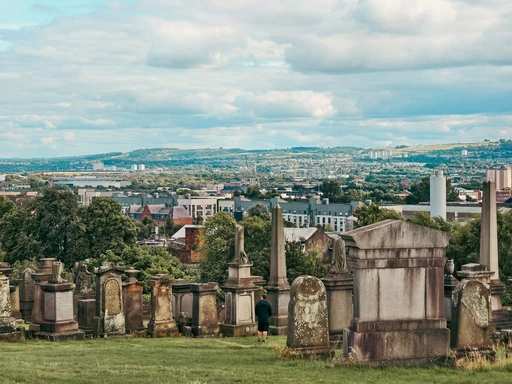
The last breakfast, quieter than the others. Anyone with a later train or flight has the morning in Glasgow, and the best use of it is the Necropolis: a cemetery on a hill above the cathedral, opened in 1833, with 3,500 monuments, some very overdressed graves and the best view of the city.
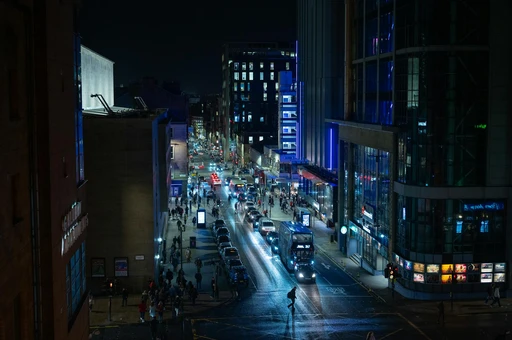
Then the goodbyes. A week ago you sat down to dinner in Edinburgh with a table of people you had never met. Now there is a group chat with a new name, a camera roll that is half puffins and half one steam engine from forty angles, and somebody already asking what everyone is doing next summer. However many of you came, more of you are leaving.
Upcoming trips
6 trips
Edinburgh → Glasgow·8 days
Coordinator
?To be announced
$2,499 / person
Available
Sat 19–Sat 26 Jun
Edinburgh → Glasgow·8 days
Coordinator
?To be announced
$2,499 / person
Available
Edinburgh → Glasgow·8 days
Coordinator
?To be announced
$2,499 / person
Available
Sat 17–Sat 24 Jul
Edinburgh → Glasgow·8 days
Coordinator
?To be announced
$2,499 / person
Available
Sat 31 Jul–Sat 7 Aug
Edinburgh → Glasgow·8 days
Coordinator
?To be announced
$2,499 / person
Available
Edinburgh → Glasgow·8 days
Coordinator
?To be announced
$2,499 / person
Available
Ask us to run one for your group →
Paying and canceling
Canceling is free until a trip confirms. From the day it does: