 Ireland
Go ashore by dinghy on an island everybody had to leave
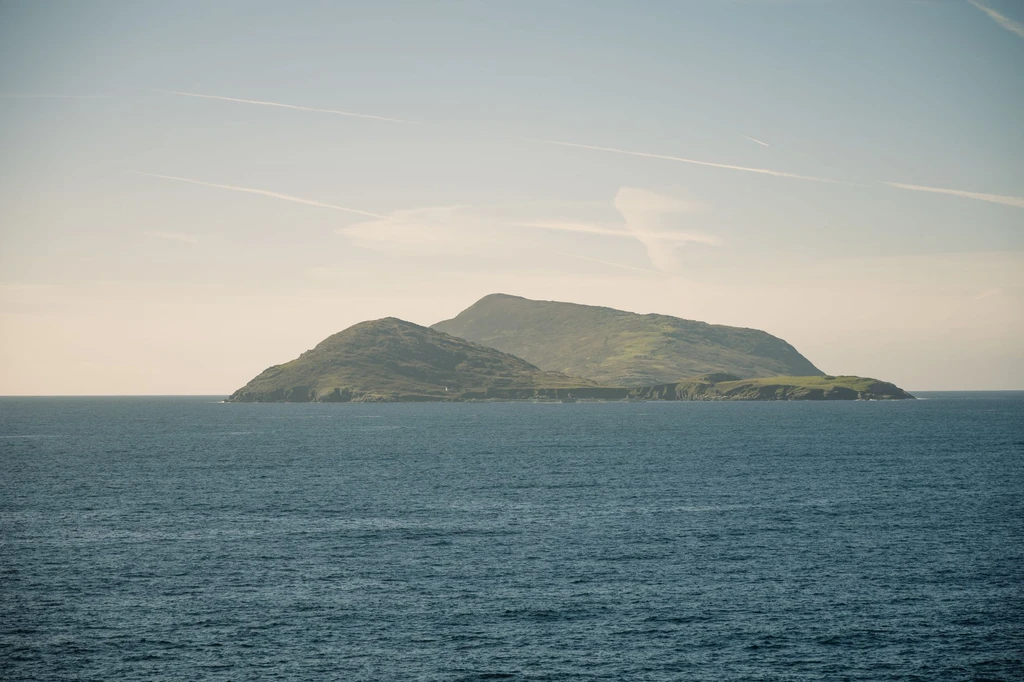
The Great Blasket lies off the west coast of the Dingle Peninsula, and nobody has lived on it since the 1950s. The village is still there, empty.
Boats cross from Dunquin, a pier that zigzags down the face of the cliff, in twenty minutes or so. Whether they go at all is the skipper's call on the day. The island has no pier, so the last stretch is by small dinghy, from the boat to the shore.
Then a few hours ashore, in the empty village and on the slopes above it. Back on the mainland, the Blasket Centre tells the rest of the story.
By 1953 the island was down to 22 people, cut off from any help from the mainland every winter. On 17 November that year the state moved most of them across, and the last family had gone by 1954. The island had also produced, improbably, a shelf of books: islanders writing their own lives in Irish, among them Peig Sayers, Muiris Ó Súilleabháin and Tomás Ó Criomhthain, whose An tOileánach (1929) carries the line, in Robin Flower's translation, "for the like of us will never be again."