Ireland, Both Sides
 Dublin
→
 Killarney
→
 Dingle
→
Tarbert
→
Killimer
→
 Doolin
→…
 United Kingdom
 Ireland
What you’ll remember
5 of them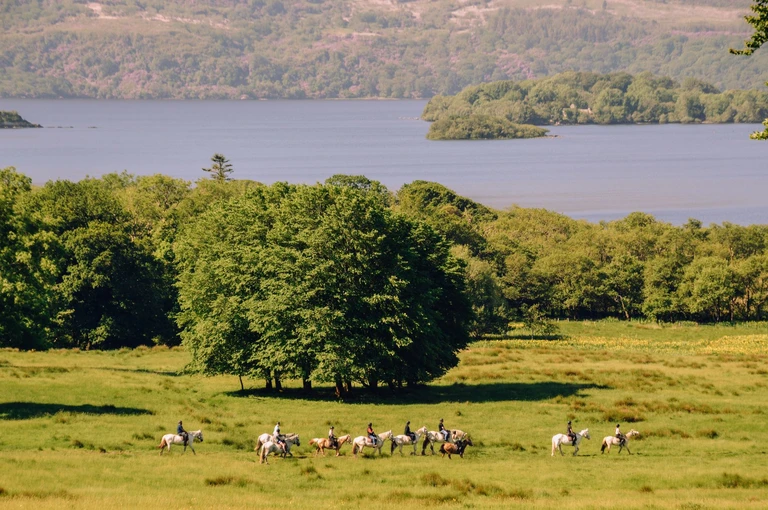
What’s included
- Hotels every night
- Breakfast every morning
- Welcome dinner in Dublin
- Dinner in Doolin
- Farewell dinner in Belfast
- All transport during the trip
- Horseback-riding
- Boat to the Great Blasket
- 2 local guides
- Bikes on Inis Mór
- All entry tickets
- Music evening at home
About this trip
You come ashore by dinghy on an island nobody has lived on since 1954, and walk to the Cliffs of Moher along the top, across land one family has farmed for five generations. That night a Doolin musician and his partner open their home to the group for tunes by a turf fire. Next day, on an island where more than half the people speak Irish every day, you climb to a stone fort three thousand years old whose last wall stops at an 87-meter drop, with no fence. Then north, across a border you only notice from the road signs, to walk the Falls and the Shankill with a guide from each side, and step across the Giant's Causeway the same afternoon. Eight days from Dublin back to Dublin, with a horse, three boats and a lot of people you did not know on day one.
Day by day
8 daysHalf a Penny to Cross the River
 Dublin
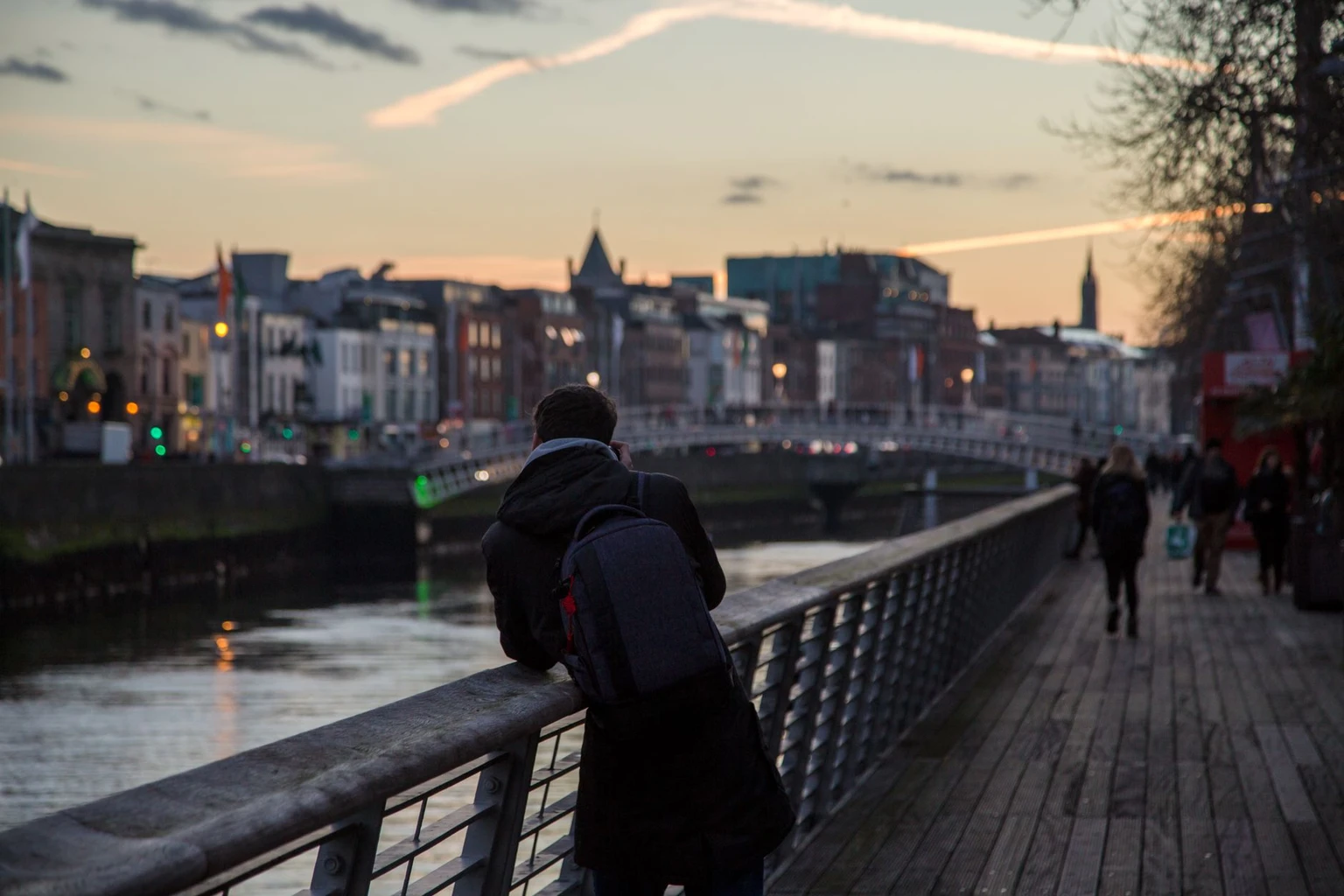
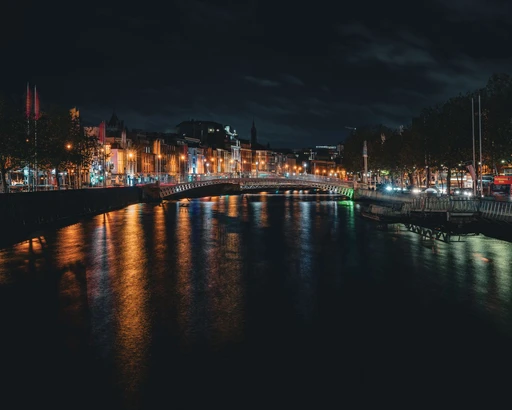
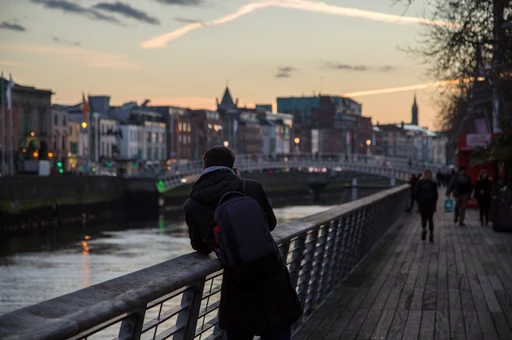
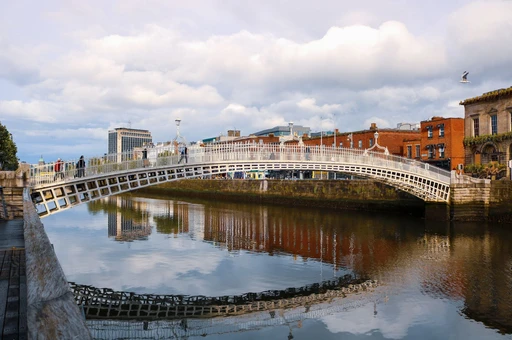
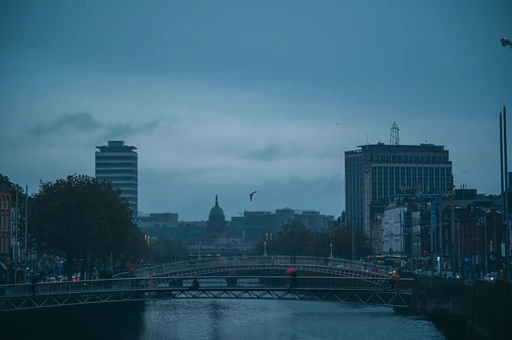
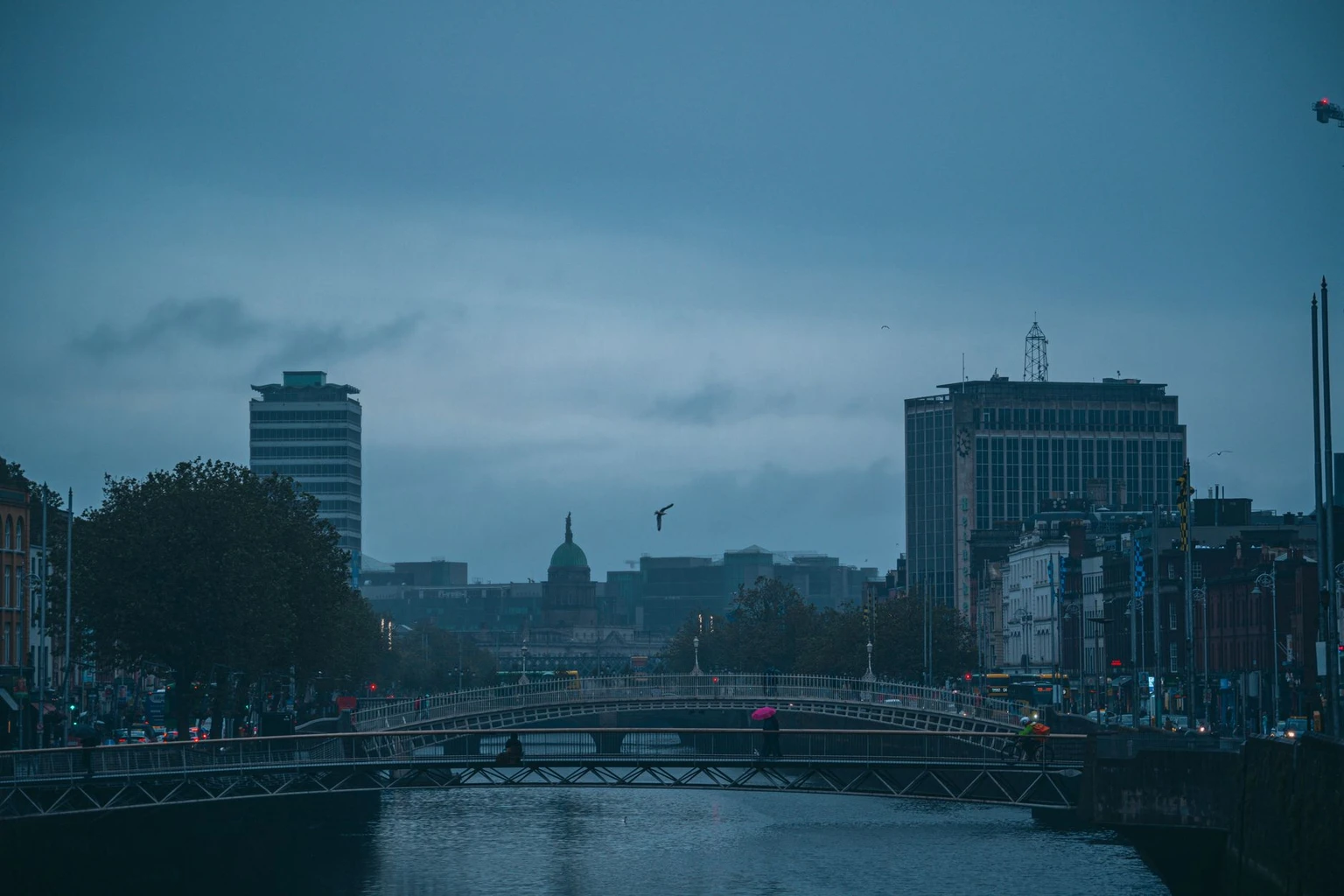
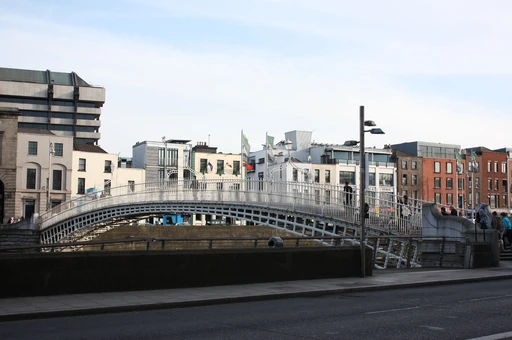
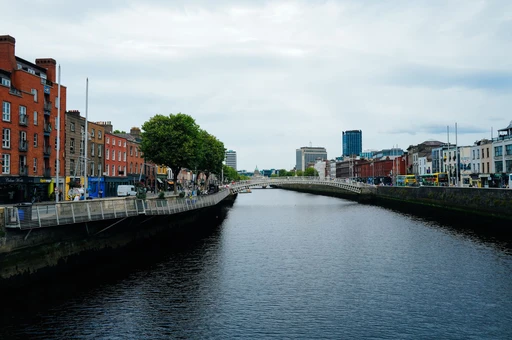
For its first hundred years, crossing the Liffey on the little white iron bridge in the middle of Dublin cost half a penny. It opened in 1816, the toll crept up to a penny ha'penny along the way, and in 1919 it was dropped altogether. The name never was. Everybody still calls it the Ha'penny.
Your coordinator meets the group in the early evening and walks you over it to the welcome dinner, where everyone explains what they do for a living and then, fairly quickly, stops. Dublin gets tonight and the last morning. Everything in between is the far west and the north, and on day 8 you cross this same bridge again, with a lot more people to say goodbye to than you arrived with.
The Estate Somebody Gave Away
Dublin
Killarney
 Killarney National Park
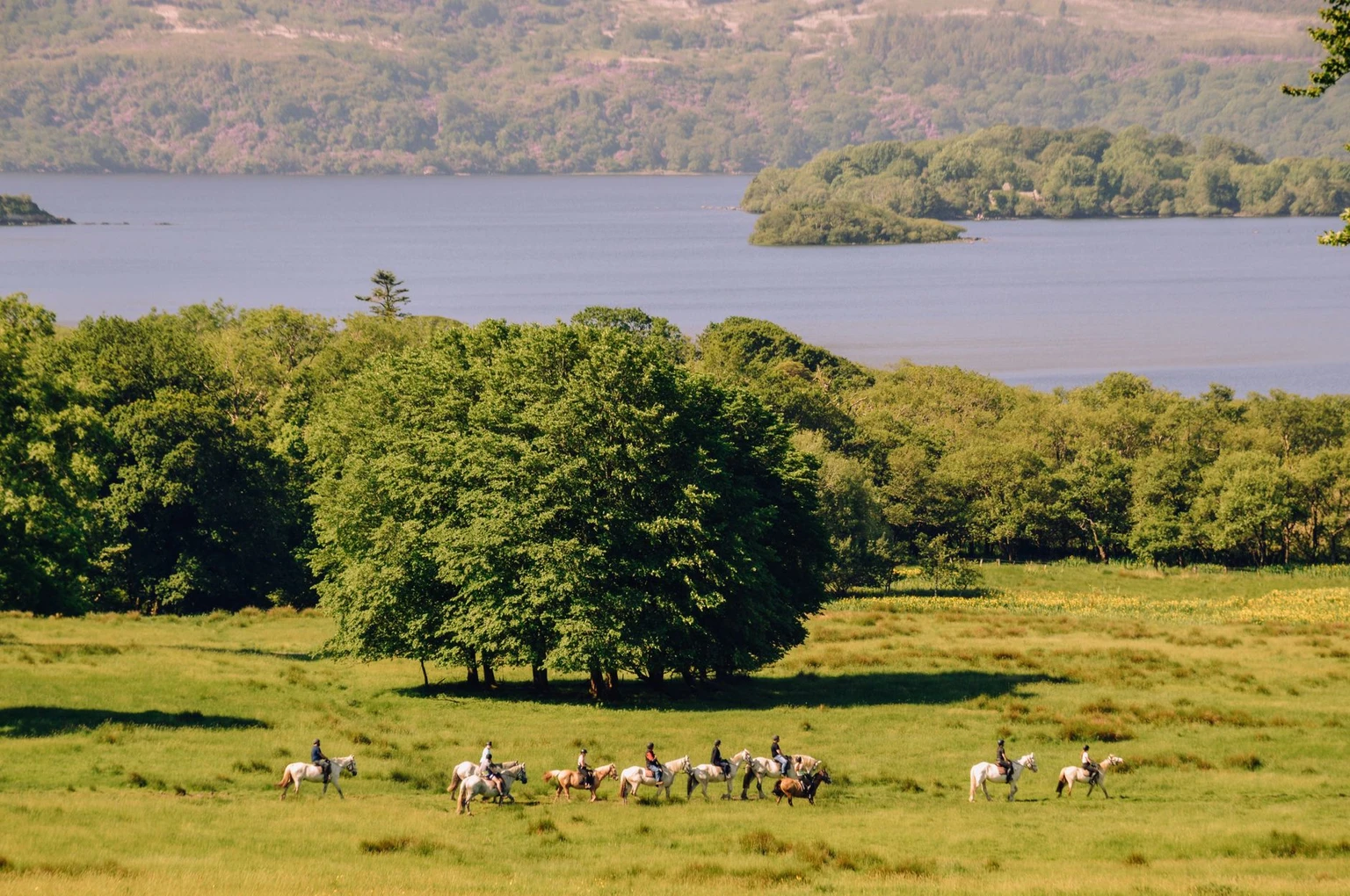
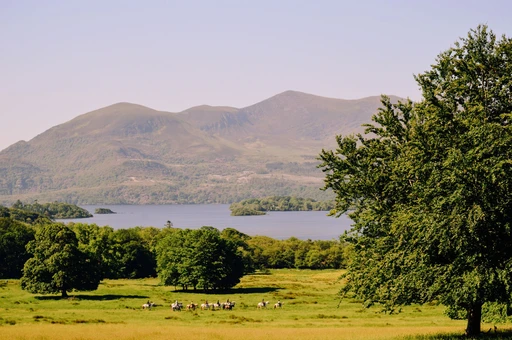
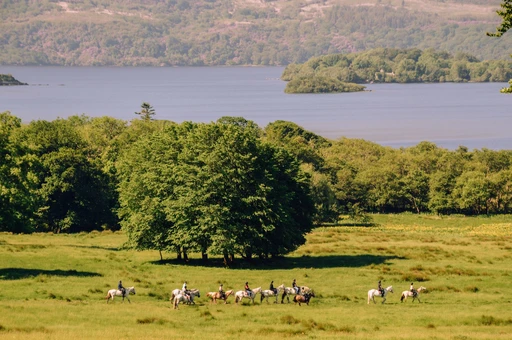
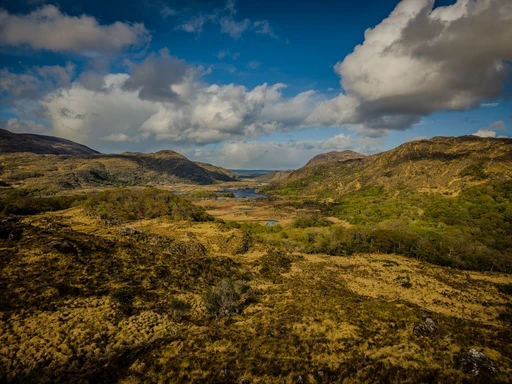
In 1932 a man and his late wife's parents handed the Irish state more than ten thousand acres of lakes, oak wood and mountain outside Killarney, in her memory. It became the country's first national park, and this afternoon you ride into it.
The morning is the train south and west out of Dublin, about three hours of fields that keep getting greener after you would have sworn they could not. Then two hours on horseback along the shore of Lough Leane, hats and boots supplied, no riding experience needed. The park keeps Ireland's only wild herd of native red deer. You may see a few. The horses certainly will, and will not care.
Killarney itself is a town that exists mainly to feed people who have just come out of that park, and it is very good at it.
The Island That Wrote Its Own Ending
Killarney National Park
Killarney
 Dunquin Pier
 Great Blasket Island
Coumeenoole
 Dingle
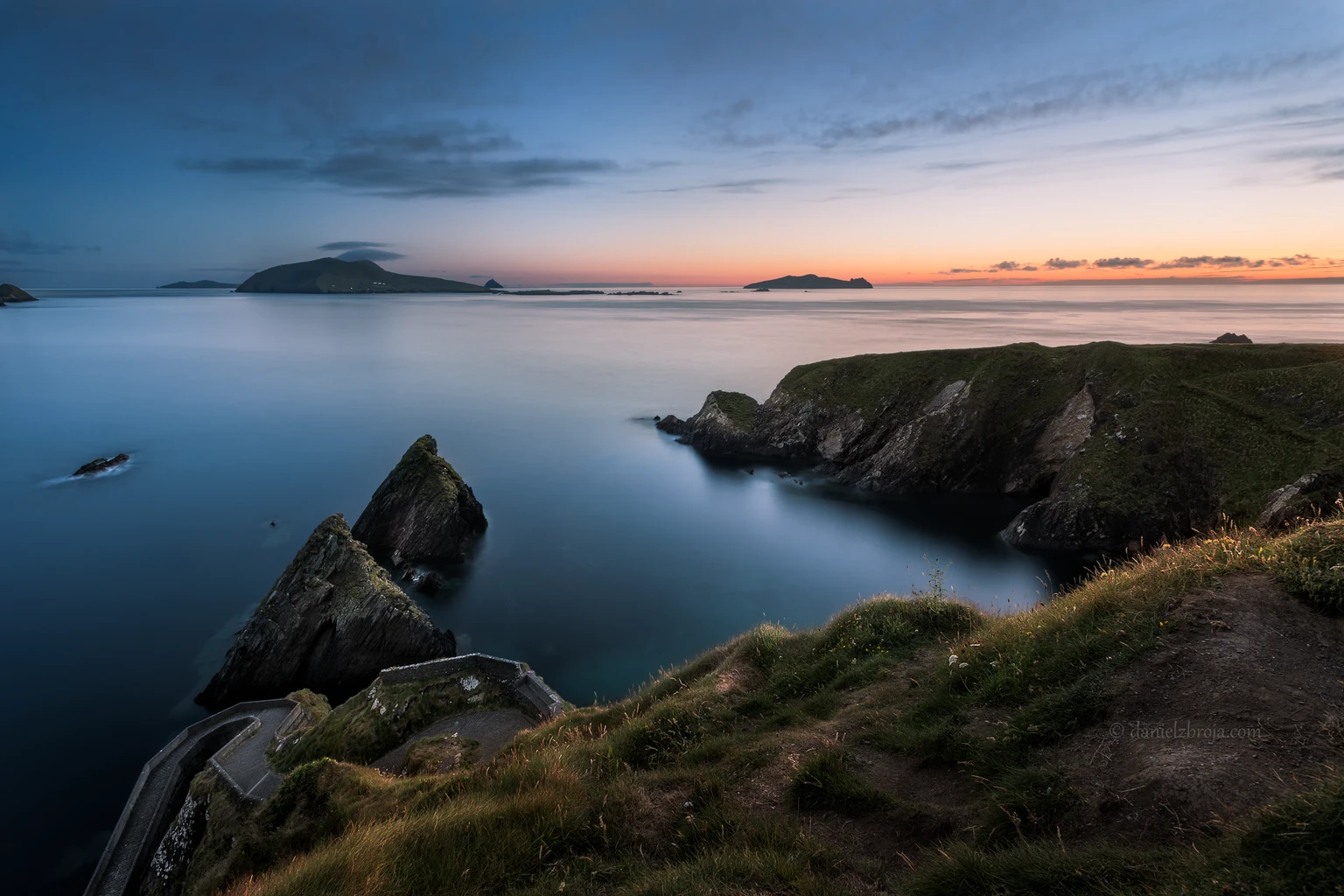
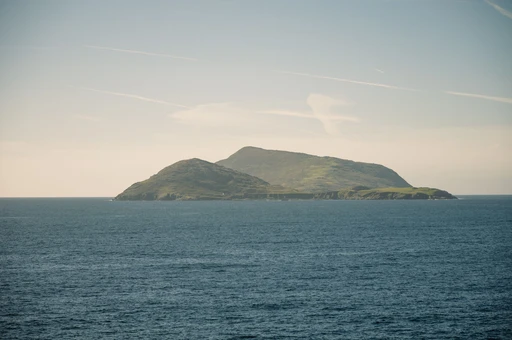
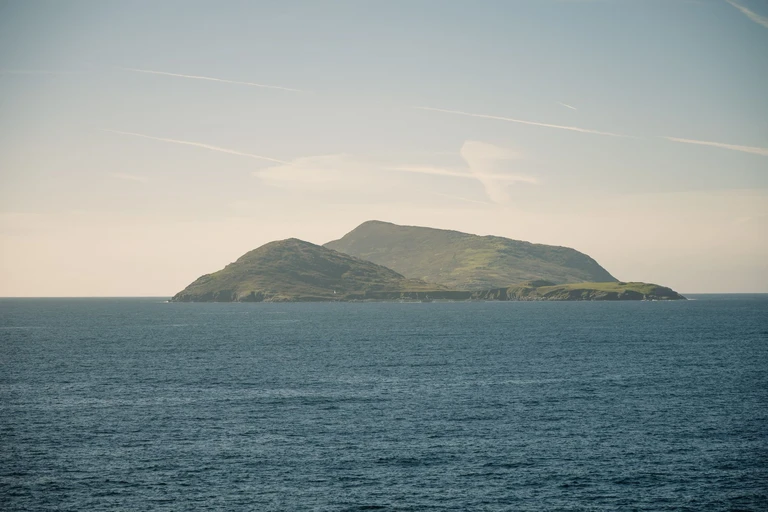
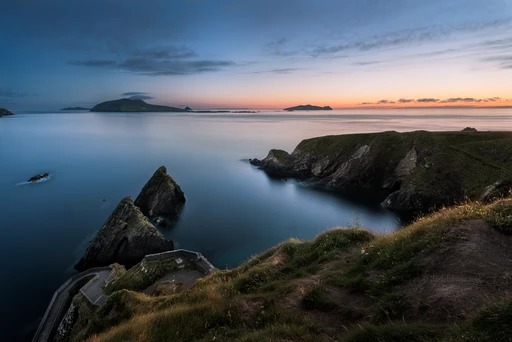
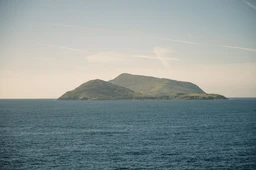
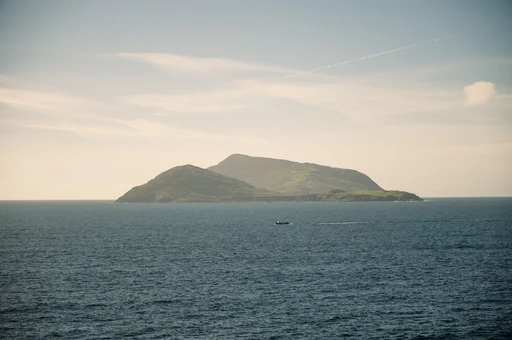
By 1953 the Great Blasket was down to 22 people, and on 17 November that year the state moved most of them to the mainland, because in winter nobody could reach them. The last family followed in 1954. The island had also produced, improbably, a shelf of books: islanders who wrote their own lives down in Irish, one of whom wrote the line "the like of us will never be again." He was right, and he knew it.
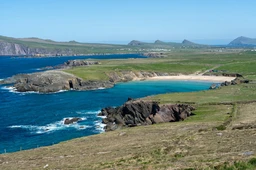
You cross from Dunquin, the pier that zigzags down the cliff face, and go ashore by dinghy, because the island has no pier. Then a few hours in the empty village and on the slopes above it. Back on the mainland, the Blasket Centre for the rest of the story, and Coumeenoole, the beach from Ryan's Daughter, where swimming is a firm no because of the currents.
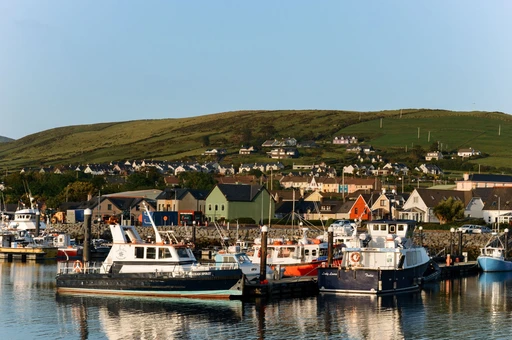
Tonight is Dingle: 1,671 people and music in the pubs most nights. In 2006 the town held a vote on keeping its English name beside the Irish one, and 1,005 of the 1,086 ballots said yes.
The Back Way Into the Cliffs of Moher
Dingle
Tarbert
Killimer
Doolin
 Cliffs of Moher
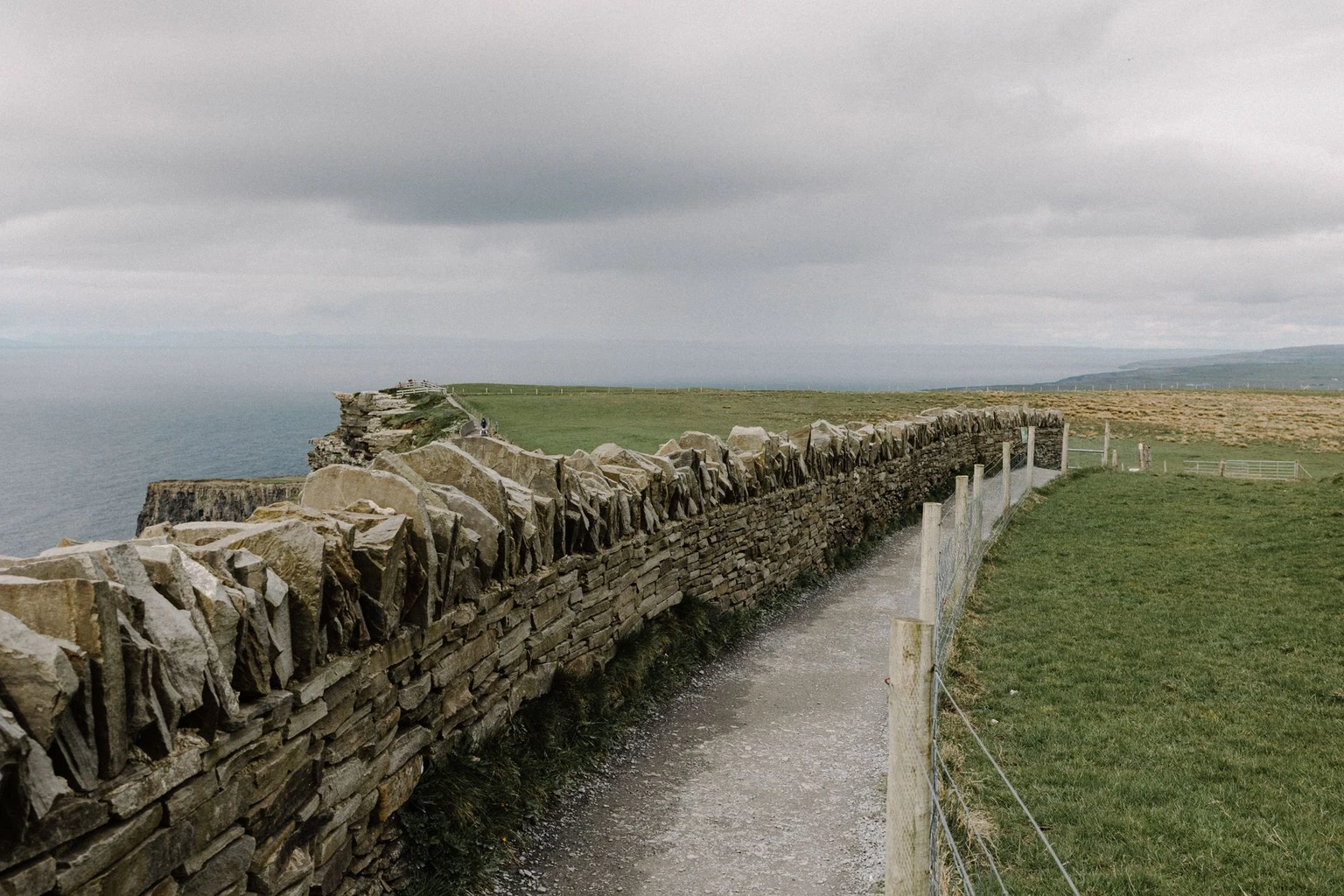
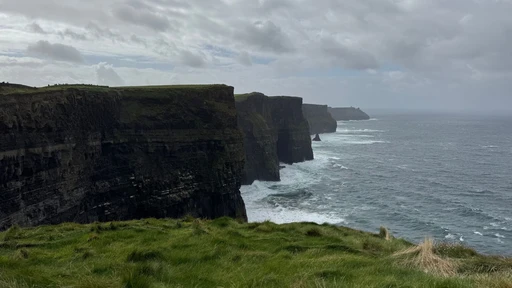
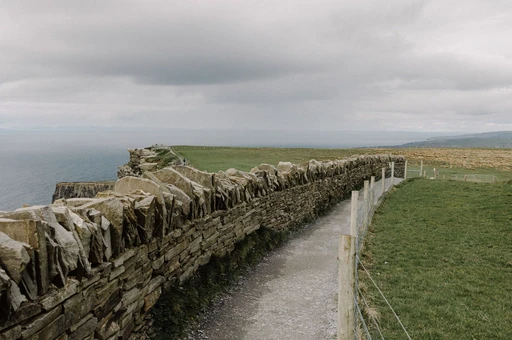
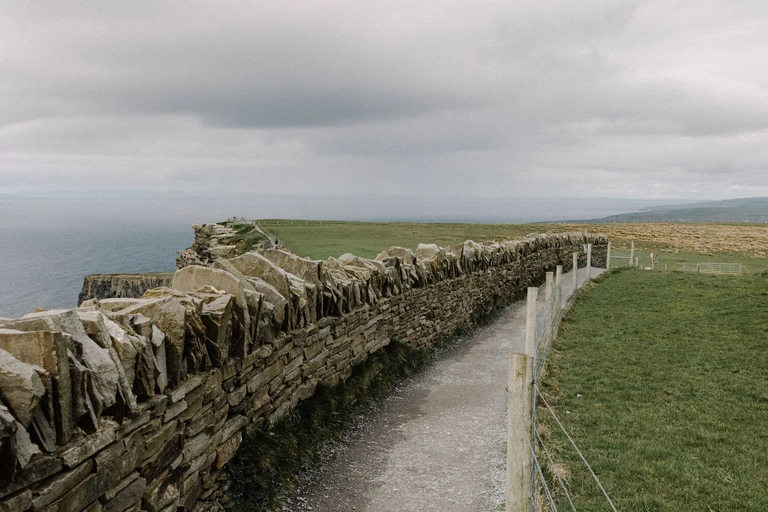
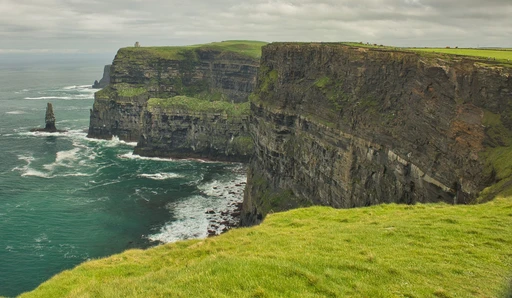
The Cliffs of Moher have a visitor center and a large parking lot, and you use neither on the way in. You walk there instead, along the top from Doolin, a few hours on a path with the Atlantic on one side and farmland on the other. Your guide's family has farmed two stretches of that path for five generations, so the folklore comes straight from the source.
The cliffs rise the whole way to more than two hundred meters, and they hold the largest razorbill and kittiwake colonies in the country. Before any of that, the Shannon: twenty minutes on the ferry across the river's mouth, from Kerry into Clare.
Dinner in Doolin, and then the reason the day ends here. A musician and his partner open their home to the group for the evening: a turf fire, tunes, and the stories behind each one. It is the closest this trip comes to knowing someone here.
Yesterday's Cliffs Had a Wall
Cliffs of Moher
Doolin
 Inis Mór
 Dún Aonghasa
Rossaveal
 Galway
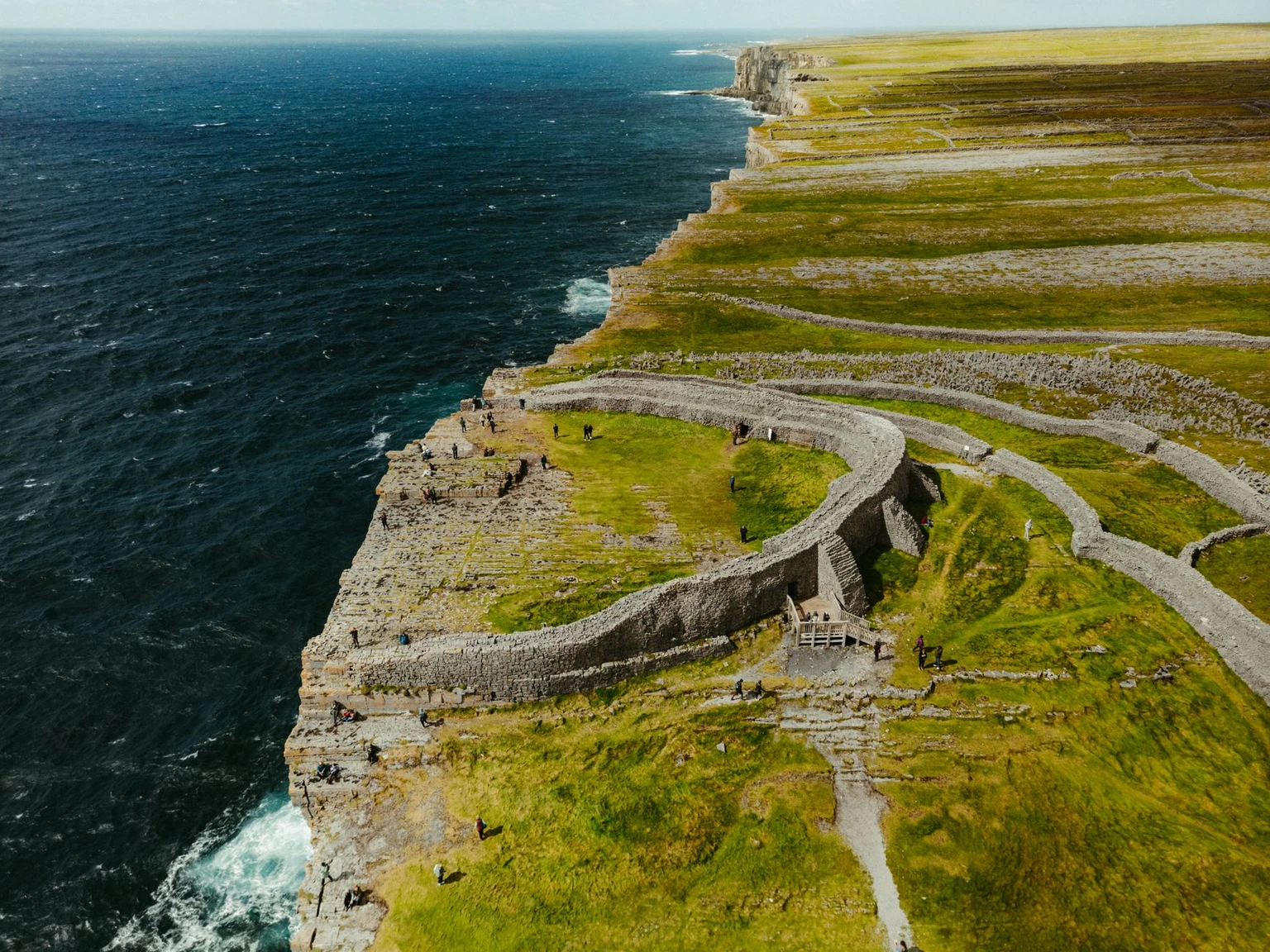
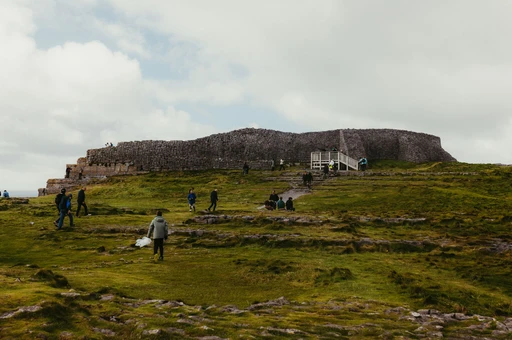
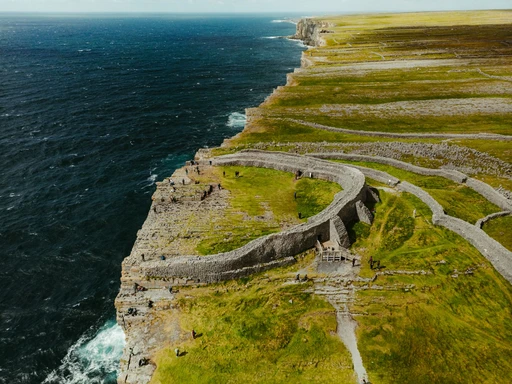
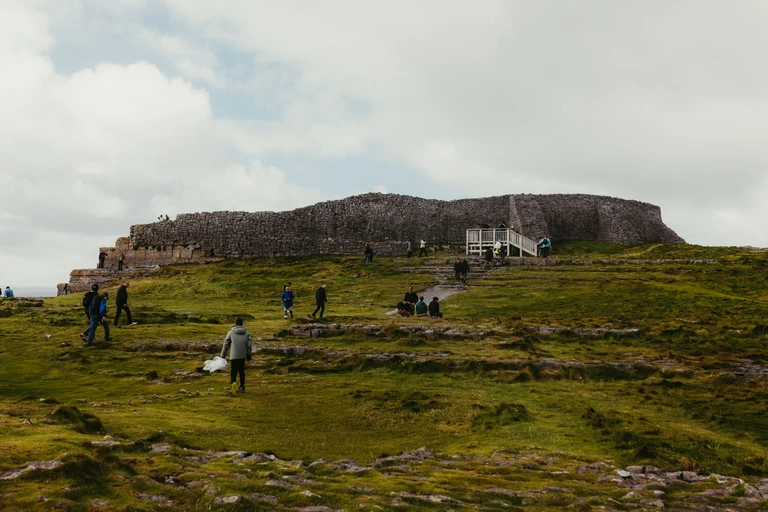
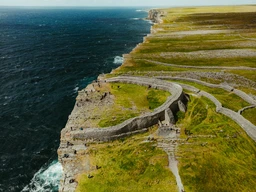
The cliffs on day 4 have a wall along the top. These do not. Dún Aonghasa is a stone fort more than three thousand years old, built in rings on the edge of Inis Mór, and the innermost ring simply stops at an 87-meter drop to the sea. No fence, no railing, nothing. The last stretch of the path up is bare rock: proper shoes, and a sensible distance from the edge, which the island leaves entirely up to you.
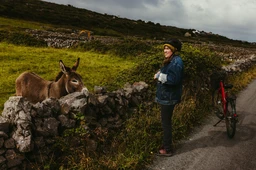
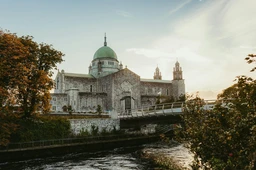
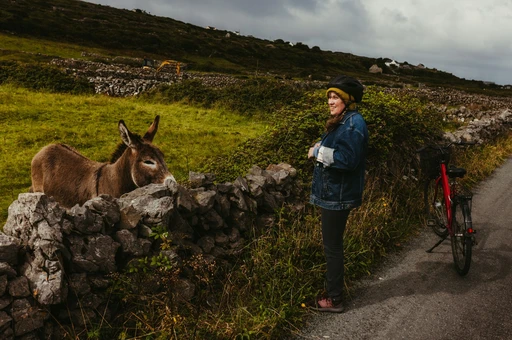
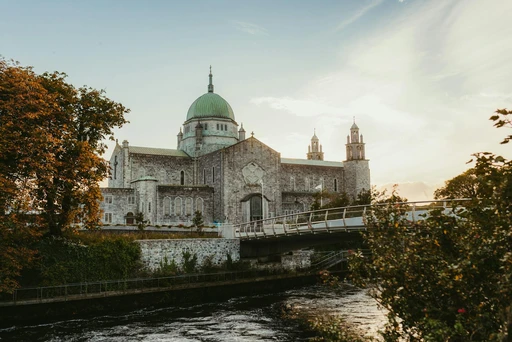
The boat takes you out to the largest of the Aran Islands, where more than half the people speak Irish every day. Bikes from the harbor, seven kilometers west between stone walls, or the island minibus for anyone who would rather not. In the evening the boat lands you on the Connemara side and you finish in Galway, which gets one evening on this trip. That is not enough, and it is the right way to leave Galway.
The Long One
Galway
Marble Arch Caves
 Belfast
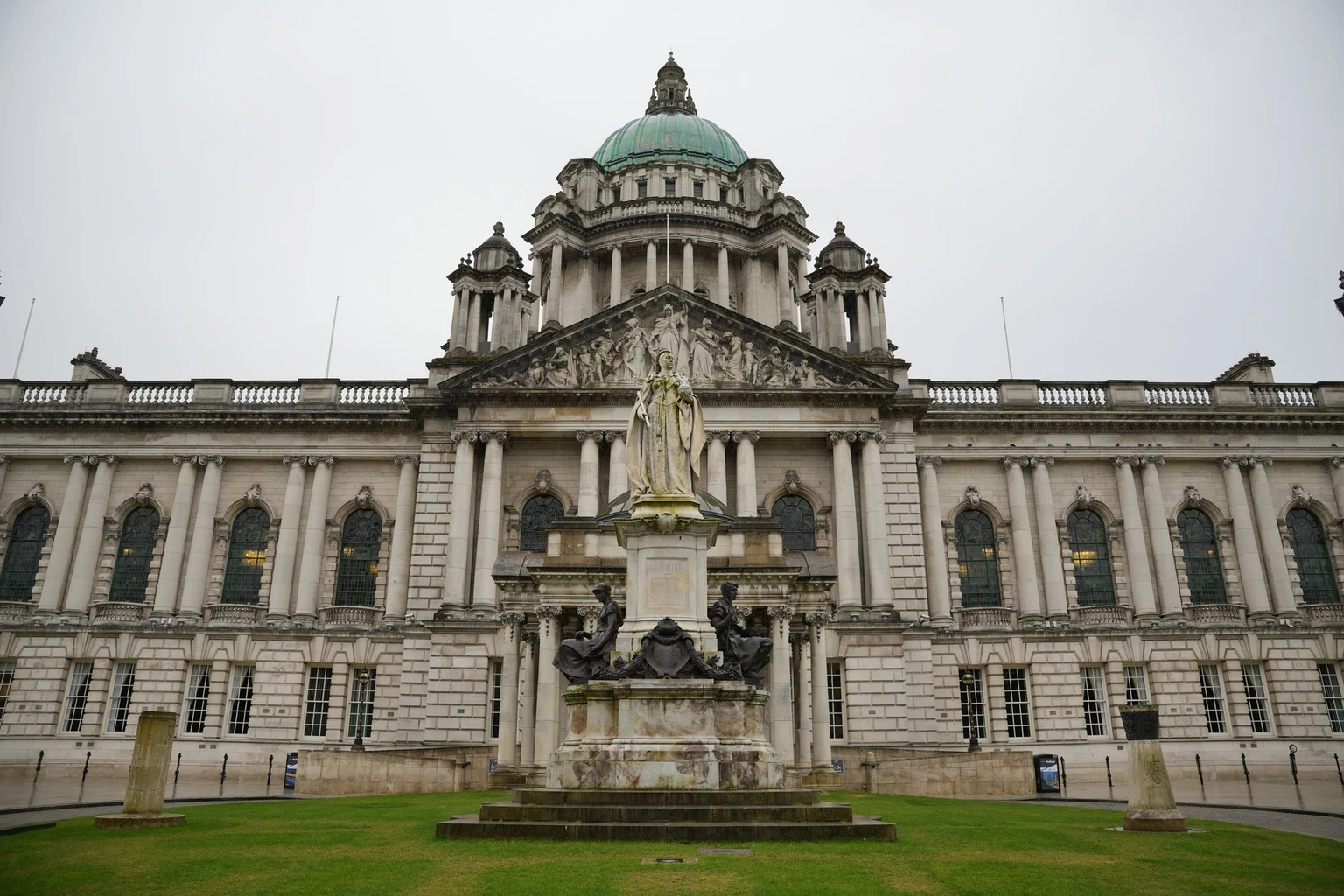
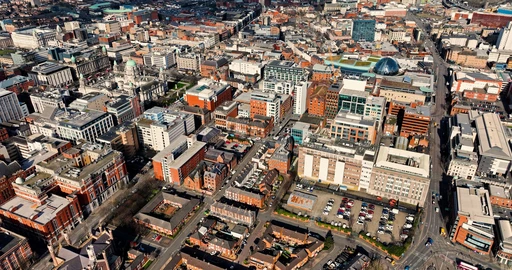
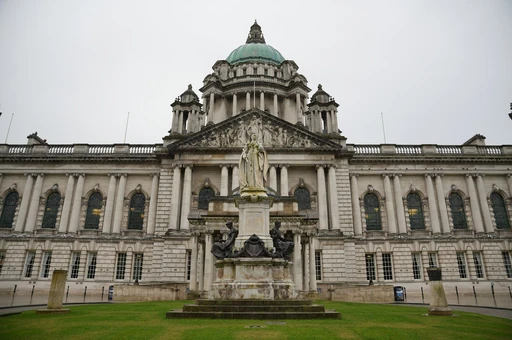
Day 6 is the long drive, and better said now than at a service station: Galway to Belfast, the whole width of the island, most of a day. Somewhere in the middle you cross into the United Kingdom, and the only evidence is that the speed limits switch to miles.
The middle of the day is underground. The Marble Arch Caves in Fermanagh were first explored in 1895, and since 2008 they have been part of the first geopark in the world to straddle a border. 154 steps down, about an hour and a quarter in the dark with a guide, and when the water is low enough the first stretch is by boat, on a river running under the hill.
Belfast by late afternoon, and an easy evening, because tomorrow is a full one.
Handed Over at the Gate
Belfast
Carrick-a-Rede
 Giant's Causeway, County Antrim
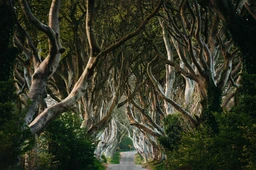 Dark Hedges
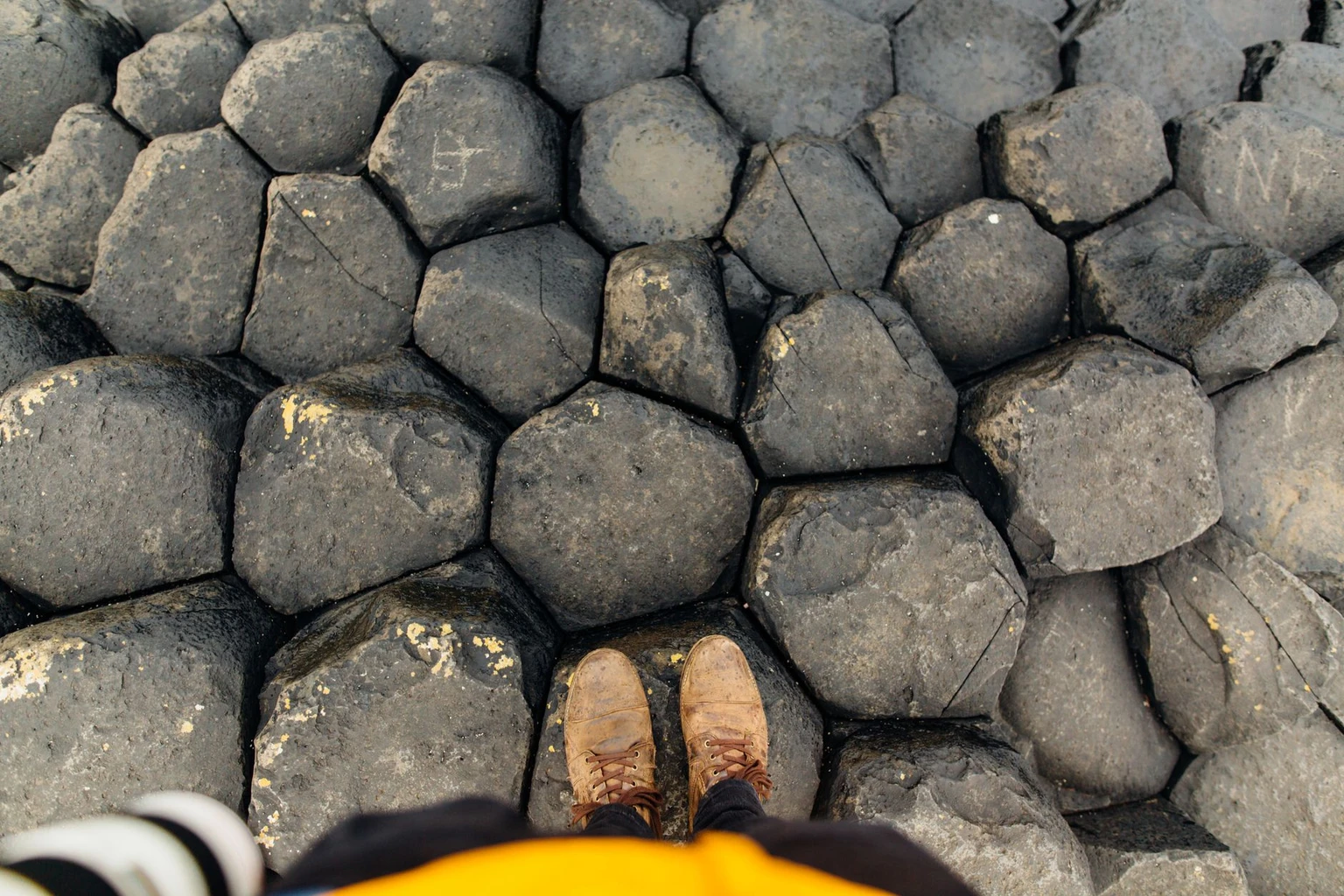
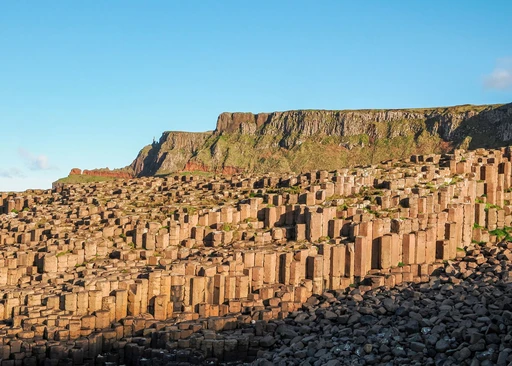
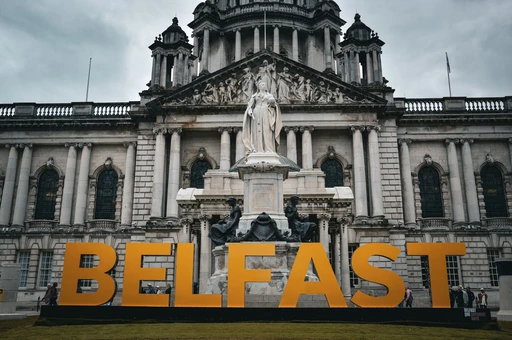
Belfast started building walls between its own neighborhoods in 1969. Northern Ireland still has 39 official ones, some of them eight meters high, and some of the gates in them still close at night.
This morning you walk the Falls Road with a former republican prisoner as your guide, and at a gate in the wall the group is handed over to a former loyalist, who walks you up the Shankill. Same streets, two accounts that do not agree. It is the most important morning of the trip, and nobody expects you to come out of it with an opinion.
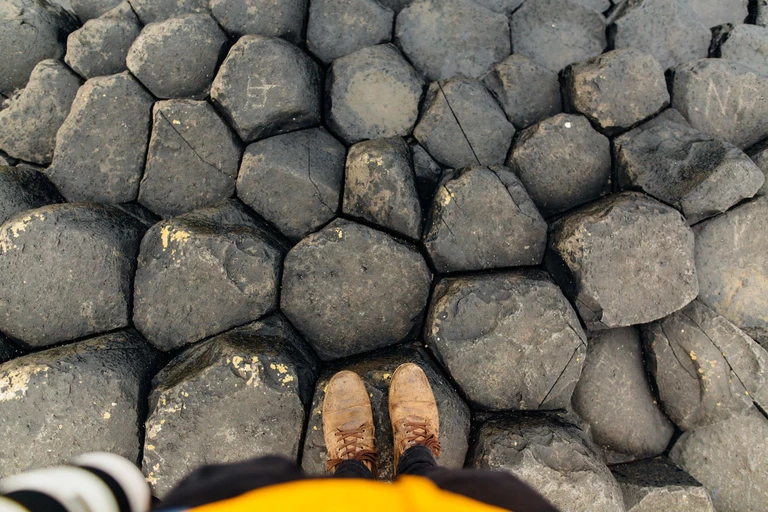
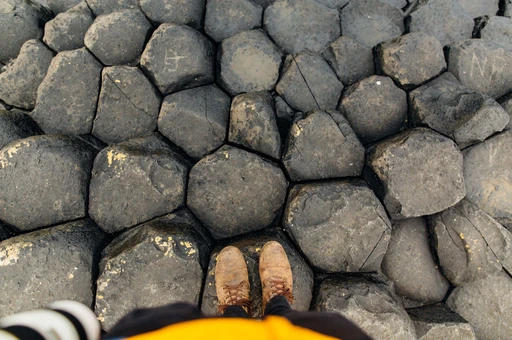
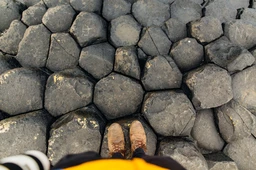
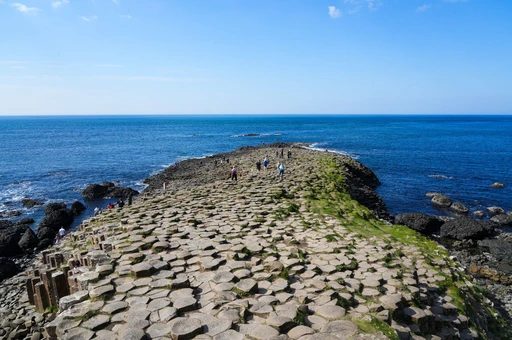
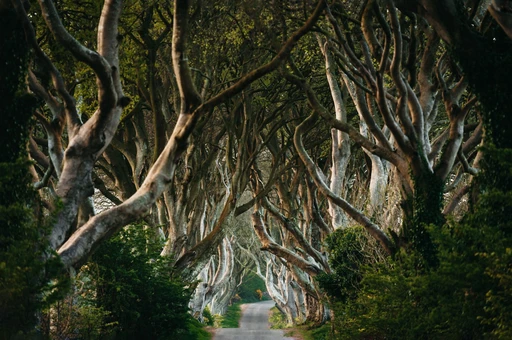
The afternoon is the north coast. A rope bridge salmon fishermen first strung across a gap in 1755, thirty meters above the water and noticeably alive underfoot. Then the Giant's Causeway: more than forty thousand basalt columns, around sixty million years old, and free to walk on. The Dark Hedges on the way back, beeches planted around 1775, about half of them still standing. Farewell dinner in Belfast, with a group that has, somehow, become a group.
Back Across the Ha'penny
Dark Hedges
Belfast
Dublin
The train back to Dublin takes a little over two hours and crosses the border somewhere between Newry and Dundalk without telling anyone. Ireland simply carries on out of the window. Anyone with a late flight has the Book of Kells a short walk from the station.
Then the last walk, back over the bridge you crossed on day 1, when you knew nobody. Now there is a group chat with a name nobody outside it will ever understand, a camera roll that is mostly cliffs and a few sheep you felt strongly about, and at least one person already looking at what next summer could be. Hugs on the quay.
Upcoming trips
6 trips
Dublin·8 days
Coordinator
?To be announced
$2,659 / person
Available
Dublin·8 days
Coordinator
?To be announced
$2,659 / person
Available
Fri 25 Jun–Fri 2 Jul
Dublin·8 days
Coordinator
?To be announced
$2,659 / person
Available
Dublin·8 days
Coordinator
?To be announced
$2,659 / person
Available
Dublin·8 days
Coordinator
?To be announced
$2,659 / person
Available
Fri 27 Aug–Fri 3 Sep
Dublin·8 days
Coordinator
?To be announced
$2,659 / person
Available
Ask us to run one for your group →
Paying and canceling
Canceling is free until a trip confirms. From the day it does: