Transylvania: Wild Bears, the Transfăgărășan and the Merry Cemetery
 Sibiu
→
 Zărnești
→
 Viscri
→
 Sighișoara
→
Biertan
→
Turda
→…
What you’ll remember
5 of them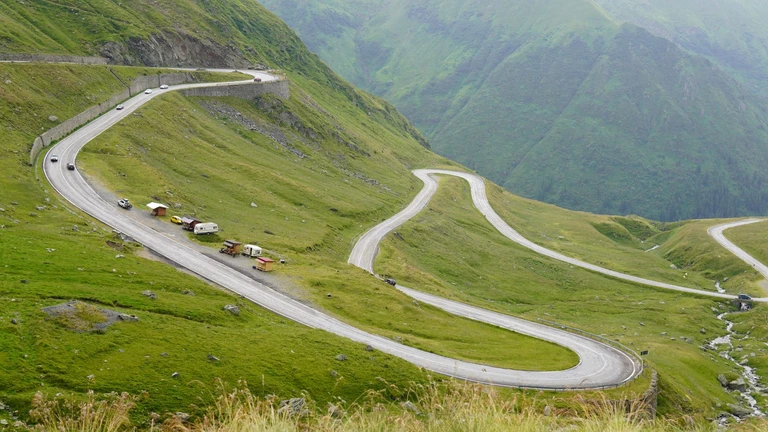 Day 2
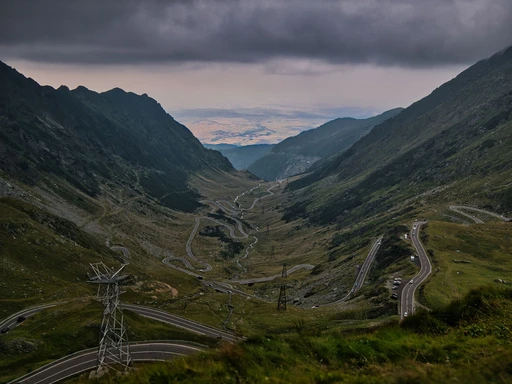
Ride every hairpin of the Transfăgărășan to the top
 Day 4
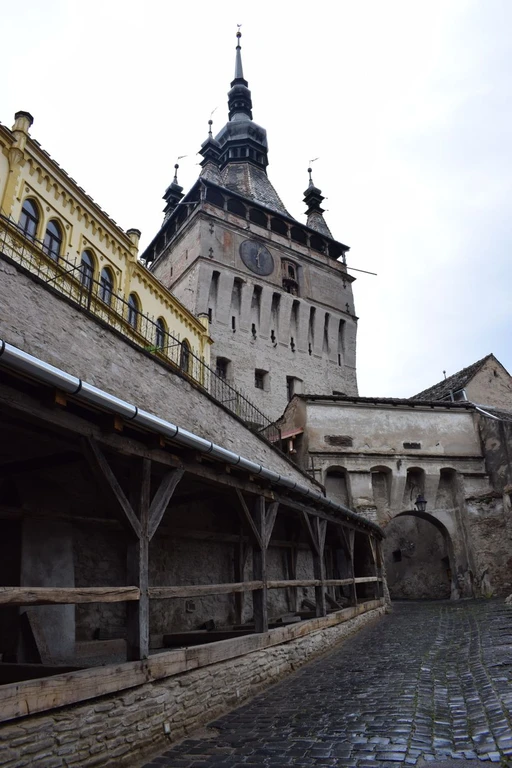
Walk the cobbles of a medieval citadel people still live in
 Day 5
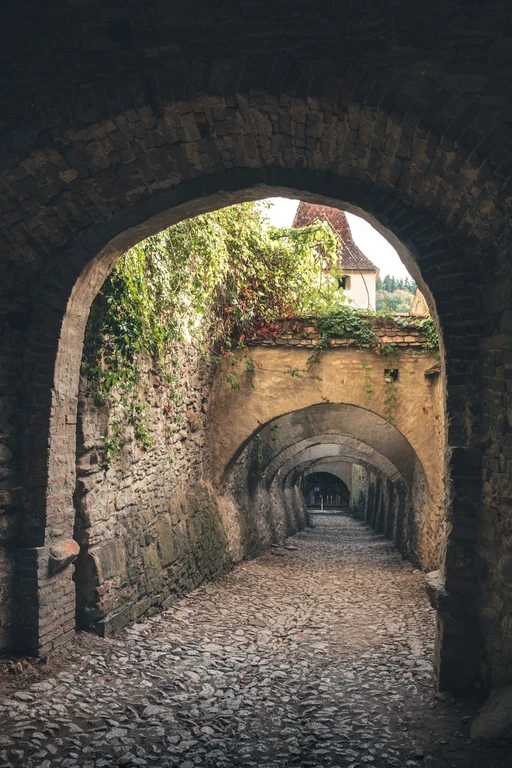
Step through the walls where a church locked up couples who wanted a divorce
 Day 5
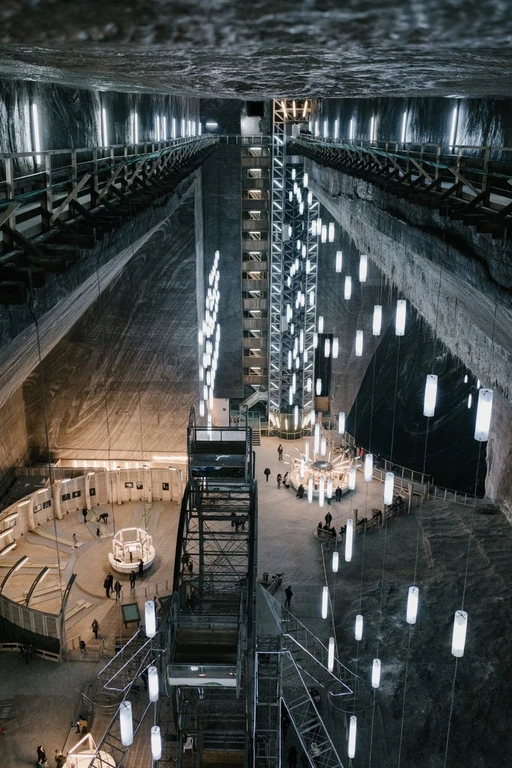
Go down into a cavern made of salt
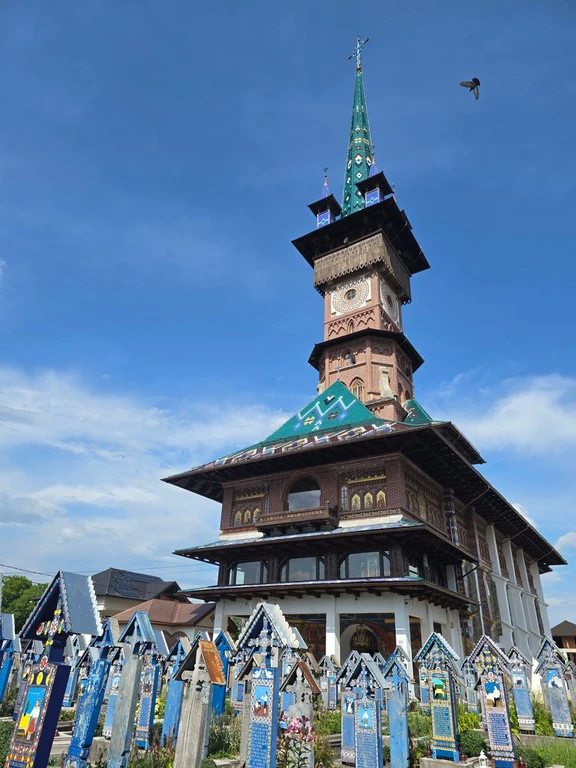 Day 6
Read the jokes the dead tell from their graves
What’s included
- Hotels every night
- Breakfast every morning
- Welcome dinner in Sibiu
- 2 dinners
- Homestay in Maramureș
- Farewell dinner in Maramureș
- All transport during the trip
- Bear watching
- 3 local guides
- All entry tickets
About this trip
It is nearly nine in the evening at the edge of a Carpathian forest, and a dozen people who met two days ago have not said a word for an hour. Somewhere in the trees is the reason. Nobody has put any food out for it. If it comes, it comes because it wanted to.
Before that, a road a dictator ordered over the mountains, hairpin after hairpin up to a glacier lake at 2,034 meters. After it, a church that locked couples who wanted a divorce in a room with one bed, a salt mine with rowing boats on a lake at the bottom, and a village cemetery where the crosses tell jokes about the people under them.
Bram Stoker wrote the most famous book ever set in Transylvania without once coming here. Seven days, a group that starts as strangers in Sibiu, and a much better story than his.
Day by day
7 daysDo Not Lie on This Bridge
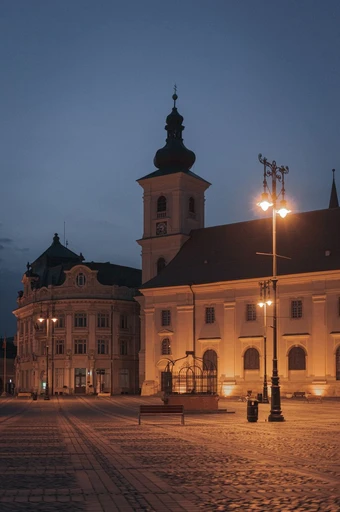
 Sibiu
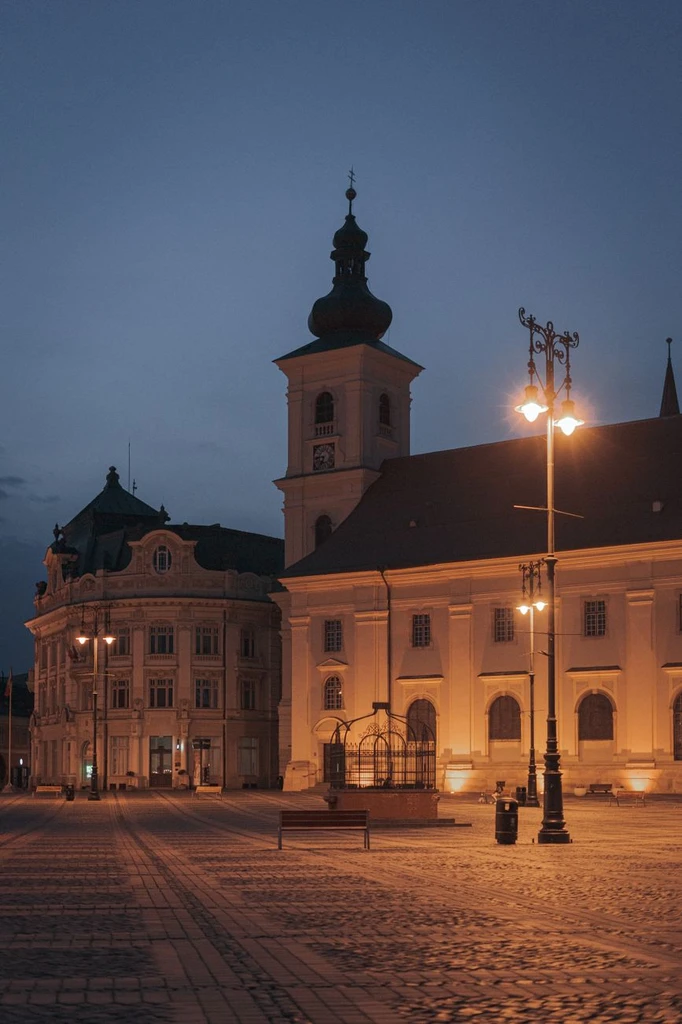
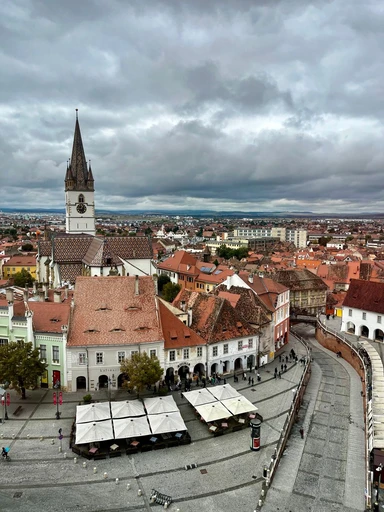
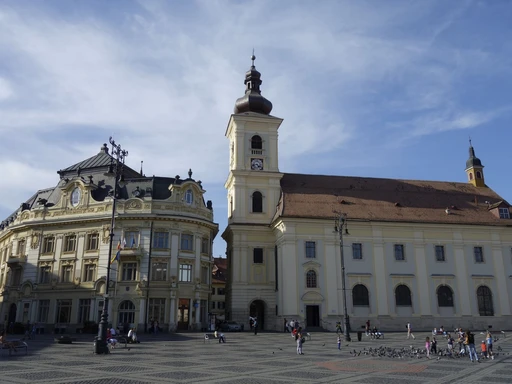
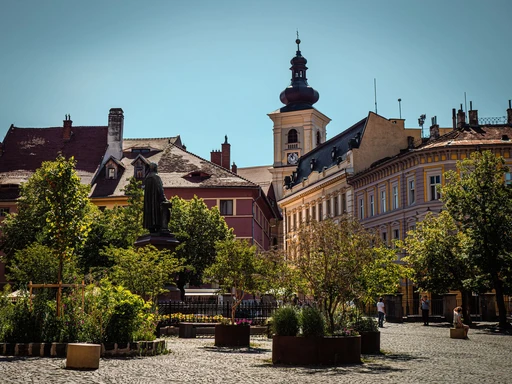
Sibiu has a bridge with one rule. Tell a lie standing on it, says the legend, and it falls down. It has been up since 1859, the first cast-iron bridge built in what is now Romania, which says something about the bridge, or about Sibiu.
Look up from it. The old roofs have eyes: long, narrow dormers set into the tiles, so the town watches you the whole way across the square. Saxon settlers built it from the twelfth century and called it Hermannstadt, and by 1376 it had nineteen guilds.
Then the welcome dinner, and the round where everybody explains what they do for a living. Do it off the bridge, to be safe. On day 6 you will meet a village full of people who were completely honest about themselves, and every one of them is dead.
One Man Called It the Best Road in the World
Sibiu
 Bâlea Lake
 Zărnești
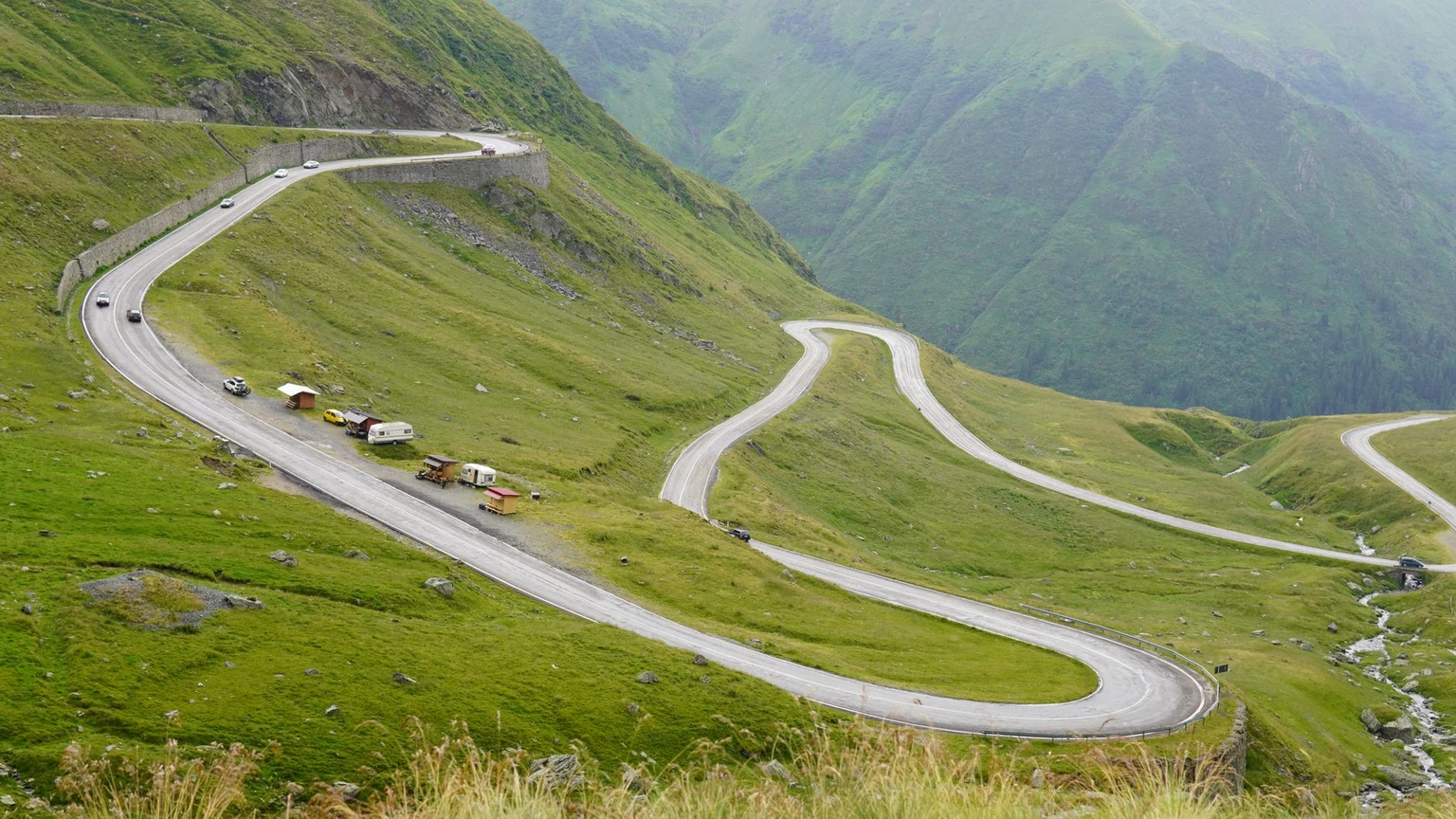
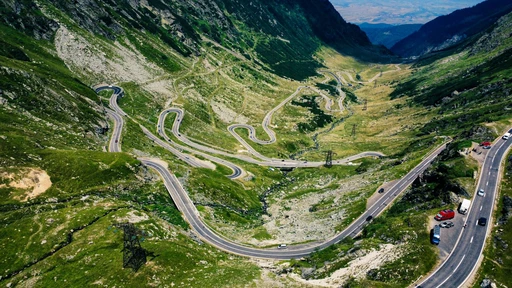
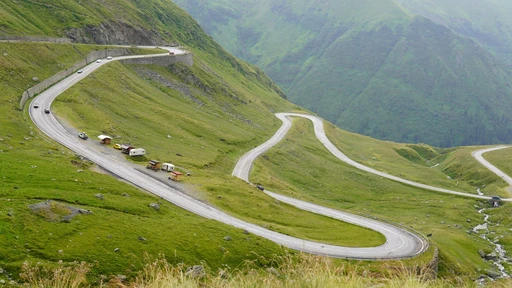
In 1968 the Soviets rolled into Czechoslovakia, and Nicolae Ceaușescu decided Romania needed a way over the Carpathians that an invader could not easily block. Soldiers blasted it out of the Făgăraș mountains with a great deal of dynamite and not much training. Officially forty of them died. The men who worked on it put the number far higher.
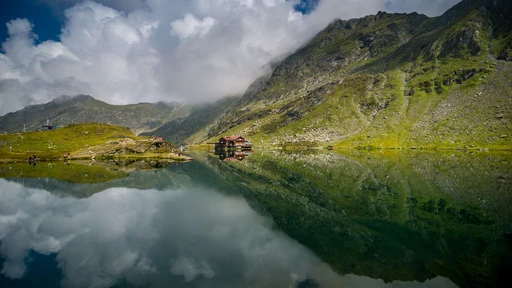
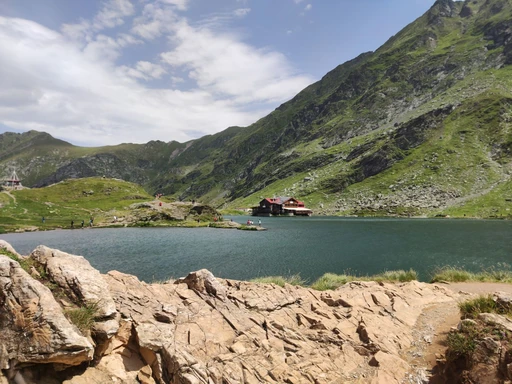
What they left is the Transfăgărășan: hairpin on hairpin up the north face, a tunnel of almost nine hundred meters near the top, and Bâlea Lake at 2,034 meters, which the road reaches for only a few months a year before the snow shuts it. In 2009 a television presenter called it the best road in the world. On the hairpins, he had a point.
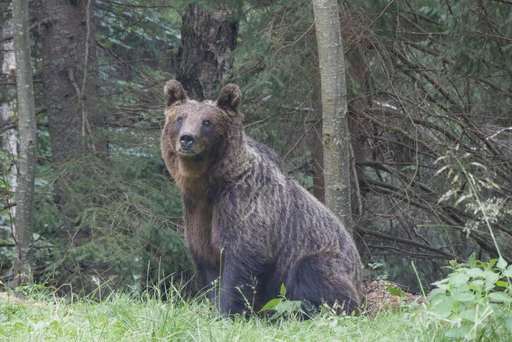
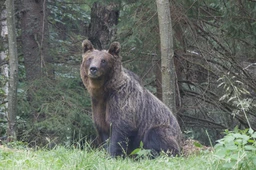
You will probably see bears by the road. Those are the ones that have learned cars mean sandwiches, which is how a bear ends up shot, so the windows stay up and the minibus keeps rolling. Tomorrow's bears are the other kind.
The Bears That Have Never Seen a Sandwich
Zărnești
 Piatra Craiului
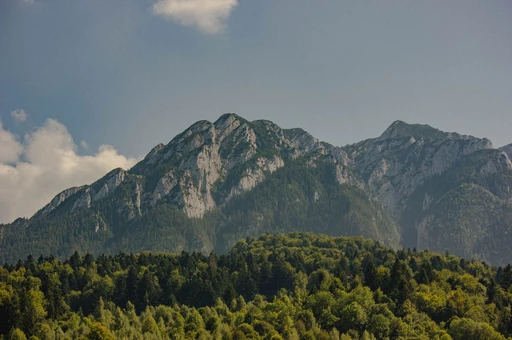
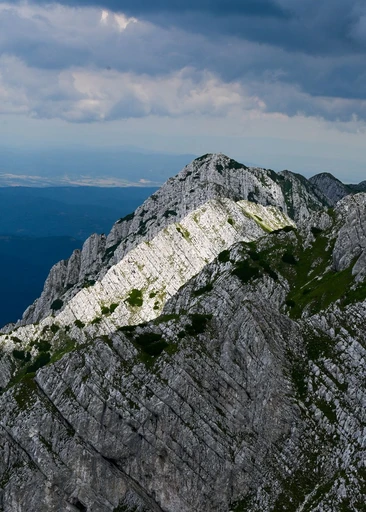
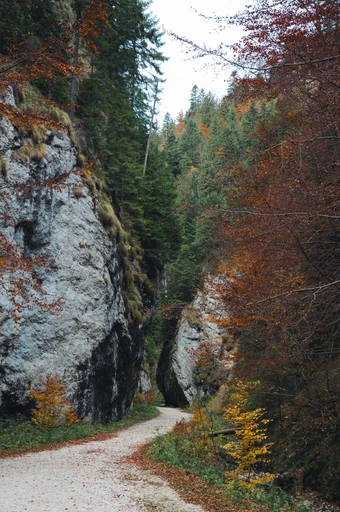
The morning is the easy part. Prăpăstiile Zărneștiului is a gorge at the edge of the national park, vertical walls on both sides and a path flat enough that the park calls it fine for children. Above it runs the Piatra Craiului, twenty-five kilometers of limestone, the longest and highest limestone ridge in Romania, with a carnation on it that grows nowhere else.
The afternoon is a nap. Take it.
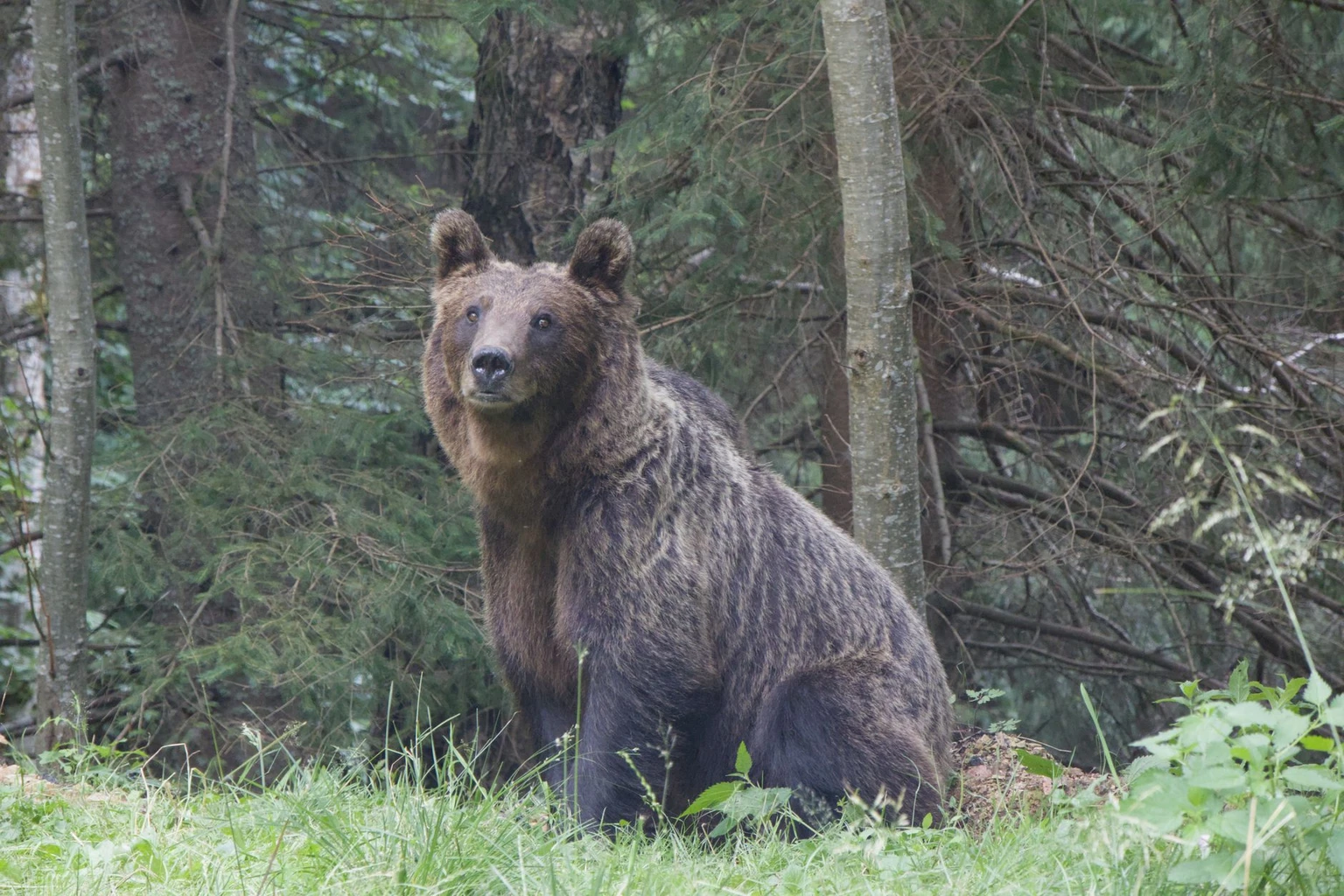
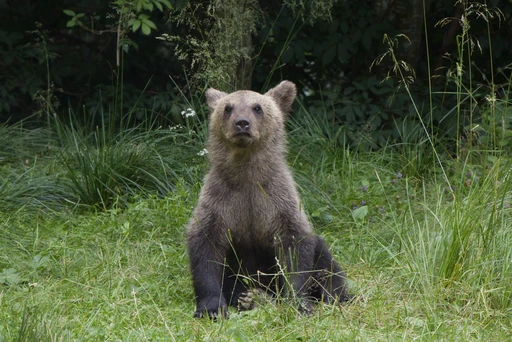
Then the good bit. At dusk a guide walks you to a hide at the edge of the forest and everybody sits very still. Nothing has been put out for the bears, because in Romania that is now against the law. Estimates of the country's brown bears run from eight thousand to thirteen thousand, which tells you counting bears is harder than it sounds. One of them may step out of the trees tonight. If it does, nobody will speak above a whisper in the minibus for an hour.
Better After Six
Piatra Craiului
Zărnești
 Viscri
 Sighișoara
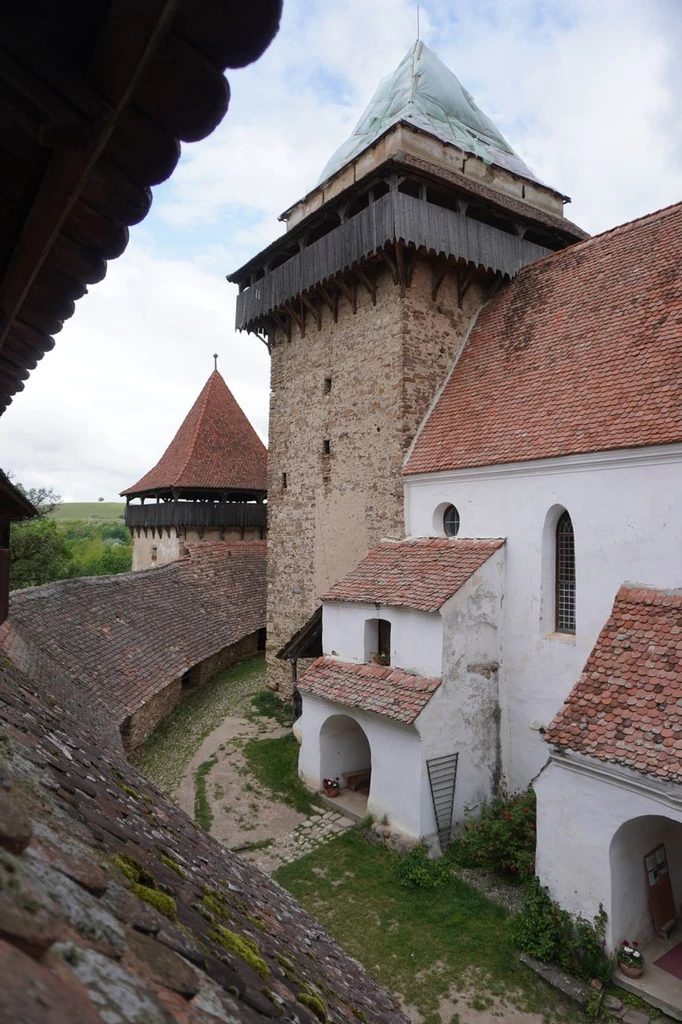
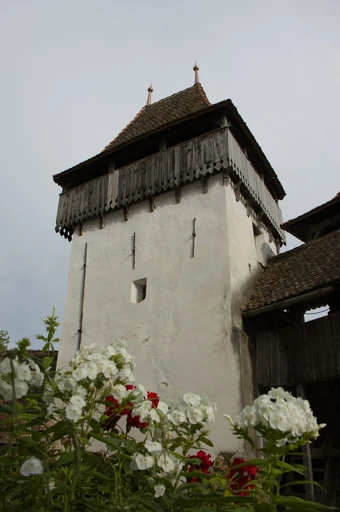
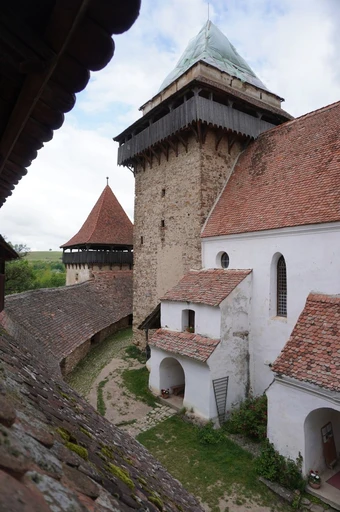
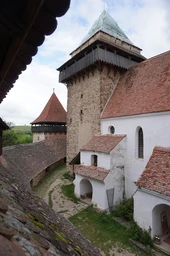
Viscri's church started as a small chapel more than eight hundred years ago and kept growing walls and towers whenever somebody needed keeping out. It is the kind of village people drive a long way to see and then lower their voices in. In 2006 the man who is now King Charles III bought one of its old Saxon houses and restored it, which is either a royal endorsement or a very long commute.
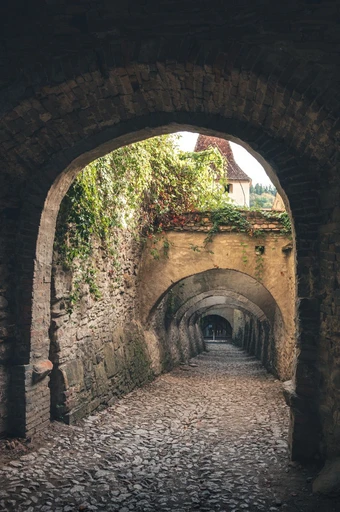
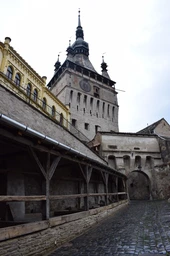
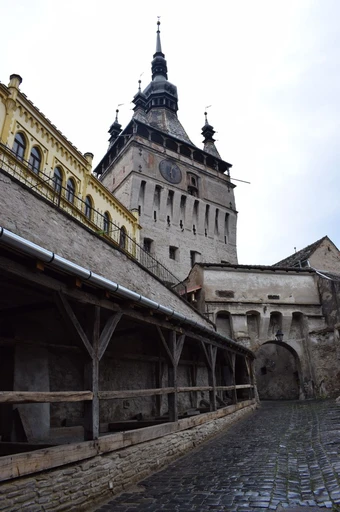
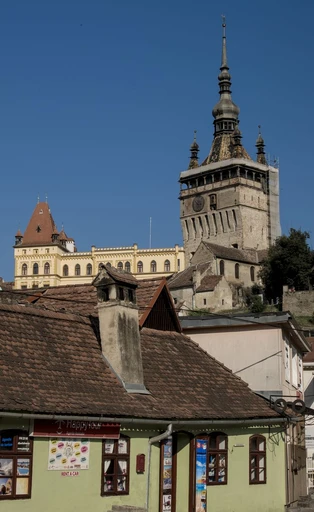
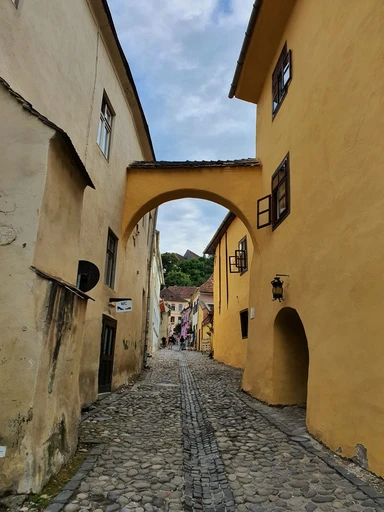
Then Sighișoara, one of the few fortified towns in this part of Europe that people still live inside, under a clock tower 64 meters tall that has been watching the square since the thirteenth century.
It is a good town at noon. It is a better one after six, when the lanes inside the walls go quiet and you can hear your own footsteps on the cobbles. Dinner tonight is yours.
Two Weeks, One Bed, One Plate
Sighișoara
 Biertan
 Turda
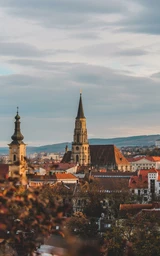 Cluj-Napoca
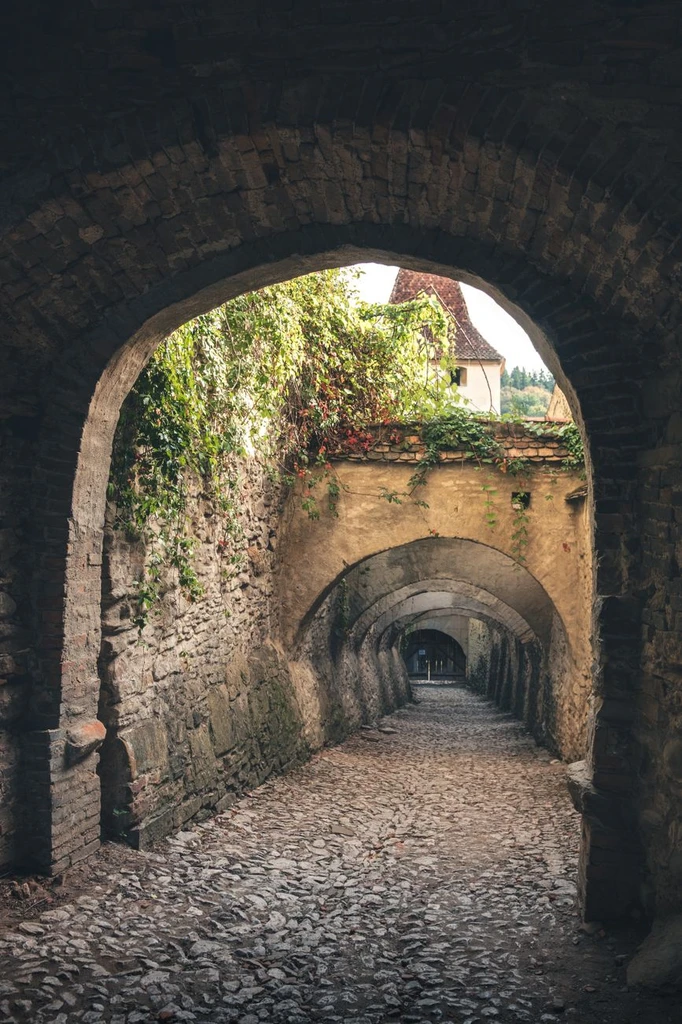
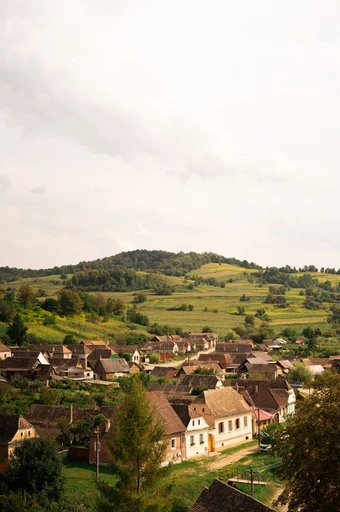
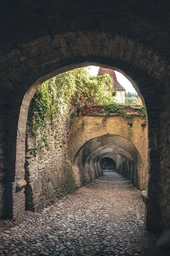
For nearly three hundred years the Lutheran bishops of Transylvania sat at Biertan, behind three rings of walls, and they had a system for marriages in trouble. A couple who wanted a divorce were locked in a small room in the walls for two weeks, with one bed and one plate. In all that time, the records say, one couple still went through with it.
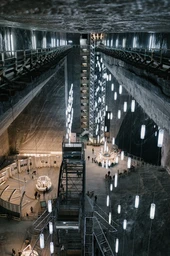
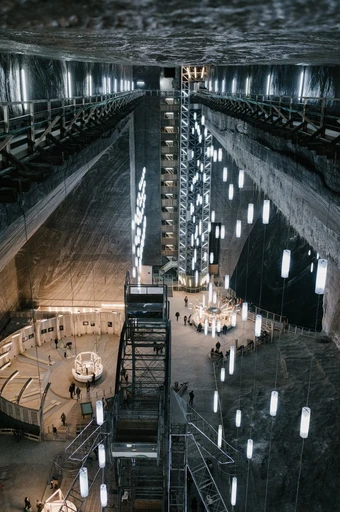
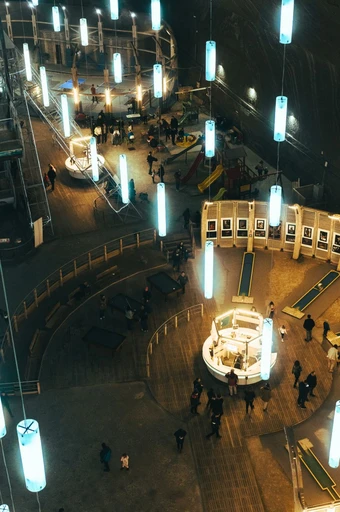
Then down. Salt came out of the ground at Turda for centuries, and the old Terezia chamber drops more than a hundred meters to a lake at the bottom, where you can row a boat across it in a cavern made of salt. There is also, for some reason, a Ferris wheel. It is exactly as strange as it sounds.
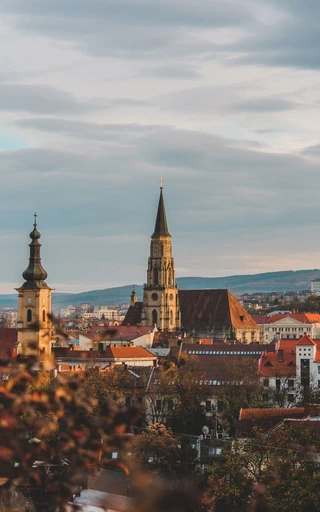
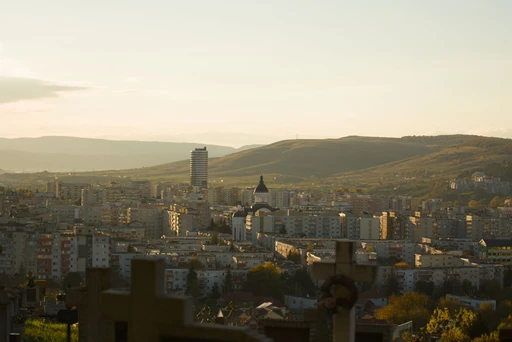
Cluj tonight, and dinner is yours. Tomorrow is the long one, and it is worth it.
The Dead Get the Last Word
Cluj-Napoca
 Săpânța
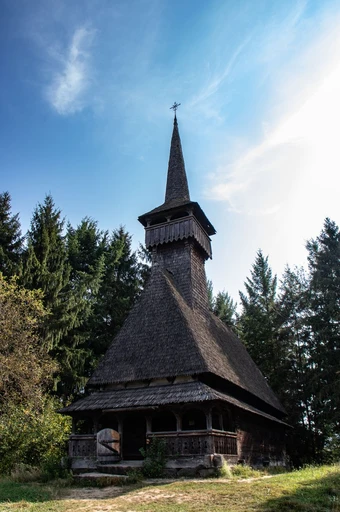
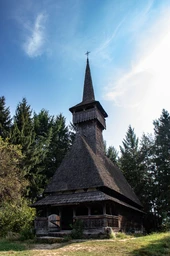 Bârsana
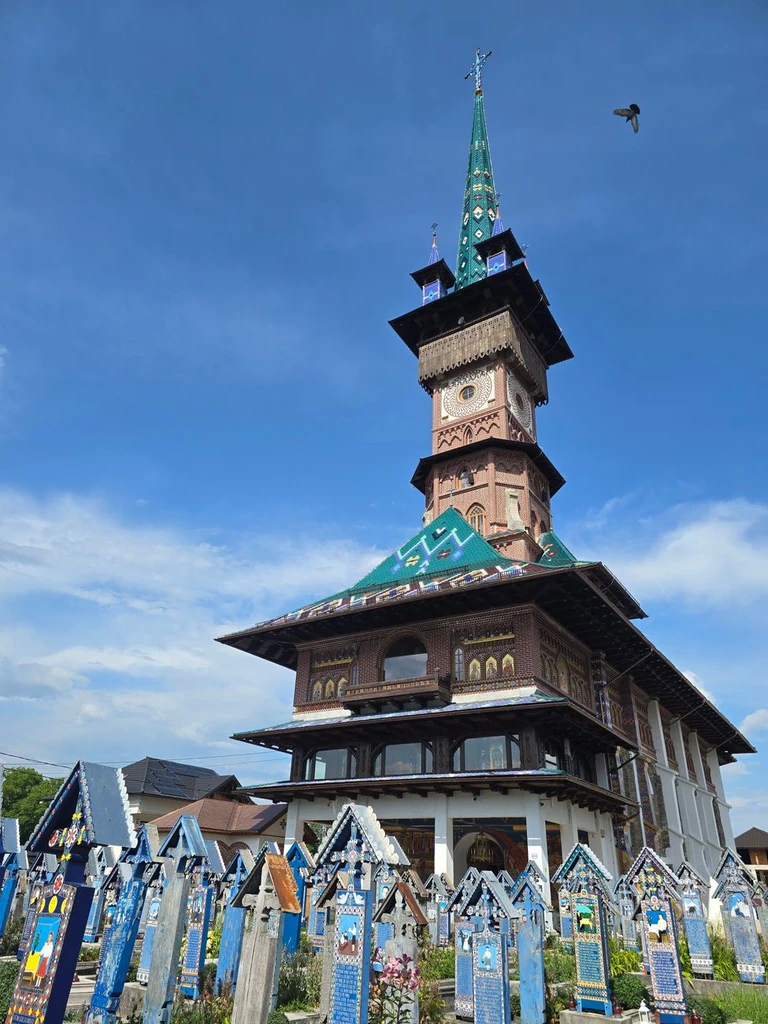
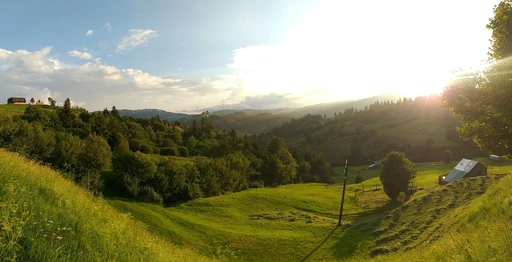
Day 6 is the long one, up to the top of the country, about four hours in the minibus. Here is why.
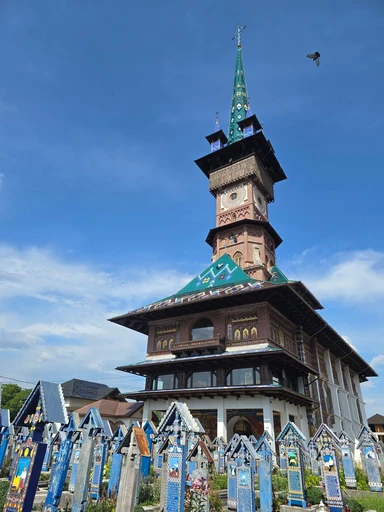
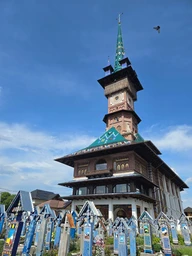
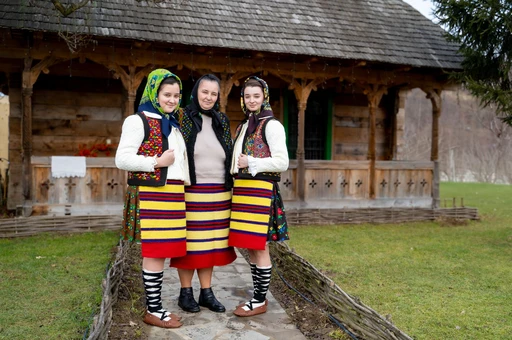
In 1935 a woodcarver in Săpânța called Stan Ioan Pătraș started carving the village's oak grave crosses with pictures and verses written in the voice of the person underneath. Not the solemn version. The true one, mother-in-law included. There are about eight hundred crosses now, and his own says, simply, I was Stan Ioan Pătraș. His apprentice took over in 1977 and kept carving until 2022.
Remember the bridge in Sibiu on day 1. These are the most honest people you will meet all week.
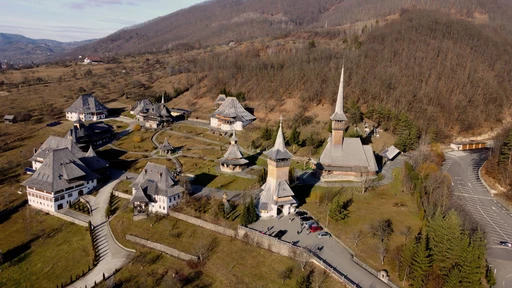
Then Bârsana, whose old wooden church is one of eight in Maramureș on UNESCO's list, and the farewell dinner around a family's table in their own house. Somebody will start drafting their own cross. Let them.
Nobody Fell Off the Bridge
Bârsana
Cluj-Napoca
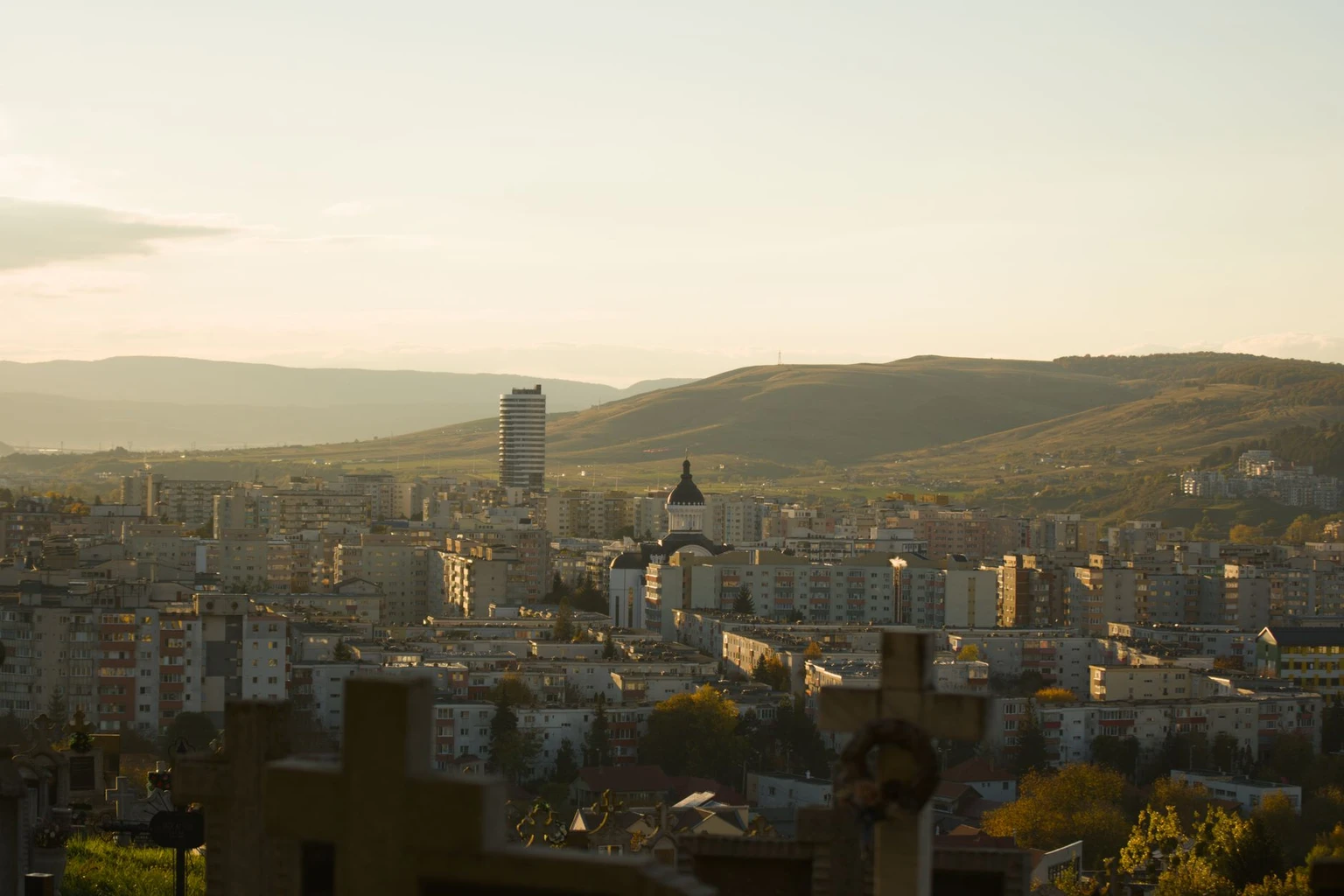
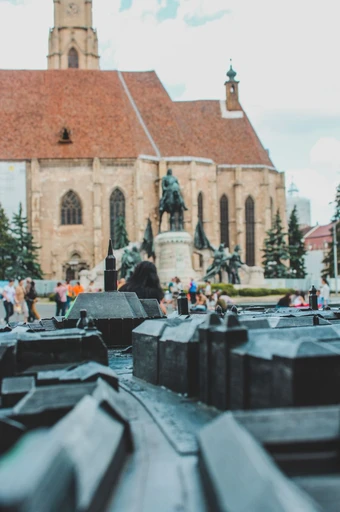
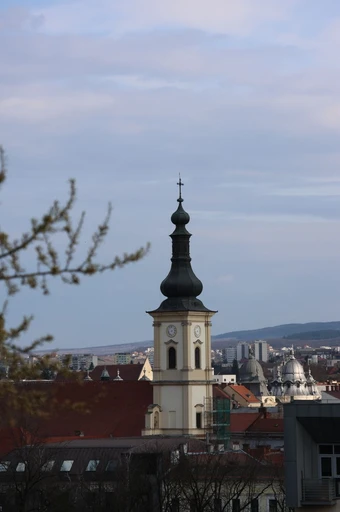
The last drive, back down through the hills to Cluj. It is a morning, not a day.
A week ago you stood on a bridge in Sibiu and told strangers what you do for a living. Now there is a group chat named after a bear, a camera roll that is mostly hairpins and blue crosses, and at least one epitaph saved in somebody's notes app. Hug everyone. Tell them the truth about how much you liked them. There is no bridge here, but still.
Upcoming trips
6 trips
Sibiu → Cluj-Napoca·7 days
Coordinator
?To be announced
$1,489 / person
Available
Sat 17–Fri 23 Jul
Sibiu → Cluj-Napoca·7 days
Coordinator
?To be announced
$1,489 / person
Available
Sat 31 Jul–Fri 6 Aug
Sibiu → Cluj-Napoca·7 days
Coordinator
?To be announced
$1,489 / person
Available
Sibiu → Cluj-Napoca·7 days
Coordinator
?To be announced
$1,489 / person
Available
Sat 28 Aug–Fri 3 Sep
Sibiu → Cluj-Napoca·7 days
Coordinator
?To be announced
$1,489 / person
Available
Sibiu → Cluj-Napoca·7 days
Coordinator
?To be announced
$1,489 / person
Available
Ask us to run one for your group →
Paying and canceling
Canceling is free until a trip confirms. From the day it does: